Transparent Tape (Masking Tape)
CN → US| HS Code | Tariff Rate | Origin | Destination | Doc |
|---|---|---|---|---|
| 3919102040 | 40.8% | CN | US | Official Doc |
| 3919905040 | 40.8% | CN | US | Official Doc |
| 5604100000 | 41.3% | CN | US | Official Doc |
| 3926100000 | 15.3% | CN | US | Official Doc |
| 3926909989 | 22.8% | CN | US | Official Doc |
Product Images
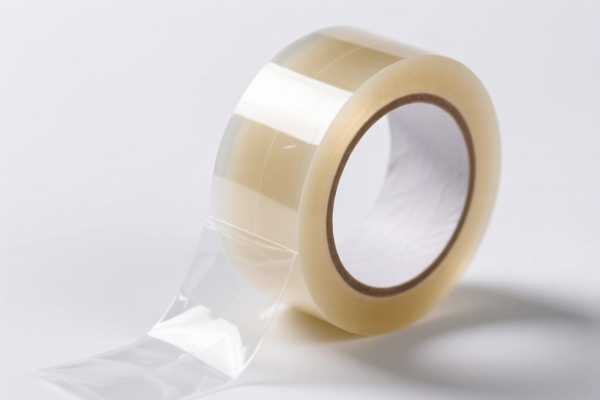
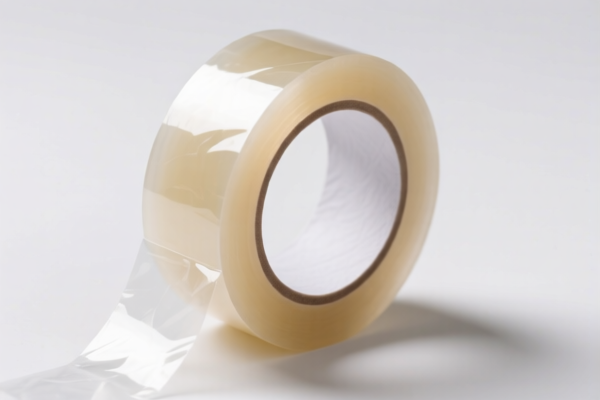

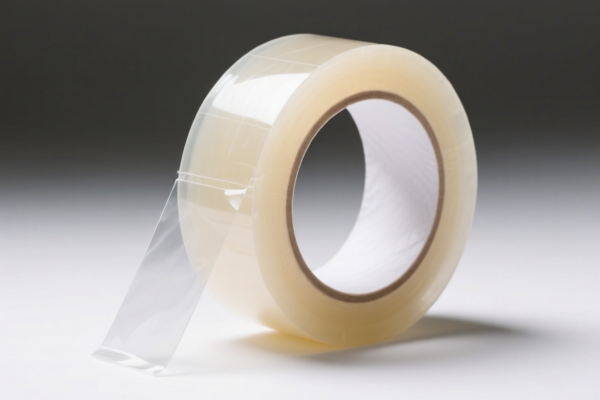
AI Analysis
🎞️ Transparent Tape (Adhesive Tapes of Plastics)
🌐 HS Code Reference & Customs Clearance Guide | 2026 Latest Tariff Analysis | Professional Compliance Strategy 📌 I. Product Definition & Classification: Do You Really Know "Transparent Tape"?
Transparent tape, often referred to as "masking tape" in broad commercial terms, is primarily defined by its material composition (plastics/adhesives) and form (rolls, self-adhesive). In international trade, the classification is not just about what it looks like, but its chemical and functional definition.
The Core Distinction: * General Purpose/Stationery Tape: Often classified under office supplies or miscellaneous plastics if it lacks strong adhesive properties or specific industrial backing. * High-Adhesion/Backing Tape: Classified under heading 3919 if it is "Self-adhesive plates, sheets, film, foil, tape, strip and other flat shapes." * Yarn/Textile-Based Tape: If the tape has a fabric backing (common in "masking tape"), it might fall under 5604 (Rubberized thread/yarn) if the adhesive treatment is significant.
⚠️ Key Classification Logic:
- If the tape is primarily plastic film with adhesive → Chapter 39.
- If the tape is fabric/textile based with adhesive → Chapter 56.
- If it is an office accessory (low viscosity, paper-like) → Chapter 96 (but see data below for plastic variants).
📦 II. HS Code Classification Details (2026 Latest Tariff Data)
Based on the provided data, here are the five possible HS Code classifications for "Transparent Tape" and their corresponding tax implications.
| HS Code | Product Description | Key Characteristics | Total Tax Rate |
|---|---|---|---|
| 3919.10.20.40 | Transparent Tape, Low Viscosity | Matches "Transparent Tape" features; low tack adhesive. | 40.8% |
| 3919.90.50.40 | Transparent Tape, Plastic Material | Consistent form and use; made of plastic. | 40.8% |
| 5604.10.00.00 | Transparent Tape, Plastic/Gel Material | Adhesive material properties; rubberized/thread type. | 41.3% |
| 3926.10.00.00 | Transparent Tape, Office Supplies | Made of plastic; defined as office supplies/plastic goods. | 15.3% |
| 3926.90.99.89 | Transparent Tape, Other Plastic Goods | Unclassified other plastic articles; generic plastic. | 22.8% |
🔍 Critical Insight:
- The lowest tax rate (15.3%) applies if the tape is strictly categorized as an office supply (3926.10.00.00).
- The highest tax rate (41.3%) applies if it is classified as a specialized adhesive/yarn product (5604.10.00.00).
- Most common "clear packing tape" falls under 3919 (40.8%), which is high due to additional tariffs.
💰 III. 2026 Tariff Rate Breakdown (Including Surtaxes)
✅ Applicable Country: United States (US)
✅ Country of Origin: China (CN)
✅ Effective Date: 2025/2026 Current Trade Policies
🎯 1. 3919.10.20.40 & 3919.90.50.40 – High-Viscosity/Plastic Adhesive Tapes
These codes represent the most common "clear packing tapes" or industrial adhesives.
| Component | Rate | Description |
|---|---|---|
| Base Tariff | 5.8% | General MFN rate for plastic tapes. |
| Section 301 Surcharge | 25.0% | Additional tariff on Chinese goods (List 4A/4B). |
| Section 122 Tariff | 10.0% | Specific anti-dumping/countervailing duty or specific trade remedy. |
| TOTAL TAX | 40.8% | High Impact |
📌 Explanation:
- These codes are targeted because they are standard consumer/industrial plastic tapes from China.
- The 35% total surcharge (25% + 10%) makes this a very expensive category for importers.
🎯 2. 5604.10.00.00 – Adhesive/Rubberized Tapes
This code applies if the tape is considered a "rubberized thread/yarn" or has a textile/fabric backing treated with plastic/gel.
| Component | Rate | Description |
|---|---|---|
| Base Tariff | 6.3% | Slightly higher base rate for textile/adhesive hybrids. |
| Section 301 Surcharge | 25.0% | Same Section 301 duty. |
| Section 122 Tariff | 10.0% | Same specific trade remedy. |
| TOTAL TAX | 41.3% | Highest Impact |
📌 Warning:
- If your "masking tape" has a paper or fabric backing, customs may prefer this code, leading to the highest tax burden.
🎯 3. 3926.10.00.00 – Office Supplies / Plastic Articles
🌟 OPTIMAL CODE: Lowest Tax Liability This code is applicable if the tape can be argued as a general "plastic article" used in offices (e.g., low-tack stationery tape).
| Component | Rate | Description |
|---|---|---|
| Base Tariff | 5.3% | Lower base rate for general plastic office items. |
| Section 301 Surcharge | 0.0% | NO Additional 301 Duty (Exempt or not listed). |
| Section 122 Tariff | 10.0% | Still applies. |
| TOTAL TAX | 15.3% | Significant Savings |
📌 Strategy:
- To use this code, you must prove the product is a low-viscosity office supply, not a heavy-duty industrial packing tape.
- Marketing materials should emphasize "Stationery," "Office Use," or "Low Tack."
🎯 4. 3926.90.99.89 – Other Plastic Articles
This is a "catch-all" for plastic goods not elsewhere specified.
| Component | Rate | Description |
|---|---|---|
| Base Tariff | 5.3% | Standard plastic rate. |
| Section 301 Surcharge | 7.5% | Reduced Section 301 duty (List 4A lower tier). |
| Section 122 Tariff | 10.0% | Specific trade remedy. |
| TOTAL TAX | 22.8% | Moderate Impact |
📌 Note:
- Use this if the product doesn't fit neatly into3919(self-adhesive plates/sheets) but is clearly plastic.
- Do not use if3919is more accurate, as misclassification can lead to penalties.
🛠️ IV. Customs Clearance Practical Advice
✅ 1. Critical Documentation Requirements
| Document | Required? | Purpose |
|---|---|---|
| Product Specification Sheet | ✔️ | Must detail: Material (PP/PVC/Gel), Adhesive Type (Water-based/Solvent), Viscosity/Tack Level. |
| Commercial Invoice | ✔️ | Clearly describe as "Transparent Tape, Plastic Material, For Office/General Use." Avoid "Industrial Packing Tape" if aiming for 3926.10.00.00. |
| Material Safety Data Sheet (MSDS) | ✔️ | For adhesive chemicals. |
| Certificate of Origin (CO) | ✔️ | To verify Chinese origin and apply correct tariffs. |
| Photos of Product | ✔️ | Show roll structure, backing material, and packaging. |
✅ 2. Classification Strategy & Risk Mitigation
🎯 Goal: Minimize Tax Liability (Target: 15.3%)
- Argument: Argue that the tape is a stationery item (
3926.10.00.00). - Evidence:
- Low viscosity (low tack).
- Sold in small retail packs for office use.
- Packaging labeled "Office Supplies" or "Desk Tape."
- Avoid terms like "Heavy Duty," "Industrial Strength," or "Packing."
⚠️ Risk: If Customs Classifies as 3919 (40.8%)
- Trigger: High viscosity, strong adhesive, large rolls, industrial packaging.
- Defense:
- Provide technical data showing the adhesive is reversible or low-tack.
- Show that the product is primarily composed of plastic film, not textile.
⚠️ Risk: If Customs Classifies as 5604 (41.3%)
- Trigger: Presence of fabric/paper backing.
- Defense:
- Clarify that the backing is thin and primarily plastic-based.
- If it is paper-backed masking tape, this code is likely correct and unavoidable. Prepare for 41.3%.
✅ 3. Declaration Tips
- Description: Use precise language.
- Bad: "Tape"
- Good: "Self-Adhesive Tape, Plastic Material, Low Tack, For Office Use, HS 3926.10.00.00"
- Value: Ensure the declared value includes freight and insurance (CIF) to avoid under-valuation penalties.
- Section 301 Exemption: Check if your specific product code was removed from the 25% list in recent updates. Currently,
3919and5604remain heavily taxed.
🌍 V. Market Comparison (2026)
| Market | Recommended HS Code | Est. Tariff | Notes |
|---|---|---|---|
| 🇺🇸 USA | 3926.10.00.00 |
15.3% | Lowest rate for plastic office tape. |
| 🇪🇺 EU | 3919.10.90 |
~5-7% | No Section 301. Lower base rates. |
| 🇨🇳 China | 3919.10.00 |
~5-10% | Import duty + VAT. No retaliatory tariffs. |
📌 Conclusion:
The US market is the most challenging due to Section 301 and Section 122 tariffs.
Optimization Strategy: If your tape can be classified as3926.10.00.00(Office Supplies), you save 25.5% in taxes compared to the standard3919classification.
📌 VI. Common Errors & Pitfalls
❌ Error 1: Declaring "Industrial Packing Tape" as 3926.10.00.00
👉 Result: Customs reclassifies to 3919.10.20.40 → Back taxes + Penalties (40.8%).
❌ Error 2: Ignoring the Backing Material
👉 Result: If it's fabric-backed, 3919 is wrong. 5604 applies (41.3%). Misclassification leads to delays.
❌ Error 3: Assuming All Plastic Tapes are Equal
👉 Result: High-tack vs. Low-tack matters. 3919 is for self-adhesive sheets/rolls. 3926 is for other plastic articles.
✅ Correct Approach:
"Low-viscosity adhesive tape, plastic film base, for stationery/office use. Not for heavy-duty industrial packing."
🎯 VII. Conclusion: Strategic Classification for Profitability
🎯 Key Takeaway:
"Classify as Office Supply (15.3%) if possible; Industrial Use (40.8%) is a cost trap."
- Low Tack/Stationery Tape: Aim for
3926.10.00.00(15.3%). - Clear Packing Tape: Expect
3919.10.20.40(40.8%). - Fabric Masking Tape: Expect
5604.10.00.00(41.3%).
📌 Pro Tip:
Consult with a customs broker before shipping. Provide samples and technical datasheets. If your tape is borderline, consider adjusting the product description in marketing materials to support the lower-tax classification (e.g., emphasizing "office," "light-duty," "removable").
📣 Immediate Action:
📞 Review your product specs: Is it high-tack or low-tack?
📄 Update your Invoice: Match the description to3926.10.00.00if eligible.
🚀 Optimize your supply chain: Factor in the 25%+ tariff to maintain margins.
✨ Smart Classification, Smarter Profits!
💼 Don't let 25% tariffs eat your margin.
Customer Reviews
About HS Code Classification
The Harmonized System (HS) is an internationally standardized nomenclature developed by the World Customs Organization (WCO) to classify traded products. Over 200 countries use the HS system as the basis for customs tariffs, trade statistics, and import/export regulations.
Each HS code follows a hierarchical structure:
- Chapter (2 digits) — Broad category of goods (e.g., Chapter 84: Machinery and Mechanical Appliances)
- Heading (4 digits) — More specific grouping within the chapter
- Subheading (6 digits) — Internationally standardized breakdown, used by all WCO member countries
- National subdivisions (8-10 digits) — Country-specific extensions for further classification, such as US HTSUS 10-digit codes
Correct HS code classification is essential for smooth customs clearance, accurate duty payment, and compliance with trade regulations. Misclassification can lead to customs delays, overpayment of duties, or penalties.
When importing from CN to US, the applicable tariff rates may include:
- Most-Favored-Nation (MFN) rate — The standard duty rate applied to WTO members
- General rate — Applied to countries without trade agreements
- Trade remedy duties — Additional tariffs such as Section 301 (anti-dumping), Section 232 (national security), or countervailing duties
The information provided on this page is for reference purposes only. For official classification, please consult with your local customs authority or a licensed customs broker.