Transparent Tape (Small Roll)
CN → US| HS Code | Tariff Rate | Origin | Destination | Doc |
|---|---|---|---|---|
| 3919102040 | 40.8% | CN | US | Official Doc |
| 3919905040 | 40.8% | CN | US | Official Doc |
| 5604100000 | 41.3% | CN | US | Official Doc |
| 3926100000 | 15.3% | CN | US | Official Doc |
| 3926909989 | 22.8% | CN | US | Official Doc |
| 5604909000 | 40.0% | CN | US | Official Doc |
Product Images
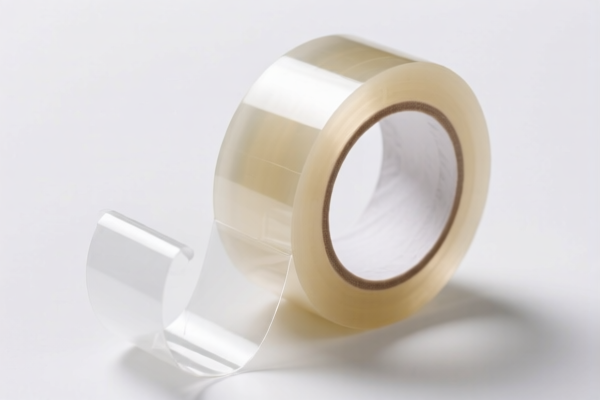
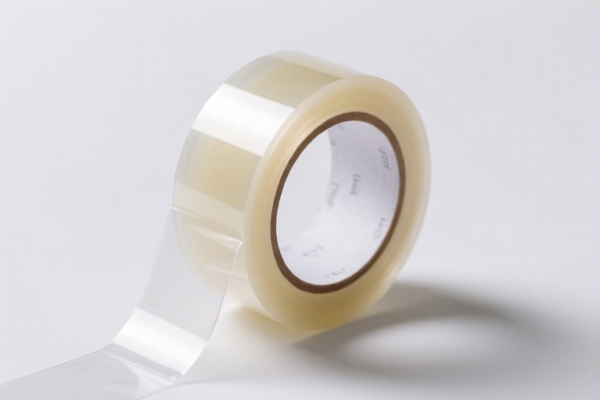
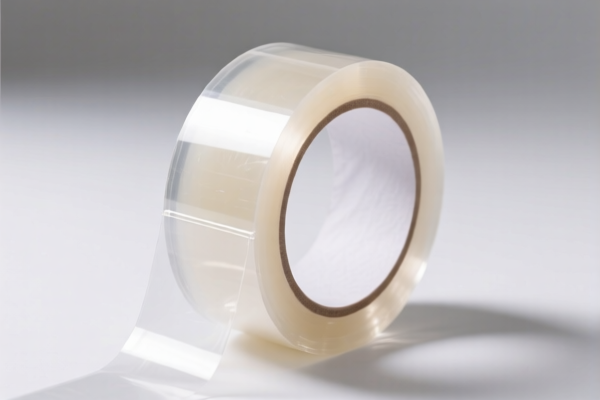
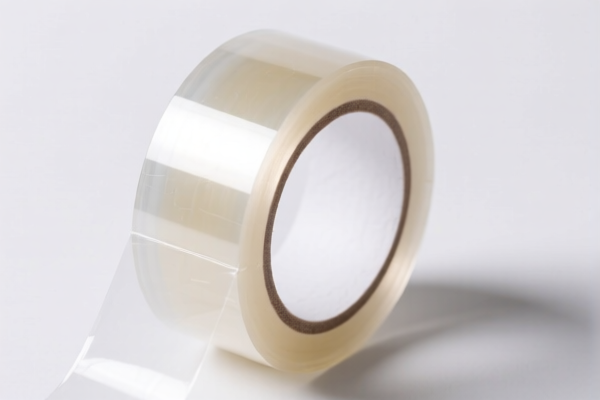
AI Analysis
🎞️ Transparent Tape (Small Roll)
🌐 HS Code Reference & Customs Clearance Guide | 2026 Latest Tariff Analysis | Professional Entry Strategy
📌 I. Product Definition & Classification: Do You Really Understand "Transparent Tape"?
Transparent tape, often referred to as "clear tape" or "packing tape," is a versatile adhesive material used for bonding, sealing, and mounting. In international trade, its classification depends heavily on its material composition, physical form (roll vs. sheet), and adhesive properties.
⚠️ Key Classification Logic:
- If it is a self-adhesive plastic tape in rolls → Typically falls under Chapter 39 (Plastics).
- If it contains fabric or paper backing with plastic coating → May fall under Chapter 56 (Non-wovens/Taped fabrics).
- If it is a general plastic article not specifically listed elsewhere → Falls under Chapter 39, Heading 3926 (Other plastic articles).
📦 II. HS Code Classification Details (2026 Latest Tariff Authority Comparison)
Based on the provided data, here is the precise breakdown for Transparent Tape (Small Roll):
| HS Code | Product Description | Tax Rate (Total) | Tax Breakdown (Base + Add-ons) |
|---|---|---|---|
3919.10.20.40 |
Transparent tape, low viscosity, flat shape / roll-mounted, meets characteristics of transparent tape | 40.8% | Base: 5.8%, Section 301: 25.0%, Section 122: 10% |
3919.90.50.40 |
Transparent tape, consistent morphology and use, material complies with plastic category attributes | 40.8% | Base: 5.8%, Section 301: 25.0%, Section 122: 10% |
5604.10.00.00 |
Transparent tape, material is plastic or gel-like, complies with physical properties of adhesive materials | 41.3% | Base: 6.3%, Section 301: 25.0%, Section 122: 10% |
3926.10.00.00 |
Transparent tape, material is plastic, complies with definition of office supplies and plastic products | 15.3% | Base: 5.3%, Section 301: 0.0%, Section 122: 10% |
3926.90.99.89 |
Transparent tape, material is plastic, classified as other plastic articles not specified elsewhere | 22.8% | Base: 5.3%, Section 301: 7.5%, Section 122: 10% |
5604.90.90.00 |
Transparent tape, strips coated or covered with plastic, no obvious material conflict | 40.0% | Base: 5.0%, Section 301: 25.0%, Section 122: 10% |
🔍 Critical Observation:
- The lowest total tax rate (15.3%) applies to3926.10.00.00, but only if the tape is strictly classified as "office supplies" with 0% Section 301 duties.
- Most other classifications attract 25% Section 301 duties, pushing the total tax to ~40-41%.
- Section 122 (10%) appears universally across all codes in this dataset, likely a specific trade remedy or surcharge applicable to the origin.
💰 III. 2026 Latest Tariff Rate Breakdown (Including Surcharges & Policy Add-ons)
✅ Applicable Country: USA (US)
✅ Origin: China (CN) (Assumed based on Section 301 and 122 references)
✅ Effective Date: Current 2026 regulations
🎯 1. 3919.10.20.40 & 3919.90.50.40 —— Adhesive Plastics in Rolls (High Tax Bracket)
| Item | Details |
|---|---|
| Base Tariff | 5.8% (ad valorem) |
| Section 301 Add-on | +25.0% (Standard high-tier penalty for Chinese plastics) |
| Section 122 Surcharge | +10.0% (Specific policy add-on) |
| Total Effective Rate | 40.8% |
| Calculation | CIF Value × 40.8% |
| De Minimis Eligibility | ❌ No (Deny de minimis for high-tariff plastic goods) |
| Legal Basis | HTSUS 3919.10 / 3919.90 + Section 301 List 3/4 + Section 122 |
📌 Explanation:
- Chapter 39, Heading 3919 covers "Self-adhesive plates, sheets, film, foil, tape, strip and other flat shapes, of plastics." This is the most accurate technical description for transparent adhesive tape.
- However, the 25% Section 301 duty significantly increases costs.
- Section 122 adds an additional 10%, regardless of the base code.
🎯 2. 5604.10.00.00 & 5604.90.90.00 —— Textile/Non-Woven Based Adhesive Materials (Highest Tax Bracket)
| Item | Details |
|---|---|
| Base Tariff | 6.3% (5604.10) or 5.0% (5604.90) |
| Section 301 Add-on | +25.0% (Full penalty applied) |
| Section 122 Surcharge | +10.0% |
| Total Effective Rate | 41.3% (5604.10) / 40.0% (5604.90) |
| Calculation | CIF Value × Total Rate |
| De Minimis Eligibility | ❌ No |
📌 Explanation:
- These codes are used if the tape has a fabric, paper, or non-woven backing coated with plastic/adhesive.
- Pure plastic transparent tape should not be classified here unless it has such a backing. Misclassification risks penalties.
🎯 3. 3926.10.00.00 —— Other Plastic Articles: Office Supplies (LOWEST Tax Bracket)
| Item | Details |
|---|---|
| Base Tariff | 5.3% |
| Section 301 Add-on | +0.0% (Exempted!) |
| Section 122 Surcharge | +10.0% |
| Total Effective Rate | 15.3% |
| Calculation | CIF Value × 15.3% |
| De Minimis Eligibility | ⚠️ Check Specific Rules (Usually restricted for Chinese origin plastics, but low base may allow negotiation) |
📌 Explanation:
- Crucial Opportunity: If the transparent tape is explicitly marketed as "Office Supplies" and meets the definition of 3926.10, it avoids the 25% Section 301 duty.
- Risk: U.S. Customs and Border Protection (CBP) may challenge this if the tape is clearly "industrial packing tape" rather than "office tape." Documentation must prove office use.
🎯 4. 3926.90.99.89 —— Other Plastic Articles (Medium Tax Bracket)
| Item | Details |
|---|---|
| Base Tariff | 5.3% |
| Section 301 Add-on | +7.5% (Reduced penalty tier) |
| Section 122 Surcharge | +10.0% |
| Total Effective Rate | 22.8% |
| Calculation | CIF Value × 22.8% |
| De Minimis Eligibility | ❌ No |
📌 Explanation:
- This is a catch-all for plastic articles not elsewhere specified.
- Better than3919codes (40.8%) but worse than3926.10(15.3%). Use only if3926.10is not defensible.
🛠️ IV. Customs Clearance Practical Advice (Avoid Pitfalls)
✅ 1. Required Documentation Checklist
| Document | Mandatory? | Notes |
|---|---|---|
| ✅ Product Specification Sheet | ✔️ | Must specify: Material (PP/PVC/PE), Width, Length, Adhesive Type, Roll Size |
| ✅ Commercial Invoice | ✔️ | Clearly state: "Transparent Adhesive Tape, Plastic, Roll" |
| ✅ Certificate of Origin | ✔️ | Critical for proving Chinese origin (triggers 301/122) |
| ✅ Usage Declaration | ✔️ | Key for 3926.10: Declare "For Office Use Only" if claiming 15.3% |
| ✅ Material Composition Proof | ✔️ | Lab test to confirm 100% plastic (for 3919) vs. composite (for 5604) |
✅ 2. Declaration Strategy (Key Mnemonics)
🔥 "Material Defines Code, Use Defines Tax!"
| Scenario | Recommended HS Code | Total Tax | Strategy |
|---|---|---|---|
| Pure Plastic Tape, Office Use | 3926.10.00.00 |
15.3% | ✅ Best Option. Prove it's for office packaging, not industrial. |
| Pure Plastic Tape, Industrial/Packing | 3919.10.20.40 |
40.8% | Standard classification. High cost unavoidable. |
| Tape with Paper/Fabric Backing | 5604.10.00.00 |
41.3% | Only if backing exists. Avoid misclassification. |
| Unspecified Plastic Article | 3926.90.99.89 |
22.8% | Backup option if 3919 is challenged but 3926.10 is not defensible. |
✅ 3. Special Handling
| Situation | Advice |
|---|---|
| Small Roll (De Minimis) | If value < $800, Section 301/122 may still apply for China-origin plastic goods. Do not assume exemption. |
| OEM/Private Label | Ensure invoice reflects actual manufacturer to avoid origin fraud claims. |
| Dispute with CBP | If CBP rejects 3926.10, appeal with photos showing office-style packaging and lack of industrial strength. |
🌍 V. Global Market Comparison (2026)
| Country/Region | Recommended HS Code | Tariff (China Origin) | Notes |
|---|---|---|---|
| 🇺🇸 USA | 3926.10.00.00 |
15.3% | Best rate if office use is proven. |
| 🇪🇺 EU | 3919.10 |
0-5% | No Section 301. Lower tariffs generally. |
| 🇨🇳 China | 3919.10 |
5-6% | Export origin may have rebates. |
| 🇬🇧 UK | 3919.10 |
0-5% | Post-Brexit alignment with EU. |
📌 Conclusion:
- USA is the highest-cost market for transparent tape due to Section 301 and 122.
- Strategic Tip: If shipping to the US, classify as3926.10.00.00if possible to save 25%+ in duties.
- Warning: Never misclassify industrial packing tape as office tape. CBP has strict enforcement on this.
📌 VI. Common Errors & Pitfalls (Lessons Learned)
❌ Error 1: Classifying industrial heavy-duty tape as 3926.10.00.00
👉 Consequence: CBP reclassifies to 3919.10.20.40 → Back taxes of ~25% + penalties.
❌ Error 2: Ignoring Section 122
👉 Consequence: Even with low base tax, the 10% surcharge is unavoidable in this dataset. Factor it into cost.
❌ Error 3: Using 5604 codes for pure plastic tape
👉 Consequence: CBP demands material proof, delays clearance, and may impose fines for misdeclaration.
❌ Error 4: Assuming small roll = de minimis exemption
👉 Consequence: For Chinese-origin plastics, de minimis exemptions often do not apply to Section 301/122 goods. Check current CBP rulings.
✅ Correct Practice:
"Transparent Adhesive Tape, Polypropylene, 18mm x 50m, Roll, For Office Use, HS 3926.10.00.00, Origin: China"
🎯 VII. Conclusion: Professional Declaration, Save Costs!
🎯 Remember the Mnemonic:
🔹 "Office Use, 15% is Sweet; Industrial Use, 40% is a Beat!"
🔹 "Don't Guess the Code, Cost is Huge; Proving Office Use, Profit is New!"
📌 Pro Tip:
If your transparent tape is 100% plastic and intended for office documentation, aggressively pursue 3926.10.00.00 with supporting documentation. This can save ~25% in duties compared to standard adhesive tape classifications.
📣 Immediate Action:
📞 Consult a licensed customs broker to pre-classify your specific tape product.
📄 Prepare office-use declarations and material composition reports.
🚀 Clear customs smoothly, reduce duties, maximize profit!
✨ Professional Customs Clearance Starts with Accurate Classification!
💼 Every Percent Saved is Pure Profit!
Customer Reviews
About HS Code Classification
The Harmonized System (HS) is an internationally standardized nomenclature developed by the World Customs Organization (WCO) to classify traded products. Over 200 countries use the HS system as the basis for customs tariffs, trade statistics, and import/export regulations.
Each HS code follows a hierarchical structure:
- Chapter (2 digits) — Broad category of goods (e.g., Chapter 84: Machinery and Mechanical Appliances)
- Heading (4 digits) — More specific grouping within the chapter
- Subheading (6 digits) — Internationally standardized breakdown, used by all WCO member countries
- National subdivisions (8-10 digits) — Country-specific extensions for further classification, such as US HTSUS 10-digit codes
Correct HS code classification is essential for smooth customs clearance, accurate duty payment, and compliance with trade regulations. Misclassification can lead to customs delays, overpayment of duties, or penalties.
When importing from CN to US, the applicable tariff rates may include:
- Most-Favored-Nation (MFN) rate — The standard duty rate applied to WTO members
- General rate — Applied to countries without trade agreements
- Trade remedy duties — Additional tariffs such as Section 301 (anti-dumping), Section 232 (national security), or countervailing duties
The information provided on this page is for reference purposes only. For official classification, please consult with your local customs authority or a licensed customs broker.