Transparent Tape Fixing
CN → US| HS Code | Tariff Rate | Origin | Destination | Doc |
|---|---|---|---|---|
| 3919905040 | 40.8% | CN | US | Official Doc |
| 3919102040 | 40.8% | CN | US | Official Doc |
| 4811411000 | 35.0% | CN | US | Official Doc |
Product Images

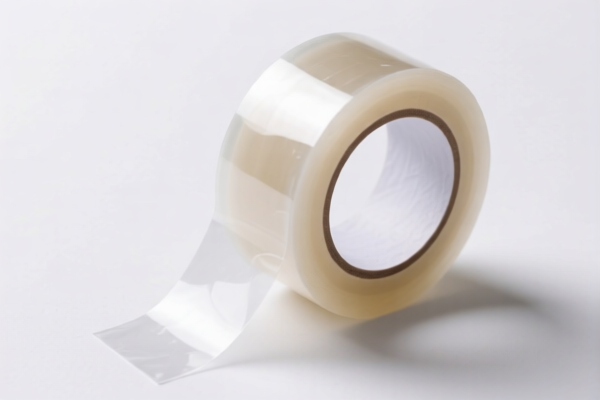
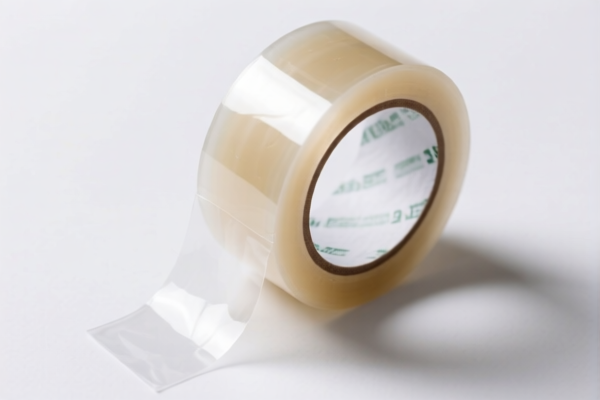
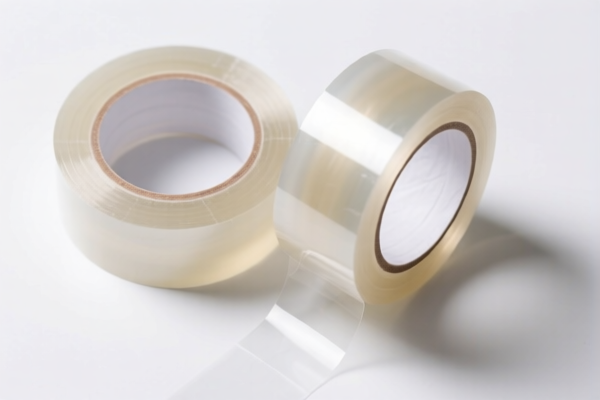
AI Analysis
🎬 Transparent Tape & Self-Adhesive Plastic Strips (Transparent Tape Fixing)
🌐 HS Code Reference & Customs Clearance Guide | 2026 Latest Tariff Analysis | Professional Clearance Strategy
📌 I. Product Definition & Classification: What Exactly is "Transparent Tape Fixing"?
"Transparent tape fixing" generally refers to self-adhesive plastic strips or rolls used for sealing, bonding, or repairing. In international trade, the classification depends heavily on the material composition, surface properties, and specific additives (such as anti-static properties).
The core distinction lies in whether the product is a standard plastic adhesive tape (Chapter 39) or a paper-based tape with plastic coating/adhesive (Chapter 48).
⚠️ Key Distinction Point:
- If the backing material is plastic (e.g., BOPP, PVC, PET) and it is self-adhesive → Classify under Chapter 39.
- If the backing material is paper (even if coated with clear plastic or adhesive) and used for sealing → Classify under Chapter 48.
📦 II. HS Code Classification Details (2026 Latest Tariff Authority Comparison)
Based on the provided data, here are the three specific HS Codes for "Transparent Tape Fixing":
| HS Code | Product Description | Scenario/Application | Material/State |
|---|---|---|---|
3919.90.50.40 |
Transparent repair tape or transparent anti-static tape, made of plastic, self-adhesive strip form | Industrial repair, electronics packaging (anti-static), heavy-duty sealing | ✅ Plastic |
3919.10.20.40 |
Transparent tape, plastic material, transparent self-adhesive strip form, no specific size conflict | General office/home use, standard packing, labeling | ✅ Plastic |
4811.41.10.00 |
Transparent tape or sealing tape, self-adhesive paper form, used for sealing | Standard brown/clear packing tape (paper base with plastic layer), carton sealing | ✅ Paper (with plastic/adhesive) |
🔍 Important Reminder:
- Plastic-based tapes (like BOPP tape) fall under 3919. The sub-code3919.10is for rolls < 20cm width, while3919.90is for other widths or special types (like repair/anti-static).
- Paper-based tapes fall under 4811. Even if it looks "transparent" (like water-activated tape or coated tape), if the base is paper, it belongs here.
- Do not misclassify a plastic tape as paper tape just because it’s used for packing; the material dictates the code.
💰 III. 2026 Latest Tariff Rate Details (Including Additional Taxes & Policy Add-ons)
✅ Applicable Country: United States (US)
✅ Origin: China (CN)
✅ Effective Date: 2025-11-10 onwards (including subsequent imports)
🎯 1. 3919.90.50.40 & 3919.10.20.40 —— Plastic Transparent Tapes (Repair/Anti-static/General)
| Item | Content |
|---|---|
| Base Tariff | 5.8% (ad valorem) |
| Section 301 Additional Tariff | +25.0% |
| Section 122 Tariff (IEEPA) | +10.0% (Specific to China/HK products) |
| Total Tax Rate | 40.8% |
| Tax Calculation | CIF Value × 40.8% |
| De Minimis Exemption | ❌ Not Applicable (Deny de minimis) |
| Legal Basis Path | Base Tariff 5.8% + Sec 301: 25% + IEEPA Sec 122: 10% |
📌 Explanation:
- These two codes share the same total tax rate of 40.8% because both are plastic self-adhesive tapes originating from China.
- Section 301 (25%) is the standard punitive tariff on Chinese goods.
- Section 122 (10%) is an additional national security tariff applied under the International Emergency Economic Powers Act (IEEPA).
- Combined Effect: The effective duty is extremely high, significantly impacting profit margins.
🎯 2. 4811.41.10.00 —— Paper-Based Transparent/Sealing Tapes
| Item | Content |
|---|---|
| Base Tariff | 0.0% (ad valorem) |
| Section 301 Additional Tariff | +25.0% |
| Section 122 Tariff (IEEPA) | +10.0% |
| Total Tax Rate | 35.0% |
| Tax Calculation | CIF Value × 35.0% |
| De Minimis Exemption | ❌ Not Applicable (Deny de minimis) |
| Legal Basis Path | Base Tariff 0.0% + Sec 301: 25% + IEEPA Sec 122: 10% |
📌 Explanation:
- Although the base tariff is 0%, the additional taxes push the total to 35.0%.
- This is 5.8% lower than the plastic tape variants due to the lower base rate.
- Crucial: Ensure the product is truly paper-based. If it is plastic, misdeclaring as 4811 to get 35% instead of 40.8% is customs fraud and carries severe penalties.
🛠️ IV. Customs Clearance Practical Advice (Field Avoidance Guide)
✅ 1. Required Documentation Checklist (None can be missing)
| Document | Mandatory? | Notes |
|---|---|---|
| ✅ Product Specification Sheet | ✔️ | Must specify material (Plastic vs. Paper), width, length, adhesive type. |
| ✅ Product Photos | ✔️ | Clear images of the roll, backing material, and adhesive side. |
| ✅ Commercial Invoice | ✔️ | Clearly state "Transparent Self-Adhesive Tape" and specify material. |
| ✅ Packing List | ✔️ | Include net/gross weight, dimensions, and number of rolls. |
| ✅ Certificate of Origin | ✔️ | Proof of Chinese origin is critical for calculating Section 301/122 duties. |
| ✅ Test Reports | ✔️ | If claiming "Anti-static" (for 3919.90.50.40), provide test reports for resistivity. |
✅ 2. Declaration Tips (Key Mantras)
🔥 "Material First, Width Next, Adhesive Clear, Code Won't Miss!"
| Scenario | Correct Declaration | Wrong Practice |
|---|---|---|
| BOPP/Clear Plastic Tape | 3919.10.20.40 or 3919.90.50.40 |
Misdeclare as 4811 → Risk of seizure & fines |
| Paper Tape with Plastic Coating | 4811.41.10.00 |
Declare as 3919 → Higher tax (40.8% vs 35%) but correct classification is key |
| Anti-Static Tape for Electronics | 3919.90.50.40 |
Declare as general tape 3919.10 → May trigger extra scrutiny for "special use" |
| Large Rolls (>20cm width) | 3919.90.50.40 |
Declare as 3919.10 → 3919.10 is for <20cm; misdeclaration leads to rejection |
📌 Note on Width:
- 3919.10: Typically for rolls less than 20 cm in width.
- 3919.90: For rolls 20 cm or wider, or other self-adhesive plastic plates/sheets/foils.
- Check the actual width of the tape before choosing between 10 and 90 sub-headings.
✅ 3. Special Circumstances Handling
| Situation | Handling Advice |
|---|---|
| OEM Branded Tape | Provide OEM agreement if requested, but origin and material remain key. |
| Clear Tape with Printed Logo | Still 3919 or 4811 depending on base material. Printing does not change classification. |
| Sample Shipments | Even for samples, 40.8% or 35% duty applies. Do not assume samples are duty-free. |
| Mixed Container | If plastic and paper tapes are mixed, declare separately. Do not use the lower rate for plastic tapes. |
🌍 V. Global Market Customs Comparison (2026 Latest)
| Country/Region | Recommended HS Code | Tariff (China Origin) | Certification Requirements | Notes |
|---|---|---|---|---|
| 🇺🇸 USA | 3919.10.20.40 / 3919.90.50.40 |
40.8% | None specific | High duty due to Sec 301 + 122 |
| 🇺🇸 USA | 4811.41.10.00 |
35.0% | None specific | Lower rate, but strict material verification |
| 🇨🇳 China | 3919.10.20.40 |
5.8% | None | Standard export to China |
| 🇪🇺 EU | 3919.10.00 |
0% - 6.5% | REACH, RoHS | No additional punitive tariffs |
| 🇬🇧 UK | 3919.10.00 |
0% - 6.5% | UKCA, REACH | Post-Brexit alignment with EU standards |
📌 Conclusion:
- USA is the most costly market for transparent tapes due to the combination of 301 and 122 tariffs.
- Paper-based tapes (4811) offer a 5.8% saving compared to plastic-based tapes (3919).
- Accuracy is critical: Misdeclaring plastic as paper to save 5.8% is risky and can lead to audits, penalties, and port delays.
📌 VI. Common Mistakes & Pitfalls Guide (Blood & Tears Lessons)
❌ Mistake 1: Declaring all "clear tape" under 4811 to avoid high duties.
👉 Consequence: If customs inspect and find it’s plastic (BOPP/PVC), they will reclassify, charge the difference (40.8% - 35% = 5.8% on the entire value) + penalties.
❌ Mistake 2: Ignoring the width for HS Code 3919.
👉 Consequence: Using 3919.10 for tape >20cm wide is incorrect. It should be 3919.90. While tax rates are the same in this dataset, incorrect classification can lead to data mismatch and shipment holds.
❌ Mistake 3: Not specifying "Anti-Static" for 3919.90.50.40.
👉 Consequence: If the product is actually anti-static but declared as general tape, it may pass, but if general tape is declared as anti-static, it’s false declaration. Be truthful about special properties.
✅ Correct Practice:
"Self-adhesive Plastic Tape, BOPP Material, Width: 19mm, Length: 50m, Color: Transparent, For General Packing. HS Code: 3919.10.20.40."
🎯 VII. Conclusion: Professional Declaration, Save Time & Money!
🎯 Remember the Mantra:
🔹 "Plastic = 3919 (40.8%), Paper = 4811 (35.0%). Check Width. Check Material. Check Origin."
🔹 "5.8% Savings Matter, But Fraud Costs More. Declare Correctly."
📌 Pro Tip:
If your tape is not made in China (e.g., Vietnam, Malaysia, Thailand), the Section 301 and Section 122 tariffs may not apply, potentially reducing the tax to just the base rate (0% - 5.8%).
Action:
1. Verify the Country of Origin on the manufacturing label.
2. If non-China origin, declare accordingly to enjoy lower tariffs.
3. For China-origin tape, calculate if the 35% (paper) vs 40.8% (plastic) difference justifies sourcing paper-based alternatives if specs allow.
📣 Immediate Action:
📞 Contact a Customs Broker to verify the material composition and width of your specific tape.
📄 Request a Pre-Ruling from US Customs and Border Protection (CBP) if unsure about the classification.
🚀 Optimize your supply chain by considering origin shifting or material substitution to reduce the 40.8% burden.
✨ Professional Customs Clearance Starts with Accurate Classification!
💼 Every percent of duty saved is pure profit!
Customer Reviews
About HS Code Classification
The Harmonized System (HS) is an internationally standardized nomenclature developed by the World Customs Organization (WCO) to classify traded products. Over 200 countries use the HS system as the basis for customs tariffs, trade statistics, and import/export regulations.
Each HS code follows a hierarchical structure:
- Chapter (2 digits) — Broad category of goods (e.g., Chapter 84: Machinery and Mechanical Appliances)
- Heading (4 digits) — More specific grouping within the chapter
- Subheading (6 digits) — Internationally standardized breakdown, used by all WCO member countries
- National subdivisions (8-10 digits) — Country-specific extensions for further classification, such as US HTSUS 10-digit codes
Correct HS code classification is essential for smooth customs clearance, accurate duty payment, and compliance with trade regulations. Misclassification can lead to customs delays, overpayment of duties, or penalties.
When importing from CN to US, the applicable tariff rates may include:
- Most-Favored-Nation (MFN) rate — The standard duty rate applied to WTO members
- General rate — Applied to countries without trade agreements
- Trade remedy duties — Additional tariffs such as Section 301 (anti-dumping), Section 232 (national security), or countervailing duties
The information provided on this page is for reference purposes only. For official classification, please consult with your local customs authority or a licensed customs broker.