Transparent Tape Masking Tape
CN → US| HS Code | Tariff Rate | Origin | Destination | Doc |
|---|---|---|---|---|
| 3919102055 | 40.8% | CN | US | Official Doc |
| 4811412100 | 35.0% | CN | US | Official Doc |
| 3919905060 | 40.8% | CN | US | Official Doc |
| 5907001500 | 43.0% | CN | US | Official Doc |
| 5907003500 | 43.0% | CN | US | Official Doc |
Product Images
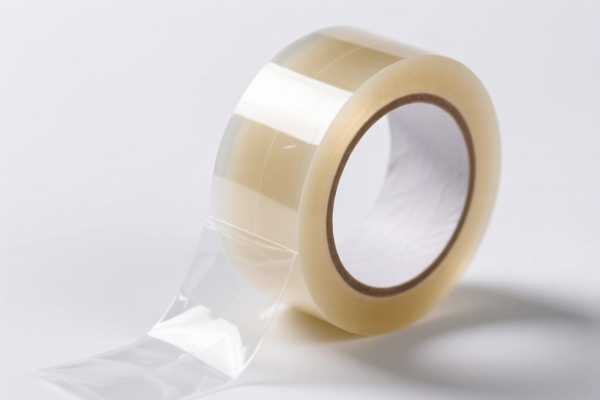
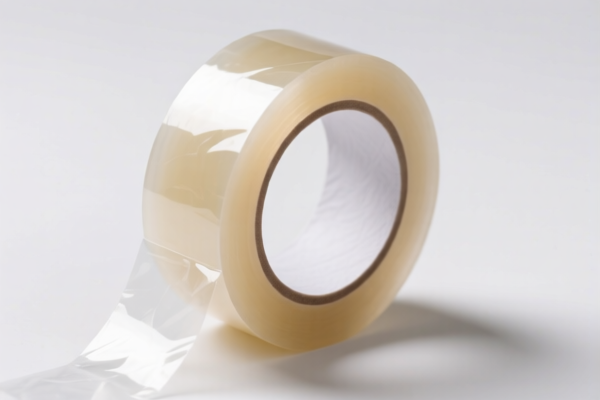
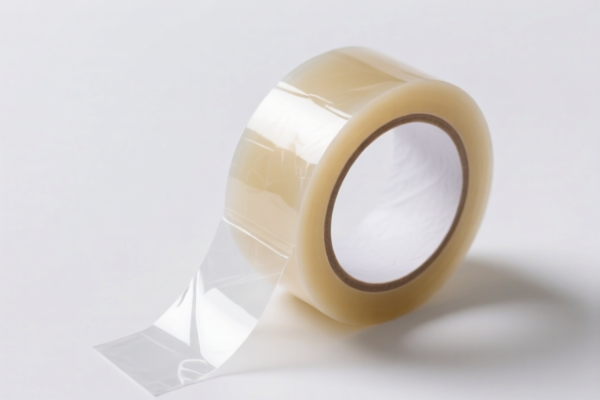
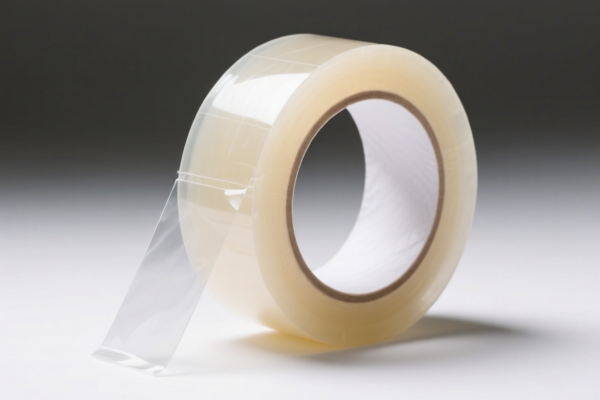
AI Analysis
🎨 Masking Tape (Transparency & Paper-Based Adhesive Tapes)
🌐 HS Code Reference & Customs Clearance Guide | 2026 Latest Tariff Analysis | Professional Entry Strategy
📌 I. Product Definition & Classification: What Exactly is "Masking Tape"?
Masking tape is a type of pressure-sensitive tape originally designed for paint masking and general-purpose household use. In international trade, its classification hinges entirely on its base material and finish. The "transparent" aspect usually refers to the adhesive visibility or a specific low-tack finish, but the core identity remains tied to whether the backing is plastic (synthetic) or paper.
Key Distinctions: * Plastic/Polyethylene Base: If the backing is made of polyethylene or other synthetic films, it falls under Chapter 39 (Plastics). These are often referred to as "painter's tape" if specifically coated for paint removal. * Paper Base (Cream/Blue): If the backing is kraft paper with rubber-based adhesive, it falls under Chapter 48 (Paper) or potentially Chapter 59 (Impregnated Textiles) if heavily coated.
⚠️ Critical Classification Point:
- If the tape is plastic-backed (even if "transparent" adhesive is used) → Chapter 39
- If the tape is paper-backed → Chapter 48
- If the tape is fabric/textile-backed and coated → Chapter 59
📦 II. HS Code Classification Details (Based on Provided Data)
| HS Code | Product Description | Summary / Basis for Classification | Total Tax Rate (China to US) | Tax Breakdown |
|---|---|---|---|---|
3919.10.20.55 |
Self-adhesive flat products of plastics, other | Plastic/Synthetic Base: The tape is classified as a self-adhesive flat product made of plastic/synthetic material. | 40.8% | Base: 5.8% + Section 301: 25.0% + Section 122: 10% |
4811.41.21.00 |
Adhesive paper and paperboard, in rolls | Paper Base: Material inferred as paper (masking tape), in roll form. Fits the category of self-adhesive paper in rolls. | 35.0% | Base: 0.0% + Section 301: 25.0% + Section 122: 10% |
3919.90.50.60 |
Other self-adhesive flat products of plastics | Plastic Base (Other): Self-adhesive strip product, often based on paper or plastic, but categorized here under "Other" plastic self-adhesive items. | 40.8% | Base: 5.8% + Section 301: 25.0% + Section 122: 10% |
5907.00.15.00 |
Textile fabrics impregnated, coated, covered | Textile/Fiber Base: Masking tape as a fabric coated/impregnated with adhesive. Base is paper or fiber, fitting the "coated textile" feature. | 43.0% | Base: 8.0% + Section 301: 25.0% + Section 122: 10% |
5907.00.35.00 |
Other textile fabrics coated, impregnated | Textile/Fiber Base: Masking tape as coated/impregnated textile material. Base is typically paper or fabric, surface coated with adhesive. | 43.0% | Base: 8.0% + Section 301: 25.0% + Section 122: 10% |
🔍 Key Insight:
- Plastic-backed tapes attract the highest duties (40.8%) due to the 5.8% base tariff + 35% added taxes.
- Paper-backed tapes are the most tax-efficient (35.0%) because they have a 0% base tariff.
- Fabric/Textile-backed tapes are the most expensive (43.0%) due to a higher 8.0% base tariff.
💰 III. 2026 Latest Tariff Rate Explanation (With Surcharges)
✅ Applicable Country: United States (US)
✅ Origin: China (CN)
✅ Effective Date: Ongoing (Post-2024 Trade Policies)
🎯 1. 3919.10.20.55 & 3919.90.50.60 —— Plastic-Based Self-Adhesive Tapes
| Item | Content |
|---|---|
| Base Tariff | 5.8% (Standard MFN rate for plastic tapes) |
| Section 301 Tariff | +25.0% (USITC Footnote 9903.88.01) |
| Section 122 Tariff | +10.0% (Import relief on specific plastic articles) |
| Total Effective Rate | 40.8% |
| Calculation | CIF Value × 40.8% |
| De Minimis Exemption | ❌ Not Eligible (Denied for Section 301/122 goods) |
| Legal Path | HTSUS:3919 → USITC:301 → Section 122 |
📌 Explanation:
- Plastic tapes are heavily taxed because the base rate is already 5.8%.
- The 25% Section 301 tariff applies to most Chinese plastics.
- The 10% Section 122 tariff is an additional import relief measure on specific plastic products.
- Total: 40.8% – This is a significant cost driver.
🎯 2. 4811.41.21.00 —— Paper-Based Self-Adhesive Tapes (Recommended)
| Item | Content |
|---|---|
| Base Tariff | 0.0% (Most paper adhesive products have 0% base) |
| Section 301 Tariff | +25.0% |
| Section 122 Tariff | +10.0% |
| Total Effective Rate | 35.0% |
| Calculation | CIF Value × 35.0% |
| De Minimis Exemption | ❌ Not Eligible |
| Legal Path | HTSUS:4811 → USITC:301 → Section 122 |
📌 Advantage:
- Lower total duty compared to plastic tapes.
- Ideal for traditional masking tapes (kraft paper).
- If your "transparent" tape is actually paper-based with clear adhesive, this is the best HS code.
🎯 3. 5907.00.15.00 & 5907.00.35.00 —— Textile/Fabric-Based Coated Tapes
| Item | Content |
|---|---|
| Base Tariff | 8.0% (Higher base for coated textiles) |
| Section 301 Tariff | +25.0% |
| Section 122 Tariff | +10.0% |
| Total Effective Rate | 43.0% |
| Calculation | CIF Value × 43.0% |
| De Minimis Exemption | ❌ Not Eligible |
📌 Warning:
- Highest duty rate due to 8.0% base tariff.
- Only applicable if the tape has a fabric or heavy fiber backing that is explicitly coated/impregnated.
🛠️ IV. Customs Clearance Practical Advice (Avoid Pitfalls)
✅ 1. Documentation Checklist
| Document | Required | Notes |
|---|---|---|
| ✅ Product Specification Sheet | ✔️ | Must specify: Base Material (Paper/Plastic/Fabric), Adhesive Type, Width, Length, Thickness. |
| ✅ Product Photos | ✔️ | Show the tape roll, the cross-section (to prove base material), and the adhesive side. |
| ✅ Commercial Invoice | ✔️ | Clearly state: "Masking Tape, Paper-Based, Self-Adhesive, Roll Form". Avoid vague terms like "Transparent Tape" without specifying base. |
| ✅ Packing List | ✔️ | Detail carton contents, gross/net weight. |
| ✅ Origin Certificate (CO) | ✔️ | Required to verify Chinese origin for Section 301/122 assessment. |
✅ 2. Classification Strategy
| Scenario | Recommended HS Code | Why? |
|---|---|---|
| Traditional Blue/Cream Masking Tape | 4811.41.21.00 |
Paper base, lowest base tariff (0%). |
| Plastic Painter’s Tape (e.g., 3M ScotchBlue) | 3919.10.20.55 |
Plastic/polyethylene backing, clear adhesive. |
| Fabric-Based Duct Tape / Cloth Tape | 5907.00.15.00 |
Fabric backing, heavily coated. |
| "Transparent" Tape with Paper Backing | 4811.41.21.00 |
Even if adhesive is clear, if base is paper, use this code. |
🔥 Pro Tip:
"Don't let 'transparent' mislead you!"
- If the tape is clear plastic (like packing tape), use3919.10.20.55.
- If the tape is paper (like painter's tape) but has clear adhesive, use4811.41.21.00.
- Misclassification can lead to audits, penalties, and retroactive duties.
✅ 3. Special Cases
| Case | Recommendation |
|---|---|
| OEM Custom Tape | Provide customer contract + design specs to prove intent and material. |
| Mixed Packages | Do not split the shipment into multiple HS codes unnecessarily. Declare the dominant item clearly. |
| Small Samples (< $800) | Still subject to Section 301/122 duties if declared as Chinese origin. No de minimis exemption. |
🌍 V. Global Market Comparison (2026)
| Market | Recommended HS Code | Total Duty (China Origin) | Notes |
|---|---|---|---|
| 🇺🇸 USA | 4811.41.21.00 (Paper) |
35.0% | Best option for paper-based masking tape. |
| 🇪🇺 EU | 4811.41.21.00 |
~5-10% (VAT not included) | No Section 301/122 surcharges. |
| 🇨🇳 China | 4811.41.21.00 |
0% (Import duty) | For re-export scenarios. |
📌 Conclusion:
- USA is the most expensive market due to added Section 301 (25%) and Section 122 (10%) tariffs.
- Paper-based tapes are more tax-efficient than plastic or fabric-based ones.
- Always declare the exact base material to avoid classification errors.
📌 VI. Common Mistakes & Pitfalls
❌ Mistake 1: Calling all "Masking Tape" the same HS code.
👉 Result: Incorrect duty calculation. Plastic tape misclassified as paper → Underpaid duties → Penalty.
❌ Mistake 2: Ignoring the "Transparent" descriptor.
👉 Result: Customs may assume plastic base → Higher duty (40.8% vs 35.0%). Always specify base material.
❌ Mistake 3: Using generic descriptions like "Adhesive Tape".
👉 Result: Customs holds the shipment for classification review → Delayed clearance.
✅ Correct Declaration Example:
"Masking Tape, Paper-Based, Self-Adhesive, Roll Form, 1 Inch Width, Cream Color, for Paint Protection, HS Code 4811.41.21.00"
🎯 VII. Conclusion: Smart Classification Saves Money
🎯 Remember:
🔹 "Paper is King (for Taxes)" – Use
4811.41.21.00for paper-based tapes.
🔹 "Plastic Costs More" – Plastic tapes incur 40.8% duty.
🔹 "Be Specific" – Never just say "Transparent Tape"; specify Base Material.
📌 Quick Tip:
If you are importing large volumes, consider Advance Ruling from US CBP to lock in the HS code and duty rate. This prevents unexpected audits.
📣 Immediate Action:
📞 Confirm with your supplier: Is the backing paper or plastic?
📄 Update your Commercial Invoice with the correct HS Code.
🚀 Clear Customs Smoothly, Reduce Costs, Maximize Profit!
✨ Professional Classification, Starting with the Right HS Code!
💼 Every Percent of Duty Matters in International Trade!
Customer Reviews
About HS Code Classification
The Harmonized System (HS) is an internationally standardized nomenclature developed by the World Customs Organization (WCO) to classify traded products. Over 200 countries use the HS system as the basis for customs tariffs, trade statistics, and import/export regulations.
Each HS code follows a hierarchical structure:
- Chapter (2 digits) — Broad category of goods (e.g., Chapter 84: Machinery and Mechanical Appliances)
- Heading (4 digits) — More specific grouping within the chapter
- Subheading (6 digits) — Internationally standardized breakdown, used by all WCO member countries
- National subdivisions (8-10 digits) — Country-specific extensions for further classification, such as US HTSUS 10-digit codes
Correct HS code classification is essential for smooth customs clearance, accurate duty payment, and compliance with trade regulations. Misclassification can lead to customs delays, overpayment of duties, or penalties.
When importing from CN to US, the applicable tariff rates may include:
- Most-Favored-Nation (MFN) rate — The standard duty rate applied to WTO members
- General rate — Applied to countries without trade agreements
- Trade remedy duties — Additional tariffs such as Section 301 (anti-dumping), Section 232 (national security), or countervailing duties
The information provided on this page is for reference purposes only. For official classification, please consult with your local customs authority or a licensed customs broker.