Transparent Tape Protective Film
CN → US| HS Code | Tariff Rate | Origin | Destination | Doc |
|---|---|---|---|---|
| 3919102055 | 40.8% | CN | US | Official Doc |
| 3921190090 | 41.5% | CN | US | Official Doc |
| 3920991000 | 41.0% | CN | US | Official Doc |
| 3920591000 | 41.0% | CN | US | Official Doc |
| 3921905050 | 39.8% | CN | US | Official Doc |
Product Images
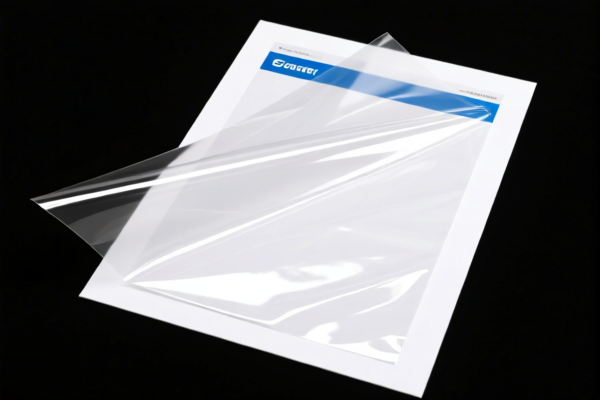
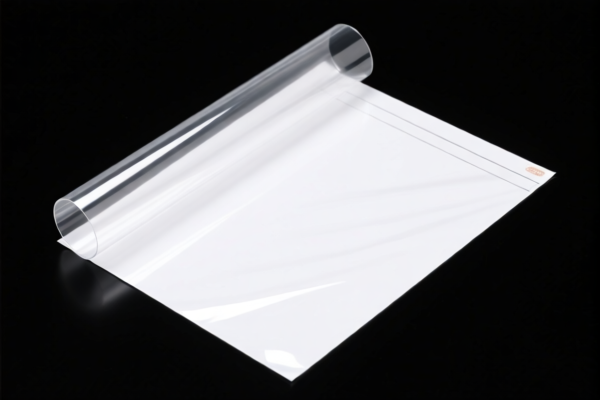
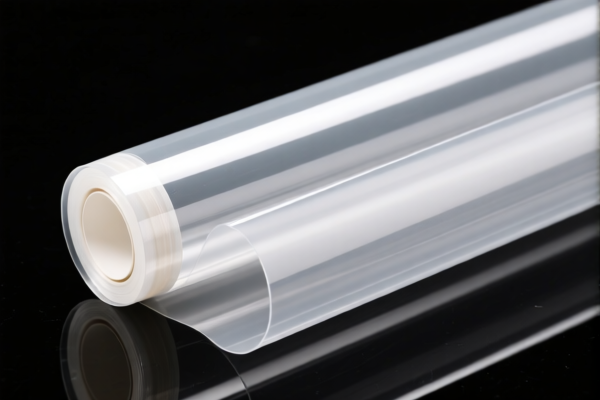
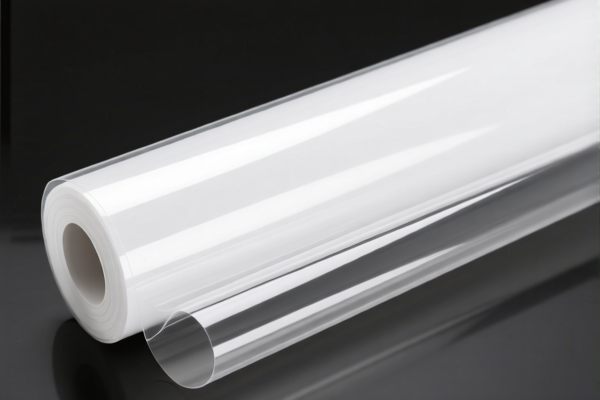
AI Analysis
🛡️ Transparent Tape Protective Film (Polymers/Plastic Films)
🌐 HS Code Reference & Customs Clearance Guide | 2026 Latest Tariff Analysis | Professional Entry Strategy
📌 I. Product Definition & Classification: What Exactly Is "Protective Film"?
Transparent tape protective films are thin, self-adhesive or static-cling polymer sheets used to protect surfaces during manufacturing, transportation, or application. In international trade, they are classified based on their form (film vs. plate/sheet) and material composition (primarily plastic/polymers like PE, PP, PET).
⚠️ Key Classification Distinction:
- If the product is a thin, flexible roll primarily used for surface protection → It falls under Chapter 39 (Plastics and Articles Thereof), specifically Heading 3919 or 3920/3921.
- NOT textile or paper-based (unless explicitly stated, which is rare for "protective films" in this context).
- NOT adhesive tapes in the sense of "post-it" or "duct tape" (Heading 3506/3919) if it lacks significant adhesive backing or is used as a standalone protective layer.
📦 II. HS Code Classification Details (2026 Latest Tariff Authority Cross-Reference)
Based on the provided data, here are the five most likely HS Codes for "Transparent Tape Protective Film" imported into the United States (US) from China (CN), along with their tax implications.
| HS Code | Product Description & Logic | Total Tax Rate | Tax Detail Breakdown |
|---|---|---|---|
| 3919.10.20.55 | Self-Adhesive Plastic Films: Form matches film/film characteristics. Material inferred as plastic, fitting the characteristics under 3919 (Plastic self-adhesive tapes/films). | 40.8% | Base: 5.8% + Section 301: 25.0% + Section 122: 10% |
| 3921.19.00.90 | Plastic Plates, Sheets, Film, etc.: Matches form "film/sheet" and material "plastic," falling into the category of plastic plates, sheets, film, foil, and strip. | 41.5% | Base: 6.5% + Section 301: 25.0% + Section 122: 10% |
| 3920.99.10.00 | Other Plastic Plates, Sheets, etc.: Form fits film characteristics. Material inferred as plastic. Follows a "catch-all" logic for other specific plastic film categories not listed elsewhere. | 41.0% | Base: 6.0% + Section 301: 25.0% + Section 122: 10% |
| 3920.59.10.00 | Plastic Plates, Sheets, etc.: Form fits film requirements. Material inferred as polymer class. No conflict with other category material attributes. | 41.0% | Base: 6.0% + Section 301: 25.0% + Section 122: 10% |
| 3921.90.50.50 | Other Plates, Sheets, Film, etc.: Matches form "film" and material "plastic," fitting the classification logic for "other" plastic plates, sheets, film, foil, and strip. | 39.8% | Base: 4.8% + Section 301: 25.0% + Section 122: 10% |
🔍 Critical Observation:
- All five codes attract Section 301 Tariffs (25%) and Section 122 Tariffs (10%) due to China origin.
- The Base Tariff varies from 4.8% to 6.5%, leading to a total effective tax rate between 39.8% and 41.5%.
- 3919.10.20.55 is the most specific for self-adhesive films, while 3920/3921 are broader categories for plastic sheets/films.
💰 III. 2026 Latest Tariff Rate Breakdown (Including Additional Taxes)
✅ Applicable Country: United States (US)
✅ Country of Origin: China (CN)
✅ Effective Time: Current (2025-2026 Trade War Policies)
🎯 1. 3919.10.20.55 – Self-Adhesive Plastic Films (Most Likely for Tape-like Products)
| Item | Content |
|---|---|
| Base Tariff | 5.8% |
| Section 301 Tariff | +25.0% |
| Section 122 Tariff | +10.0% |
| Total Tax Rate | 40.8% |
| Calculation | CIF Value × 40.8% |
| De Minimis Exemption | ❌ Not Applicable (High risk of seizure/audit) |
| Legal Basis Path | HTSUS:3919.10.20.55 → USITC:301Footnote → USTR:122Footnote |
📌 Explanation:
- Section 301 (25%): Imposed on Chinese imports under the U.S. Trade Representative’s list of products affected by Section 301 of the Trade Act of 1974. Plastic films are widely listed.
- Section 122 (10%): Under Section 122 of the Trade Act of 1974, allowing the President to adjust tariffs to protect national security or improve the balance of payments. This has been applied to various Chinese goods.
- Base Tariff (5.8%): The standard Most Favored Nation (MFN) rate for self-adhesive plastic tapes/films.
🎯 2. 3921.19.00.90 – Plastic Plates, Sheets, Film, Foil, and Strip (Other)
| Item | Content |
|---|---|
| Base Tariff | 6.5% |
| Section 301 Tariff | +25.0% |
| Section 122 Tariff | +10.0% |
| Total Tax Rate | 41.5% |
| Calculation | CIF Value × 41.5% |
| De Minimis Exemption | ❌ Not Applicable |
📌 Note:
- This code is a "catch-all" for plastic sheets/films not specifically covered elsewhere. If your film is non-adhesive (static cling), this may be more appropriate than 3919.
🎯 3. 3920.99.10.00 & 3920.59.10.00 – Other Plastic Plates, Sheets, etc.
| Item | Content |
|---|---|
| Base Tariff | 6.0% |
| Section 301 Tariff | +25.0% |
| Section 122 Tariff | +10.0% |
| Total Tax Rate | 41.0% |
| Calculation | CIF Value × 41.0% |
📌 Note:
- These codes cover "other" plastic plates and sheets. If the film is rigid or semi-rigid, or if the material is a specific polymer not covered in 3921, these may apply.
🎯 4. 3921.90.50.50 – Other Plates, Sheets, Film, Foil, and Strip
| Item | Content |
|---|---|
| Base Tariff | 4.8% |
| Section 301 Tariff | +25.0% |
| Section 122 Tariff | +10.0% |
| Total Tax Rate | 39.8% |
| Calculation | CIF Value × 39.8% |
📌 Note:
- This has the lowest total tax rate (39.8%) among the options, but only if your product qualifies under this specific "other" category. This requires precise material and form verification.
🛠️ IV. Customs Clearance Practical Advice (Battle-Tested Pitfall Guide)
✅ 1. Documentation Checklist (Non-Negotiable)
| Document | Required | Description |
|---|---|---|
| ✅ Product Spec Sheet | ✔️ | Must detail: Material (e.g., PE, PP), Thickness (microns/mil), Adhesive type (if any), Width, Length. |
| ✅ Commercial Invoice | ✔️ | Clearly state: "Transparent Protective Film," HS Code, Country of Origin (China), Value. |
| ✅ Packing List | ✔️ | Show packaging details (rolls, cores, shrink wrap). |
| ✅ Certificate of Origin | ✔️ | Essential for proving China origin (triggers 301/122 tariffs). |
| ✅ Material Safety Data Sheet (MSDS) | ✔️ | If chemical components are listed, ensure compliance. |
| ✅ Photos | ✔️ | Clear images of the product, label, and packaging. |
✅ 2. Declaration Tips (Key Mantras)
🔥 “Be Specific, Be Accurate, Avoid Ambiguity!”
| Scenario | Correct Declaration | Wrong Declaration |
|---|---|---|
| Adhesive Protective Tape | "Self-Adhesive Plastic Film, PE, Width 12mm, for Surface Protection" | "Tape" (Too vague, may trigger higher scrutiny) |
| Non-Adhesive Static Cling Film | "Non-Adhesive Plastic Film, PET, for Protection" | "Plastic Sheet" (May be misclassified as rigid) |
| Bulk Rolls | "Protective Film Rolls, Not Cut" | "Film Pieces" (Misleading) |
| High-Value Custom Film | "Custom-Made Protective Film, Spec Sheet Attached" | "General Film" (Risk of audit) |
✅ 3. Special Cases
| Case | Handling Advice |
|---|---|
| OEM/Custom Film | Provide client’s tech sheet to justify specific HS code (e.g., 3919 vs. 3920). |
| Mixed Shipments | If protective film is mixed with other goods, declare separately to avoid misclassification of the entire shipment. |
| Sample Shipments | Even samples are subject to tariffs. Do not declare as "Free Sample" to evade duties. |
| Re-Export | If using in a foreign trade zone, consider FTZ benefits to defer duties. |
🌍 V. Global Market Comparison (2026 Latest)
| Country/Region | Recommended HS Code | Tariff (China Origin) | Certification Required | Notes |
|---|---|---|---|---|
| 🇺🇸 USA | 3919.10.20.55 |
40.8% | N/A | High tariffs due to Section 301/122. |
| 🇨🇳 China | 3919.10.20.55 |
~5-6% | CCC (if applicable) | No 301 tariffs. |
| 🇪🇺 EU | 3919.10.00 |
~6.5% | CE (if applicable) | No 301 tariffs. |
| 🇬🇧 UK | 3919.10.00 |
~6.5% | UKCA | Post-Brexit rules apply. |
| 🇯🇵 Japan | 3919.10.00 |
~6.0% | PSE (if electrical) | FTAs may apply. |
📌 Conclusion:
- USA is the most expensive market for Chinese plastic protective films due to layered tariffs.
- Consider supply chain diversification (e.g., producing in Vietnam or Thailand) to mitigate US tariffs, if feasible.
📌 VI. Common Errors & Pitfalls (Lessons Learned)
❌ Error 1: Declaring as "Plastic Sheet" instead of "Film"
👉 Consequence: Misclassification → Delayed customs clearance, potential penalties.
❌ Error 2: Ignoring Adhesive Nature
👉 Consequence: If adhesive, it should be 3919. If declared as non-adhesive 3920, customs may reclassify and add tariffs.
❌ Error 3: Not Specifying Material
👉 Consequence: Customs may assign the highest applicable tariff rate or require additional testing.
❌ Error 4: Using "General Merchandise" Description
👉 Consequence: Increases audit risk. Always provide detailed product specs.
✅ Correct Approach:
"Transparent Self-Adhesive Protective Film, Polyethylene (PE), 25 microns, 12mm Width, 1000m Length, for Electronic Device Protection"
🎯 VII. Conclusion: Precise Classification Saves Money!
🎯 Remember the Mantra:
🔹 "Adhesive? Go to 3919. Non-Adhesive? Check 3920/3921."
🔹 "China Origin? Expect 35%+ in Tariffs."
🔹 "Detail is King! Vague Descriptions = Audits."
📌 Pro Tip:
If your protective film is originating from Vietnam, Malaysia, or Thailand, you may avoid US Section 301 tariffs. Ensure your Certificate of Origin reflects the correct country of manufacture.
📣 Immediate Action:
📞 Consult with a licensed customs broker.
📄 Provide full product specifications.
📝 Apply for a Binding Ruling from US Customs if your product is unique.
✨ Professional clearance starts with accurate classification!
💼 Your profit margin depends on getting the HS Code right!
Customer Reviews
About HS Code Classification
The Harmonized System (HS) is an internationally standardized nomenclature developed by the World Customs Organization (WCO) to classify traded products. Over 200 countries use the HS system as the basis for customs tariffs, trade statistics, and import/export regulations.
Each HS code follows a hierarchical structure:
- Chapter (2 digits) — Broad category of goods (e.g., Chapter 84: Machinery and Mechanical Appliances)
- Heading (4 digits) — More specific grouping within the chapter
- Subheading (6 digits) — Internationally standardized breakdown, used by all WCO member countries
- National subdivisions (8-10 digits) — Country-specific extensions for further classification, such as US HTSUS 10-digit codes
Correct HS code classification is essential for smooth customs clearance, accurate duty payment, and compliance with trade regulations. Misclassification can lead to customs delays, overpayment of duties, or penalties.
When importing from CN to US, the applicable tariff rates may include:
- Most-Favored-Nation (MFN) rate — The standard duty rate applied to WTO members
- General rate — Applied to countries without trade agreements
- Trade remedy duties — Additional tariffs such as Section 301 (anti-dumping), Section 232 (national security), or countervailing duties
The information provided on this page is for reference purposes only. For official classification, please consult with your local customs authority or a licensed customs broker.