Transparent Wall Panel Material
CN → US| HS Code | Tariff Rate | Origin | Destination | Doc |
|---|---|---|---|---|
| 7016905000 | 40.0% | CN | US | Official Doc |
| 3918102000 | 40.3% | CN | US | Official Doc |
| 7016901050 | 43.0% | CN | US | Official Doc |
| 3920515090 | 41.5% | CN | US | Official Doc |
| 3920610000 | 40.8% | CN | US | Official Doc |
Product Images
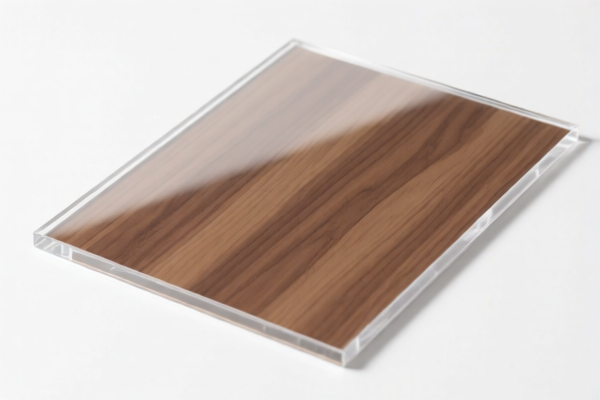
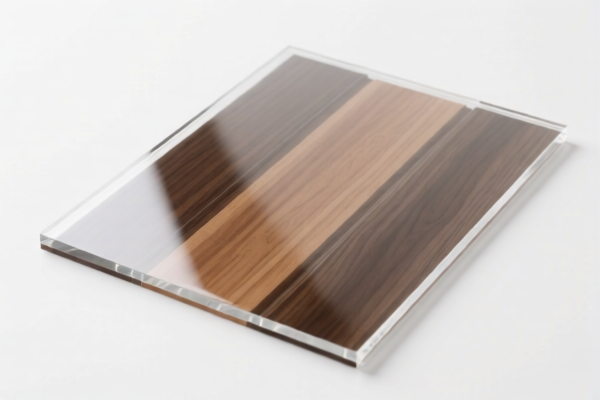
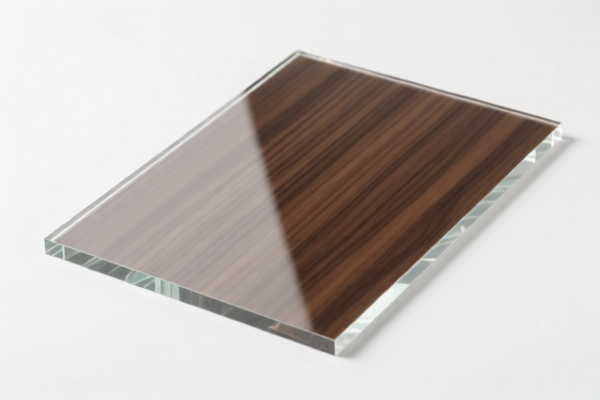
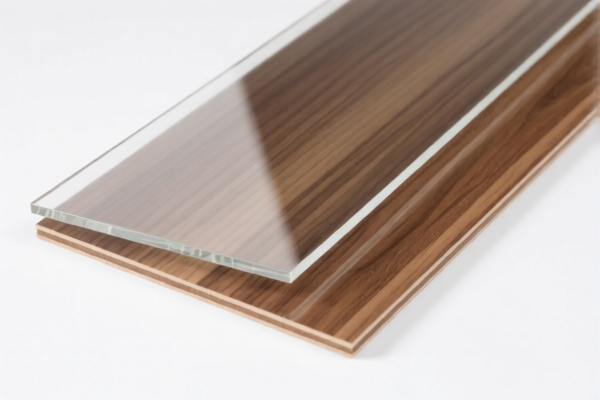
AI Analysis
🧱 Transparent Wall Panel Material: HS Code Classification & US Customs Clearance Guide
🌐 HS Code Reference & Clearance Guide | 2026 Latest Tariff Analysis | Professional Customs Strategy
📌 I. Product Definition & Classification: What is "Transparent Wall Panel Material"?
In international trade, "Transparent Wall Panel Material" is a generic description that lacks specific material and structural details. Because customs classification depends heavily on Material Composition and Form, this single product name can map to multiple HS Codes depending on whether the panel is made of Glass, Acrylic (PMMA), Polycarbonate (PC), or PVC.
⚠️ Critical Distinction Points: - Glass-based panels → Classified under Chapter 70 (Glass). - Plastic-based panels (PVC, PMMA, PC) → Classified under Chapter 39 (Plastics). - Form Factor: Must be in sheets, plates, or blocks ("Building Material" form).
📦 II. HS Code Classification Matrix (2026 Latest Tariff Authority Cross-Reference)
Based on the provided data, here are the 5 most likely HS Code classifications for "Transparent Wall Panel Material," ranging from Glass to various Plastics.
| HS Code | Product Description | Material Inference | Form/Structure | Key Classification Logic |
|---|---|---|---|---|
7016.90.50.00 |
Other Glass Sheets/Blocks for Building | Glass (inferred from "Transparent") | Sheets/Blocks | Matches "sheet/block" shape; "Transparent" + "Wall Panel" implies glass. No material conflict. |
7016.90.10.50 |
Other Glass Products for Building | Glass (inferred from "Transparent") | Sheets/Blocks | Matches "transparent medium" and "sheet-like" attributes for building materials. |
3918.10.20.00 |
Wall Coverings of Plastics | PVC (inferred from common wall panels) | Sheets/Wall Coverings | Matches "wall covering" usage; "Transparent" implies plastic material like PVC. |
3920.51.50.90 |
Plates/Sheets of Polymers of Methyl Methacrylate | Acrylic (PMMA) | Sheets/Plates | "Transparent" + "Wall Panel" often = Acrylic. Classified under "Other" if no flame retardant specified. |
3920.61.00.00 |
Plates/Sheets of Polycarbonate | Polycarbonate (PC) | Sheets/Plates | "Transparent" + "Building Material" = PC. PC is common for durable transparent wall panels. |
🔍 Key Reminder: - If the product is Glass, it MUST be classified under 7016.xx. - If the product is Plastic, the specific polymer (PVC, PMMA, PC) determines the subheading. - Misclassification Risk: Declaring PC as PVC, or Glass as Plastic, will lead to duty discrepancies and potential audits.
💰 III. 2026 Latest Tariff Rate Breakdown (Including Surcharges & Policy Add-ons)
✅ Applicable Country: United States (US)
✅ Country of Origin: China (CN)
✅ Effective Time: 2025 November 10 onwards (including subsequent imports)
🎯 1. Glass-Based Classifications (HS Code 7016)
A. 7016.90.50.00 – Other Glass Sheets/Blocks for Building
| Item | Details |
|---|---|
| Base Tariff | 5.0% |
| Section 301 Surcharge | +25.0% |
| Section 122 Surcharge | +10.0% |
| Total Tariff Rate | 40.0% |
| Tax Calculation | CIF Value × 40.0% |
| De Minimis Exemption | ❌ Not Eligible (High tariff rates usually disqualify de minimis) |
| Legal Basis Path | Base Tariff → Section 301 (Footnote) → Section 122 (IEEPA) |
📌 Explanation: - Base 5%: Standard MFN rate for glass building materials. - Section 301 (25%): USITC additional duties on Chinese goods. - Section 122 (10%): Additional duties under IEEPA for specific Chinese imports. - Total: 40%. This is a high-duty item. Cost planning must include this full rate.
B. 7016.90.10.50 – Other Glass Products for Building
| Item | Details |
|---|---|
| Base Tariff | 8.0% |
| Section 301 Surcharge | +25.0% |
| Section 122 Surcharge | +10.0% |
| Total Tariff Rate | 43.0% |
| Tax Calculation | CIF Value × 43.0% |
| De Minimis Exemption | ❌ Not Eligible |
| Legal Basis Path | Base Tariff → Section 301 → Section 122 |
📌 Note: - Slightly higher base rate (8%) than the other glass code. - Total 43% makes this the most expensive option if the product falls here. Ensure the specific glass type is correctly identified.
🎯 2. Plastic-Based Classifications (HS Code 3918/3920)
C. 3918.10.20.00 – Wall Coverings of Plastics (PVC)
| Item | Details |
|---|---|
| Base Tariff | 5.3% |
| Section 301 Surcharge | +25.0% |
| Section 122 Surcharge | +10.0% |
| Total Tariff Rate | 40.3% |
| Tax Calculation | CIF Value × 40.3% |
| De Minimis Exemption | ❌ Not Eligible |
| Legal Basis Path | Base Tariff → Section 301 → Section 122 |
📌 Note: - Often used for PVC wall panels. - Total 40.3%. Similar to glass, high duty burden.
D. 3920.51.50.90 – Plates/Sheets of Polymers of Methyl Methacrylate (Acrylic)
| Item | Details |
|---|---|
| Base Tariff | 6.5% |
| Section 301 Surcharge | +25.0% |
| > Section 122 Surcharge | +10.0% |
| Total Tariff Rate | 41.5% |
| Tax Calculation | CIF Value × 41.5% |
| De Minimis Exemption | ❌ Not Eligible |
| Legal Basis Path | Base Tariff → Section 301 → Section 122 |
📌 Note: - Acrylic (PMMA) is common for transparent panels. - Total 41.5%. Higher than PVC, lower than high-base glass. - If the product contains flame retardants, it might move to a different subheading, but based on current data, this is the "Other" category.
E. 3920.61.00.00 – Plates/Sheets of Polycarbonate (PC)
| Item | Details |
|---|---|
| Base Tariff | 5.8% |
| Section 301 Surcharge | +25.0% |
| Section 122 Surcharge | +10.0% |
| Total Tariff Rate | 40.8% |
| Tax Calculation | CIF Value × 40.8% |
| De Minimis Exemption | ❌ Not Eligible |
| Legal Basis Path | Base Tariff → Section 301 → Section 122 |
📌 Note: - Polycarbonate (PC) is known for high impact resistance. - Total 40.8%. A middle-ground rate among plastic options.
🛠️ IV. Customs Clearance Practical Advice (Real-World Pitfall Avoidance)
✅ 1. Documentation Checklist (Mandatory for US Import)
| Document | Required | Description |
|---|---|---|
| ✅ Product Specification Sheet | ✔️ | Must specify: Material (Glass/PVC/PMMA/PC), Thickness, Dimensions, Transparency Level. |
| ✅ Material Composition Certificate | ✔️ | Crucial: Proves whether it is Glass (Chapter 70) or Plastic (Chapter 39). |
| ✅ Commercial Invoice | ✔️ | Clearly state: "Transparent Wall Panel Material, Material: [Glass/PMMA/PC/PVC], HS Code: [XXX]". |
| ✅ Packing List | ✔️ | Detail packaging to ensure proper handling and value declaration. |
| ✅ Third-Party Test Report | ✔️ | Important for Plastic: If claiming Acrylic or PC, provide test reports to confirm polymer type. If claiming Glass, provide density/refractive index if challenged. |
| ✅ Country of Origin Certificate | ✔️ | Required for Section 301 and 122 duty application. |
✅ 2. Declaration Strategy (Key Mantra)
🔥 "Material First, Form Second, Name Precise, Tax Clear!"
| Scenario | Correct Declaration | Wrong Practice |
|---|---|---|
| Glass Panels | "Glass Wall Panel, Transparent, for Building" | Declare as "Plastic Panel" → Severe Misclassification Penalty |
| Acrylic Panels | "PMMA (Acrylic) Wall Panel, Transparent" | Declare as "PC Panel" → Wrong Base Rate (6.5% vs 5.8%) & Potential Audit |
| PVC Panels | "PVC Wall Covering, Transparent" | Declare as "Glass" → Wrong Chapter (39 vs 70) |
| Composite Materials | Specify the principal material | Vague "Wall Panel" → Customs may reject or reclassify |
✅ 3. Special Case Handling
| Situation | Handling Advice |
|---|---|
| OEM Custom Panels | Provide customer specs + material safety data sheet (MSDS) to prove composition. |
| Transparent + Color Tinted | Still classified under the same material, but specify "Tinted" in description. Does not change HS Code typically. |
| With Flame Retardants | If Acrylic (PMMA) is flame-retardant, it might fall under a different subheading (not listed in current data). Verify with lab test. |
| Small Samples (< $800) | Do NOT rely on De Minimis. With 40%+ duties, the risk of seizure or high retroactive duties is too high. Declare formally. |
🌍 V. Global Market Clearance Comparison (2026 Latest)
| Country/Region | Recommended HS Code | Tariff (China Origin) | Certification Required | Notes |
|---|---|---|---|---|
| 🇺🇸 USA | 7016.xx or 3918/3920.xx |
40.0% – 43.0% | FDA (if food contact), Prop 65 (if CA) | High Duty Burden. Section 301 + 122 applies. |
| 🇨🇳 China | Same HS Codes | 5.0% – 8.0% | CCC (if applicable) | No additional surcharges. |
| 🇪🇺 EU | Same HS Codes | 0% – 6.5% | CE, REACH | No Section 301/122 equivalents. |
| 🇦🇺 Australia | Same HS Codes | 5.0% – 10.0% | RCM, Standards | No major surcharges. |
| 🇯🇵 Japan | Same HS Codes | 0% – 8.0% | PSE (if electrical) | No major surcharges. |
📌 Conclusion: - USA is the most challenging market due to the 40%+ total tariff rate. - Cost Benefit Analysis: Ensure your profit margin can absorb 40-43% duty. - Supply Chain: Consider sourcing from Vietnam, Mexico, or Thailand to potentially avoid Section 301/122 duties (if rules of origin are met).
📌 VI. Common Errors & Pitfall Guide (Lessons Learned)
❌ Error 1: Declaring "Transparent Wall Panel" as "Plastic" when it is actually Glass. 👉 Consequence: Misclassification under Chapter 39 instead of 70. Penalty + Back Duties + Delay.
❌ Error 2: Not specifying the Plastic Type (PVC vs. PMMA vs. PC). 👉 Consequence: Customs may assess the highest duty rate among the three (e.g., 41.5% if unsure between 40.3% and 40.8%) or issue a Notice of Action requiring lab testing.
❌ Error 3: Assuming "Transparent" means "Acrylic." 👉 Consequence: If it is Polycarbonate (PC), the base rate is 5.8% vs 6.5% for PMMA. Small difference, but accuracy matters for audits. If it is Glass, the error is huge.
✅ Correct Approach:
"Transparent Wall Panel Material, Made of Polycarbonate (PC), Sheet Form, 5mm Thick, Clear, For Interior Building Use, Model: TC-500, Origin: China"
🎯 VII. Conclusion: Professional Declaration, Cost Control & Efficiency
🎯 Remember the Mantra:
🔹 "Material Defines Code, Code Defines Tax, Tax Defines Profit!"
🔹 "Glass is 7016, Plastic is 39xx, Check the Base Rate!"
🔹 "Section 301 + 122 = 35% Extra, Plan for 40% Total!"
📌 Pro Tip:
If your wall panels are originally from Vietnam, Mexico, or Thailand, you may exempt from Section 301 and 122 duties. Recommendation: Apply for an Advance Ruling from US Customs and Border Protection (CBP) if the material composition is ambiguous. This avoids post-import audits and penalties.
📣 Immediate Action:
📞 Contact a Licensed Customs Broker + Provide Material Specs + Request HS Code Advance Ruling
🚀 Ensure Your Transparent Wall Panels, Clear Customs Smoothly, Maximize Profit Margins!**
✨ Professional Clearance Starts with Accurate Classification!
💼 Every Cent of Duty is Precise and Calculated!
Customer Reviews
About HS Code Classification
The Harmonized System (HS) is an internationally standardized nomenclature developed by the World Customs Organization (WCO) to classify traded products. Over 200 countries use the HS system as the basis for customs tariffs, trade statistics, and import/export regulations.
Each HS code follows a hierarchical structure:
- Chapter (2 digits) — Broad category of goods (e.g., Chapter 84: Machinery and Mechanical Appliances)
- Heading (4 digits) — More specific grouping within the chapter
- Subheading (6 digits) — Internationally standardized breakdown, used by all WCO member countries
- National subdivisions (8-10 digits) — Country-specific extensions for further classification, such as US HTSUS 10-digit codes
Correct HS code classification is essential for smooth customs clearance, accurate duty payment, and compliance with trade regulations. Misclassification can lead to customs delays, overpayment of duties, or penalties.
When importing from CN to US, the applicable tariff rates may include:
- Most-Favored-Nation (MFN) rate — The standard duty rate applied to WTO members
- General rate — Applied to countries without trade agreements
- Trade remedy duties — Additional tariffs such as Section 301 (anti-dumping), Section 232 (national security), or countervailing duties
The information provided on this page is for reference purposes only. For official classification, please consult with your local customs authority or a licensed customs broker.