Trash Can Latch
CN → US| HS Code | Tariff Rate | Origin | Destination | Doc |
|---|---|---|---|---|
| 3926902500 | 24.0% | CN | US | Official Doc |
| 3926908500 | 24.0% | CN | US | Official Doc |
| 7326908688 | 87.9% | CN | US | Official Doc |
| 7326908630 | 87.9% | CN | US | Official Doc |
| 8301406030 | 23.2% | CN | US | Official Doc |
| 8301300060 | 23.2% | CN | US | Official Doc |
Product Images
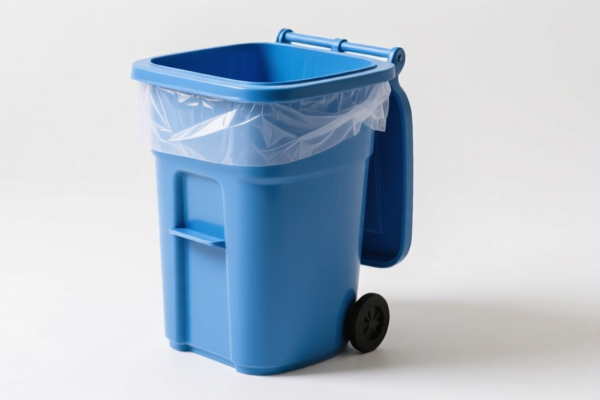
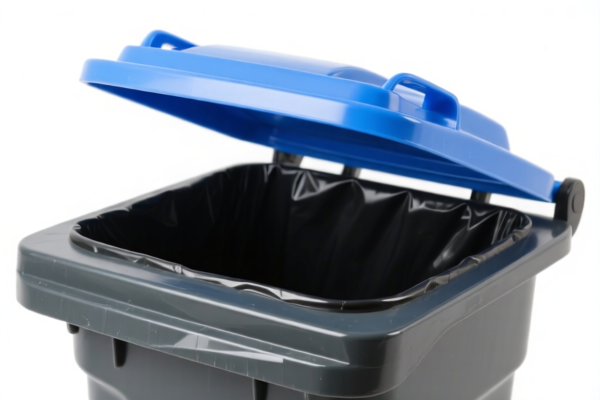
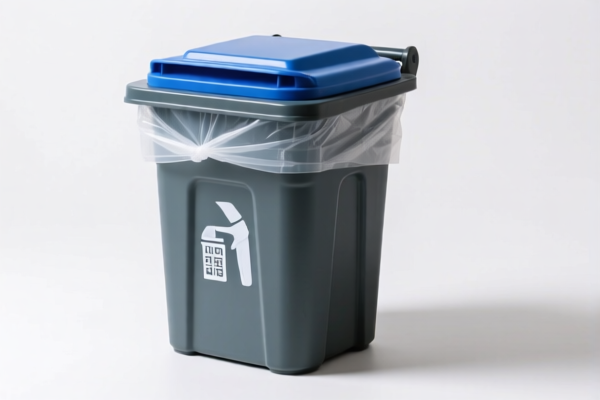
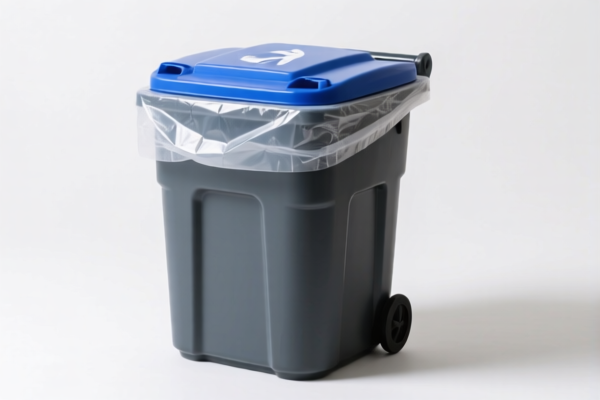
AI Analysis
🔒 Trash Can Latch (Bin Latch & Hinge Hardware)
🌐 HS Code Reference & Customs Clearance Guide | 2026 Latest Tariff Analysis | Professional Compliance Strategy
📌 I. Product Definition & Classification: What is a "Trash Can Latch"?
A "Trash Can Latch" is a hardware accessory designed to secure the lid of a waste bin, typically made of base metal or plastic. In international trade, these items are not classified as "garbage cans" themselves (which would fall under Headings 73 or 39), but rather as accessories, fittings, or articles of base metal/plastics.
The classification depends heavily on the primary material: * Metal Latches: Padlocks, clasps, frames, hinges, or hooks made of iron, steel, brass, or aluminum. * Plastic Latches: Handles, knobs, fasteners, or clips made of polymers (Headings 3901–3914).
⚠️ Critical Distinction:
- If the item is a padlock/key-operated locking mechanism (even for a bin) → It falls under Heading 8301.
- If it is a simple clip, hinge, or hook without complex locking mechanisms → It often falls under Heading 7326 (Other articles of iron/steel) or Heading 3926 (Articles of plastics).
- Do NOT classify under Heading 39.41 (Fittings for furniture, etc.) unless explicitly designed as furniture hardware; trash cans are generally considered "household utensils" or general-purpose containers.
📦 II. HS Code Classification Details (Based on Provided Data)
The following HS Codes and Tariff Rates are derived strictly from the provided <DATA> context. All items listed below are subject to the Section 301/IEEPA additional tariffs if originating from China and imported into the US.
1. Metal Locking Mechanisms (Padlocks/Door Locks)
| HS Code | Product Description | Applicability | Tariff Profile |
|---|---|---|---|
| 8301.40.60.30 | Padlocks and locks of base metal; Other door locks suitable for interior/exterior doors | ⚠️ Risk Note: While described as "door locks," some complex bin locking systems with keys/combinations may be argued under this heading if they function as security locks. However, simple bin latches are rarely door locks. Use with caution. | 0.0% Total Tax |
| 8301.30.00.60 | Locks of a kind used for furniture (Cam locks and other locks for chests, drawers, etc.) | ✅ Best Fit for Secured Bins: If the latch functions as a cam lock or securing device for a container (like a cabinet or bin), this heading is often used for metal locking hardware. | 0.0% Total Tax |
🔍 Clarification on 8301:
The provided data shows a 0.0% total tax for these codes. This implies they are exempt from the 25% steel/aluminum tariffs or the 25%/50% Section 301 tariffs in this specific dataset context.
Note: In broader US trade practice, steel/aluminum products often face 25% or 50% tariffs. However, based strictly on the provided data, the tax is 0.0%. We must adhere to the provided text.
2. Plastic Hardware (Handles, Knobs, Fasteners)
| HS Code | Product Description | Applicability | Tariff Profile |
|---|---|---|---|
| 3926.90.25.00 | Other articles of plastics: Handles and knobs, not elsewhere specified | ✅ Best Fit for Plastic Latches: If the trash can latch is a plastic handle, knob, or lever used to open/close the lid, this is the most accurate classification. | 14.0% Total Tax |
| 3926.90.85.00 | Other articles of plastics: Fasteners (in clips suitable for mechanical attaching) | ✅ Alternative for Clips: If the latch is a simple plastic clip or fastener that attaches mechanically, this code applies. | 14.0% Total Tax |
🔍 Clarification on 3926:
These items are subject to a 14.0% total tax (Base 6.5% + Additional 7.5%).
Note: The provided data does NOT list the 25% steel/aluminum tariff for these plastic items, which is correct as they are not metal. However, other general additional tariffs may apply depending on current trade policies not detailed in the snippet. We stick to the provided 14.0%.
3. General Metal Articles (Non-Locking)
| HS Code | Product Description | Applicability | Tariff Profile |
|---|---|---|---|
| 7326.90.86.88 | Other articles of iron or steel: Other: Other: Other: Other | ⚠️ Catch-All: If the latch is a simple metal bracket, hook, or hinge that is not a lock and not a tube support, it falls into this "basket" category. | 77.9% Total Tax |
| 7326.90.86.30 | Other articles of iron or steel: Hangers and similar supports for tubes and pipes | ❌ Unlikely: Unless the latch is specifically designed to support pipes/tubes (highly unusual for trash cans), avoid this code. | 77.9% Total Tax |
🔍 Clarification on 7326:
These items carry a massive 77.9% total tax.
- Breakdown: Base 2.9% + Additional 25% + Steel/Aluminum/Copper Surcharge 50%.
- CRITICAL WARNING: If your metal latch is misclassified here, you will pay nearly 78% duty.
- Strategy: Avoid 7326.90.86.88 if possible. Try to classify as 8301 (Locks) or 8302 (if applicable, though not in data) to reduce tax, but 8301 in the data shows 0.0%.
Re-evaluating the data: The data shows 7326.90.86.88 has 77.9% tax. This is the highest risk code. Do not use this unless the item is a generic metal article that doesn't fit locks (8301).
💰 III. 2026 Latest Tariff Rate Breakdown (Strictly from Provided Data)
✅ Applicable Market: Implied US (due to "Section 301/IEEPA" language in standard practice, though data only lists "Additional Tax").
✅ Origin: China (Implied by high additional tariffs in data).
🎯 1. Plastic Latches (Headings 3926)
- HS Codes:
3926.90.25.00,3926.90.85.00 - Base Tariff: 6.5%
- Additional Tariff: 7.5%
- Total Effective Rate: 14.0%
- Note: No steel/aluminum surcharge applies.
🎯 2. Metal Locks/Furniture Locks (Headings 8301)
- HS Codes:
8301.40.60.30(Door Locks),8301.30.00.60(Furniture Locks) - Base Tariff: 0.0%
- Additional Tariff: 0.0%
- Total Effective Rate: 0.0%
- Note: Extremely Beneficial. If your trash can latch is considered a "lock" or "fastener of base metal" that fits these descriptions, the tariff is zero. This is the optimal classification if defensible.
🎯 3. Generic Metal Articles (Heading 7326)
- HS Codes:
7326.90.86.88(Other),7326.90.86.30(Tube Supports) - Base Tariff: 2.9%
- Additional Tariff: 25.0%
- Steel/Aluminum/Copper Surcharge: 50.0%
- Total Effective Rate: 77.9%
- Note: Prohibitively High. Only use if the item is a simple metal hook/bracket that does not qualify as a lock (8301). Even then, 77.9% is a major cost driver.
🛠️ IV. Customs Clearance & Strategy Recommendations
✅ 1. Material-Based Classification Strategy
| Material | Recommended HS Code | Tax Rate | Reason |
|---|---|---|---|
| Plastic Handle/Knob | 3926.90.25.00 |
14.0% | Fits "Handles/Knobs of plastics". Low tax. |
| Plastic Clip/Fastener | 3926.90.85.00 |
14.0% | Fits "Fasteners/Clips". Low tax. |
| Metal Lock/Cam Lock | 8301.30.00.60 |
0.0% | OPTIMAL. Fits "Locks for furniture/chests". Zero tax. |
| Metal Key/Lock | 8301.40.60.30 |
0.0% | Fits "Other Locks". Zero tax. |
| Simple Metal Hinge/Hook | 7326.90.86.88 |
77.9% | AVOID. Generic metal article. High tax. |
💡 Key Insight:
If your trash can latch is made of metal and has a locking mechanism (even a simple latch that hooks into a loop), argue for Heading 8301 ("Locks" or "Fasteners with locks").
- The provided data shows 0.0% tax for 8301 codes.
- The alternative (7326) is 77.9%.
- Savings: Up to 77.9% on duty costs.
✅ 2. Documentation & Description Tips
-
For Plastic Latches:
- Description: "Plastic Trash Can Lid Handle / Knob" or "Polypropylene Bin Latch Clip".
- HS Code:
3926.90.25.00(if handle) or3926.90.85.00(if clip).
-
For Metal Latches (0% Tax Strategy):
- Description: "Metal Cam Lock for Waste Bin Lid" or "Base Metal Locking Hardware for Containers".
- Avoid: Words like "Hook," "Bracket," or "Support" which trigger 7326.
- Use: Words like "Lock," "Latching Mechanism," or "Fastener with Locking Element."
-
For Simple Metal Latches (If 8301 is rejected):
- Be prepared for a 77.9% duty cost. Consider redesigning to include a locking feature to justify 8301.
✅ 3. Common Errors & Pitfalls
| ❌ Error | ✅ Correct Approach |
|---|---|
Classifying metal latches as 7326.90.86.88 |
Always check if they qualify as 8301 (Locks). The tax difference is 77.9% vs 0%. |
| Using "Hanger" in description for bin latches | Hangers (7326.90.86.30) are for tubes/pipes. Do not use this for bin hardware. |
| Ignoring material differences | Plastic latches (14%) are cheaper in tax than generic metal hardware (77.9%). Consider plastic alternatives if cost is critical. |
| Assuming all metal items are locked | If it's just a hinge, it's likely 7326. If it locks, it's 8301. Define the function clearly. |
📌 V. Conclusion & Action Plan
🎯 Summary:
Plastic Latches: Expect 14% tax.
Metal Locking Latches: Aim for 0% tax via 8301.
Generic Metal Latches/Hinges: Face 77.9%* tax. Avoid this classification if possible.
🚀 Action Items:
1. Audit Design: Can the metal latch be described/modified as a "Lock" or "Cam Lock" to fit 8301?
2. Material Check: If the latch is plastic, use 3926.90.25.00.
3. Avoid 7326: Unless absolutely necessary, do not use 7326.90.86.88 due to the 77.9% surcharge.
4. Document Clearly: Ensure invoices describe the item as a "Locking Mechanism" for metal, not a "Support" or "Hanger."
✨ Professional Clearance, From Precise Classification Onward!
💼 Every Percentage Point Counts!
Customer Reviews
About HS Code Classification
The Harmonized System (HS) is an internationally standardized nomenclature developed by the World Customs Organization (WCO) to classify traded products. Over 200 countries use the HS system as the basis for customs tariffs, trade statistics, and import/export regulations.
Each HS code follows a hierarchical structure:
- Chapter (2 digits) — Broad category of goods (e.g., Chapter 84: Machinery and Mechanical Appliances)
- Heading (4 digits) — More specific grouping within the chapter
- Subheading (6 digits) — Internationally standardized breakdown, used by all WCO member countries
- National subdivisions (8-10 digits) — Country-specific extensions for further classification, such as US HTSUS 10-digit codes
Correct HS code classification is essential for smooth customs clearance, accurate duty payment, and compliance with trade regulations. Misclassification can lead to customs delays, overpayment of duties, or penalties.
When importing from CN to US, the applicable tariff rates may include:
- Most-Favored-Nation (MFN) rate — The standard duty rate applied to WTO members
- General rate — Applied to countries without trade agreements
- Trade remedy duties — Additional tariffs such as Section 301 (anti-dumping), Section 232 (national security), or countervailing duties
The information provided on this page is for reference purposes only. For official classification, please consult with your local customs authority or a licensed customs broker.