Travel Bags
CN → US| HS Code | Tariff Rate | Origin | Destination | Doc |
|---|---|---|---|---|
| 6307909891 | 24.5% | CN | US | Official Doc |
| 4202923131 | 52.6% | CN | US | Official Doc |
| 6307909875 | 24.5% | CN | US | Official Doc |
| 3923290000 | 38.0% | CN | US | Official Doc |
| 3923900080 | 38.0% | CN | US | Official Doc |
Product Images

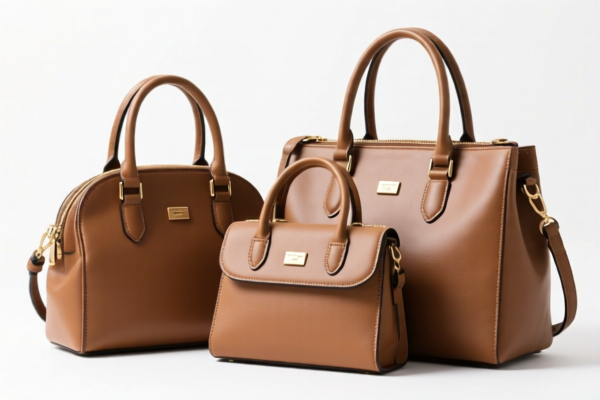

AI Analysis
🧳 Travel Bags (Luggage & Storage Solutions)
🌐 HS Code Reference & Customs Clearance Guide | 2024 Latest Tariff Analysis | Strategic Compliance Strategy
📌 1. Product Definition & Classification: What Exactly Are "Travel Bags"?
Travel bags are a broad category of goods designed for transporting personal items during transit. In international trade, they are not a single unified commodity but are strictly classified based on their material composition and specific function. Misclassification is the most common cause of customs delays and unexpected duties.
⚠️ Key Classification Logic:
- Textile/Fabric Based: Soft-sided bags, duffels, and garment bags fall under Chapter 63 (Other Made Up Textile Articles) or Chapter 42 (Articles of Leather/Travel Goods).
- Plastic/Synthetic Based: Rigid containers, plastic pouches, or non-woven fabric bags often fall under Chapter 39 (Plastics).
- Critical Distinction: The difference between "Travel Goods" (Ch. 42) and "Other Made-Up Textile Articles" (Ch. 63) often hinges on whether the item is considered a "suitcase/travel bag" proper or a generic "storage pouch/bag."
📦 2. HS Code Classification Details (Based on Provided Data)
| HS Code | Product Description & Logic | Primary Material Inference | Total Tax Rate |
|---|---|---|---|
| 6307.90.98.91 | Other Made-Up Textile Articles (Catch-all) Classified as finished consumer goods; inferred as textile material under the "other finished articles" residual category. |
Textile Fabric | 24.5% |
| 4202.92.31.31 | Travel Goods / Travel Bags Matches the specific use case (travel) and morphology of bags; inferred to have an outer surface of textile material. |
Textile Outer | 52.6% |
| 6307.90.98.75 | Other Made-Up Textile Articles (Catch-all) Belongs to finished consumer bag category; follows the residual logic for other finished goods; inferred as textile material. |
Textile Fabric | 24.5% |
| 3923.29.00.00 | Plastic Sacks/ Bags & Pouches Morphology fits the characteristic of sacks/bags; inferred material is plastic or synthetic fiber; classified under "Other Plastic Articles." |
Plastic/Synthetic | 38.0% |
| 3923.90.00.80 | Plastic Articles for conveyance/packaging Belongs to packaging supplies/container category; inferred material is plastic or synthetic fiber; classified under the "other" residual category. |
Plastic/Synthetic | 38.0% |
🔍 Critical Analysis of the Data Source:
- The data presents a significant divergence in tax liability:
- Lowest Duty (24.5%): Applies if the bag is classified broadly as a "textile accessory" (HS 6307). This is a common strategy for non-rigid, generic travel pouches or organizers that do not meet the strict definition of "luggage."
- Highest Duty (52.6%): Applies if the item is strictly defined as "Travel Goods" (HS 4202). This classification triggers the highest tariffs because it is specifically targeted as a consumer travel item.
- Mid-Range Duty (38.0%): Applies if the bag is made of plastic or synthetic materials (HS 3923). This captures rigid plastic luggage or soft plastic storage sacks.
💰 3. 2024 Latest Tariff Rate Breakdown (Including Surtaxes)
✅ Applicable Country: United States (US)
✅ Origin: China (CN)
✅ Effective Date: Current Trade War Tariffs Apply
🎯 1. 6307.90.98.91 & 6307.90.98.75 —— Textile-Based "Other" Bags
These codes share the same tax structure. Classification here is strategic—often used for items like packing cubes, shoe bags, or non-rigid toiletry kits.
| Item | Detail |
|---|---|
| Base Tariff | 7.0% |
| Section 301 Surtax | 7.5% |
| Section 122 Tariff | 10.0% |
| Total Effective Rate | 24.5% |
| Calculation Basis | CIF Value × 24.5% |
| De Minimis Exemption? | ❌ No (Denied for China-origin goods under Section 301) |
| Legal Basis Path | USITC:6307.90.98 → Section 301 Footnotes → Section 122 Specifics |
📌 Explanation:
- The 7.0% base is the standard Most Favored Nation (MFN) rate for other made-up textile articles.
- The 7.5% Section 301 surtax applies to specific Chinese textile imports.
- The 10% Section 122 tariff is a specific trade remedy duty often applied to steel/aluminum but can intersect with specific product lists or broader trade actions depending on the current enforcement landscape. Note: Ensure the specific 122 clause applies to your exact subheading; if not, the rate may vary.
🎯 2. 4202.92.31.31 —— Hard-Defined "Travel Goods"
This is the most "correct" classification for traditional suitcases, backpacks, and duffel bags designed for long-term travel. However, it carries the highest penalty.
| Item | Detail |
|---|---|
| Base Tariff | 17.6% |
| Section 301 Surtax | 25.0% |
| Section 122 Tariff | 10.0% |
| Total Effective Rate | 52.6% |
| Calculation Basis | CIF Value × 52.6% |
| De Minimis Exemption? | ❌ No |
| Legal Basis Path | USITC:4202.92.31 → Section 301 Footnotes → Section 122 Specifics |
📌 Warning:
- A 25% Section 301 surtax is the standard heavy penalty on Chinese travel goods.
- Combined with the 17.6% base and 10% Section 122, this creates a prohibitive duty rate.
- Strategy: Companies often attempt to classify softer, less structured items (like packing organizers) under 6307 to reduce the rate from 52.6% to 24.5%. However, this carries a high risk of customs audit if the item clearly functions as a suitcase.
🎯 3. 3923.29.00.00 & 3923.90.00.80 —— Plastic/Synthetic Bags
These apply to rigid plastic suitcases, dry bags, or plastic storage sacks.
| Item | Detail |
|---|---|
| Base Tariff | 3.0% |
| Section 301 Surtax | 25.0% |
| Section 122 Tariff | 10.0% |
| Total Effective Rate | 38.0% |
| Calculation Basis | CIF Value × 38.0% |
| De Minimis Exemption? | ❌ No |
| Legal Basis Path | USITC:3923.29/3923.90 → Section 301 Footnotes → Section 122 Specifics |
📌 Comparison:
- While the base tariff (3.0%) is low, the 25% Section 301 surtax significantly increases the cost.
- This is cheaper than textile travel goods (52.6%) but more expensive than generic textile bags (24.5%).
🛠️ 4. Customs Clearance Practical Advice (Real-World Pitfalls)
✅ 1. Material Declaration is Key
| Material | Recommended HS Code | Risk Level | Note |
|---|---|---|---|
| Fabric/Canvas/Nylon | 6307.90.98.91 / 4202.92.31.31 |
⚠️ High | Must prove it's NOT a "suitcase" to qualify for 24.5%. |
| Plastic/Rigid Shell | 3923.29.00.00 / 3923.90.00.80 |
✅ Medium | Clear material definition; avoid mixed materials if possible. |
| Leather/Vinyl Outer | 4202.92.31.31 |
⚠️ High | Triggers highest tax. Consider if fabric lining can be declared as outer surface. |
🔥 Pro Tip:
If your product is a "Packing Cube" or "Toiletry Bag", explicitly declare it as "Textile Storage Organizer" rather than "Travel Bag." Use HS 6307.90.98.91 (24.5%) instead of 4202 (52.6%).
Justification: It is an "other made-up textile article" for organization, not a primary vessel for clothing during transit.
✅ 2. Documentation Checklist
| Document | Requirement |
|---|---|
| Product Description | Be specific. e.g., "Nylon Packing Cube" vs. "Travel Bag." |
| Material Composition | List % of outer fabric, lining, and zippers. Customs will scrutinize the "outer surface." |
| Photos | Show the bag in use, closed, and open. Highlight that it lacks rigid structure (if claiming Ch. 63). |
| Function Statement | If claiming 6307, state: "Used for internal organization within luggage, not as primary luggage." |
✅ 3. Strategic Classification Recommendations
| Scenario | Recommended Action | Expected Tax |
|---|---|---|
| Soft-sided Duffel/Backpack | Attempt 6307.90.98.91 if structurally simple. If rigid frame/complex shape, accept 4202. | 24.5% (Risk) / 52.6% (Safe) |
| Plastic Hard Suitcase | Use 3923.29.00.00. | 38.0% |
| Silicone/Plastic Pouches | Use 3923.90.00.80. | 38.0% |
| Mixed Material (Fabric + Plastic Trim) | Declare primary material. If fabric >50%, consider 6307 or 4202 depending on morphology. | Varies |
🌍 5. Global Market Comparison (2024 Context)
| Market | Typical HS for Travel Bags | Approx. Duty (China Origin) | Notes |
|---|---|---|---|
| 🇺🇸 USA | 4202 or 6307 |
24.5% - 52.6% | High Section 301/122 tariffs. Classification strategy is critical. |
| 🇪🇺 EU | 4202 or 6307 |
4% - 12% | Lower base duties, but VAT applies (20%+). No Section 301 equivalents. |
| 🇨🇳 China (Import) | 4202 or 6307 |
5% - 20% | Varies by material. Generally lower than US. |
| 🇬🇧 UK | 4202 or 6307 |
4% - 12% | Post-Brexit rules apply. Check UK Global Tariff. |
📌 Conclusion:
The US market is the most challenging for Chinese-origin travel bags due to the叠加 (stacking) of Base, Section 301, and Section 122 tariffs.
Cost Optimization:
- Avoid4202.92.31.31(52.6%) if possible.
- Aim for6307.90.98.91(24.5%) by positioning products as organizers/accessories rather than primary luggage.
- Ensure your product design supports this distinction (e.g., no rigid handles, no wheels, soft structure).
📌 6. Common Errors & Pitfalls (Lessons Learned)
❌ Error 1: Declaring a rigid, wheeled suitcase as "Textile Bag" to get 24.5%.
👉 Consequence: Customs rejection, penalty, and potential retroactive duty of 52.6% + interest.
❌ Error 2: Ignoring Section 122 Tariff.
👉 Consequence: Underpayment. The 10% surtax is specific and must be accounted for in all calculations.
❌ Error 3: Using "Plastic" for fabric bags with plastic zippers.
👉 Consequence: Incorrect classification. The "outer surface" determines the chapter. Fabric outer = Ch. 63/42. Plastic outer = Ch. 39.
✅ Correct Strategy:
"Know your shape, know your material. Soft and flat? Maybe 6307. Rigid and rolling? 4202. Plastic? 3923. Don't gamble with 52.6%."
🎯 7. Final Recommendations
🎯 Key Takeaway:
Classification is not just about what it IS, but how you DEFINE it for customs.
- If you sell packing cubes, use 6307.90.98.91 (24.5%).
- If you sell duffel bags, you may be stuck with 4202 (52.6%) unless you can prove it falls under "other textile articles."
- If you sell hard-shell luggage, use 3923 (38.0%) or 4202 (52.6%) depending on material.
📌 Action Item:
- Review your product specifications.
- Determine the primary outer material.
- Assess the function (Primary Luggage vs. Organizer).
- Choose the HS Code that offers the lowest lawful duty.
- Prepare documentation to support that classification.
✨ Smart Classification, Lower Duties, Higher Profits!
💼 Don't let 52.6% eat your margin. Optimize your HS Code today.
Customer Reviews
About HS Code Classification
The Harmonized System (HS) is an internationally standardized nomenclature developed by the World Customs Organization (WCO) to classify traded products. Over 200 countries use the HS system as the basis for customs tariffs, trade statistics, and import/export regulations.
Each HS code follows a hierarchical structure:
- Chapter (2 digits) — Broad category of goods (e.g., Chapter 84: Machinery and Mechanical Appliances)
- Heading (4 digits) — More specific grouping within the chapter
- Subheading (6 digits) — Internationally standardized breakdown, used by all WCO member countries
- National subdivisions (8-10 digits) — Country-specific extensions for further classification, such as US HTSUS 10-digit codes
Correct HS code classification is essential for smooth customs clearance, accurate duty payment, and compliance with trade regulations. Misclassification can lead to customs delays, overpayment of duties, or penalties.
When importing from CN to US, the applicable tariff rates may include:
- Most-Favored-Nation (MFN) rate — The standard duty rate applied to WTO members
- General rate — Applied to countries without trade agreements
- Trade remedy duties — Additional tariffs such as Section 301 (anti-dumping), Section 232 (national security), or countervailing duties
The information provided on this page is for reference purposes only. For official classification, please consult with your local customs authority or a licensed customs broker.