Travel Handbag
CN → US| HS Code | Tariff Rate | Origin | Destination | Doc |
|---|---|---|---|---|
| 4202923120 | 52.6% | CN | US | Official Doc |
| 3923900080 | 38.0% | CN | US | Official Doc |
| 6307909891 | 24.5% | CN | US | Official Doc |
| 4202923131 | 52.6% | CN | US | Official Doc |
| 6307909875 | 17.0% | CN | US | Official Doc |
Product Images
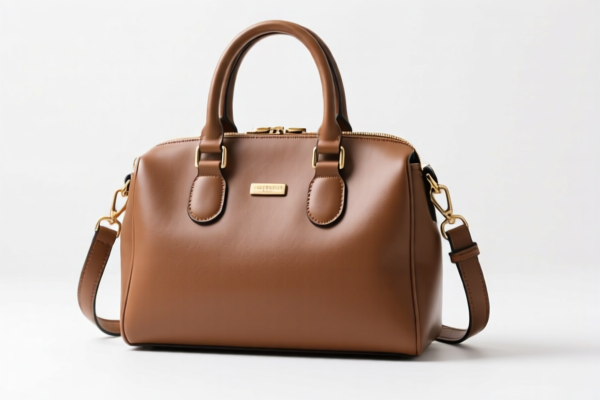
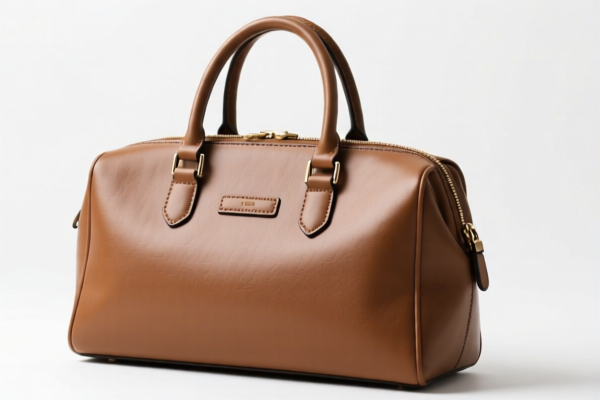
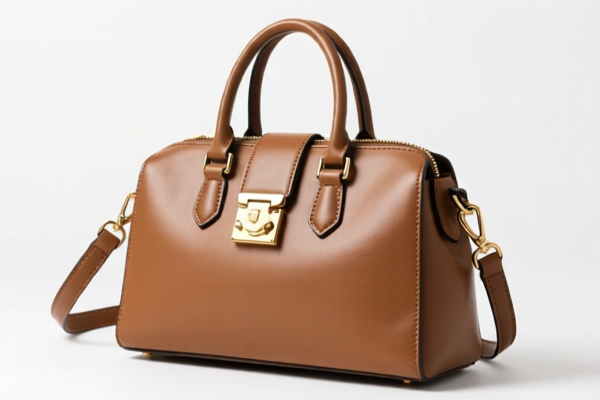
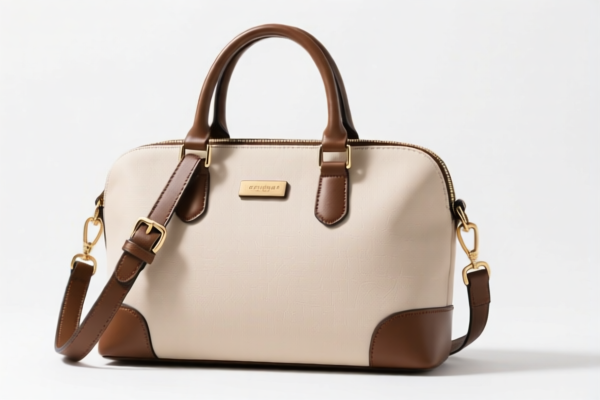
AI Analysis
👜 Travel Handbag / Travel Organizer
🌐 HS Code Reference & Clearance Guide | 2026 Latest Tariff Analysis | Professional Clearance Strategy
📌 I. Product Definition & Classification: What is a "Travel Handbag"?
A "Travel Handbag" in international trade is a broad category. It typically refers to packing cubes, cosmetic bags, toiletry kits, or small organizers designed specifically for travel, rather than full-sized luggage (suitcases) or fashion handbags.
Two Main Categories: 1. Textile/Fabric Organizers: Made from nylon, polyester, canvas, or cotton. Often classified as "other made-up textile goods" or "travel bags." 2. Plastic/Synthetic Packaging: Made from PVC, EVA, or other plastic films/materials. Often classified as "articles of plastic."
⚠️ Critical Distinction:
- If the item is a structured bag with handles/zippers intended to hold other items for travel → Likely Chapter 42 (Articles of Leather/Travel Goods).
- If the item is a simple pouch, sleeve, or packaging material without the characteristics of a handbag → Likely Chapter 39 (Plastics) or Chapter 63 (Other Textile Articles).
📦 II. HS Code Classification Details (2026 Latest Tariff Authority Comparison)
Based on the provided data, here are the possible HS Codes for "Travel Handbag" depending on material and design:
| HS Code | Product Description & Inference | Total Tax Rate | Tax Breakdown |
|---|---|---|---|
4202.92.31.20 |
Travel Packing Bag (Textile/Plastic Film). Belongs to "Travel/Luggage" category. Inferred material: Textile or Plastic Film. | 52.6% | Base: 17.6% + Section 301: 25.0% + Section 122: 10% |
3923.90.00.80 |
Travel Packing Bag (Packaging/Container). Belongs to "Plastic Articles." Inferred material: Plastic or Synthetic Fiber. | 38.0% | Base: 3.0% + Section 301: 25.0% + Section 122: 10% |
6307.90.98.91 |
Travel Packing Bag (Finished Consumer Good). Belongs to "Other Made-up Articles." Inferred material: Textile. | 24.5% | Base: 7.0% + Section 301: 7.5% + Section 122: 10% |
4202.92.31.31 |
Travel Packing Bag (Travel Goods). Matches "Travel Bag" use/form. Inferred outer material: Textile. | 52.6% | Base: 17.6% + Section 301: 25.0% + Section 122: 10% |
6307.90.98.75 |
Travel Packing Bag (Finished Consumer Good/Bag). Matches "Other Made-up Goods" catch-all. Inferred material: Textile. | 17.0% | Base: 7.0% + Section 301: 0.0% + Section 122: 10% |
🔍 Key Insight:
- Lowest Tax Rate:6307.90.98.75at 17.0% (if classified as a general textile finished good with no Section 301 surcharge).
- Highest Tax Rate:4202.92.31.20&4202.92.31.31at 52.6% (if classified as a "Travel Bag" under Chapter 42, which incurs the highest base duty).
- Material Matters: Plastic-based (3923...) is mid-range (38.0%). Textile-based varies widely (24.5% – 52.6%).
💰 III. 2026 Latest Tariff Rate Details (Including Surcharges)
✅ Applicable Country: United States (US)
✅ Origin: China (CN)
✅ Effective Date: Post-November 2025 (Includes subsequent imports)
🎯 1. 4202.92.31.20 & 4202.92.31.31 — Travel Goods (Textile/Plastic Film)
| Item | Content |
|---|---|
| Base Tariff | 17.6% (Ad Valorem) |
| Section 301 Surcharge | +25.0% (High Penalty) |
| Section 122 Surcharge | +10.0% (Specific to this classification) |
| Total Effective Rate | 52.6% |
| Tax Calculation | CIF Value × 52.6% |
| De Minimis Exemption | ❌ Not Eligible (High tax rate triggers strict scrutiny) |
| Legal Basis | USITC:4202.92.31.20 / 4202.92.31.31 → Section 301 → Section 122 |
📌 Explanation:
- Chapter 42 "Travel Goods" attracts the highest base duty (17.6%).
- Subject to full Section 301 (25%) due to Chinese origin.
- Total 52.6% is extremely high. This classification assumes the product is deemed a "Handbag/Travel Bag" rather than a simple accessory.
🎯 2. 3923.90.00.80 — Plastic Packaging/Articles
| Item | Content |
|---|---|
| Base Tariff | 3.0% |
| Section 301 Surcharge | +25.0% |
| Section 122 Surcharge | +10.0% |
| Total Effective Rate | 38.0% |
| Tax Calculation | CIF Value × 38.0% |
| De Minimis Exemption | ❌ Not Eligible |
| Legal Basis | USITC:3923.90.00.80 → Section 301 → Section 122 |
📌 Explanation:
- Lower base duty (3.0%) because it’s considered "Plastic Articles" or "Packaging."
- Still hits hard with Section 301 (25%) and Section 122 (10%).
- Suitable for EVA pouches, PVC cosmetic bags, or plastic travel organizers.
🎯 3. 6307.90.98.91 — Other Textile Articles (Finished Consumer Good)
| Item | Content |
|---|---|
| Base Tariff | 7.0% |
| Section 301 Surcharge | +7.5% (Reduced Rate?) |
| Section 122 Surcharge | +10.0% |
| Total Effective Rate | 24.5% |
| Tax Calculation | CIF Value × 24.5% |
| De Minimis Exemption | ❌ Not Eligible |
| Legal Basis | USITC:6307.90.98.91 → Section 301 (Partial?) → Section 122 |
📌 Explanation:
- Classified as a "Finished Consumer Good" (Textile).
- Note: The data shows Section 301 as 7.5% here, which is lower than the standard 25%. This may reflect a specific exclusion or adjusted rate for certain textile accessories.
- Significant Savings compared to Chapter 42.
🎯 4. 6307.90.98.75 — Other Textile Articles (Catch-all/Bin)
| Item | Content |
|---|---|
| Base Tariff | 7.0% |
| Section 301 Surcharge | 0.0% (Exempt/Not Applicable?) |
| Section 122 Surcharge | +10.0% |
| Total Effective Rate | 17.0% |
| Tax Calculation | CIF Value × 17.0% |
| De Minimis Exemption | ❌ Not Eligible |
| Legal Basis | USITC:6307.90.98.75 → Section 122 |
📌 Explanation:
- LOWEST TAX RATE at 17.0%.
- Applies if the item is seen as a "general textile accessory" rather than a "travel bag" or "packaging."
- Crucial Strategy: If your product is a simple fabric pouch/cube, try to argue it falls under this "Other Made-up Textile Articles" category to save 35.6% vs. Chapter 42.
🛠️ IV. Clearance Operational Advice (Practical Pitfall Guide)
✅ 1. Documentation Checklist (All Required)
| Document | Required | Description |
|---|---|---|
| ✅ Product Specification Sheet | ✔️ | Material composition (e.g., "100% Polyester," "EVA Material"), dimensions, usage. |
| ✅ Material Composition Declaration | ✔️ | Critical for distinguishing between Ch. 39 (Plastic) vs. Ch. 63 (Textile). |
| ✅ Product Photos | ✔️ | Clear shots of zippers, handles, and internal structure to prove it’s not a "luggage" item. |
| ✅ Commercial Invoice | ✔️ | Describe as "Travel Packing Cube" or "Toiletry Organizer," NOT "Handbag" or "Luggage." |
| ✅ Packing List | ✔️ | Item count, weight, dimensions. |
✅ 2. Classification Strategy (Key Tips)
🔥 "Don't call it a Bag, Call it an Organizer!"
| Scenario | Recommended HS Code | Risk |
|---|---|---|
| Structured Travel Bag with handles, lining, and branding | 4202.92.31.20 / 4202.92.31.31 |
⚠️ High Tax (52.6%). Avoid if possible. |
| PVC/EVA Cosmetic Pouch or Plastic Travel Kit | 3923.90.00.80 |
⚖️ Medium Tax (38.0%). Good for plastic items. |
| Simple Fabric Packing Cube (No rigid structure) | 6307.90.98.91 |
✅ Medium-Low Tax (24.5%). Better for textiles. |
| General Textile Accessory/Pouch (No travel-specific claim) | 6307.90.98.75 |
🏆 Lowest Tax (17.0%). Best strategy if product fits. |
✅ 3. Special Considerations
| Issue | Advice |
|---|---|
| "Handbag" vs. "Organizer" | Avoid using the word "Handbag" in invoices if it triggers Chapter 42. Use "Packing Cube," "Toiletry Bag," or "Travel Organizer." |
| Material Mix | If a bag has both plastic and textile parts, the essential character determines classification. Textile usually leads to Ch. 63 or 42; Plastic leads to Ch. 39. |
| Section 122 | Note that all listed codes include a 10% Section 122 surcharge. This is likely a specific tariff line for this product type regardless of base duty. |
| Pre-Ruling | Given the wide range (17% – 52.6%), apply for an Advance Ruling with CBP. Submit product samples and technical specs to get a binding decision. |
🌍 V. Global Market Comparison (2026 Latest)
| Country/Region | Recommended HS Code | Estimated Tax | Notes |
|---|---|---|---|
| 🇺🇸 USA | 6307.90.98.75 |
17.0% | Best option. Avoid Ch. 42 (4202...) due to 52.6%. |
| 🇺🇸 USA | 4202.92.31.20 |
52.6% | Worst option. High base + 301 + 122. |
| 🇪🇺 EU | Various | Varies | Generally lower base duties (2-6%) + VAT (19-27%). No Section 301/122. |
| 🇨🇳 China | Various | Varies | Import duties 5-10% + VAT 13%. No Section 301. |
📌 Conclusion:
- USA is the most challenging market due to Section 301 and Section 122 surcharges.
- Classification is key: Moving from4202(52.6%) to6307(17.0%) saves 35.6% in duties.
- Do NOT misdeclare: Deliberately misclassifying a "Travel Bag" as a "Textile Accessory" can lead to fines. Ensure the product description and physical characteristics support the lower tax classification.
📌 VI. Common Errors & Pitfalls (Blood & Tears Lessons)
❌ Error 1: Calling a "Packing Cube" a "Handbag"
👉 Consequence: CBP may reclassify to 4202, increasing tax from 17% to 52.6%.
👉 Fix: Use "Travel Organizer" or "Packing Cube" in description.
❌ Error 2: Ignoring Material Composition
👉 Consequence: If you declare "Textile" but it's 60% PVC, CBP will assess 3923 (38.0%) instead of 6307 (17.0-24.5%).
👉 Fix: Be accurate. If it's mostly plastic, embrace the 38.0% rate or redesign.
❌ Error 3: Assuming De Minimis Applies
👉 Consequence: Many travelers think packages under $800 are tax-free. With 10-52% duties, De Minimis often does not apply or is heavily scrutinized for Chinese origin.
👉 Fix: Plan for duty costs even in small shipments.
✅ Correct Practice:
"Textile Travel Packing Cube, 100% Polyester, No Hard Structure, For Luggage Organization, Model XYZ"
🎯 VII. Conclusion: Professional Classification Saves Money!
🎯 Remember the Mantra:
🔹 "It’s not a Bag, it’s an Organizer!"
🔹 "Textile Accessory (17%) beats Travel Goods (52.6%)!"
🔹 "Plastic Pack (38%) is a safe middle ground."
📌 Pro Tip:
If your product is a simple pouch/cube with no hard frame or handles, strongly consider
6307.90.98.75(17.0%).
Submit a Product Sample + Tech Sheet to CBP for an Advance Ruling to lock in this lower rate.
📣 Immediate Action:
📞 Consult a licensed customs broker.
📦 Prepare detailed material specs.
🚀 Clear your goods efficiently, reduce costs, and maximize profit!
✨ Professional clearance starts with accurate classification!
💼 Every percentage point of duty matters!
Customer Reviews
About HS Code Classification
The Harmonized System (HS) is an internationally standardized nomenclature developed by the World Customs Organization (WCO) to classify traded products. Over 200 countries use the HS system as the basis for customs tariffs, trade statistics, and import/export regulations.
Each HS code follows a hierarchical structure:
- Chapter (2 digits) — Broad category of goods (e.g., Chapter 84: Machinery and Mechanical Appliances)
- Heading (4 digits) — More specific grouping within the chapter
- Subheading (6 digits) — Internationally standardized breakdown, used by all WCO member countries
- National subdivisions (8-10 digits) — Country-specific extensions for further classification, such as US HTSUS 10-digit codes
Correct HS code classification is essential for smooth customs clearance, accurate duty payment, and compliance with trade regulations. Misclassification can lead to customs delays, overpayment of duties, or penalties.
When importing from CN to US, the applicable tariff rates may include:
- Most-Favored-Nation (MFN) rate — The standard duty rate applied to WTO members
- General rate — Applied to countries without trade agreements
- Trade remedy duties — Additional tariffs such as Section 301 (anti-dumping), Section 232 (national security), or countervailing duties
The information provided on this page is for reference purposes only. For official classification, please consult with your local customs authority or a licensed customs broker.