Travel Handbags
CN → US| HS Code | Tariff Rate | Origin | Destination | Doc |
|---|---|---|---|---|
| 4202923120 | 52.6% | CN | US | Official Doc |
| 3923900080 | 38.0% | CN | US | Official Doc |
| 6307909891 | 24.5% | CN | US | Official Doc |
| 4202923131 | 52.6% | CN | US | Official Doc |
| 6307909875 | 24.5% | CN | US | Official Doc |
Product Images

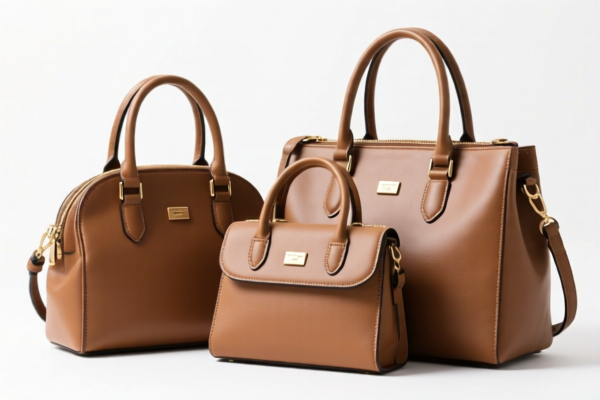

AI Analysis
👜 Travel Handbags: The Ultimate HS Code & Tax Classification Guide (2026 Edition)
🌐 HS Code Reference & Customs Clearance Guide | Latest 2026 Tariff Analysis | Professional通关 Strategy
📌 I. Product Definition & Classification: Do You Really Understand "Travel Handbags"?
Travel handbags are essential accessories for global mobility, encompassing everything from compact toiletry bags to large organizer pouches. In international trade, their classification hinges on two critical factors: Material and Specific Usage/Structure. Misclassification here can lead to massive tax discrepancies, especially under current US-China trade policies.
⚠️ Key Distinction Point:
- Textile/Plastic Materials: Generally fall under Chapter 42 (Articles of Leather) or Chapter 63 (Other Made-up Textile Articles).
- Packaging/Container Logic: If primarily viewed as a container for goods rather than a durable bag, it may fall under Chapter 39 (Plastics).
- The "122 Clause" Impact: All categories below are subject to additional US tariffs (Section 122/301/IEEPA), significantly inflating costs.
📦 II. HS Code Classification Details (2026 Latest Tariff Authority Comparison)
Based on the provided data, there are five distinct HS Code possibilities. Each carries a different tax burden based on the inferred material and structural logic.
| HS Code | Summary/Inference | Primary Material | Total Tax Rate | Tax Detail Breakdown |
|---|---|---|---|---|
4202.92.31.20 |
Travel bag category, textile/plastic film material | Textile or Plastic Film | 52.6% | Base: 17.6% + Add-on: 25.0% + Clause 122: 10% |
3923.90.00.80 |
Packaging container category, plastic/synthetic fiber | Plastic or Synthetic Fiber | 38.0% | Base: 3.0% + Add-on: 25.0% + Clause 122: 10% |
6307.90.98.91 |
Finished consumer good, other made-up textiles | Textile (Other) | 24.5% | Base: 7.0% + Add-on: 7.5% + Clause 122: 10% |
4202.92.31.31 |
Travel-type bag form, textile exterior surface | Textile Material | 52.6% | Base: 17.6% + Add-on: 25.0% + Clause 122: 10% |
6307.90.98.75 |
Finished consumer bag, textile material (catch-all) | Textile Material | 24.5% | Base: 7.0% + Add-on: 7.5% + Clause 122: 10% |
🔍 Critical Insight:
- The difference between ~24.5% and ~52.6% is huge. It depends entirely on whether customs views the item as a "Durable Bag" (Ch 42) or a "Miscellaneous Textile Article" (Ch 63). - The 38.0% rate for3923.90.00.80applies if the bag is considered a plastic packaging container rather than a fashion/travel accessory.
💰 III. 2026 Detailed Tariff Rate Analysis
✅ Applicable Country: United States (US)
✅ Origin: China (CN)
✅ Effective Time: Current trade policies (Section 301, 122, IEEPA)
🎯 1. The High-Tax Category: 4202.92.31.20 & 4202.92.31.31
Classification: Travel Bags (Textile/Plastic Film Exterior)
Total Tax Rate: 52.6%
| Item | Content |
|---|---|
| Base Tariff | 17.6% |
| Add-on Tariff (301/122) | 25.0% |
| 122 Clause Tariff | 10.0% |
| Total Effective Rate | 52.6% |
| Calculation | CIF Value × 52.6% |
| De Minimis Exemption | ❌ Not Eligible (High tax risk items) |
| Legal Path | USITC:4202.92.31.xx → ADDON:25% → CLAUSE:122:10% |
📌 Explanation:
- This classification treats the item as a durable travel bag. The base tariff is high (17.6%) because leather/fur substitutes or specific textile bags attract higher duties. - The 25% add-on is standard for many Chinese-origin consumer goods under Section 301. - The 10% Clause 122 is an additional surcharge often applied to specific consumer categories. - Result: This is the most expensive category. You must justify if a lower rate is applicable.
🎯 2. The Mid-Tax Category: 3923.90.00.80
Classification: Plastic/Synthetic Packaging Containers
Total Tax Rate: 38.0%
| Item | Content |
|---|---|
| Base Tariff | 3.0% |
| Add-on Tariff (301/122) | 25.0% |
| 122 Clause Tariff | 10.0% |
| Total Effective Rate | 38.0% |
| Calculation | CIF Value × 38.0% |
| De Minimis Exemption | ❌ Not Eligible |
| Legal Path | USITC:3923.90.00.80 → ADDON:25% → CLAUSE:122:10% |
📌 Explanation:
- If the bag is made entirely of plastic film and used primarily to package/store goods (like a ziplock travel pouch), it may fall here. - The base tariff is low (3.0%), but the 25% add-on still applies heavily. - Strategy: Only use this if the product is clearly not a "bag" in the fashion sense but a "container."
🎯 3. The Low-Tax Category: 6307.90.98.91 & 6307.90.98.75
Classification: Other Made-up Textile Articles (Consumer Goods)
Total Tax Rate: 24.5%
| Item | Content |
|---|---|
| Base Tariff | 7.0% |
| Add-on Tariff (301/122) | 7.5% |
| 122 Clause Tariff | 10.0% |
| Total Effective Rate | 24.5% |
| Calculation | CIF Value × 24.5% |
| De Minimis Exemption | ❌ Not Eligible |
| Legal Path | USITC:6307.90.98.xx → ADDON:7.5% → CLAUSE:122:10% |
📌 Explanation:
- This is the most favorable rate for textile travel bags! - It classifies the item as a "Miscellaneous Textile Article" rather than a "Bag" (Ch 42). - The base tariff (7.0%) and add-on (7.5%) are significantly lower than the Ch 42 rates. - Strategy: If the bag is made of generic textiles (polyester, nylon, canvas) and doesn't fit the strict "handbag" definition of Ch 42, fight for this classification.
🛠️ IV. Customs Clearance Practical Advice (Real-World Pitfall Avoidance)
✅ 1. Preparation Checklist (Non-Negotiable)
| Document | Required? | Explanation |
|---|---|---|
| ✅ Product Specs | ✔️ | Detailed material composition (e.g., "100% Polyester Outer, EVA Lining"). |
| ✅ Photos | ✔️ | Show zippers, handles, compartments. Does it look like a handbag or a pouch? |
| ✅ Commercial Invoice | ✔️ | Must describe goods accurately (e.g., "Travel Organizer Pouch" vs. "Leather Handbag"). |
| ✅ Origin Certificate | ✔️ | Confirm CN origin to trigger/add specific tariffs. |
| ✅ Structure Diagram | ✔️ | Helpful to prove it's a "textile article" (Ch 63) vs. "bag" (Ch 42). |
✅ 2. Classification Strategy (Key Mantra)
🔥 “Material Matters, Structure Counts, 6307 Saves Money!”
| Scenario | Recommended HS Code | Tax Rate | Why? |
|---|---|---|---|
| Generic Nylon/Polyester Pouch | 6307.90.98.91 or .75 |
24.5% | Low base + lower add-on. Best for cost optimization. |
| Structured Bag with Handles/Straps | 4202.92.31.xx |
52.6% | Looks like a handbag → Ch 42 → High tax. |
| Pure Plastic Zip Bag | 3923.90.00.80 |
38.0% | If it's purely functional packaging, not a reusable bag. |
| Mixed Material (Textile + Leather Trim) | 4202.92.31.xx |
52.6% | If leather content >50% or it's the dominant feature. |
✅ 3. Special Handling
| Situation | Advice |
|---|---|
| OEM Custom Bags | Provide design sheets. If the design is unique, argue for "Miscellaneous Article" (Ch 63) if possible. |
| Packaged Sets | If the bag comes with toiletries, ensure the invoice separates values if possible, or declare the bag as the principal item. |
| Dispute on 25% Add-on | Check if the product qualifies for any exclusions (though rare for Ch 42/63). |
🌍 V. Global Market Clearance Comparison (2026)
| Region | Recommended HS Code | Estimated Total Tax (China Origin) | Remarks |
|---|---|---|---|
| 🇺🇸 USA | 6307.90.98.91 |
24.5% | Best Rate. Avoid Ch 42 if possible. |
| 🇪🇺 EU | 4202.92.xx |
~12-16% | EU duties are generally lower than US add-ons, but VAT applies. |
| 🇨🇳 China | 6307.90.98.91 |
7% | Low base rate, no Section 301/122. |
| 🇬🇧 UK | 4202.92.xx |
~12-15% | Post-Brexit tariffs similar to EU. |
📌 Conclusion:
- The US market is punitive. The difference between 24.5% and 52.6% can erase profit margins. - Prioritize6307.90.98.91for standard textile travel organizers. - Only use4202.92.31.xxif the product is structurally a "handbag" with handles/straps.
📌 VI. Common Errors & Pitfalls (Blood Lessons)
❌ Error 1: Calling a "Nylon Pouch" a "Handbag"
👉 Consequence: Customs classifies as 4202 → 52.6% tax.
👉 Fix: Use terms like "Travel Organizer," "Toiletry Bag," "Pouch."
❌ Error 2: Ignoring the 122 Clause
👉 Consequence: Unexpected 10% surcharge at customs.
👉 Fix: Always include Clause 122 in cost calculations.
❌ Error 3: Assuming Plastic = 0% Base
👉 Consequence: Even 3923 has 25% add-on. Total 38% is not "free."
👉 Fix: Compare 3923 (38%) vs 6307 (24.5%). Textile might be cheaper!
✅ Correct Declaration Example:
"Textile Travel Organizer Pouch, Polypropylene Material, Without Handles, For Storage of Toiletries. HS: 6307.90.98.91."
🎯 VII. Conclusion: Professional Classification, Cost Control!
🎯 Remember:
🔹 "Ch 42 is Expensive, Ch 63 is Efficient."
🔹 "If it doesn't have a handle, it's not a bag—it's an article!"
🔹 "Always check the 122 Clause: +10% is always there."
📌 Pro Tip:
If your product is borderline between a "Bag" (Ch 42) and a "Textile Article" (Ch 63), submit for a Binding Tariff Information (BTI) or Advance Ruling from US Customs (CBP). This provides legal certainty and protects you from retroactive duties.
📣 Immediate Action:
📞 Contact a Customs Broker: Provide product photos and material specs.
📝 Request Pre-Ruling: For high-volume shipments, get the HS code confirmed in writing.
🚀 Optimize Your Bill of Lading: Use precise, descriptive names to support the 6307 classification.
✨ Smart Classification = Maximum Profit
💼 Every percentage point matters in international trade.
Customer Reviews
About HS Code Classification
The Harmonized System (HS) is an internationally standardized nomenclature developed by the World Customs Organization (WCO) to classify traded products. Over 200 countries use the HS system as the basis for customs tariffs, trade statistics, and import/export regulations.
Each HS code follows a hierarchical structure:
- Chapter (2 digits) — Broad category of goods (e.g., Chapter 84: Machinery and Mechanical Appliances)
- Heading (4 digits) — More specific grouping within the chapter
- Subheading (6 digits) — Internationally standardized breakdown, used by all WCO member countries
- National subdivisions (8-10 digits) — Country-specific extensions for further classification, such as US HTSUS 10-digit codes
Correct HS code classification is essential for smooth customs clearance, accurate duty payment, and compliance with trade regulations. Misclassification can lead to customs delays, overpayment of duties, or penalties.
When importing from CN to US, the applicable tariff rates may include:
- Most-Favored-Nation (MFN) rate — The standard duty rate applied to WTO members
- General rate — Applied to countries without trade agreements
- Trade remedy duties — Additional tariffs such as Section 301 (anti-dumping), Section 232 (national security), or countervailing duties
The information provided on this page is for reference purposes only. For official classification, please consult with your local customs authority or a licensed customs broker.