Travel Mug
CN → US| HS Code | Tariff Rate | Origin | Destination | Doc |
|---|---|---|---|---|
| 7323999030 | 88.4% | CN | US | Official Doc |
| 3924104000 | 13.4% | CN | US | Official Doc |
| 7323930080 | 62.0% | CN | US | Official Doc |
| 6911108010 | 38.3% | CN | US | Official Doc |
Product Images

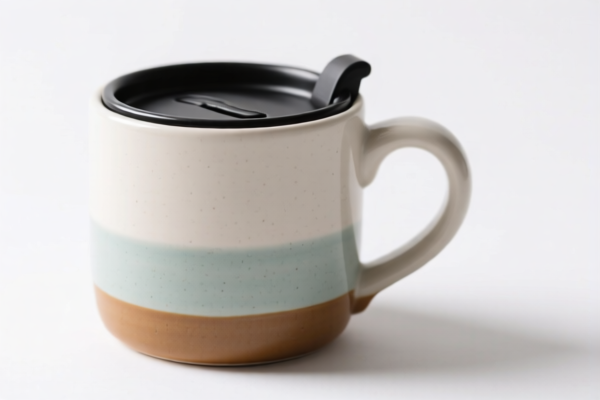
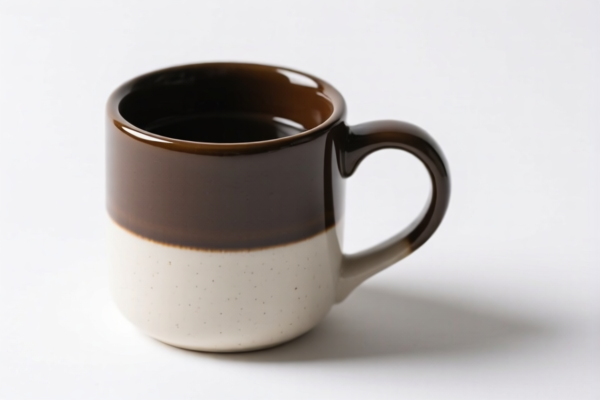

AI Analysis
☕ Travel Mug (Portable Drinkware)
🌐 HS Code Reference & Customs Clearance Guide | 2026 Latest Tariff Analysis | Professional Clearance Strategy
📌 I. Product Definition & Classification: Do You Really Know "Travel Mugs"?
A Travel Mug is a portable container primarily designed for holding beverages, typically featuring a lid to prevent spills. In international trade, classification depends heavily on the material composition and intended use. They generally fall under kitchen or tableware categories.
⚠️ Key Distinction:
- If made of Stainless Steel → Classified under Chapter 73 (Articles of Iron or Steel);
- If made of Plastic → Classified under Chapter 39 (Plastics and Articles Thereof);
- If made of Ceramic/Glass → Classified under Chapter 69 (Ceramic Products).
📦 II. HS Code Classification Details (Based on Provided Data)
| HS Code | Product Description | Material | Total Tax Rate | Key Tax Components |
|---|---|---|---|---|
7323.99.90.30 |
Based on metal (stainless steel) or plastic, used as a container for drinks, fitting kitchen/tableware categories. | Stainless Steel / Plastic | 88.4% | Base: 3.4% Added: 25.0% Section 122 (Steel/Aluminum/Copper): 50% |
3924.10.40.00 |
Based on plastic material, matching tableware or household goods usage. | Plastic | 13.4% | Base: 3.4% Added: 0.0% Section 122: 10% |
7323.93.00.80 |
Based on stainless steel, serving as household utensils, fitting the "other items" catch-all logic. | Stainless Steel | 62.0% | Base: 2.0% Added: 0.0% Section 122 (Steel/Aluminum/Copper): 50% |
6911.10.80.10 |
Based on ceramic or glass material, matching attributes for food/drink contact tableware/kitchenware. | Ceramic / Glass | 38.3% | Base: 20.8% Added: 7.5% Section 122: 10% |
🔍 Important Note:
- The Stainless Steel category faces the highest potential tax burden (up to 88.4%) due to specific steel/aluminum/copper surcharges.
- Plastic mugs offer the lowest tax rate (13.4%), avoiding the heavy steel surcharges.
- Ceramic/Glass mugs have moderate taxes but include a high base tariff.
💰 III. Detailed Tariff Breakdown (Including Additional Duties & Policy Surcharges)
✅ Applicable Country: United States (US)
✅ Origin: China (CN) (Implied by Section 122 context)
✅ Effective Time: Current 2026 Trade Rules
🎯 1. 7323.99.90.30 —— Stainless Steel/Plastic Travel Mug (High Tax Bracket)
| Item | Detail |
|---|---|
| Base Tariff | 3.4% |
| Section 301 (Added Tariff) | +25.0% |
| Section 122 (Steel/Al/Cu Surcharge) | +50% |
| Total Tax Rate | 88.4% |
| Tax Calculation | CIF Value × 88.4% |
| De Minimis Exemption | ❌ Not Eligible (High tax threshold usually blocks this) |
| Legal Basis Path | HTS:7323.99.90.30 → Section 301 Footnote → Section 122 Statutory Authority |
📌 Explanation:
- This HS code triggers the Section 122 tariff, which specifically targets steel, aluminum, and copper products.
- Combined with the standard 25% Section 301 tariff and 3.4% base, the total duty is extremely high.
- Risk Alert: Declaring a stainless steel mug under this code can drastically reduce profit margins. Consider alternative classifications if possible.
🎯 2. 3924.10.40.00 —— Plastic Travel Mug (Lowest Tax Bracket)
| Item | Detail |
|---|---|
| Base Tariff | 3.4% |
| Section 301 (Added Tariff) | 0.0% (Exempt/Zero for this subheading) |
| Section 122 Surcharge | +10% |
| Total Tax Rate | 13.4% |
| Tax Calculation | CIF Value × 13.4% |
| De Minimis Exemption | ✅ Potentially Eligible (Subject to de minimis limits) |
| Legal Basis Path | HTS:3924.10.40.00 → Section 301 Exemption List |
📌 Strategy:
- Plastic mugs avoid the heavy steel surcharge.
- The 0% Section 301 component makes this the most cost-effective option for US import.
- Ensure material is 100% plastic or predominantly plastic to qualify.
🎯 3. 7323.93.00.80 —— Stainless Steel Household Utensil (Medium-High Tax)
| Item | Detail |
|---|---|
| Base Tariff | 2.0% |
| Section 301 (Added Tariff) | 0.0% |
| Section 122 (Steel/Al/Cu Surcharge) | +50% |
| Total Tax Rate | 62.0% |
| Tax Calculation | CIF Value × 62.0% |
| De Minimis Exemption | ❌ Not Eligible |
| Legal Basis Path | HTS:7323.93.00.80 → Section 122 Statutory Authority |
📌 Note:
- While the base and Section 301 rates are lower, the 50% Section 122 surcharge remains a significant burden.
- This classification is often a "catch-all" for stainless steel kitchenware not specifically listed elsewhere.
🎯 4. 6911.10.80.10 —— Ceramic/Glass Travel Mug (Moderate Tax)
| Item | Detail |
|---|---|
| Base Tariff | 20.8% |
| Section 301 (Added Tariff) | +7.5% |
| Section 122 Surcharge | +10% |
| Total Tax Rate | 38.3% |
| Tax Calculation | CIF Value × 38.3% |
| De Minimis Exemption | ❌ Not Eligible (High base tariff) |
| Legal Basis Path | HTS:6911.10.80.10 → Section 301 & 122 Adjustments |
📌 Observation:
- Ceramic/Glass mugs have a higher base tariff (20.8%) compared to steel/plastic.
- However, they avoid the 50% steel surcharge, keeping the total significantly lower than stainless steel options.
🛠️ IV. Customs Clearance Practical Advice (Avoiding Pitfalls)
✅ 1. Document Checklist (Essential)
| Document | Mandatory? | Description |
|---|---|---|
| ✅ Product Specification | ✔️ | Must clearly state material composition (e.g., "18/8 Stainless Steel" vs. "BPA-Free Plastic"). |
| ✅ Product Photos | ✔️ | Clear images of the mug, lid mechanism, and interior lining. |
| ✅ Commercial Invoice | ✔️ | Must specify "Travel Mug" or "Drink Container," not vague terms like "Kitchenware." |
| ✅ Country of Origin Certificate | ✔️ | Critical for determining Section 301 applicability. |
| ✅ Material Declaration | ✔️ | Explicitly declare if any parts are steel, plastic, or ceramic to avoid misclassification audits. |
✅ 2. Declaration Strategy (Key Tips)
🔥 "Material Matters! Declare Accurately to Avoid Penalties!"
| Scenario | Correct HS Code | Risk of Misclassification |
|---|---|---|
| Stainless Steel Mug | 7323.99.90.30 or 7323.93.00.80 |
❌ High Risk: If declared as plastic, customs may reclassify and levy back taxes + penalties (88.4% vs. 13.4%). |
| Plastic Mug | 3924.10.40.00 |
✅ Safe: Low tax rate. Ensure no metal parts (e.g., steel lids) are misinterpreted as the primary material. |
| Ceramic Mug | 6911.10.80.10 |
⚠️ Medium Risk: If mixed material (e.g., plastic handle), customs may shift classification to plastic or steel depending on component value. |
| Mixed Material Mug | Varies | ❌ Complex: If >50% by value is steel, steel rules apply. If >50% plastic, plastic rules may apply. Get a Pre-Ruling. |
✅ 3. Special Case Handling
| Situation | Recommendation |
|---|---|
| Stainless Steel with Plastic Lid | If the steel body is the primary value/function, it likely falls under HS 7323. Do not declare as plastic. |
| Double-Wall Vacuum Insulation | This is a hallmark of stainless steel travel mugs. Declaring as "simple plastic cup" is fraud. |
| Branded vs. Generic | Brand does not affect HS Code, but ensures accurate commercial invoice description. |
| Small Gifts (De Minimis) | Plastic mugs under $800 may qualify for de minimis exemption (depending on current US policy), but Steel/Ceramic mugs (high tax) usually do not. |
🌍 V. Global Market Comparison (2026 Latest)
| Country/Region | Recommended HS Code | Approx. Total Tax (CN Origin) | Key Considerations |
|---|---|---|---|
| 🇺🇸 USA | 3924.10.40.00 (Plastic) |
13.4% | Best option due to 0% Section 301 on this subheading. |
| 🇺🇸 USA | 7323.99.90.30 (Steel) |
88.4% | Avoid if possible. High Section 122 + 301 duties. |
| 🇨🇳 China | 7323.99.90.30 |
~6.5% (Import Duty) | Low import duty, but focus on export clarity. |
| 🇪🇺 EU | 7323.99.90 |
~15-20% | No Section 301/122. VAT applies separately. |
| 🇬🇧 UK | 7323.99.90 |
~15% | Post-Brexit rules apply. No US-style surcharges. |
📌 Conclusion:
- For US Imports, Plastic Travel Mugs are significantly more cost-effective than Stainless Steel.
- Stainless Steel mugs face punitive tariffs (88.4%), making them less competitive unless sold at a premium.
- Ceramic/Glass offers a middle ground but has a higher base tariff.
📌 VI. Common Mistakes & Pitfalls (Lessons Learned)
❌ Mistake 1: Declaring a Stainless Steel Mug as "Plastic Kitchenware"
👉 Consequence: Customs detects steel via X-ray or physical inspection. Back taxes of 75% difference + fines!
❌ Mistake 2: Ignoring the "Section 122" Steel Surcharge
👉 Consequence: Unexpected bill of 88.4% instead of the expected 25-30%. Profit margin wiped out.
❌ Mistake 3: Vague Description "Metal Cup"
👉 Consequence: Customs may classify under the highest duty subheading within Chapter 73. Be specific: "Stainless Steel Travel Mug."
✅ Best Practice:
"Stainless Steel Vacuum Insulated Travel Mug, 16oz, Model ABC, Origin: China, HS Code: 7323.99.90.30"
🎯 VII. Conclusion: Smart Classification, Maximize Profit!
🎯 Remember the Key Takeaway:
🔹 "Plastic is King in the US Market (13.4%); Steel is the Heavyweight Champion (88.4%)."
🔹 "Always verify material composition to avoid Section 122 penalties."
🔹 "Get a Pre-Ruling for mixed-material mugs to clarify primary character."
📌 Pro Tip:
If you are importing Stainless Steel Mugs, consider:
1. Sourcing from non-China countries (e.g., Vietnam, Thailand) to avoid Section 301/122 surcharges.
2. Applying for an Exclusion under Section 301 (if applicable).
3. Re-evaluating Product Design: Can the body be plastic with a steel liner? (Check primary material rules).
📣 Immediate Action:
📞 Consult a Customs Broker for Section 122 applicability.
📄 Ensure your Commercial Invoice precisely matches the HS Code Description.
🚀 Optimize your supply chain to choose the lowest-tax material class!
✨ Professional Customs Clearance Starts with Accurate Classification!
💼 Your Profit Margin Depends on the Decimal Point!
Customer Reviews
About HS Code Classification
The Harmonized System (HS) is an internationally standardized nomenclature developed by the World Customs Organization (WCO) to classify traded products. Over 200 countries use the HS system as the basis for customs tariffs, trade statistics, and import/export regulations.
Each HS code follows a hierarchical structure:
- Chapter (2 digits) — Broad category of goods (e.g., Chapter 84: Machinery and Mechanical Appliances)
- Heading (4 digits) — More specific grouping within the chapter
- Subheading (6 digits) — Internationally standardized breakdown, used by all WCO member countries
- National subdivisions (8-10 digits) — Country-specific extensions for further classification, such as US HTSUS 10-digit codes
Correct HS code classification is essential for smooth customs clearance, accurate duty payment, and compliance with trade regulations. Misclassification can lead to customs delays, overpayment of duties, or penalties.
When importing from CN to US, the applicable tariff rates may include:
- Most-Favored-Nation (MFN) rate — The standard duty rate applied to WTO members
- General rate — Applied to countries without trade agreements
- Trade remedy duties — Additional tariffs such as Section 301 (anti-dumping), Section 232 (national security), or countervailing duties
The information provided on this page is for reference purposes only. For official classification, please consult with your local customs authority or a licensed customs broker.