Travel Pocket
CN → US| HS Code | Tariff Rate | Origin | Destination | Doc |
|---|---|---|---|---|
| 4202321000 | 0.0% | CN | US | Official Doc |
| 4202329300 | 52.6% | CN | US | Official Doc |
| 4202923120 | 52.6% | CN | US | Official Doc |
| 4202923900 | 52.6% | CN | US | Official Doc |
| 3923900080 | 38.0% | CN | US | Official Doc |
Product Images
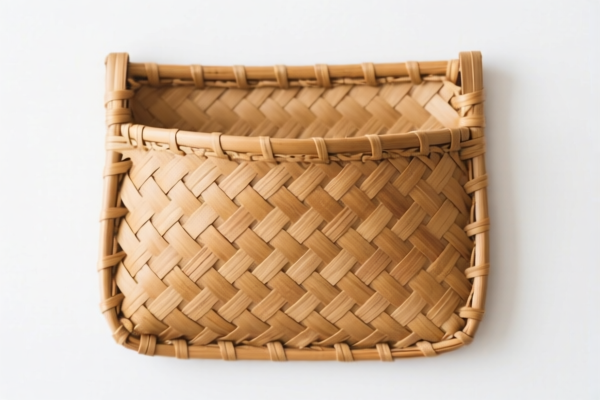
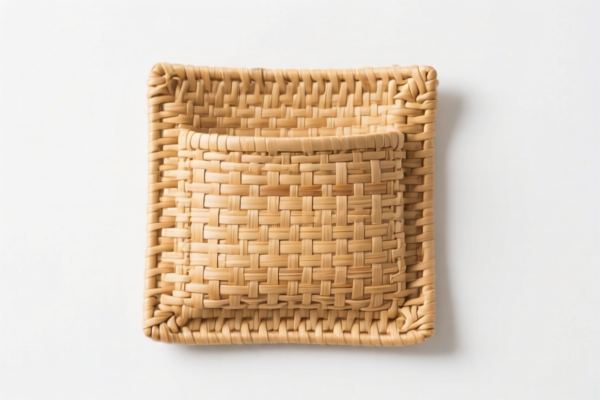
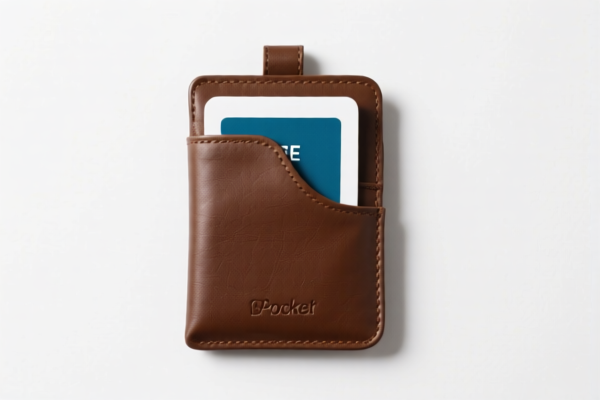
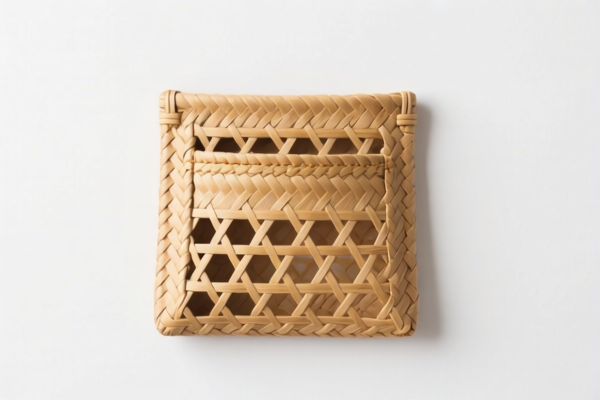
AI Analysis
🧳 Travel Pocket (Travel Wallets & Organizers)
🌐 HS Code Reference & Clearance Guide | 2026 Latest Tariff Analysis | Professional Clearance Strategy
📌 I. Product Definition & Classification: What Exactly is a "Travel Pocket"?
In the context of international trade and customs classification, "Travel Pocket" refers to small carrying cases designed for personal use, specifically for holding money, documents, cards, or small accessories while traveling. These items are generally categorized under Chapter 42 (Articles of Leather; Saddle and Harness Goods) because they are considered articles of personal use or accessories to bags.
The classification depends heavily on the material of the outer surface and the specific form (e.g., pocket-sized vs. container-like). The provided data highlights two main material distinctions:
- Plastic/Laminated/Textile Outer Surface: Often referred to as "Travel Wallets" (HS 4202.32.10.00).
- Textile Outer Surface (Pocket/Bag Form): Referred to as "Travel Wallets" or "Travel Waist Bags" (HS 4202.32.93.00, 4202.92.31.20, 4202.92.39.00).
⚠️ Key Distinction Point:
- If the item is a rigid or semi-rigid wallet made of plastic, laminated material, or textile intended for hand-carrying items → HS 4202.32.10.00.
- If the item is a softer, flexible wallet or waist bag made primarily of textile material → HS 4202.32.93.00, 4202.92.31.20, or 4202.92.39.00.
- If it is purely a plastic storage pouch without structural integrity of a wallet → HS 3923.90.00.80.
📦 II. HS Code Classification Details (2026 Latest Tariff Authority Comparison)
| HS Code | Product Description | Application Scenario | Outer Material | Total Tax Rate (US/CN) |
|---|---|---|---|---|
4202.32.10.00 |
Travel Wallet, hand-carry items | Small wallets, passport holders, card organizers | Plastic, Laminated Material, or Textile | 12.1¢/kg + 4.6% + 35.0% |
4202.32.93.00 |
Travel Wallet, pocket/handbag form | Soft-sided wallets, zippered coin purses | Textile (Outer Surface) | 52.6% |
4202.92.31.20 |
Travel Waist Bag, travel bag form | Fanny packs, waist organizers | Textile or Plastic | 52.6% |
4202.92.39.00 |
Travel Waist Bag, container form | Generic waist bags, utility belts with pouches | Textile (Outer Surface) | 52.6% |
3923.90.00.80 |
Travel Storage Bag, packaging/container | Plastic ziplock bags, soft plastic pouches | Plastic or Synthetic Fiber | 38.0% |
🔍 Critical Reminder:
- "4202.32.10.00" has a unique tax structure: a specific duty (12.1 cents per kg) PLUS ad valorem duties (4.6% base + 25% Section 301 + 10% Section 122). This can be lower or higher than the 52.6% flat rate depending on the weight and value of the shipment.
- "4202.32.93.00" and "4202.92.31.20/39.00" all carry a flat 52.6% rate due to the combination of Base (17.6%) + Section 301 (25%) + Section 122 (10%).
- "3923.90.00.80" is for packaging items, not durable personal accessories. Misclassifying a durable textile wallet as a "plastic bag" can lead to penalties.
💰 III. 2026 Latest Tariff Rate Details (Including Surcharges & Policy Add-ons)
✅ Applicable Country: USA (US)
✅ Origin: China (CN)
✅ Effective Time: November 10, 2025 (and subsequent imports)
🎯 1. 4202.32.10.00 —— Travel Wallet (Plastic/Laminated/Textile Outer)
| Item | Detail |
|---|---|
| Base Tariff | 4.6% (Ad Valorem) + 12.1¢/kg (Specific) |
| Section 301 Surcharge | +25.0% (USITC Footnote 9903.88.01) |
| Section 122 Surcharge | +10.0% (IEEPA/Specific Category) |
| Total Effective Rate | 12.1¢/kg + 39.6% (Calculated as 4.6% + 25% + 10%) |
| Tax Calculation | (CIF Value × 39.6%) + (Weight in kg × $0.121) |
| De Minimis Exemption | ❌ Denied (deny_de_minimis) |
| Legal Path | IEEPA:9903.01.25 → IEEPA:9903.01.24 → USITC:4202.32.10.00 → FOOTNOTE:9903.88.01 |
📌 Explanation:
- This HS Code is unique because it includes a specific duty based on weight. For lightweight items (e.g., a thin leather/plastic wallet), the ad valorem portion dominates. For heavy items, the per-kg fee adds up.
- The 39.6% ad valorem rate is the sum of the base rate (4.6%) and the two surcharges (25% + 10%).
🎯 2. 4202.32.93.00 & 4202.92.31.20 & 4202.92.39.00 —— Textile Wallets/Waist Bags
| Item | Detail |
|---|---|
| Base Tariff | 17.6% |
| Section 301 Surcharge | +25.0% |
| Section 122 Surcharge | +10.0% |
| Total Effective Rate | 52.6% |
| Tax Calculation | CIF Value × 52.6% |
| De Minimis Exemption | ❌ Denied (deny_de_minimis) |
| Legal Path | IEEPA:9903.01.25 → IEEPA:9903.01.24 → USITC:4202.32.93.00 → FOOTNOTE:9903.88.01 |
📌 Note:
- These three HS Codes share the same tax structure because they all fall under the 17.6% base rate category for textiles/other materials in Chapter 42.
- The 52.6% rate is significantly higher than the ad valorem portion of4202.32.10.00(39.6%), making4202.32.10.00potentially cheaper for high-value, low-weight items.
🎯 3. 3923.90.00.80 —— Plastic Storage Bag (Packaging)
| Item | Detail |
|---|---|
| Base Tariff | 3.0% |
| Section 301 Surcharge | +25.0% |
| Section 122 Surcharge | +10.0% |
| Total Effective Rate | 38.0% |
| Tax Calculation | CIF Value × 38.0% |
| De Minimis Exemption | ❌ Denied (deny_de_minimis) |
| Legal Path | IEEPA:9903.01.25 → IEEPA:9903.01.24 → USITC:3923.90.00.80 → FOOTNOTE:9903.88.01 |
📌 Warning:
- This code is for packaging materials or non-structural plastic pouches. If you import a durable textile wallet and declare it as a "plastic storage bag," you risk misclassification penalties.
🛠️ IV. Clearance Practical Advice (Real-World Pitfall Avoidance Guide)
✅ 1. Preparation Checklist (Essential Documents)
| Document | Required | Description |
|---|---|---|
| ✅ Product Specification Sheet | ✔️ | Must specify: Material (Plastic/Textile/Laminated), Dimensions, Weight, Intended Use (Travel Wallet vs. Storage Bag). |
| ✅ Product Photos (Including Labels) | ✔️ | Show the outer surface material clearly. If it's textile, highlight the weave. If plastic, show the texture. |
| ✅ Commercial Invoice | ✔️ | Clearly state "Travel Wallet" or "Waist Bag" and HS Code. Do not use vague terms like "Pocket." |
| ✅ Packing List | ✔️ | Include gross weight (for 12.1¢/kg calculation) and net weight. |
| ✅ Origin Certificate (CO) | ✔️ | If originating from China, confirm CN origin to apply the correct surcharges. |
✅ 2. Declaration Strategy (Key Mnemonics)
🔥 "Material Dictates Code, Weight Affects Cost, Vague Names Trigger Audit!"
| Scenario | Correct Declaration | Wrong Practice |
|---|---|---|
| Rigid/Structured Wallet (Plastic/Laminated) | 4202.32.10.00 - "Travel Wallet, Outer Material: Laminated Fabric" |
Misclassified as Textile Wallet → Higher Tax |
| Soft Textile Wallet (Zipper/Pocket) | 4202.32.93.00 - "Travel Wallet, Outer Material: Textile" |
Misclassified as Plastic Bag → Penalty |
| Waist Bag/Fanny Pack (Textile) | 4202.92.31.20 or 4202.92.39.00 - "Travel Waist Bag" |
Misclassified as Wallet → Audit for "Form" |
| Simple Plastic Zip Pouch (Non-Durable) | 3923.90.00.80 - "Plastic Storage Pouch" |
Misclassified as Durable Wallet → Over-Tax or Misuse |
✅ 3. Special Case Handling
| Scenario | Handling Advice |
|---|---|
| Mixed Material Wallet | If the outer surface is textile but has a plastic window → Use Textile Code (4202.32.93.00 etc.). The outer surface determines the classification. |
| High-Value, Low-Weight Items | Compare 4202.32.10.00 vs 4202.32.93.00. If the item is light, 4202.32.10.00 (39.6% + small weight fee) may be cheaper than 52.6%. Ensure the material qualifies for 4202.32.10.00 (Plastic/Laminated). |
| "Pocket" vs. "Bag" | If the item is shaped like a pocket but used for travel, classify as Wallet (4202.32.xxxx). If it has a strap and is worn on the waist, classify as Waist Bag (4202.92.xxxx). |
| Sample Shipments | Even samples are subject to deny_de_minimis. Do not expect $800 de minimis exemption. Pay duties upfront. |
🌍 V. Global Market Clearance Comparison (2026 Latest)
| Country/Region | Recommended HS Code | Tariff (CN Origin) | Certification Requirements | Notes |
|---|---|---|---|---|
| 🇺🇸 USA | 4202.32.10.00 / 4202.32.93.00 |
39.6% + 12.1¢/kg OR 52.6% | None specific, but strict material declaration | Highest duty burden in this comparison |
| 🇨🇳 China | 4202.32.10.00 / 4202.32.93.00 |
5% - 10% | None | Low import duty, no surcharges |
| 🇪🇺 EU | 4202.32.10.00 / 4202.32.93.00 |
0% - 12% (depending on material) | CE (if electronic components included) | No Section 301/122 equivalents |
| 🇬🇧 UK | 4202.32.10.00 / 4202.32.93.00 |
0% - 12% | None | Post-Brexit rules apply, but no US-style surcharges |
| 🇦🇺 Australia | 4202.32.10.00 / 4202.32.93.00 |
5% | APEC Travel Document if applicable | No Section 301 |
📌 Conclusion:
- The USA imposes punitive tariffs on Chinese-made travel accessories.
- Material Selection Matters: If you can design the wallet with a plastic/laminated outer instead of pure textile, you may qualify for the lower 39.6% + weight fee structure instead of the flat 52.6%.
- No De Minimis Exemption: Always budget for duties, even for small parcels.
📌 VI. Common Errors & Pitfall Guide (Lessons Learned)
❌ Error 1: Declaring a textile wallet as "Plastic Storage Bag" (3923.90.00.80) to save tax.
👉 Consequence: Customs inspection reveals textile material → Seizure, fines, and back taxes (38% vs 52.6% is not worth the risk).
❌ Error 2: Using "Travel Pocket" as the product name.
👉 Consequence: Vague descriptions trigger manual review → Delays.
✅ Fix: Use "Travel Wallet" or "Waist Bag" + Material Description.
❌ Error 3: Ignoring the "Outer Surface" rule for Chapter 42.
👉 Consequence: Misclassification. If the outer is textile, you cannot use the plastic-based HS Code 4202.32.10.00 unless it's laminated/plastic-coated textile that qualifies as "plastic outer" per USITC rulings.
✅ Fix: Clearly state "Laminated Textile" if applicable to qualify for 4202.32.10.00.
❌ Error 4: Assuming small items are exempt from duties.
👉 Consequence: deny_de_minimis applies to all goods from China under Section 301/122.
✅ Fix: Calculate duty into the landed cost.
🎯 VII. Conclusion: Precision in Classification Saves Money!
🎯 Remember the Mnemonic:
🔹 "Outer Material is Key, Textile 52%, Plastic/Laminated 39%+Weight!"
🔹 "No De Minimis for China, Pay Up Front or Face Delay!"📌 Pro Tip:
If your product is a waist bag (has a strap, worn on body), do NOT use wallet codes (4202.32). Use Waist Bag codes (4202.92.31.20or4202.92.39.00).
If it’s a hand-held wallet, use Wallet codes (4202.32.xxxx).
📣 Immediate Action:
📞 Consult a Customs Broker: Provide product photos and material samples.
🚀 Request an Advance Ruling: If the material is ambiguous (e.g., coated fabric), get a pre-classification ruling from CBP to avoid post-import penalties.
✨ Professional Clearance Starts with Accurate Classification!
💼 Every Percentage Point Counts in High-Tariff Environments!
Customer Reviews
About HS Code Classification
The Harmonized System (HS) is an internationally standardized nomenclature developed by the World Customs Organization (WCO) to classify traded products. Over 200 countries use the HS system as the basis for customs tariffs, trade statistics, and import/export regulations.
Each HS code follows a hierarchical structure:
- Chapter (2 digits) — Broad category of goods (e.g., Chapter 84: Machinery and Mechanical Appliances)
- Heading (4 digits) — More specific grouping within the chapter
- Subheading (6 digits) — Internationally standardized breakdown, used by all WCO member countries
- National subdivisions (8-10 digits) — Country-specific extensions for further classification, such as US HTSUS 10-digit codes
Correct HS code classification is essential for smooth customs clearance, accurate duty payment, and compliance with trade regulations. Misclassification can lead to customs delays, overpayment of duties, or penalties.
When importing from CN to US, the applicable tariff rates may include:
- Most-Favored-Nation (MFN) rate — The standard duty rate applied to WTO members
- General rate — Applied to countries without trade agreements
- Trade remedy duties — Additional tariffs such as Section 301 (anti-dumping), Section 232 (national security), or countervailing duties
The information provided on this page is for reference purposes only. For official classification, please consult with your local customs authority or a licensed customs broker.