Travel Small Bag
CN → US| HS Code | Tariff Rate | Origin | Destination | Doc |
|---|---|---|---|---|
| 4202923120 | 52.6% | CN | US | Official Doc |
| 3923900080 | 38.0% | CN | US | Official Doc |
| 6307909891 | 24.5% | CN | US | Official Doc |
| 4202923131 | 52.6% | CN | US | Official Doc |
| 6307909875 | 17.0% | CN | US | Official Doc |
Product Images
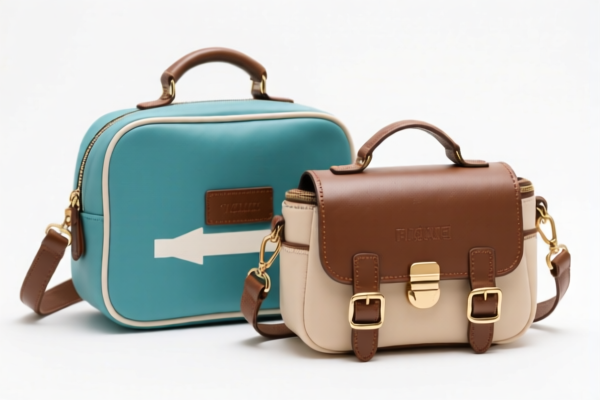
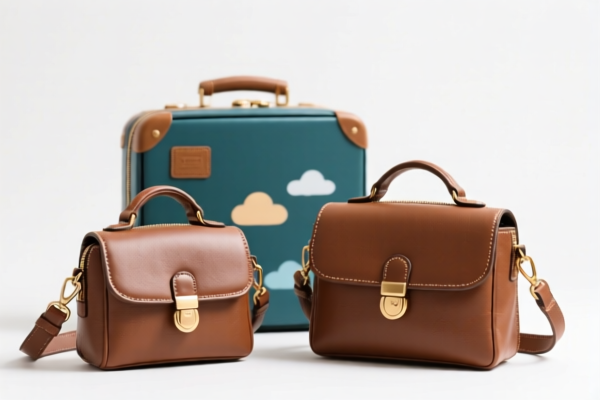
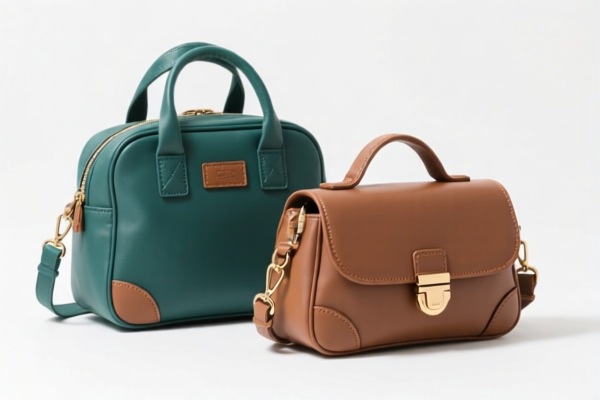
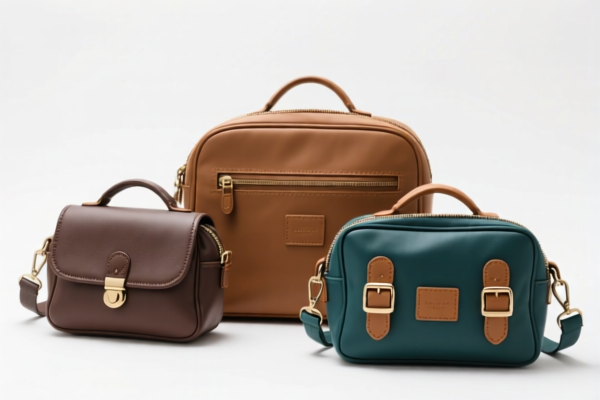
AI Analysis
👜 Travel Small Bag (Travel Organizer/Pouch)
🌐 HS Code Reference & Customs Clearance Guide | 2026 Latest Tariff Analysis | Strategic Clearance Strategy
📌 Part 1: Product Definition & Classification: Do You Really Know What a "Travel Bag" Is?
Travel small bags, often referred to as travel organizers, toiletry bags, or packing cubes, are essential accessories for modern mobility. In international trade, they are generally classified under Chapter 42 (Articles of Leather) or Chapter 63 (Other Made-up Textile Articles), depending on their material composition and functional intent.
Key Distinction Points:
- Luxury/Leather-Style Bags: If the outer surface is leather or composition leather → Chapter 42.
- Fabric/Textile/Organizer Bags: If made of nylon, polyester, canvas, or plastic-coated fabric → Often Chapter 63 (as other made-up articles) or Chapter 42 if it fits the specific "bag" definition better.
- Plastic Packaging: If it serves primarily as a disposable or semi-rigid plastic container → Chapter 39.
⚠️ Critical Classification Note:
- Chapter 42 (4202): For durable bags intended for personal use (toiletry, travel, cosmetic).
- Chapter 63 (6307): For "other made-up articles" like packing cubes, soft organizers, or non-specific textile pouches.
- Chapter 39 (3923): For rigid or semi-rigid plastic containers/pouches.
📦 Part 2: HS Code Classification Details (2026 Latest Tariff Authority)
Based on the provided data, here are the five possible HS codes for "Travel Small Bag," ranked by logical fit and tax efficiency.
| HS Code | Product Description & Logic | Material Inference | Total Tax Rate (US Import) |
|---|---|---|---|
6307.90.98.75 |
Best Value Match: "Other made-up articles" (Final Consumer Goods). Fits soft textile travel organizers/packing cubes. | Textile/Fabric | 17.0% |
6307.90.98.91 |
"Other made-up articles." Fits generic textile travel bags that don't fit stricter definitions. | Textile/Fabric | 24.5% |
3923.90.00.80 |
"Packaging Articles/Containers." Fits plastic or synthetic fiber travel pouches treated as packaging. | Plastic/Synthetic | 38.0% |
4202.92.31.20 |
"Luggage/Travel Bags." Fits durable fabric/leather travel bags. Specific subheading for non-leather outer surface. | Textile/Plastic Film | 52.6% |
4202.92.31.31 |
"Luggage/Travel Bags." Similar to above, matches use/form. | Textile (Outer Surface) | 52.6% |
🔍 Key Takeaway:
- If your product is a soft fabric organizer, packing cube, or toiletry pouch,6307.90.98.75offers the lowest tariff (17.0%).
- If it is marketed as a luxury travel case with rigid structure, it may fall under Chapter 42, triggering 52.6% due to Section 301 and IEEPA duties.
💰 Part 3: 2026 Latest Tariff Rate Breakdown (Including Surtaxes)
✅ Applicable Country: USA (US)
✅ Origin: China (CN)
✅ Effective Date: Post-November 10, 2025
🎯 1. 6307.90.98.75 —— Most Economical: Textile Travel Organizers
Recommended for: Packing cubes, soft toiletry bags, cosmetic pouches.
| Item | Detail |
|---|---|
| Base Duty | 7.0% (MFN Rate) |
| Section 301 Surtax | 0.0% (Note: Some 6307 items may be exempt or lower, but this specific code shows 0%) |
| IEEPA Surcharge | 10.0% (Under Section 122/IEEPA for Chinese origin) |
| Total Tax Rate | 17.0% |
| De Minimis Exemption | ❌ Not Eligible (Deny de minimis for Section 301/IEEPA goods) |
| Legal Basis | IEEPA:9903.01.10 → USITC:6307.90.98.75 |
📌 Explanation:
- This code benefits from a 0% Section 301 surtax, which is rare for Chinese textile goods.
- The total duty is only 17%, making it the most cost-effective clearance route for fabric-based travel bags.
- Strategy: Ensure the product is described as a "Travel Organizer" or "Packing Cube" rather than a "Travel Bag" to support Chapter 63 classification.
🎯 2. 6307.90.98.91 —— Generic Textile Made-Up Articles
| Item | Detail |
|---|---|
| Base Duty | 7.0% |
| Section 301 Surtax | 7.5% |
| IEEPA Surcharge | 10.0% |
| Total Tax Rate | 24.5% |
| De Minimis Exemption | ❌ Not Eligible |
| Legal Basis | IEEPA:9903.01.10 → USITC:6307.90.98.91 |
📌 Explanation:
- Slightly higher than .75 due to a 7.5% Section 301 surtax.
- Still significantly cheaper than Chapter 42 codes.
- Use this if the product is a textile item but doesn't fit the specific "packaging/organizer" description of .75.
🎯 3. 3923.90.00.80 —— Plastic/Synthetic Travel Pouches
| Item | Detail |
|---|---|
| Base Duty | 3.0% |
| Section 301 Surtax | 25.0% |
| IEEPA Surcharge | 10.0% |
| Total Tax Rate | 38.0% |
| De Minimis Exemption | ❌ Not Eligible |
| Legal Basis | IEEPA:9903.01.10 → USITC:3923.90.00.80 |
📌 Explanation:
- High base surtax (25%) makes this expensive despite low base duty (3%).
- Only viable if the bag is primarily plastic and classified as a "container" rather than a "bag."
- Risk: Customs may reclassify as Chapter 42/63 if it looks like a fashion accessory.
🎯 4. 4202.92.31.20 & 4202.92.31.31 —— Luxury/Durable Travel Bags
| Item | Detail |
|---|---|
| Base Duty | 17.6% |
| Section 301 Surtax | 25.0% |
| IEEPA Surcharge | 10.0% |
| Total Tax Rate | 52.6% |
| De Minimis Exemption | ❌ Not Eligible |
| Legal Basis | IEEPA:9903.01.10 → USITC:4202.92.31.xx |
📌 Explanation:
- Highest Tax Burden.
- Applies to bags that are clearly defined as "travel bags" with durable structures.
- Avoid this classification if possible for small organizers/pouches unless marketed as premium leather/faux-leather travel cases.
🛠️ Part 4: Customs Clearance Practical Advice (Real-World Pitfall Guide)
✅ 1. Document Checklist (Must-Have)
| Document | Required? | Purpose |
|---|---|---|
| ✅ Product Photos (Lifestyle & Detail) | ✔️ | Prove it's a soft organizer, not a rigid suitcase. |
| ✅ Material Composition Statement | ✔️ | Specify "100% Polyester," "Nylon," or "Plastic." Critical for Ch 63 vs 39/42. |
| ✅ Commercial Invoice | ✔️ | Use precise terms: "Travel Organizer Pouch" (not just "Bag"). |
| ✅ Packing List | ✔️ | Show unit weight and dimensions. |
| ✅ FCC/CE/RoHS (if applicable) | ❌ | Not required for non-electronic fabric/plastic goods. |
✅ 2. Naming Strategy for Lower Taxes
| ❌ Wrong Description | ✅ Better Description | Resulting HS Code | Tax |
|---|---|---|---|
| "Travel Bag" | "Travel Organizer Pouch, Textile, No Hard Structure" | 6307.90.98.75 |
17.0% |
| "Cosmetic Bag" | "Makeup Storage Case, Synthetic Fabric" | 6307.90.98.91 |
24.5% |
| "Plastic Travel Case" | "Waterproof Packing Cube, EVA/Plastic" | 3923.90.00.80 |
38.0% |
| "Leather Travel Case" | "Faux Leather Travel Toiletry Kit" | 4202.92.31.20 |
52.6% |
🔥 Pro Tip:
Avoid using the word "Bag" in isolation. Use "Organizer," "Pouch," or "Case." This helps customs officers align with Chapter 63 (Made-up Articles) rather than Chapter 42 (Bags/Luggage).
✅ 3. Special Scenarios
| Scenario | Handling Advice |
|---|---|
| Multi-Material Bags | If 50%+ by weight is textile, argue for Chapter 63. If leather-like outer, expect Chapter 42. |
| Set with Electronics | If the bag includes a heated case (electric), it becomes a "machine" → Higher tax/complex classification. |
| Samples vs. Bulk | Even samples are subject to de minimis exemption if from China and over $800 threshold rules apply. Do not assume tax-free. |
🌍 Part 5: Global Market Comparison (2026)
| Country | Recommended HS Code | Est. Total Duty (China Origin) | Notes |
|---|---|---|---|
| 🇺🇸 USA | 6307.90.98.75 |
17.0% | Best rate via Ch 63. Avoid Ch 42 (52.6%). |
| 🇨🇳 China (Export) | 6307.90.98.75 |
Varies | Check export duties (usually 0% for textiles). |
| 🇪🇺 EU | 6307.90.98 |
~6-12% | No Section 301/IEEPA. VAT applies separately. |
| 🇨🇦 Canada | 6307.90.00 |
~5-10% | Lower tariffs than US. |
| 🇦🇺 Australia | 6307.90.90 |
~5-10% | GST applies. |
📌 Conclusion:
The USA is the most expensive market due to Section 301 and IEEPA tariffs.
Strategy: Aim for6307.90.98.75(17%) by accurately describing products as "organizers" or "pouches" made of textile. Avoid "bags" unless they are premium leather items.
📌 Part 6: Common Mistakes & Pitfalls (Blood & Tears Lessons)
❌ Mistake 1: Calling everything a "Travel Bag"
👉 Result: Customs classifies under Chapter 42 → 52.6% Tax.
✅ Fix: Use "Organizer," "Pouch," or "Case."
❌ Mistake 2: Ignoring IEEPA 10% Surcharge
👉 Result: Underpayment → Seizure or Penalty.
✅ Fix: Always add 10% IEEPA to Section 301 + Base Duty calculations.
❌ Mistake 3: Misclassifying Plastic Pouches as Textile
👉 Result: If it's plastic, Ch 63 is wrong. Must use Ch 39 (38% tax) or risk rejection.
✅ Fix: Be honest about material. If 100% PVC, use 3923.90.00.80.
🎯 Part 7: Conclusion: Smart Classification Saves Money!
🎯 Remember the Rule:
🔹 "Textile Organizer = 17% (Ch 63)"
🔹 "Plastic Container = 38% (Ch 39)"
🔹 "Fashion Travel Bag = 52.6% (Ch 42)"🔹 "Don't say 'Bag' if you mean 'Pouch'!"
📌 Tip:
For shipments to the USA, always ensure your commercial invoice clearly states the material and function to support Chapter 63 classification. Consider applying for an Advance Ruling if you have large volumes to mitigate risk.
📣 Action Item:
📞 Work with a freight forwarder to confirm HS Code
6307.90.98.75eligibility.
🚀 Optimize your label: "Textile Travel Organizer" = Lower Taxes!
✨ Professional Customs Clearance Starts with Accurate Classification!
💼 Every percentage point matters in global trade!
Customer Reviews
About HS Code Classification
The Harmonized System (HS) is an internationally standardized nomenclature developed by the World Customs Organization (WCO) to classify traded products. Over 200 countries use the HS system as the basis for customs tariffs, trade statistics, and import/export regulations.
Each HS code follows a hierarchical structure:
- Chapter (2 digits) — Broad category of goods (e.g., Chapter 84: Machinery and Mechanical Appliances)
- Heading (4 digits) — More specific grouping within the chapter
- Subheading (6 digits) — Internationally standardized breakdown, used by all WCO member countries
- National subdivisions (8-10 digits) — Country-specific extensions for further classification, such as US HTSUS 10-digit codes
Correct HS code classification is essential for smooth customs clearance, accurate duty payment, and compliance with trade regulations. Misclassification can lead to customs delays, overpayment of duties, or penalties.
When importing from CN to US, the applicable tariff rates may include:
- Most-Favored-Nation (MFN) rate — The standard duty rate applied to WTO members
- General rate — Applied to countries without trade agreements
- Trade remedy duties — Additional tariffs such as Section 301 (anti-dumping), Section 232 (national security), or countervailing duties
The information provided on this page is for reference purposes only. For official classification, please consult with your local customs authority or a licensed customs broker.