Tree of Life Wall Art
CN → US| HS Code | Tariff Rate | Origin | Destination | Doc |
|---|---|---|---|---|
| 4911912020 | 10.0% | CN | US | Official Doc |
| 3926901000 | 20.9% | CN | US | Official Doc |
| 4911914020 | 17.5% | CN | US | Official Doc |
| 3926400090 | 15.3% | CN | US | Official Doc |
| 9701990000 | 17.5% | CN | US | Official Doc |
Product Images
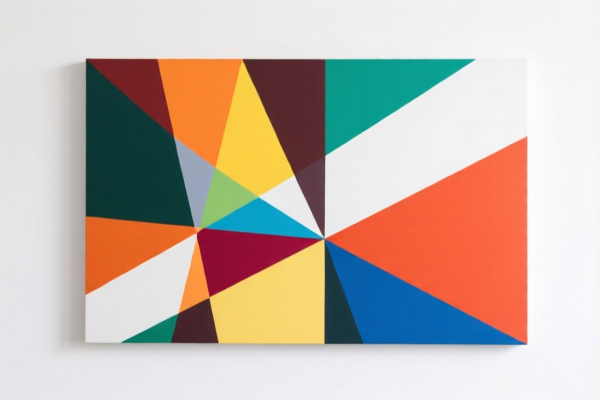
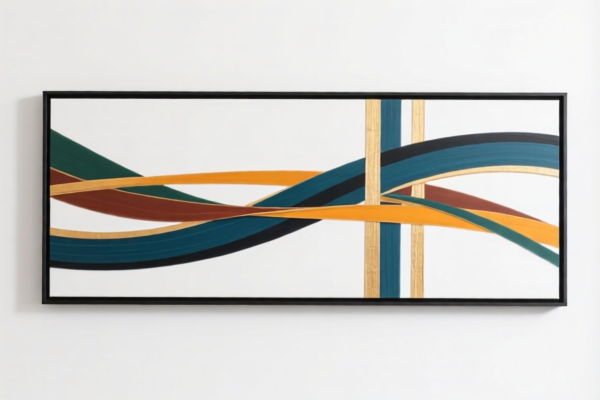
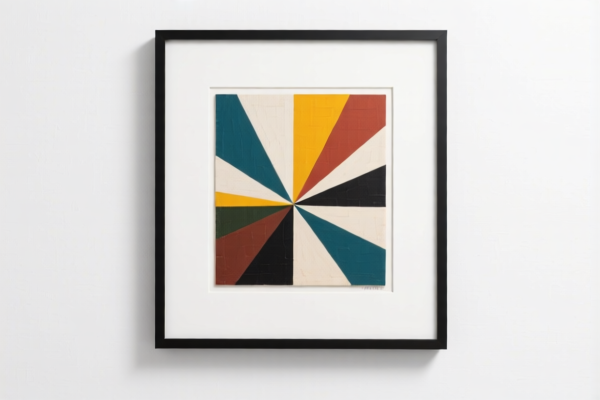
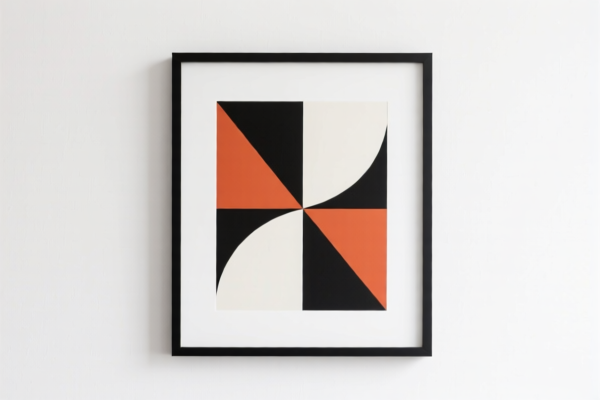
AI Analysis
🌳 Tree of Life Wall Art: Decoding HS Codes & Tax Liabilities (2026 Guide)
🌐 HS Code Reference & Customs Clearance Guide | 2026 Latest Tariff Analysis | Strategic Import Strategy
📌 I. Product Definition & Classification: What Exactly Is "Tree of Life Wall Art"?
The "Tree of Life" is a ubiquitous symbol in art, representing interconnectedness, growth, and nature. In international trade, these items are not a single unified product. They fall into distinct categories based on material and production method. Misclassification here can lead to massive tariff discrepancies (from 10% to 20.9%).
We categorize them into three main types based on the provided data:
- Paper-Based Prints: Posters, prints, or paper-mounted artworks.
- Plastic/Synthetic Decor: Wall hangings, plaques, or 3D decorations made from plastic/resin.
- Mixed Materials/Art Forms: Items combining metal, plastic, or other materials, or specific artistic forms like mosaics/panels.
⚠️ Key Distinction Point:
- If it is paper/cardboard based (posters, framed prints): Look to Chapter 49.
- If it is plastic/synthetic based (decorative plaques, resin art): Look to Chapter 39.
- If it is a mixed/material art piece (metal/plastic combo, mosaics): Look to Chapter 97 or Chapter 39/49 depending on specific composition.
📦 II. HS Code Classification Matrix (2026 Latest Tariff Data)
| HS Code | Product Description | Primary Material | Total Tax Rate | Breakdown of Taxes |
|---|---|---|---|---|
4911.91.20.20 |
Paper-Printed Poster Wall Art | Paper/Cardboard | 10.0% | Base: 0%, Section 301: 0%, Section 122: 10% |
3926.90.10.00 |
Plastic/Synthetic Decorative Art | Plastic/Resin | 20.9% | Base: 3.4%, Section 301: 7.5%, Section 122: 10% |
4911.91.40.20 |
Other Printed Poster Wall Art | Paper/Cardboard | 17.5% | Base: 0%, Section 301: 7.5%, Section 122: 10% |
3926.40.00.90 |
Decorative Articles (Plastic/Metal) | Plastic/Metal Mix | 15.3% | Base: 5.3%, Section 301: 0%, Section 122: 10% |
9701.99.00.00 |
Art Panels (Painting/Mosaic/Collage) | Mixed/Art Form | 17.5% | Base: 0%, Section 301: 7.5%, Section 122: 10% |
🔍 Critical Reminder:
- Section 122 Tariff (10%) applies to ALL these categories. This is a significant burden.
- The difference lies in the Base Tariff and Section 301 Tariff.
- Plastic items (3926.90.10.00) are the most expensive at 20.9%.
- Pure Paper items (4911.91.20.20) are the cheapest at 10.0%.
💰 III. Detailed Tariff Breakdown (Including Surtaxes & Policy Add-ons)
✅ Applicable Country: United States (US)
✅ Origin: China (CN)
✅ Key Policy: Section 122 Tariff (10% on certain goods) + Standard Base/301 Tariffs
🎯 1. 4911.91.20.20 — Paper-Printed Poster Wall Art (Lowest Risk/Cost)
| Item | Details |
|---|---|
| Base Tariff | 0% |
| Section 301 Surtax | 0% |
| Section 122 Tariff | +10% |
| Total Effective Rate | 10.0% |
| Calculation | CIF Value × 10% |
| De Minimis Eligibility | ❌ No (Section 122 goods are generally excluded from de minimis exemptions) |
📌 Analysis:
- This is the most favorable classification for wall art if it can be proven to be purely paper-based.
- The 0% base and 0% Section 301 rates make it highly competitive.
- Requirement: Must be strictly paper, cardstock, or similar. No plastic lamination or plastic frames if possible.
🎯 2. 3926.90.10.00 — Plastic/Synthetic Decorative Art (Highest Cost)
| Item | Details |
|---|---|
| Base Tariff | 3.4% |
| Section 301 Surtax | +7.5% |
| Section 122 Tariff | +10% |
| Total Effective Rate | 20.9% |
| Calculation | CIF Value × 20.9% |
| De Minimis Eligibility | ❌ No |
📌 Analysis:
- This applies to resin trees, plastic wall hangings, or synthetic decor.
- The combination of Base (3.4%) + 301 (7.5%) + 122 (10%) creates a heavy tax burden.
- Warning: If your product is plastic but you misclassify it as paper, Customs will reclassify it upon inspection, leading to back taxes and penalties.
🎯 3. 4911.91.40.20 — Other Printed Poster Wall Art
| Item | Details |
|---|---|
| Base Tariff | 0% |
| Section 301 Surtax | +7.5% |
| Section 122 Tariff | +10% |
| Total Effective Rate | 17.5% |
| Calculation | CIF Value × 17.5% |
📌 Analysis:
- Use this if the paper product doesn't fit the "poster" definition of4911.91.20.20but is still printed paper art.
- Higher than20.20due to the 7.5% Section 301 surcharge.
🎯 4. 3926.40.00.90 — Decorative Articles (Plastic/Metal)
| Item | Details |
|---|---|
| Base Tariff | 5.3% |
| Section 301 Surtax | 0% |
| Section 122 Tariff | +10% |
| Total Effective Rate | 15.3% |
| Calculation | CIF Value × 15.3% |
📌 Analysis:
- This is a "sweet spot" if your product is a mix of plastic and metal (e.g., a metal frame with plastic elements) or specific decorative articles that fall under "other."
- Lower total tax than pure plastic (3926.90.10.00) because Section 301 is 0%.
🎯 5. 9701.99.00.00 — Art Panels (Painting/Mosaic/Collage)
| Item | Details |
|---|---|
| Base Tariff | 0% |
| Section 301 Surtax | +7.5% |
| Section 122 Tariff | +10% |
| Total Effective Rate | 17.5% |
| Calculation | CIF Value × 17.5% |
📌 Analysis:
- Applies to hand-painted canvases, mosaics, or collage art.
- Requires proof of artistic value/originality. Mass-produced printed posters do NOT qualify.
🛠️ IV. Customs Clearance Practical Advice (Pitfall Avoidance)
✅ 1. Documentation Checklist (Non-Negotiable)
| Document | Required? | Purpose |
|---|---|---|
| Product Specification Sheet | ✔️ | Must detail material (Paper vs. Plastic vs. Mixed). |
| Material Composition Ratio | ✔️ | Critical for 3926.40.00.90 vs 3926.90.10.00. |
| High-Res Photos | ✔️ | Show texture, edges, and construction (e.g., is it a thin paper sheet or thick resin?). |
| Commercial Invoice | ✔️ | Description must match HS Code exactly (e.g., "Paper Poster" not just "Art"). |
| Certificate of Origin | ✔️ | Proves China origin (triggers Section 301/122). |
| Artistic Proof (if claiming 9701) | ✔️ | Artist statement, limited edition proof, or handmade verification. |
✅ 2. Declaration Strategy (Key Mantras)
🔥 "Material Dictates Duty, Section 122 is Universal!"
| Scenario | Recommended HS Code | Why? |
|---|---|---|
| Cheap Printed Poster on Cardstock | 4911.91.20.20 |
10% Tax (Lowest). Ensure no plastic film. |
| Resin/Plastic Tree of Life Plaque | 3926.90.10.00 |
20.9% Tax. Be prepared for high cost. |
| Metal Frame + Plastic Inlay/Detail | 3926.40.00.90 |
15.3% Tax. Better than pure plastic if structure allows. |
| Hand-Painted Canvas/Mosaic | 9701.99.00.00 |
17.5% Tax. Requires artistic proof. |
| Other Printed Paper Art | 4911.91.40.20 |
17.5% Tax. Fallback for paper if not "poster." |
✅ 3. Special Handling Tips
- Avoid "Plastic" in Descriptions for Paper Items: If you ship a paper poster but label it "Plastic Wall Decor," you may be audited. Be honest but precise.
- Section 122 is a Trap: Unlike Section 301, Section 122 (10%) applies to many consumer goods. Do not assume it doesn't apply. All 5 codes above include the 10% Section 122 tariff.
- Pre-Ruling is Critical: For mixed-material items (e.g.,
3926.40.00.90), apply for a Binding Tariff Information (BTI) or Advance Ruling from CBP to confirm the 0% Section 301 rate applies. - De Minimis Exemption: Do NOT rely on De Minimis (Section 321) for these items. Section 122 goods are typically excluded. Ensure your shipment value and compliance strategy accounts for full duty payment at entry.
🌍 V. Global Market Comparison (2026 Outlook)
| Market | Recommended HS Code | Est. Total Tax | Notes |
|---|---|---|---|
| 🇺🇸 USA | 4911.91.20.20 |
10.0% | Best for paper. Use 3926.40.00.90 (15.3%) for mixed materials to save vs pure plastic (20.9%). |
| 🇨🇳 China | 4911.91.20.20 |
~6-10% | Import duties may vary. Check current Chinese tariff schedule. |
| 🇪🇺 EU | 4911.99.99 / 3926.90 |
~6.5% - 10% | No Section 301/122 equivalent. VAT applies. |
| 🇬🇧 UK | 4911.99 / 3926.90 |
~6.5% | Post-Brexit rules apply. |
📌 Conclusion:
The USA market is the most complex due to Section 301 and Section 122 tariffs.
- Strategy: If possible, design products to qualify for4911.91.20.20(Paper) or3926.40.00.90(Mixed/Decorative) to minimize the 20.9% hit on pure plastic.
📌 VI. Common Mistakes & Pitfalls
❌ Mistake 1: Classifying a Resin Plaque as a Paper Poster (4911.91.20.20).
👉 Consequence: Customs seizes the shipment, imposes back duties (20.9% - 10% = 10.9% difference) + penalties + storage fees.
❌ Mistake 2: Ignoring Section 122.
👉 Consequence: Assuming only Base + 301 taxes apply. You will owe an additional 10% on ALL items listed.
❌ Mistake 3: Mislabeling Mixed Materials.
👉 Consequence: Claiming 3926.40.00.90 (15.3%) for a product that is 99% plastic (3926.90.10.00 at 20.9%) leads to audit. Provide material breakdowns.
✅ Correct Approach:
"Tree of Life Art, Printed on Matte Paper, Unframed, 24x36 inches" →
4911.91.20.20
"Tree of Life Decor, Injection Molded Plastic Wall Plaque" →3926.90.10.00
🎯 VII. Conclusion: Professional Classification Saves Money
🎯 Key Takeaway:
🔹 "Paper is Cheapest (10%), Plastic is Most Expensive (20.9%). Mixed is Middle (15.3%)."
🔹 "Section 122 (10%) is on EVERYTHING. Don't forget it!"
🔹 "Prove your material. Don't guess. Customs will check."
📌 Pro Tip:
If you are importing large volumes, consider designing your product to shift from "Pure Plastic" (3926.90.10.00) to "Decorative Articles/Mixed" (3926.40.00.90) or "Paper" (4911.91.20.20) to save 5.6% to 10.9% in tariffs. This can significantly impact your profit margin.
📣 Immediate Action:
📞 Contact your freight forwarder with the exact material composition.
📄 Request an HS Code Pre-Ruling from CBP if the product is mixed-material.
💸 Calculate Landed Cost using the Total Tax rates above, not just the Base rate.
✨ Precise Classification, Maximum Profit!
💼 Every percentage point counts in global trade!
Customer Reviews
About HS Code Classification
The Harmonized System (HS) is an internationally standardized nomenclature developed by the World Customs Organization (WCO) to classify traded products. Over 200 countries use the HS system as the basis for customs tariffs, trade statistics, and import/export regulations.
Each HS code follows a hierarchical structure:
- Chapter (2 digits) — Broad category of goods (e.g., Chapter 84: Machinery and Mechanical Appliances)
- Heading (4 digits) — More specific grouping within the chapter
- Subheading (6 digits) — Internationally standardized breakdown, used by all WCO member countries
- National subdivisions (8-10 digits) — Country-specific extensions for further classification, such as US HTSUS 10-digit codes
Correct HS code classification is essential for smooth customs clearance, accurate duty payment, and compliance with trade regulations. Misclassification can lead to customs delays, overpayment of duties, or penalties.
When importing from CN to US, the applicable tariff rates may include:
- Most-Favored-Nation (MFN) rate — The standard duty rate applied to WTO members
- General rate — Applied to countries without trade agreements
- Trade remedy duties — Additional tariffs such as Section 301 (anti-dumping), Section 232 (national security), or countervailing duties
The information provided on this page is for reference purposes only. For official classification, please consult with your local customs authority or a licensed customs broker.