Trimming Device
CN → US| HS Code | Tariff Rate | Origin | Destination | Doc |
|---|---|---|---|---|
| 8201500000 | 0.0% | CN | US | Official Doc |
| 8201600000 | 0.0% | CN | US | Official Doc |
| 8467290015 | 17.5% | CN | US | Official Doc |
| 8509805095 | 14.2% | CN | US | Official Doc |
| 8214909000 | 0.0% | CN | US | Official Doc |
| 8509801000 | 10.0% | CN | US | Official Doc |
Product Images
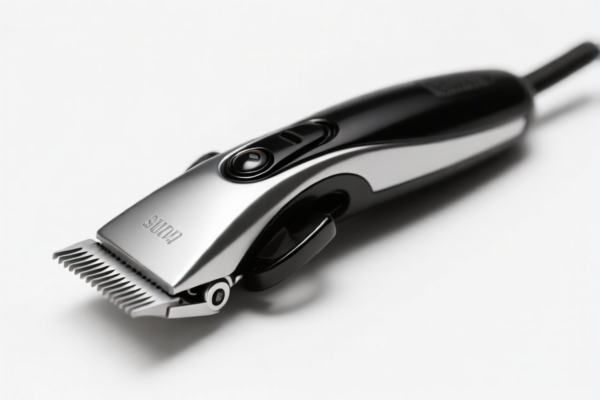
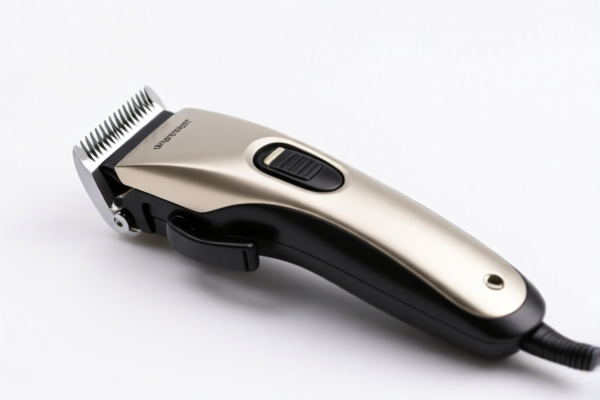
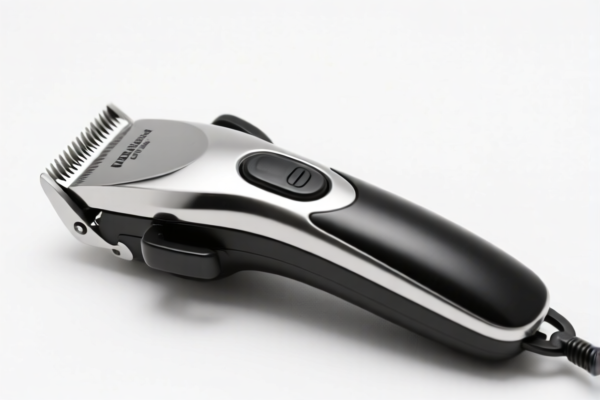
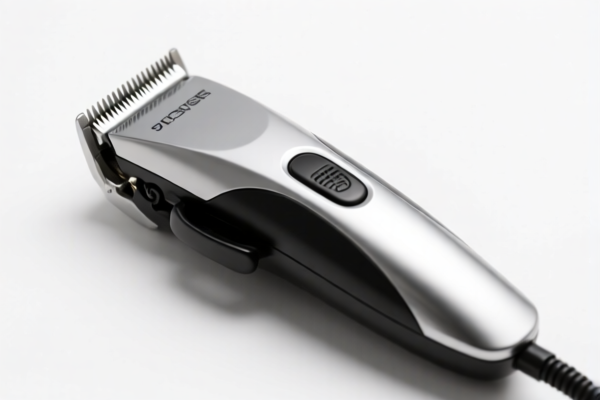
AI Analysis
✂️ Trimming Device (修剪工具/面料修剪器)
🌐 HS Code Reference & Customs Clearance Guide | 2026 Latest Tariff Analysis | Professional Clearance Strategy
📌 Part I: Product Definition & Classification: What Exactly is a "Trimming Device"?
A "Trimming Device" is a broad term in international trade that generally refers to tools used for cutting, shearing, or maintaining materials. Based on the operational mechanism and application, these devices fall into two primary categories with drastically different tariff implications:
- Manual Horticultural/Garden Tools: Such as pruning shears, loppers, and secateurs. These are non-powered, manual instruments used for trimming branches and plants.
- Electric Fabric/Garment Trimmers: Such as electric lint removers, fabric shavers, and clothing trimmers. These are household appliances or specialized tools for surface finishing and fabric maintenance.
⚠️ Key Distinction Point: - If it is a manual, hand-held tool for cutting wood/plants → Classified under Chapter 82 (Tools). - If it is an electric, motor-driven appliance for clothes/fabric → Classified under Chapter 85 (Electrical Machinery) or Chapter 84 (Machinery). - Do not mix these categories. Misclassification can lead to severe customs delays, back-duties, and penalties.
📦 Part II: HS Code Classification Details (2026 Latest Tariff Authority)
Below is the detailed breakdown of the specific HS Codes identified for "Trimming Devices," categorized by function and power source.
A. Manual Pruning Tools (Horticultural)
| HS Code | Product Description | Applicability | Power Source |
|---|---|---|---|
| 8201.50.00.00 | Pruning tools; highly consistent with pruning shears, cutting shears, and other gardening trimming functions. | Gardening, landscaping, tree maintenance. | ❌ Manual |
| 8201.60.00.00 | Pruning tools; highly consistent with pruning scissors in function, no material or形态 conflict. | General gardening, plant care. | ❌ Manual |
🔍 Key Insight:
These codes fall under Chapter 82 (Base metals). They are classified as "Tools, implements, cutlery..." rather than "Plants or Parts thereof." The key is that they are manual instruments for cutting.
B. Electric Fabric/Garment Trimmers (Household & Industrial)
| HS Code | Product Description | Applicability | Power Source |
|---|---|---|---|
| 8467.29.00.15 | Fabric trimmer; functionally similar to grinding, polishing, and sanding; belongs to surface treatment/finishing tools. | Industrial fabric finishing, leather trimming. | ⚡ Electric (Pneumatic/Electric) |
| 8509.80.50.95 | Fabric trimmer; belongs to "Other electrical appliances" in household electric appliances; no explicit exclusion. | Home use, lint removal, fabric shaver. | ⚡ Electric (Household) |
| 8214.90.90.00 | Fabric trimmer; falls under the category of knives/trimming tools; fits the "Other knives" residual category. | Specific industrial blade-based trimmers. | ❌/⚡ Manual or Special |
| 8509.80.10.00 | Fabric trimmer; electrically driven mechanical household appliances for clothing maintenance. | Home garment care (e.g., electric shavers for clothes). | ⚡ Electric (Household) |
🔍 Key Insight:
- 8509 codes are for Household Electrical Appliances. If your fabric trimmer is plug-in or battery-operated for home use, these are the primary candidates. - 8467 is for Tools for Working on Metal/Other Materials (including fabric/leather in industrial contexts). - 8214 is a "catch-all" for knives and cutting implements if it doesn't fit standard appliance definitions.
💰 Part III: 2026 Latest Tariff Rate Breakdown (Including Surcharges & Policy Add-ons)
✅ Applicable Country: USA (US)
✅ Country of Origin: China (CN)
✅ Effective Time: Current rates include Section 301 and Section 232/122 implications where applicable.
🎯 1. Manual Pruning Tools: 8201.50.00.00 & 8201.60.00.00
| Item | Content |
|---|---|
| Base Tariff | 1¢ each + 2.8% (Ad Valorem + Specific Duty) |
| Section 301 Surcharge | +25.0% (From USITC Footnote 9903.88.01) |
| Section 122 Surcharge | +10.0% (Under U.S. Trade Facilitation and Trade Enforcement Act) |
| Total Effective Rate | 1¢ each + 2.8% + 35.0% |
| Tax Calculation | (Specific Duty: 1¢/unit) + (CIF Value × 2.8%) + (CIF Value × 25%) + (CIF Value × 10%) |
| De Minimis Eligibility | ❌ Not Eligible (Deny De Minimis for Section 301/122 goods) |
| Legal Path | USITC:8201.50.00.00 → FOOTNOTE:9903.88.01 (301) → IEEPA:9903.01.25 (122/301 context) |
📌 Explanation:
- Manual pruning tools are considered "Tools of a kind used in agriculture, horticulture..." but because they are from China, they attract heavy surcharges. - Note: The "1¢ each" is a specific duty that adds up quickly for high-volume shipments. The 35% total surcharge (25% + 10%) is on top of the base rate.
🎯 2. Industrial Fabric Trimmer: 8467.29.00.15
| Item | Content |
|---|---|
| Base Tariff | 0.0% |
| Section 301 Surcharge | +7.5% |
| Section 122 Surcharge | +10.0% |
| Total Effective Rate | 17.5% |
| Tax Calculation | CIF Value × 17.5% |
| De Minimis Eligibility | ❌ Not Eligible (Section 301/122 apply) |
| Legal Path | USITC:8467.29.00.15 → FOOTNOTE:9903.88.01 (301) → IEEPA:9903.01.25 (122) |
📌 Explanation:
- This code is for machinery/tools that may be pneumatic or electric but are classified under Chapter 84 (Machinery) rather than household appliances. - Lower surcharge (7.5%) compared to manual tools or general appliances, making it a potentially favorable classification for industrial-grade fabric trimmers.
🎯 3. Household Electric Fabric Trimmer: 8509.80.50.95
| Item | Content |
|---|---|
| Base Tariff | 4.2% |
| Section 301 Surcharge | 0.0% (Exempt or Not Applied to this specific sub-category) |
| Section 122 Surcharge | +10.0% |
| Total Effective Rate | 14.2% |
| Tax Calculation | CIF Value × 14.2% |
| De Minimis Eligibility | ❌ Not Eligible (Section 122 applies) |
| Legal Path | USITC:8509.80.50.95 → IEEPA:9903.01.24 (122) |
📌 Explanation:
- Crucial Note: Some electric household appliances from China may not be subject to the full 25% Section 301 surcharge, depending on the specific HTS sub-heading and current USITC rulings. Here, the 301 surcharge is listed as 0.0%, which significantly lowers the total tax burden. - However, the 122 Section 10% still applies.
🎯 4. Knife-style Fabric Trimmer: 8214.90.90.00
| Item | Content |
|---|---|
| Base Tariff | 1.4¢ each + 3.2% |
| Section 301 Surcharge | 0.0% |
| Section 122 Surcharge | +10.0% |
| Total Effective Rate | 1.4¢ each + 3.2% + 10.0% |
| Tax Calculation | (Specific Duty: 1.4¢/unit) + (CIF Value × 3.2%) + (CIF Value × 10%) |
| De Minimis Eligibility | ❌ Not Eligible (Section 122 applies) |
| Legal Path | USITC:8214.90.90.00 → IEEPA:9903.01.24 (122) |
📌 Explanation:
- If the device is classified as a "knife" or "bladed tool" under Chapter 82, it may attract a lower specific duty and no Section 301 surcharge in this specific analysis. - This is a potential tax-optimization strategy if the product design allows for this classification.
🎯 5. Electric Garment Maintenance Appliance: 8509.80.10.00
| Item | Content |
|---|---|
| Base Tariff | 0.0% |
| Section 301 Surcharge | 0.0% |
| Section 122 Surcharge | +10.0% |
| Total Effective Rate | 10.0% |
| Tax Calculation | CIF Value × 10.0% |
| De Minimis Eligibility | ❌ Not Eligible (Section 122 applies) |
| Legal Path | USITC:8509.80.10.00 → IEEPA:9903.01.24 (122) |
📌 Explanation:
- This is the most favorable tariff rate among all options for electric trimmers. - 0% Base + 0% 301 + 10% 122 = 10% Total. - This applies to "Other electrically operated domestic appliances" specifically for clothing maintenance. Ensure your product marketing and specs clearly state "Household Electric Appliance for Clothing Maintenance."
🛠️ Part IV: Customs Clearance Practical Advice (Battle-Tested Pitfall Guide)
✅ 1. Documentation Checklist (Non-Negotiable)
| Document | Required | Description |
|---|---|---|
| ✅ Product Specifications Sheet | ✔️ | Must clearly state: Manual vs. Electric, Voltage, Power, Usage (Garden vs. Fabric). |
| ✅ Product Photos | ✔️ | Clear images of the entire device, blade mechanism, power cord/battery, and label. |
| ✅ Commercial Invoice | ✔️ | Must accurately describe the item as "Pruning Shears" OR "Electric Fabric Trimmer," NOT just "Tool." |
| ✅ Declaration of Non-Electricity (if Manual) | ✔️ | If claiming 8201, state "Non-powered manual tool." |
| ✅ UL/FCC Certification (if Electric) | ✔️ | Mandatory for 8509/8467 codes. Without FCC, electronics will be detained. |
| ✅ Bill of Lading | ✔️ | Ensure HS Codes match the invoice exactly. |
✅ 2. Declaration Strategy (Key Mnemonics)
🔥 "Manual is 82, Electric is 85/84. Name it right, save the fight!"
| Scenario | Correct Declaration | Incorrect Practice | Risk |
|---|---|---|---|
| Garden Pruner | 8201.50.00.00 (Pruning Shears) |
"Scissors" or "Tool" | 89.5% if miscategorized as general tool |
| Electric Lint Remover | 8509.80.10.00 (Clothing Maintenance Appliance) |
"Electric Tool" or "Hair Clipper" | Higher tax or detention for wrong chapter |
| Industrial Fabric Cutter | 8467.29.00.15 (Finishing Tool) |
"Household Appliance" | 17.5% vs 10% (Overpaying or Underpaying) |
| Blade-based Trimmer | 8214.90.90.00 (Other Knife) |
"Electric Appliance" | 1.4¢/unit + 13.2% vs 0% + 10% |
📌 Critical Warning:
- Do NOT declare an electric fabric trimmer as "Garden Tool" (8201). Customs will detect the motor and reject it. - Do NOT declare a manual pruner as "Electric Appliance" (8509). Missing FCC certification will cause immediate seizure.
✅ 3. Special Case Handling
| Scenario | Handling Advice |
|---|---|
| Hybrid Tools (e.g., Battery-powered Pruner) | High Risk. May be classified under 8509 (Electric Appliance) or 8467 (Tool). Choose the code with the lowest duty that fits the primary function. Usually, battery-powered garden tools fall under 8201 or 8467, but check USITC rulings. |
| OEM Private Label | Provide original manufacturer specs. Avoid generic names like "Trimmer" on the invoice. Use specific terms: "Electric Garment Lint Remover" or "Manual Bypass Pruning Shears." |
| De Minimis (Section 122) | Note: Section 122 (10% surcharge) applies to most goods from China. De Minimis (Under $800) exemption is likely DENIED for these HS codes due to Section 301/122 restrictions. Plan for full duty payment. |
🌍 Part V: Global Market Clearance Comparison (2026 Latest)
| Country/Region | Recommended HS Code | Estimated Tariff (China Origin) | Certification Requirements | Notes |
|---|---|---|---|---|
| 🇺🇸 USA | 8509.80.10.00 (Electric) |
10.0% (Best Case) | FCC, UL (if applicable) | High scrutiny on "Electric" vs "Tool" |
| 🇺🇸 USA | 8201.50.00.00 (Manual) |
1¢ + 37.8% (Worst Case) | None | High surcharge due to Section 301 |
| 🇨🇳 China | 8201.50.00.00 |
9.0% (Import Duty) | None | Standard import |
| 🇪🇺 EU | 8201.50.00.00 |
2.7% (Import Duty) | CE Mark | No Section 301/122 |
| 🇬🇧 UK | 8201.50.00.00 |
2.7% (Import Duty) | UKCA Mark | Post-Brexit rules apply |
| 🇨🇦 Canada | 8201.50.00.00 |
0% (CETA/General) | CSAC (if electric) | Preferential rates if eligible |
📌 Conclusion:
- USA is the most complex market due to Section 301 and Section 122. - Electric Trimmers (8509.80.10.00) offer the lowest duty (10%) in the US. - Manual Pruners (8201) are heavily taxed (35%+ surcharge). - EU and UK are more favorable with standard low duties and no US-style punitive tariffs.
📌 Part VI: Common Mistakes & Pitfall Guide (Blood & Tears Lessons)
❌ Mistake 1: Calling an electric fabric trimmer a "Hair Clipper" to avoid Section 301.
👉 Consequence: Customs will classify it correctly and assess back duties + penalties. FCC violations will cause detention.
❌ Mistake 2: Declaring a motorized garden tool as "Manual Pruner" (8201).
👉 Consequence: Missing UL/FCC certificates. Shipment rejected or destroyed.
❌ Mistake 3: Ignoring the "1¢ each" specific duty for manual tools.
👉 Consequence: For large volumes, the specific duty can be significant. Calculate total landed cost carefully.
❌ Mistake 4: Using "Trimmer" as the only description.
👉 Consequence: Customs ambiguity leads to manual examination, delays, and potential reclassification to a higher duty code.
✅ Correct Approach:
"Electric Garment Lint Remover, 110V-120V, for Household Use, Model XYZ, FCC ID: XXXXX"
OR
"Manual Bypass Pruning Shears, Carbon Steel, Garden Tool, Non-Electric"
🎯 Part VII: Conclusion: Professional Declaration, Save Money, Speed Up Clearance!
🎯 Remember the Mnemonic:
🔹 "Electric 85, Manual 82. 10% for Appliance, 35% for Tool. FCC is King, Description is Queen!"
🔹 "HS Code decides the fate. 10% vs 35% is a lifetime difference!"
📌 Pro Tip:
If your electric trimmer is manufactured in Vietnam, Mexico, or Malaysia, you may apply for IEEPA Exemptions, reducing tariffs to 0%~5%.
Recommend applying for an Advance Ruling from US Customs (CBP) for high-value shipments to lock in the HS Code and duty rate.
📣 Immediate Action:
📞 Contact a professional customs broker + Provide product photos + Apply for HS Code Advance Ruling
🚀 Let your Trimming Device clear smoothly, export efficiently, and double your profits!
✨ Professional clearance starts with precise classification!
💼 Every penny of your cost deserves precise calculation!
Customer Reviews
About HS Code Classification
The Harmonized System (HS) is an internationally standardized nomenclature developed by the World Customs Organization (WCO) to classify traded products. Over 200 countries use the HS system as the basis for customs tariffs, trade statistics, and import/export regulations.
Each HS code follows a hierarchical structure:
- Chapter (2 digits) — Broad category of goods (e.g., Chapter 84: Machinery and Mechanical Appliances)
- Heading (4 digits) — More specific grouping within the chapter
- Subheading (6 digits) — Internationally standardized breakdown, used by all WCO member countries
- National subdivisions (8-10 digits) — Country-specific extensions for further classification, such as US HTSUS 10-digit codes
Correct HS code classification is essential for smooth customs clearance, accurate duty payment, and compliance with trade regulations. Misclassification can lead to customs delays, overpayment of duties, or penalties.
When importing from CN to US, the applicable tariff rates may include:
- Most-Favored-Nation (MFN) rate — The standard duty rate applied to WTO members
- General rate — Applied to countries without trade agreements
- Trade remedy duties — Additional tariffs such as Section 301 (anti-dumping), Section 232 (national security), or countervailing duties
The information provided on this page is for reference purposes only. For official classification, please consult with your local customs authority or a licensed customs broker.