Tropical Fruit Puree
CN → US| HS Code | Tariff Rate | Origin | Destination | Doc |
|---|---|---|---|---|
| 2008998000 | 44.6% | CN | US | Official Doc |
| 2008994500 | 31.5% | CN | US | Official Doc |
Product Images
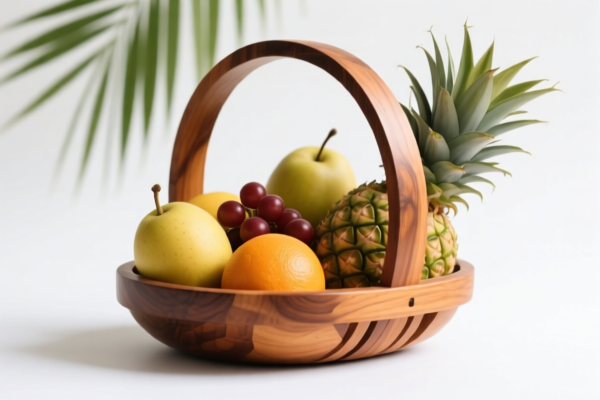
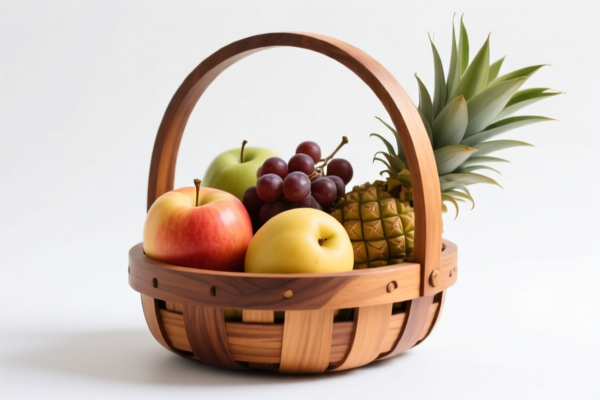
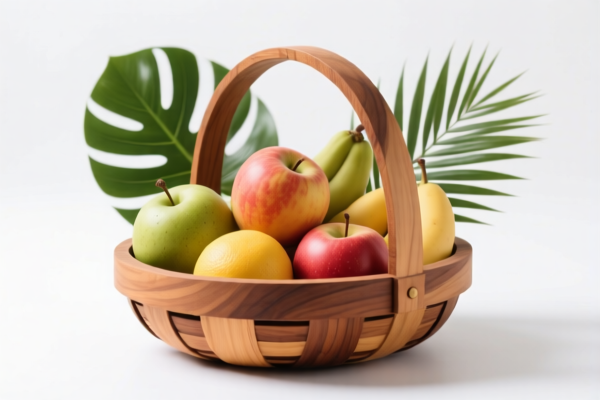
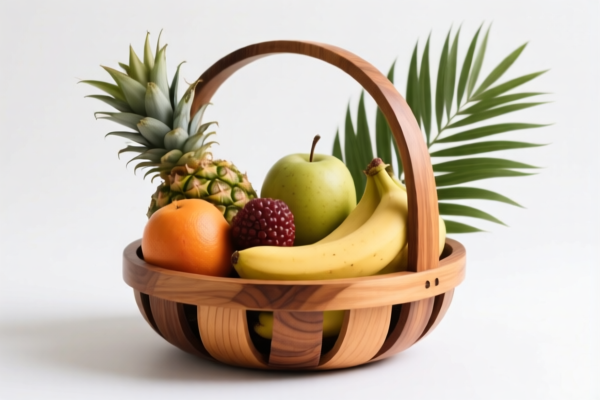
AI Analysis
🍈 Tropical Fruit Puree (Papaya & Mixed Fruit Pulp)
🌐 HS Code Reference & Customs Clearance Guide | 2026 Latest Tariff Analysis | Professional Entry Strategy
📌 I. Product Definition & Classification: What Exactly Is "Tropical Fruit Puree"?
Tropical Fruit Puree refers to fruits and edible plant parts that have been mechanically processed (crushed, pulped, or homogenized) and are otherwise prepared or preserved, whether or not containing added sugar, sweeteners, or spirit. In international trade, the specific HS Code depends heavily on the botanical origin and form of the product.
The critical distinction lies between: 1. Papaya Pulp: Specifically derived from Carica papaya. 2. Other Fruit/Nut Mixtures: Any other fruit pulp (e.g., mango, pineapple, guava) or mixtures not specifically listed elsewhere, falling under the "Other" category.
⚠️ Key Distinction Point:
- If the product is 100% Papaya Pulp → It qualifies for specific subheading 2008.99.45.00.
- If the product is Mango, Pineapple, Mixed Fruit, or Unspecified Pulp → It falls under the general "Other" category 2008.99.80.00.
- Do not mix declarations: Papaya has a preferential tariff status, while other fruits do not under this specific classification structure.
📦 II. HS Code Classification Details (2026 Latest Tariff Authority Comparison)
| HS Code | Product Description | Application Scenario | Tariff Status |
|---|---|---|---|
2008.99.45.00 |
Papayas: Pulp | Pureed papaya, single-origin papaya puree, preserved papaya pulp | ✅ Exempt (0%) |
2008.99.80.00 |
Other: Pulp | Mango pulp, mixed fruit purees, non-specified tropical fruit pulp, nut mixtures | ⚠️ High Tax (34.6%) |
🔍 Key Reminder:
- Papaya Pulp is explicitly separated from other fruit pulps in Subheading 2008.99.
- "Other" in2008.99.80.00acts as a catch-all for fruits like Mango, Pineapple, Guava, Avocado, or any mixture that isn't Papaya, Coffee, or Chocolate.
- Preservation Method: Both codes apply to fruits "otherwise prepared or preserved" (e.g., heated, frozen, or canned in puree form).
💰 III. 2026 Latest Tariff Rate Breakdown (Including Surcharges & Policy Add-ons)
✅ Applicable Country: United States (US)
✅ Origin: China (CN)
✅ Effective Time: Current rates apply (Base + Section 301 Surcharges)
🎯 1. 2008.99.80.00 —— Other Fruit/Nut Pulp (e.g., Mango, Mixed Fruit)
| Item | Content |
|---|---|
| Base Tariff Rate | 9.6% (ad valorem) |
| Additional Surcharge (Section 301) | +25.0% |
| Total Tax Rate | 34.6% |
| Tax Calculation | CIF Value × 34.6% |
| De Minimis Exemption | ❌ Not Available |
| Legal Basis Path | HTSUS 2008.99.80.00 → Section 301 List 3/4 Additions |
📌 Explanation:
- This category includes most tropical fruit purees except papaya.
- The 9.6% is the standard Most Favored Nation (MFN) rate.
- The +25% is the additional tariff imposed under US Trade Law Section 301 on Chinese goods.
- Total Effective Duty: 34.6%. This is a significant cost driver for exporters.
🎯 2. 2008.99.45.00 —— Papayas: Pulp
| Item | Content |
|---|---|
| Base Tariff Rate | 0.0% |
| Additional Surcharge (Section 301) | 0.0% |
| Total Tax Rate | 0.0% |
| Tax Calculation | CIF Value × 0% |
| De Minimis Exemption | N/A (No tax) |
| Legal Basis Path | HTSUS 2008.99.45.00 → Exempt from Section 301 |
📌 Important Note:
- Papaya pulp enjoys zero duty status in this classification.
- This is a major cost advantage over other tropical fruits.
- Strict Definition: The product must be demonstrably Papaya. If mixed with other fruits, it may be reclassified to2008.99.80.00unless properly blended under specific rules of origin (consult customs broker for blends).
🛠️ IV. Customs Clearance Operational Advice (Practical Pitfall Avoidance)
✅ 1. Required Documentation Checklist (None Can Be Missing)
| Document | Mandatory | Description |
|---|---|---|
| ✅ Product Specification Sheet | ✔️ | Must clearly state: "Fruit Puree," Botanical Name (e.g., Carica papaya for papaya), Solids Content, Sugar/Brix Level. |
| ✅ Ingredients List | ✔️ | Must specify if additives (sugar, citric acid, preservatives) are present. |
| ✅ Commercial Invoice | ✔️ | Must clearly describe the product as "Pulp" or "Puree," NOT just "Fruit." |
| ✅ Phytosanitary Certificate | ✔️ | Required for all fresh/frozen fruit products entering the US. |
| ✅ Certificate of Origin (CO) | ✔️ | Crucial for proving Chinese origin to apply correct surcharges. |
| ✅ Packaging Label Photos | ✔️ | Must show product name, net weight, batch number, and storage instructions. |
✅ 2. Declaration Strategies (Key Mantras)
🔥 "Identify the Fruit, Specify the Form, Declare Accurately!"
| Scenario | Correct Declaration | Wrong Action |
|---|---|---|
| 100% Papaya Pulp | HS: 2008.99.45.00 |
Misdeclare as "Other Fruit" → 34.6% tax instead of 0% |
| Mango/Pineapple Pulp | HS: 2008.99.80.00 |
Misdeclare as "Papaya" → Customs Penalty + Back Taxes |
| Mixed Fruit Puree | HS: 2008.99.80.00 |
Try to split into multiple HS codes → Complexity & Risk |
| Fresh vs. Puree | Ensure it’s "Prepared/Preserved" | Declare Fresh Fruit (Ch 08) → Wrong Chapter |
✅ 3. Special Situation Handling
| Situation | Handling Advice |
|---|---|
| Blended Purees (e.g., Mango + Papaya) | Generally classified under "Other" (2008.99.80.00) because it is no longer exclusively Papaya. Verify with a customs broker. |
| Added Sugar/Sweetener | Still classified under Chapter 20 as "Prepared." Sugar content may affect excise taxes in some countries, but US duty remains based on HS Code. |
| Frozen vs. Canned | Both fall under 2008 if "prepared/preserved." Ensure the description matches the physical state. |
| Nut Pulp/Mixtures | Falls under 2008.99.80.00 ("Other, including mixtures..."). Tax: 34.6%. |
🌍 V. Global Market Customs Comparison (2026 Latest)
| Country/Region | Recommended HS Code | Tariff Rate | Notes |
|---|---|---|---|
| 🇺🇸 USA | 2008.99.45.00 (Papaya) |
0.0% | Zero duty for Papaya Pulp. |
| 🇺🇸 USA | 2008.99.80.00 (Other) |
34.6% | High duty due to 25% surcharge + 9.6% base. |
| 🇪🇺 EU | Check EU TARIC | Varies | EU has different subheadings; Papaya may have quotas. |
| 🇨🇳 China | 2008.99.45.00 / 80.00 | Varies | Import tariffs vary; check current Chinese customs tariff. |
📌 Conclusion:
- Papaya Pulp is the only tropical fruit puree in this dataset with 0% duty in the US.
- All other tropical fruit purees (Mango, Pineapple, Mixed) face a 34.6% total duty.
- Strategic Advice: If possible, formulate products using Papaya base or segregate Papaya shipments to maximize tax efficiency.
📌 VI. Common Mistakes & Pitfall Guide (Lessons Learned)
❌ Mistake 1: Declaring "Mixed Fruit Puree" as Papaya Pulp
👉 Consequence: Customs audit, demand for back taxes (34.6%), and potential fines.
👉 Solution: Be precise. If Papaya is <100%, do not use 2008.99.45.00.
❌ Mistake 2: Failing to Specify "Pulp" vs. "Whole Fruit"
👉 Consequence: Wrong Chapter (Chapter 08 for fresh, Chapter 20 for prepared). Fresh fruit has different phytosanitary requirements and duties.
👉 Solution: Clearly state "Pureed," "Mashed," or "Homogenized" in the commercial invoice.
❌ Mistake 3: Ignoring Additives
👉 Consequence: If sugar is added, it may affect excise duties or labeling requirements, though base HS code may remain similar.
👉 Solution: List all ingredients transparently.
✅ Correct Practice:
"Papaya Pulp, Frozen, No Added Sugar, Model XYZ, Phytosanitary Cert #12345"
OR
"Mango Puree, Canned in Syrup, Model ABC, HS Code 2008.99.80.00"
🎯 VII. Conclusion: Precision in Classification Saves Money!
🎯 Remember the Mantra:
🔹 "Papaya is Zero, Others are Thirty-Four!"
🔹 "Know your fruit, declare the pulp, avoid the 34.6% trap!"
📌 Pro Tip:
If your product is a blend, consult a customs broker immediately. Misclassification of blended fruit purees is a frequent target for customs audits. For Papaya, ensure the supply chain documents prove 100% origin to maintain the 0% rate.
📣 Immediate Action:
📞 Contact your customs broker with the exact botanical name and processing method.
🚀 Clear Customs Faster, Lower Your Costs, Boost Your Profits!
✨ Professional Clearance Starts with Precise Classification!
💼 Every Percent of Tax Saved is Pure Profit!
Customer Reviews
About HS Code Classification
The Harmonized System (HS) is an internationally standardized nomenclature developed by the World Customs Organization (WCO) to classify traded products. Over 200 countries use the HS system as the basis for customs tariffs, trade statistics, and import/export regulations.
Each HS code follows a hierarchical structure:
- Chapter (2 digits) — Broad category of goods (e.g., Chapter 84: Machinery and Mechanical Appliances)
- Heading (4 digits) — More specific grouping within the chapter
- Subheading (6 digits) — Internationally standardized breakdown, used by all WCO member countries
- National subdivisions (8-10 digits) — Country-specific extensions for further classification, such as US HTSUS 10-digit codes
Correct HS code classification is essential for smooth customs clearance, accurate duty payment, and compliance with trade regulations. Misclassification can lead to customs delays, overpayment of duties, or penalties.
When importing from CN to US, the applicable tariff rates may include:
- Most-Favored-Nation (MFN) rate — The standard duty rate applied to WTO members
- General rate — Applied to countries without trade agreements
- Trade remedy duties — Additional tariffs such as Section 301 (anti-dumping), Section 232 (national security), or countervailing duties
The information provided on this page is for reference purposes only. For official classification, please consult with your local customs authority or a licensed customs broker.