Tropical Rough Wood
CN → US| HS Code | Tariff Rate | Origin | Destination | Doc |
|---|---|---|---|---|
| 4403490200 | 35.0% | CN | US | Official Doc |
| 4403410000 | 35.0% | CN | US | Official Doc |
| 4407290220 | 35.0% | CN | US | Official Doc |
Product Images
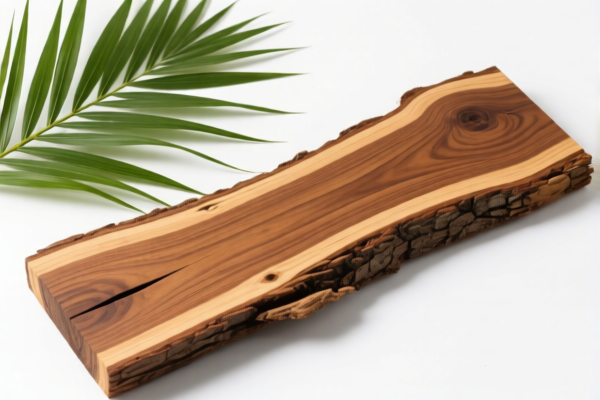
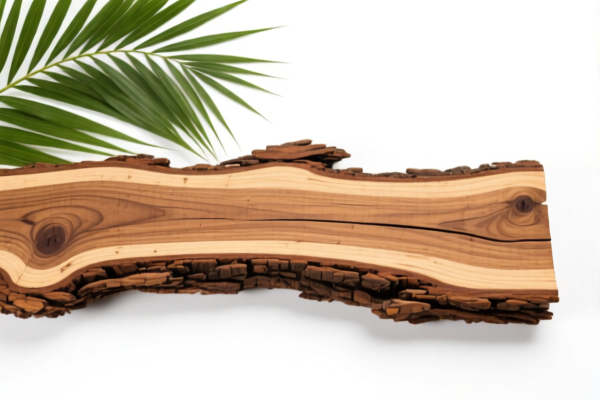
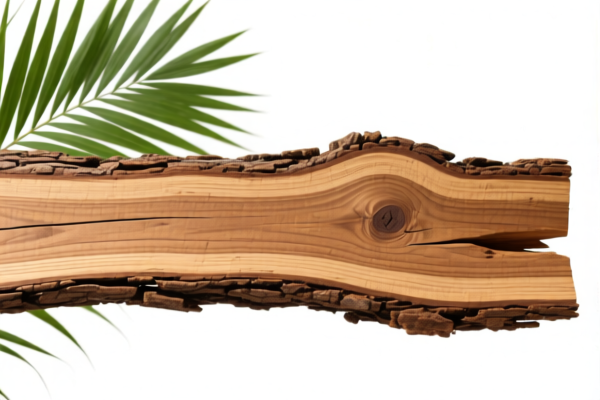
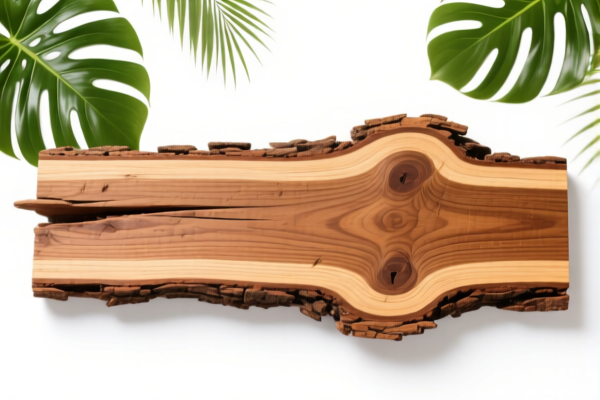
AI Analysis
🌳 Tropical Rough Wood (Unprocessed Tropical Timber)
🌐 HS Code Reference & Customs Clearance Guide | 2026 Latest Tariff Analysis | Professional Level Customs Strategy
📌 I. Product Definition & Classification: What Exactly is "Tropical Rough Wood"?
Tropical Rough Wood refers to timber harvested from tropical forest species, processed only minimally (sawn or chipped) but not further manufactured (e.g., not planed, drilled, or joined into furniture). In international trade, precise classification is critical because tropical woods from China face significant punitive tariffs under current US trade policies.
⚠️ Key Distinction:
- If the wood is in its natural, unprocessed state (logs, rough-sawn): It falls under Chapter 44, Heading 4403.
- If it is further processed (planed, sanded, finished): It may fall under Chapter 44, Heading 4407 or even furniture/components.
- Critical Note: This guide focuses on raw/rough tropical wood imported from China to the US, based on the provided DATA.
📦 II. HS Code Classification Details (2026 Latest Tariff Authority Comparison)
| HS Code | Product Description | Applicable Scenario | Processing State |
|---|---|---|---|
4403.49.02.00 |
Tropical Wood Logs/Rough Timber, Other Tropical Wood Species | General rough-sawn tropical timber not specified elsewhere | ⚠️ Rough/Sawn |
4403.41.00.00 |
Tropical Wood Logs/Rough Timber, Tropical Wood Material, Unprocessed Form | Raw logs or minimally debarked wood | ❌ Unprocessed |
4407.29.02.20 |
Tropical Wood Planks/Sheets, Tropical Wood Material, Primary Form | Sawn/treated but not finished wood (primary processing) | 🟡 Primary Processed |
🔍 Key Reminder:
- All three HS codes listed in the DATA are subject to the same total tax rate of 35% when imported from China to the US.
- The distinction lies in the degree of processing:
-4403.41.00.00: Raw logs, minimal processing.
-4403.49.02.00: Other rough-sawn tropical woods.
- `4407.29.02.20: Primary processed wood (e.g., planed but not finished), still considered "rough" for trade purposes.
- Do NOT misdeclare: Even slight differences in processing can change the HS Code, but for these specific tropical woods from China, the tariff impact is identical**.
💰 III. 2026 Latest Tariff Rate Details (Including Additional Taxes & Policy Surcharges)
✅ Applicable Country: United States (US)
✅ Origin: China (CN)
✅ Effective Time: 2025年11月10日起 (From November 10, 2025)
🎯 1. 4403.49.02.00 —— Other Tropical Rough Wood
| Item | Content |
|---|---|
| Base Tariff Rate | 0% (ad valorem) |
| Section 301 Surcharge | +25% (Section 301 Tariffs on Chinese Goods) |
| Section 122 Surcharge | +10% (Section 122 Tariffs on Chinese Timber) |
| Total Tariff Rate | 35% |
| Tax Calculation | CIF Value × 35% |
| De Minimis Exemption | ❌ Not Applicable (deny_de_minimis) |
| Legal Basis Path | Section 301: 8801.01.01 → Section 122: 9903.01.25 → USITC:4403.49.02.00 |
📌 Explanation:
- "Section 301 Surcharge 25%": Imposed under the US Trade Act Section 301, targeting Chinese goods deemed unfair in trade practices.
- "Section 122 Surcharge 10%": A specific additional tariff on Chinese timber products, enacted to protect US domestic forestry industries.
- Total 35%: This is a very high tariff. Importers must factor this into their cost structure.
🎯 2. 4403.41.00.00 —— Tropical Wood, Unprocessed Form
| Item | Content |
|---|---|
| Base Tariff Rate | 0% |
| Section 301 Surcharge | +25% |
| Section 122 Surcharge | +10% |
| Total Tariff Rate | 35% |
| Tax Calculation | CIF × 35% |
| De Minimis Exemption | ❌ Not Applicable |
| Legal Basis Path | Section 301: 8801.01.01 → Section 122: 9903.01.25 → USITC:4403.41.00.00 |
📌 Note:
- Same tax rate as above. Even if the wood is in its most basic "log" form, the punitive tariffs still apply.
- Phytosanitary Certification: Ensure proper fumigation certificates to avoid quarantine delays.
🎯 3. 4407.29.02.20 —— Tropical Wood, Primary Form
| Item | Content |
|---|---|
| Base Tariff Rate | 0% |
| Section 301 Surcharge | +25% |
| Section 122 Surcharge | +10% |
| Total Tariff Rate | 35% |
| Tax Calculation | CIF × 35% |
| De Minimis Exemption | ❌ Not Applicable |
| Legal Basis Path | Section 301: 8801.01.01 → Section 122: 9903.01.25 → USITC:4407.29.02.20 |
📌 Note:
- Even if the wood has been sawn or planed (primary processing), it remains subject to the same 35% total tariff.
- This highlights the severity of US tariffs on Chinese tropical timber, regardless of minor processing differences.
🛠️ IV. Customs Clearance Practical Advice (Battle-Tested Pitfall Avoidance Guide)
✅ 1. Required Documentation Checklist (Missing Any = Delay)
| Document | Mandatory | Description |
|---|---|---|
| ✅ Commercial Invoice | ✔️ | Must clearly state "Tropical Wood," HS Code, and CIF value. |
| ✅ Packing List | ✔️ | Detail weight, volume, and number of packages. |
| ✅ Bill of Lading (B/L) | ✔️ | Original or telex release. |
| ✅ Phytosanitary Certificate | ✔️ | CRITICAL: Issued by the exporting country's plant protection agency, confirming no pests/diseases. |
| ✅ Fumigation Certificate | ✔️ | Proof of treatment for wood packaging/materials (ISPM 15 standard). |
| ✅ Species Declaration | ✔️ | Specific scientific name of the tropical wood species (e.g., Swietenia macrophylla). |
| ✅ Import License | ✔️ | If applicable for specific protected species (CITES permits). |
✅ 2. Declaration Tips (Key Mantra)
🔥 "Species Precise, Certificate Complete, Tariff 35%, No Surprises!"
| Scenario | Correct Declaration | Wrong Practice |
|---|---|---|
| Raw Logs | 4403.41.00.00 + Phytosanitary Cert |
Misdeclare as "Lumber" → Inspection delay |
| Rough-Sawn | 4403.49.02.00 + Fumigation Cert |
Use generic "Wood" → Penalty |
| Planed Wood | 4407.29.02.20 + CITES Permit (if protected) |
Omit scientific name → Rejection |
| Protected Species | CITES Permit + HS Code | No CITES Permit → Seizure |
✅ 3. Special Case Handling
| Case | Handling Advice |
|---|---|
| CITES-Protected Species | (e.g., Mahogany, Teak) Mandatory CITES Permit required. Without it, goods will be seized. |
| Mixed Species Shipment | Declare each species separately with accurate HS Codes. |
| Wood Packaging Materials | Must comply with ISPM 15 (heat-treated + IPPC mark). Non-compliance leads to rejection or destruction. |
| High Moisture Content | Ensure wood is dried to acceptable levels to prevent mold during transit. |
🌍 V. Global Market Clearance Comparison (2026 Latest)
| Country/Region | Recommended HS Code | Tariff (China Origin) | Certification Requirements | Notes |
|---|---|---|---|---|
| 🇺🇸 USA | 4403.49.02.00 |
35% (25% + 10%) | Phytosanitary + CITES (if applicable) | Highest tariff due to Section 301 & 122. |
| 🇨🇳 China | 4403.49.02.00 |
0% (Export) | Phytosanitary | China is a major exporter. |
| 🇪🇺 EU | 4403.49.02.00 |
Varies (EUTR Compliance) | EUTR Due Diligence | Strict legality verification. |
| 🇬🇧 UK | 4403.49.02.00 |
Varies (UKTR Compliance) | UKTR Due Diligence | Post-Brexit regulations. |
| 🇨🇦 Canada | 4403.49.02.00 |
Varies (CSA Standards) | Phytosanitary | Check provincial regulations. |
📌 Conclusion:
- USA is the most challenging market for Chinese tropical wood due to the 35% combined tariff.
- EU and UK focus more on legal sourcing (EUTR/UKTR) than high tariffs.
- Recommendation: For US imports, consider supply chain diversification (e.g., sourcing from Southeast Asia or South America) to avoid US punitive tariffs.
📌 VI. Common Errors & Pitfall Guide (Blood Lessons)
❌ Error 1: Misdeclaring species to get a lower tariff
👉 Consequence: Heavy fines, cargo seizure, and blacklisting.
❌ Error 2: Missing CITES Permit for protected species
👉 Consequence: Goods confiscated and destroyed. No exceptions.
❌ Error 3: Ignoring Phytosanitary Certificate
👉 Consequence: Quarantine delay, fumigation costs, or rejection.
❌ Error 4: Using "Wood" as a generic description
👉 Consequence: Customs may classify under worst-case scenario, leading to 35% tax + penalties.
✅ Correct Practice:
"Tropical Wood Planks, Species: Swietenia macrophylla, HS Code: 4403.49.02.00, With Phytosanitary Certificate No. XYZ, Fumigated per ISPM 15."
🎯 VII. Conclusion: Precise Declaration Saves Money!
🎯 Remember the Mantra:
🔹 "Species Specific, Certificates Complete, Tariff 35%, No CITES No Entry!"
🔹 "HS Code determines duty, 35% is steep, declare accurately, avoid detention fees!"
📌 Tips:
- If your tropical wood is originating from Vietnam, Thailand, or Brazil, you may avoid Section 301 & 122 surcharges.
- Vietnam/Thailand: May face lower tariffs but require strict origin proof to avoid US anti-circumvention investigations.
- Brazil: Check for EUTR/UKTR compliance if exporting to Europe.
- Apply for Advance Ruling: Request a binding ruling from US Customs (CBP) to confirm HS Code and tariff liability before shipment.
📣 Immediate Action:
📞 Consult a licensed customs broker + Provide species details + Obtain CITES Permit (if needed)
🚀 Ensure your tropical wood, clears customs smoothly, avoids 35% tariff traps, and maximizes profit!
✨ Professional Customs Clearance Starts with Accurate Classification!
💼 Every percentage point of tariff matters!
Customer Reviews
About HS Code Classification
The Harmonized System (HS) is an internationally standardized nomenclature developed by the World Customs Organization (WCO) to classify traded products. Over 200 countries use the HS system as the basis for customs tariffs, trade statistics, and import/export regulations.
Each HS code follows a hierarchical structure:
- Chapter (2 digits) — Broad category of goods (e.g., Chapter 84: Machinery and Mechanical Appliances)
- Heading (4 digits) — More specific grouping within the chapter
- Subheading (6 digits) — Internationally standardized breakdown, used by all WCO member countries
- National subdivisions (8-10 digits) — Country-specific extensions for further classification, such as US HTSUS 10-digit codes
Correct HS code classification is essential for smooth customs clearance, accurate duty payment, and compliance with trade regulations. Misclassification can lead to customs delays, overpayment of duties, or penalties.
When importing from CN to US, the applicable tariff rates may include:
- Most-Favored-Nation (MFN) rate — The standard duty rate applied to WTO members
- General rate — Applied to countries without trade agreements
- Trade remedy duties — Additional tariffs such as Section 301 (anti-dumping), Section 232 (national security), or countervailing duties
The information provided on this page is for reference purposes only. For official classification, please consult with your local customs authority or a licensed customs broker.