Tropical Wood Logs
CN → US| HS Code | Tariff Rate | Origin | Destination | Doc |
|---|---|---|---|---|
| 4403490200 | 35.0% | CN | US | Official Doc |
| 4403410000 | 35.0% | CN | US | Official Doc |
| 4407290220 | 35.0% | CN | US | Official Doc |
| 4407230100 | 35.0% | CN | US | Official Doc |
| 9403308021 | 35.0% | CN | US | Official Doc |
Product Images
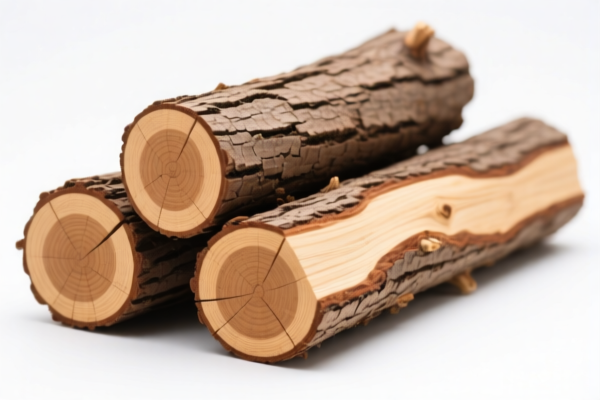
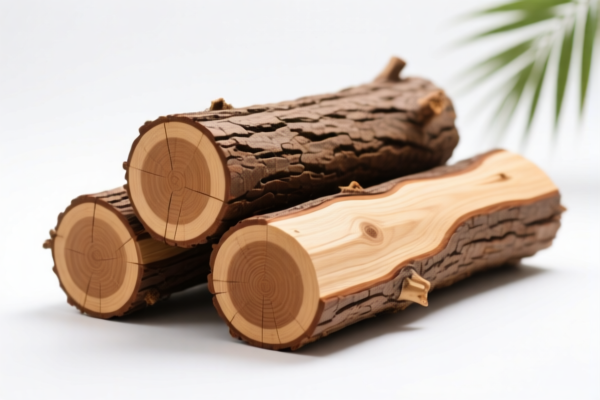
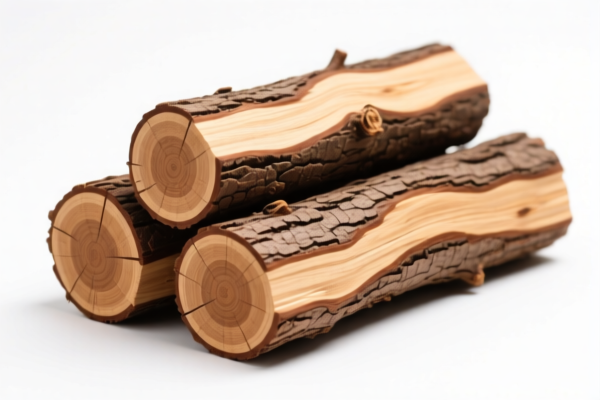
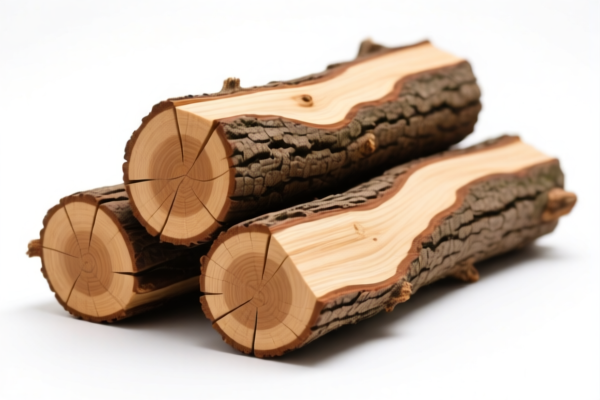
AI Analysis
🪵 Tropical Wood Logs (Raw Timber & Processed Hardwoods)
🌐 HS Code Reference & Customs Clearance Guide | 2026 Latest Tariff Analysis | Professional Entry Strategy
📌 I. Product Definition & Classification: What Exactly Are "Tropical Wood Logs"?
In international trade, "Tropical Wood Logs" refers to timber harvested from tropical regions, typically characterized by high density, durability, and specific aesthetic grain patterns. This category spans from raw, unprocessed trees to partially processed hardwoods like Teak.
The classification depends heavily on the state of processing: 1. Raw Logs/Roughly Squared: Unprocessed or minimally shaped timber, retaining bark or rough surfaces. 2. Sawn/Chipped/Chipped Wood: Processed into beams, planks, or specific shapes (e.g., Teak). 3. Furniture/Articles: Finished goods made from these woods (e.g., Teak furniture).
⚠️ Key Distinction Point:
- If the wood is raw, unworked, or merely debarked/squared, it falls under Chapter 44 (Section I) (Logs/Rough Timber).
- If the wood is manufactured into finished articles (like a table), it may shift to Chapter 94 (Furniture).
- Specific Species Matters: "Teak" (柚木) often has specific subheadings distinct from generic "Tropical Wood."
📦 II. HS Code Classification Details (2026 Latest Tariff Reference)
Based on the provided data, here are the applicable HS Codes for Tropical Wood Logs and related items:
| HS Code | Product Description | Application Scenario | Processing Level |
|---|---|---|---|
4403.49.02.00 |
Tropical Wood Logs (Rough/Unprocessed) | Raw logs, matched to rough timber/tropical wood classification | ✅ Raw/Unprocessed |
4403.41.00.00 |
Tropical Wood Logs (Shape Requirement) | Logs meeting "unprocessed wood form" requirements | ✅ Raw/Unprocessed |
4407.29.02.20 |
Tropical Wood Logs (Primary Form) | Primary form wood, no material conflict | ⚠️ Slightly Processed (Sawn/Chipped) |
4407.23.01.00 |
Tropical Hardwood Teak | Teak wood, fits tropical wood classification | ⚠️ Processed (Sawn/Chipped) |
9403.30.80.21 |
Tropical Hardwood Teak Furniture | Items made of Teak (e.g., chairs, tables) | ❌ Finished Article |
🔍 Critical Reminder:
- Logs/Raw Timber (Codes4403.xxxx) are subject to strict import regulations due to deforestation concerns and trade wars.
- Processed Teak (Code4407.23.01.00) is still considered "wood work" but has a different duty structure than raw logs.
- Finished Teak Furniture (Code9403.30.80.21) is classified under furniture, but still incurs the high combined tariffs as per the data.
💰 III. 2026 Latest Tariff Rate Breakdown (Including Additional Taxes)
✅ Applicable Country: USA (US)
✅ Origin: China (CN)
✅ Effective Date: Post-2025 policies (including Section 301 & IEEPA)
🎯 1. Raw Tropical Wood Logs (4403.49.02.00, 4403.41.00.00)
| Item | Details |
|---|---|
| Base Duty Rate | 0.0% (Ad Valorem) |
| Retaliatory/Add'l Duty | +25.0% (Section 301 Tariffs) |
| IEEPA Duty | +10.0% (Section 1223/IEEPA Provisions) |
| Total Effective Rate | 35.0% |
| Tax Calculation | CIF Value × 35% |
| De Minimis Exemption | ❌ NOT APPLICABLE (Deny de minimis for high-tariff wood products) |
| Legal Basis Path | Section 301: 9903.01.25 → IEEPA: 9903.01.24 → USITC: 4403.49.02.00 → FOOTNOTE: 9903.88.01 |
📌 Explanation:
- 0% Base Rate: Standard MFN rate for some wood products is often low or zero.
- 25% Section 301: Added due to trade tensions; applies to broad categories of wood products.
- 10% IEEPA/Section 1223: Additional surcharge for specific Chinese-origin goods.
- Total 35%: This is a HIGH tax burden. Misclassification to avoid this can lead to severe penalties.
🎯 2. Processed Tropical Wood / Teak (4407.29.02.20, 4407.23.01.00)
| Item | Details |
|---|---|
| Base Duty Rate | 0.0% |
| Retaliatory/Add'l Duty | +25.0% |
| IEEPA Duty | +10.0% |
| Total Effective Rate | 35.0% |
| Tax Calculation | CIF Value × 35% |
| De Minimis Exemption | ❌ NOT APPLICABLE |
| Legal Basis Path | Section 301: 9903.01.25 → IEEPA: 9903.01.24 → USITC: 4407.xxxx → FOOTNOTE: 9903.88.01 |
📌 Note:
- Even though these are "processed" (sawn/chipped), they are still subject to the same 35% total rate.
- "Teak" (4407.23.01.00) is not exempt from the additional tariffs.
🎯 3. Teak Furniture / Articles (9403.30.80.21)
| Item | Details |
|---|---|
| Base Duty Rate | 0.0% |
| Retaliatory/Add'l Duty | +25.0% |
| IEEPA Duty | +10.0% |
| Total Effective Rate | 35.0% |
| Tax Calculation | CIF Value × 35% |
| De Minimis Exemption | ❌ NOT APPLICABLE |
| Legal Basis Path | Section 301: 9903.01.25 → IEEPA: 9903.01.24 → USITC: 9403.30.80.21 → FOOTNOTE: 9903.88.01 |
📌 Warning:
- Do NOT assume that classifying as "Furniture" (9403) lowers the tax. In this specific 2026 data context, ALL listed HS Codes for Tropical Wood Logs and Teak products carry the same 35% total tariff.
- Misclassifying logs as furniture to avoid duties is a high-risk fraud practice.
🛠️ IV. Customs Clearance Practical Advice (Real-World Pitfall Avoidance)
✅ 1. Documentation Checklist (Non-Negotiable)
| Document | Required? | Notes |
|---|---|---|
| ✅ Phytosanitary Certificate | ✔️ Mandatory | Issued by origin country's agriculture dept. Proves wood is pest-free. |
| ✅ Timber Harvest License | ✔️ Mandatory | Proof of legal harvesting (Lacey Act compliance in US). |
| ✅ Species Declaration | ✔️ Mandatory | Must specify "Tropical Wood" or "Teak" accurately. |
| ✅ Commercial Invoice | ✔️ | Clearly state "Tropical Wood Logs" or "Teak," not vague terms like "Timber." |
| ✅ Packing List | ✔️ | Detailed dimensions, weight, and number of logs/planks. |
| ✅ Fumigation Certificate | ✔️ | Often required alongside Phytosanitary Cert. |
✅ 2. Declaration Tips (Key Rules)
🔥 "Be Specific, Be Legal, Be Accurate!"
| Scenario | Correct Declaration | Error to Avoid |
|---|---|---|
| Raw Logs | 4403.49.02.00 "Tropical Wood Logs, Unprocessed" |
❌ Calling it "Lumber" → Delay/Rejection |
| Sawn Teak | 4407.23.01.00 "Teak Wood, Sawn" |
❌ Calling it "Furniture" prematurely |
| Finished Teak Table | 9403.30.80.21 "Teak Furniture" |
❌ Calling it "Wood Logs" → Wrong Chapter |
| Mixed Shipment | Declare each HS Code separately | ❌ Lump sum declaration → High Risk |
📌 Crucial Point:
- The US Lacey Act requires accurate species identification. Misdeclaring "Tropical Wood" as a non-restricted species is a federal crime.
- Even if the tax rate is 35% for all, correct classification ensures compliance with environmental laws.
✅ 3. Special Situations
| Situation | Handling Advice |
|---|---|
| High Value Teak | Calculate tax impact early. 35% is significant on high-value goods. |
| Raw Logs vs. Processed | Ensure documentation matches the HS Code. Raw logs need Phytosanitary Cert; processed may have different requirements. |
| Origin Verification | Ensure "Made in China" is correctly declared. Transshipment from Vietnam/Malaysia does NOT exempt IEEPA/301 duties if substantial transformation didn't occur. |
| Furniture vs. Raw | Only classify as 9403 if the item is fully finished (e.g., sanded, varnished, assembled). Rough-sawn planks are 4407, NOT 9403. |
🌍 V. Global Market Comparison (2026)
| Country/Region | Recommended HS Code (Example) | Tariff Rate (China Origin) | Certification | Notes |
|---|---|---|---|---|
| 🇺🇸 USA | 4403.49.02.00 / 9403.30.80.21 |
35% (0% Base + 25% Sec 301 + 10% IEEPA) | Phytosanitary + Lacey Act | Highest cost. No de minimis. |
| 🇨🇳 China | 4403.49.02.00 |
~0-5% (Import Duty) | Phytosanitary | Lower base tax, but strict environmental checks. |
| 🇪🇺 EU | 4403.49 |
~0-2% (if EUTL compliant) | EUTL Compliance | Strict deforestation-free requirements. |
| 🇯🇵 Japan | 4403.49 |
~0-3% | ISPM 15 | Moderate barriers, focus on pest control. |
📌 Conclusion:
- USA is the most expensive market for Chinese-sourced tropical wood due to the 35% combined tariff.
- Compliance is key: The Lacey Act and EUTL (EU Timber Regulation) add non-tariff barriers.
- No Tariff Breaks: Unlike some electronics, wood products do not benefit from widespread tariff exemptions.
📌 VI. Common Mistakes & Pitfalls (Lessons Learned)
❌ Mistake 1: Declaring "Teak Logs" as "General Lumber" to avoid species-specific checks.
👉 Consequence: Seizure, fines, and Lacey Act violations.
❌ Mistake 2: Assuming "Furniture" classification (9403) avoids the 35% tariff.
👉 Consequence: As per 2026 data, all listed wood products face 35%. No savings.
❌ Mistake 3: Ignoring the Phytosanitary Certificate.
👉 Consequence: Shipment held at port, destruction, or return. 35% tax still applies if cleared later.
❌ Mistake 4: Using "Wood Chips" or "Sawdust" for logs to lower tax.
👉 Consequence: Misclassification. If value > de minimis ($800), it’s subject to scrutiny. If < $800, still risk of audit for high-risk categories.
✅ Correct Approach:
"Tropical Hardwood Logs, Species: Teak, HS: 4403.49.02.00, Origin: China, Tariff: 35%."
🎯 VII. Conclusion: Professional Declaration, Cost Control, and Compliance
🎯 Remember These Rules:
🔹 "Logs are Logs, Furniture is Furniture. Don't Mix Them."
🔹 "35% is the Price of Entry for Chinese Tropical Wood to the US."
🔹 "Lacey Act Compliance is as Important as Tax Payment."
📌 Pro Tip:
If you are importing large volumes, consider Advance Rulings from US Customs (CBP) to confirm classification. Also, evaluate if re-exporting to non-US markets (EU, Asia) offers better cost-efficiency due to different tariff structures.
📣 Immediate Action:
📞 Contact a Licensed Customs Broker
📄 Prepare Phytosanitary & Harvest Certificates
💰 Budget for 35% Tariff + Logistics
🚀 Ensure Smooth, Legal, and Cost-Effective Clearance!
✨ Accurate Classification Saves Money, Prevents Penalties, and Keeps Your Supply Chain Moving!
💼 Every Log Counts – Declare It Right!
Customer Reviews
About HS Code Classification
The Harmonized System (HS) is an internationally standardized nomenclature developed by the World Customs Organization (WCO) to classify traded products. Over 200 countries use the HS system as the basis for customs tariffs, trade statistics, and import/export regulations.
Each HS code follows a hierarchical structure:
- Chapter (2 digits) — Broad category of goods (e.g., Chapter 84: Machinery and Mechanical Appliances)
- Heading (4 digits) — More specific grouping within the chapter
- Subheading (6 digits) — Internationally standardized breakdown, used by all WCO member countries
- National subdivisions (8-10 digits) — Country-specific extensions for further classification, such as US HTSUS 10-digit codes
Correct HS code classification is essential for smooth customs clearance, accurate duty payment, and compliance with trade regulations. Misclassification can lead to customs delays, overpayment of duties, or penalties.
When importing from CN to US, the applicable tariff rates may include:
- Most-Favored-Nation (MFN) rate — The standard duty rate applied to WTO members
- General rate — Applied to countries without trade agreements
- Trade remedy duties — Additional tariffs such as Section 301 (anti-dumping), Section 232 (national security), or countervailing duties
The information provided on this page is for reference purposes only. For official classification, please consult with your local customs authority or a licensed customs broker.