Tropical Wood for Art
CN → US| HS Code | Tariff Rate | Origin | Destination | Doc |
|---|---|---|---|---|
| 4420904500 | 39.3% | CN | US | Official Doc |
| 4420908000 | 38.2% | CN | US | Official Doc |
| 9703100000 | 17.5% | CN | US | Official Doc |
| 9703900000 | 17.5% | CN | US | Official Doc |
| 4407290211 | 35.0% | CN | US | Official Doc |
Product Images
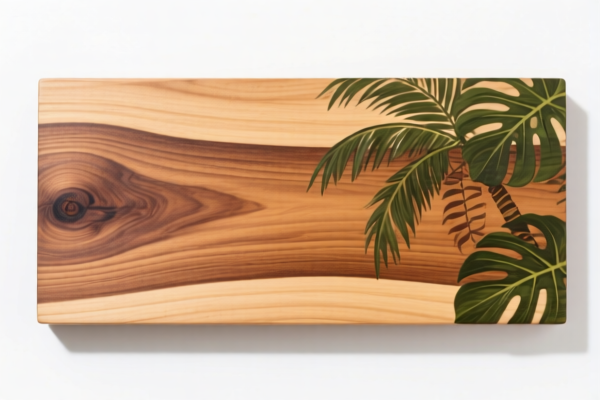
AI Analysis
🪵 Tropical Wood for Art (Artistic Application)
🌐 HS Code Reference & Customs Clearance Guide | 2026 Latest Tariff Analysis | Professional Entry Strategies
📌 I. Product Definition & Classification: Do You Really Understand "Tropical Wood for Art"?
Tropical Wood for Art refers to high-value tropical timber processed or shaped specifically for artistic purposes, such as sculptures, decorative crafts, or raw artistic materials. In international trade, its classification is critical because the form (raw material vs. finished art) and intended use (industrial vs. artistic) drastically affect tariff liabilities, especially under US-China trade relations.
⚠️ Key Distinction Points:
- If the wood is merely raw timber/lumber for construction or general industry → Falls under Chapter 44 (Wood Products).
- If the wood is finished artwork, sculpture, or decorative craft → Falls under Chapter 97 (Works of Art).
- Crucial Note: Raw tropical wood destined for art creation (not the finished art itself) may still be classified under Chapter 44, triggering higher duties due to Section 301 and 122 tariffs.
📦 II. HS Code Classification Details (2026 Latest Tariff Authority)
| HS Code | Product Description | Application Scenario | Tariff Category Logic |
|---|---|---|---|
4420.90.45.00 |
Wooden articles (including inlaid wood) for artistic purposes | Fine art objects, toolboxes, jewelry boxes made of wood | 🎨 Artistic Wooden Goods |
4420.90.80.00 |
Wooden articles for decorative/artistic purposes | Decorative crafts, carvings, wooden ornaments | 🖼️ Wooden Decor/Crafts |
9703.10.00.00 |
Original engravings, prints, and lithographs | Note: Data implies "Artistic Materials/Raw Wood" – If treated as raw artistic medium | 🎭 Raw Artistic Material |
9703.90.00.00 |
Other works of art and collectors' pieces | Sculptures, statues, wooden carvings (finished) | 🗿 Finished Sculptures |
4407.29.02.11 |
Tropical wood sawn/chipped, indoor use | Raw tropical lumber, not yet shaped into art | 🌳 Raw Tropical Timber |
🔍 Important Reminder:
- Chapter 97 (9703.x) generally applies to finished original works of art. If the "tropical wood" is just the material (logs, planks, blocks) awaiting carving, it cannot be classified under 9703. It must go under Chapter 44. - Chapter 44 (4420.x, 4407.x) applies to wooden articles or sawn wood. Even if labeled "for art," if it’s not a finished unique artwork, it attracts heavy Section 301 tariffs. - Misclassification from4420(Artistic Wood Goods) to9703(Art) to lower taxes is a common audit risk if the item is not a genuine "original work of art."
💰 III. 2026 Latest Tariff Rate Breakdown (Including Surcharges, Policy Add-ons)
✅ Applicable Country: United States (US)
✅ Origin: China (CN) (Implied by 122 Clauses and Section 301 logic in data)
✅ Effective Date: 2025 onwards
🎯 1. 4420.90.45.00 — Wooden Articles for Artistic Purposes (e.g., Jewelry/Tool Boxes)
| Item | Content |
|---|---|
| Base Rate | 4.3% (ad valorem) |
| Section 301 Surcharge | +25.0% (Trump/Biden Trade War Tariff) |
| Section 122 Surcharge | +10.0% (Specific to certain imports) |
| Total Rate | 39.3% |
| Calculation | CIF Value × 39.3% |
| De Minimis Eligibility | ❌ No (High-duty goods often excluded or scrutinized) |
| Legal Basis | HTSUS:4420.90.45.00 → USITC Footnote 9903.88.01 (Sec 301) + Section 122 |
📌 Explanation:
- This category is for finished wooden art goods (like decorative boxes, carved items).
- The 25% Section 301 tariff is the biggest cost driver.
- The 10% Section 122 tariff adds further burden, making this the most expensive category for wooden artistic goods.
🎯 2. 4420.90.80.00 — Other Wooden Articles for Artistic/Decorative Use
| Item | Content |
|---|---|
| Base Rate | 3.2% |
| Section 301 Surcharge | +25.0% |
| Section 122 Surcharge | +10.0% |
| Total Rate | 38.2% |
| Calculation | CIF Value × 38.2% |
| De Minimis Eligibility | ❌ No |
| Legal Basis | HTSUS:4420.90.80.00 → USITC Footnote 9903.88.01 + Section 122 |
📌 Explanation:
- Slightly cheaper than4420.90.45.00due to a lower base rate (3.2% vs 4.3%).
- Applies to general wooden decor/crafts that don’t fit the specific "jewelry/tool box" definition.
🎯 3. 9703.10.00.00 — Original Engravings, Prints, Lithographs (Raw Artistic Material Interpretation)
| Item | Content |
|---|---|
| Base Rate | 0.0% |
| Section 301 Surcharge | +7.5% |
| Section 122 Surcharge | +10.0% |
| Total Rate | 17.5% |
| Calculation | CIF Value × 17.5% |
| De Minimis Eligibility | ❌ No |
| Legal Basis | HTSUS:9703.10.00.00 → Section 122 + Reduced Section 301 |
📌 Explanation:
- Significant Savings: If the product can be legally classified as an original work of art (or artistic material under this specific subheading), the Section 301 tariff drops from 25% to 7.5%.
- Risk: Must prove it is an "original" work or fits this narrow artistic definition. Raw wood planks usually do not qualify.
🎯 4. 9703.90.00.00 — Other Works of Art (Sculptures/Statues)
| Item | Content |
|---|---|
| Base Rate | 0.0% |
| Section 301 Surcharge | +7.5% |
| Section 122 Surcharge | +10.0% |
| Total Rate | 17.5% |
| Calculation | CIF Value × 17.5% |
| De Minimis Eligibility | ❌ No |
| Legal Basis | HTSUS:9703.90.00.00 → Section 122 + Reduced Section 301 |
📌 Explanation:
- Ideal for finished wooden sculptures.
- Zero Base Duty + Low Surcharge (7.5%) makes this the most tariff-efficient path IF the item is a genuine artistic creation (not mass-produced decor).
🎯 5. 4407.29.02.11 — Tropical Wood (Sawn/Chipped, Indoor Use)
| Item | Content |
|---|---|
| Base Rate | 0.0% |
| Section 301 Surcharge | +25.0% |
| Section 122 Surcharge | +10.0% |
| Total Rate | 35.0% |
| Calculation | CIF Value × 35.0% |
| De Minimis Eligibility | ❌ No |
| Legal Basis | HTSUS:4407.29.02.11 → USITC Footnote 9903.88.01 + Section 122 |
📌 Explanation:
- This is for raw tropical wood (lumber, chips).
- Even with 0% base duty, the 25% Section 301 + 10% Section 122 = 35%.
- Do not use this for finished art; use only for raw material suppliers.
🛠️ IV. Customs Clearance Practical Advice (Live Pitfall Avoidance Guide)
✅ 1. Documentation Checklist (Missing Items = Delays)
| Document | Required | Note |
|---|---|---|
| ✅ Product Photos | ✔️ | Clear images showing artistic nature, carvings, or raw form. |
| ✅ Description of Use | ✔️ | "For creating sculptures," "Finished art piece," or "Raw timber for joinery." |
| ✅ Bill of Lading/Invoice | ✔️ | Must match HS Code description exactly. |
| ✅ Proof of Originality | ✔️ | If claiming 9703, provide artist statement, signature, or certificate of authenticity. |
| ✅ Material Composition | ✔️ | Confirm it is "Tropical Wood" (e.g., Mahogany, Teak) vs. generic hardwood. |
✅ 2. Declaration Strategy (Key Mantra)
🔥 "Raw Wood is Chapter 44, Finished Art is Chapter 97. Don't Mix Them!"
| Scenario | Correct HS Code | Why? |
|---|---|---|
| Raw planks bought by an artist | 4407.29.02.11 |
It's timber, not art yet. |
| Carved box sold as decor | 4420.90.80.00 |
It's a wooden article, not a unique artwork. |
| One-of-a-kind Sculpture | 9703.90.00.00 |
It's an original work of art. |
| Mass-produced wooden figurine | 4420.90.45.00 or 80.00 |
Not "original art," so Chapter 44 applies. |
⚠️ Warning:
- If you declare a mass-produced wooden toy as9703.90.00.00to save taxes, CBP (Customs and Border Protection) will reject it.
- Penalty: Back taxes + 25-50% penalty on underpaid duties.
✅ 3. Special Handling Tips
| Situation | Advice |
|---|---|
| Mixed Shipment | Separate raw wood and finished art. Do not blend 4407 and 9703 in one line if possible to avoid confusion. |
| Section 122 Impact | All categories above include a 10% Section 122 surcharge. There is no exemption for artistic goods under this clause. |
| Country of Origin | Ensure the Certificate of Origin matches. If shipped from Vietnam but made in China, Section 301 still applies. |
🌍 V. Global Market Comparison (2026 Latest)
| Market | Recommended HS Code | Tariff Rate | Note |
|---|---|---|---|
| 🇺🇸 USA | 9703.90.00.00 (if art) |
17.5% | Best for finished sculptures. |
| 🇺🇸 USA | 4420.90.80.00 (if decor) |
38.2% | High cost for wooden decor. |
| 🇨🇳 China | 4420.90.80.00 |
~4-5% | Low import duty, no Section 301. |
| 🇪🇺 EU | 9703.90.00 |
0% | No Section 301 equivalent. |
📌 Conclusion:
- USA is the most expensive market due to Section 301 (25%) + Section 122 (10%).
- Classify as Art (Chapter 97) only if legally defensible. Otherwise, budget for 35-39% tariffs.
📌 VI. Common Mistakes & Pitfalls (Blood Lessons)
❌ Mistake 1: Declaring raw tropical wood as "Artwork" (9703) |
👉 Result: CBP reclassifies to 4407, charges 35% instead of 17.5%, plus penalties.
❌ Mistake 2: Declaring mass-produced decor as "Art" to save tax |
👉 Result: Audit failure. Back taxes on the entire shipment.
❌ Mistake 3: Ignoring Section 122 (10%) |
👉 Result: Underestimating total landed cost. The 10% applies to ALL listed HS codes.
✅ Correct Approach:
"For raw wood:
4407.29.02.11. For finished decor:4420.90.80.00. For genuine original sculptures:9703.90.00.00with artist certificate."
🎯 VII. Conclusion: Professional Declaration, Cost Control, Smooth Clearance!
🎯 Remember the Mantra:
🔹 "Raw Wood = 35%, Decor = 38%, Art = 17.5%."
🔹 "Section 122 is always 10%. Section 301 is 25% for Wood, 7.5% for Art."
📌 Pro Tip:
If your product is mass-produced, do not force a 9703 classification. It is risky and often incorrect.
Consider supply chain diversification (e.g., sourcing from non-China origins) if targeting the US market with wooden decor.
📣 Immediate Action:
📞 Consult a licensed customs broker for Advance Rulings on borderline items.
🚀 Accurate classification saves thousands. Don't gamble with CBP!
✨ Professional Customs Clearance Starts with Precision!
💼 Every Dollar of Tariff is Calculated!
Customer Reviews
About HS Code Classification
The Harmonized System (HS) is an internationally standardized nomenclature developed by the World Customs Organization (WCO) to classify traded products. Over 200 countries use the HS system as the basis for customs tariffs, trade statistics, and import/export regulations.
Each HS code follows a hierarchical structure:
- Chapter (2 digits) — Broad category of goods (e.g., Chapter 84: Machinery and Mechanical Appliances)
- Heading (4 digits) — More specific grouping within the chapter
- Subheading (6 digits) — Internationally standardized breakdown, used by all WCO member countries
- National subdivisions (8-10 digits) — Country-specific extensions for further classification, such as US HTSUS 10-digit codes
Correct HS code classification is essential for smooth customs clearance, accurate duty payment, and compliance with trade regulations. Misclassification can lead to customs delays, overpayment of duties, or penalties.
When importing from CN to US, the applicable tariff rates may include:
- Most-Favored-Nation (MFN) rate — The standard duty rate applied to WTO members
- General rate — Applied to countries without trade agreements
- Trade remedy duties — Additional tariffs such as Section 301 (anti-dumping), Section 232 (national security), or countervailing duties
The information provided on this page is for reference purposes only. For official classification, please consult with your local customs authority or a licensed customs broker.