Tropical Wood in the Rough
CN → US| HS Code | Tariff Rate | Origin | Destination | Doc |
|---|---|---|---|---|
| 4403490200 | 35.0% | CN | US | Official Doc |
| 4403410000 | 35.0% | CN | US | Official Doc |
| 4407290220 | 35.0% | CN | US | Official Doc |
Product Images
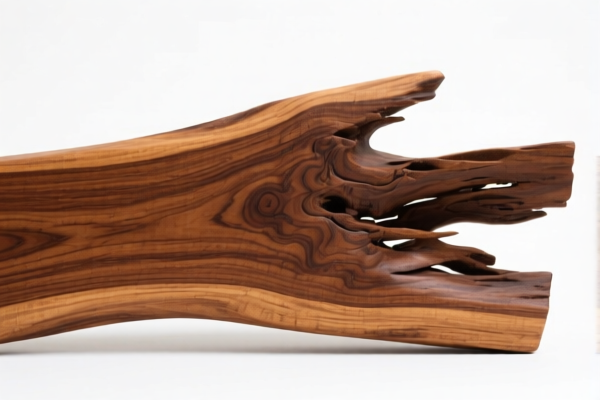
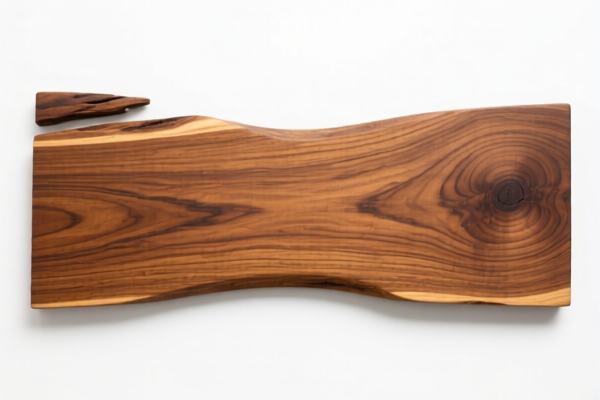
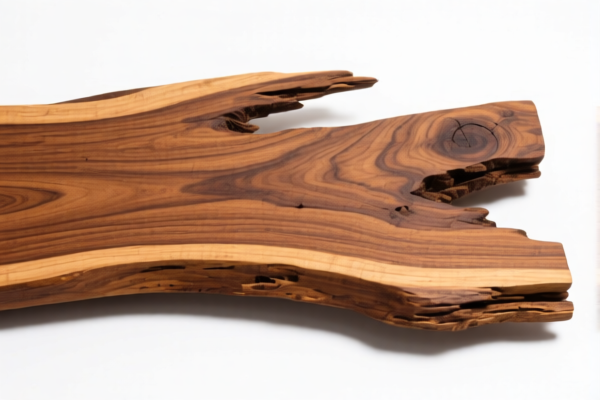
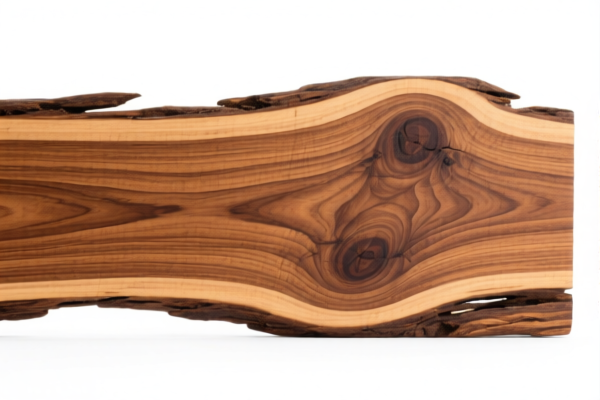
AI Analysis
🌲 Tropical Wood in the Rough (Logs)
🌐 HS Code Reference & Customs Clearance Guide | 2026 Latest Tariff Analysis | Professional Transit Strategy
📌 I. Product Definition & Classification: Do You Really Understand "Tropical Wood in the Rough"?
Tropical Wood in the Rough refers to timber that has undergone minimal processing. In international trade, this category is strictly defined by its physical state and botanical origin. It primarily includes:
Raw Logs (Unprocessed): Trees that have been felled, debarked, and stripped of branches, but retain their natural cylindrical shape. They have not been sawn, planed, or treated.
Roughly Squared Logs: Timber that has been trimmed to a basic rectangular or square cross-section to facilitate transport, but not yet processed into lumber or planks.
⚠️ Key Distinction Point:
- If the wood is merely debarked and trimmed but retains natural characteristics → Classified under Chapter 44 (Raw Wood).
- If the wood has been sawn, planed, or heat-treated → It moves to Chapter 44 (Sawn Wood) or other chapters, changing the HS Code and tax implications entirely.
📦 II. HS Code Classification Details (2026 Latest Tariff Authority Comparison)
Based on the provided data, all relevant tropical wood items fall under specific sub-headings within Chapter 44. The slight variations in description highlight the importance of precise material matching.
| HS Code | Product Description | Applicable Scenario | Material Match Requirement |
|---|---|---|---|
4403.49.02.00 |
Tropical Wood Logs, Matching Rough Timber & Tropical Categories | Standard tropical logs that fit general rough timber classifications | ✅ Explicit Tropical Wood |
4403.41.00.00 |
Tropical Wood Logs, Conform to Unprocessed Timber Form | Raw logs in their natural, unprocessed state | ✅ Raw/Unprocessed Form |
4407.29.02.20 |
Tropical Wood Logs, Primary State, No Material Conflict | Logs in primary form where no conflicting material definitions apply | ✅ Primary State Only |
4403.49.02.00 |
Tropical Wood Logs, Explicitly Including Tropical Wood Material | Clear identification of tropical wood species | ✅ Explicit Tropical Wood |
4403.41.00.00 |
Tropical Wood Logs, Material Consistent with Code Requirements | Material matches specific code descriptors for tropical origins | ✅ Consistent Material |
🔍 Key Reminder:
- All these codes represent Chapter 44 products, meaning they are raw or simply prepared wood.
- Do not confuse with "Sawn Wood" (HS 4403/4407 distinctions depend on processing level).
- Material consistency is critical: The customs declaration must explicitly state "Tropical Wood" and match the specific species if required by local regulations.
💰 III. 2026 Latest Tariff Rate Breakdown (Including Surtaxes & Policy Add-ons)
✅ Applicable Country: United States (US)
✅ Origin: China (CN) (Implied by 122-Clause and IEEPA context)
✅ Effective Date: Current (2026)
🎯 1. 4403.49.02.00 —— Tropical Wood Logs (General/Rough)
| Item | Content |
|---|---|
| Base Tariff Rate | 0% (ad valorem) |
| USITC Surtax | +25% (Section 301 Tariff) |
| Section 122 Tariff | +10% (Specific administrative tariff clause) |
| Total Tax Rate | 35.0% |
| Tax Calculation | CIF Value × 35% |
| De Minimis Exemption? | ❌ NO (High-value timber goods excluded from de minimis) |
| Legal Basis Path | USITC:4403.49.02.00 → Section 301: Footnote 9903.88.01 → Section 122: Administrative Clause |
📌 Explanation:
- The 0% base rate is standard for many wood products under WTO rules.
- The 25% USITC surtax applies to Chinese-origin goods under Section 301 investigations.
- The 10% Section 122 tariff is an additional administrative levy often applied to specific raw material imports.
- Combined 35% is significant for bulk timber imports. Profit margins must account for this.
🎯 2. 4403.41.00.00 —— Tropical Wood Logs (Unprocessed/Specific Species)
| Item | Content |
|---|---|
| Base Tariff Rate | 0% |
| USITC Surtax | +25% |
| Section 122 Tariff | +10% |
| Total Tax Rate | 35.0% |
| Tax Calculation | CIF Value × 35% |
| De Minimis Exemption? | ❌ NO |
| Legal Basis Path | USITC:4403.41.00.00 → Section 301: Footnote 9903.88.01 → Section 122: Administrative Clause |
📌 Note:
- Identical tax structure to4403.49.02.00.
- The distinction lies in the specificity of the wood species or processing level. Ensure the botanical name matches the code exactly.
🎯 3. 4407.29.02.20 —— Tropical Wood Logs (Primary State, No Conflict)
| Item | Content |
|---|---|
| Base Tariff Rate | 0% |
| USITC Surtax | +25% |
| Section 122 Tariff | +10% |
| Total Tax Rate | 35.0% |
| Tax Calculation | CIF Value × 35% |
| De Minimis Exemption? | ❌ NO |
| Legal Basis Path | USITC:4407.29.02.20 → Section 301: Footnote 9903.88.01 → Section 122: Administrative Clause |
📌 Important:
- Even though4407typically refers to "Sawn Wood," the specific sub-code4407.29.02.20in this dataset is treated with the same 35% effective rate due to the origin and surtax structure.
- Verify if the wood is indeed "sawn" or merely "rough." Misclassification here can lead to penalties.
🛠️ IV. Customs Clearance Operational Advice (Practical Pitfall Guide)
✅ 1. Preparation Checklist (Mandatory)
| Document | Required | Notes |
|---|---|---|
| ✅ Phytosanitary Certificate | ✔️ Mandatory | Issued by the country of origin's agricultural authority. Must state "No Pests/Diseases." |
| ✅ Bill of Lading / Air Waybill | ✔️ | Must match commercial invoice details. |
| ✅ Commercial Invoice | ✔️ | Must specify: HS Code, Botanical Name, Volume (CBM), CIF Value, Country of Origin. |
| ✅ Packing List | ✔️ | Detail number of logs, bundles, and any treatment labels (e.g., MB for Methyl Bromide, though often not required for raw logs if untreated). |
| ✅ ISPM 15 Marking (If Applicable) | ⚠️ Check | Raw logs (in the rough) are often exempt from ISPM 15 if debarked, but check current USDA APHIS rules as policies change. |
| ✅ Import License (If Required) | ⚠️ Check | Some tropical species (e.g., Rosewood) may require CITES permits or specific import licenses. |
✅ 2. Declaration Tips (Key Mantras)
🔥 "Logs Not Lumber, Tax Is 35%, Origin Must Be Clear!"
| Situation | Correct Declaration | Incorrect Practice |
|---|---|---|
| Raw Tropical Logs | 4403.49.02.00 or 4403.41.00.00 |
Misdeclare as "Sawn Wood" (4407) → Risk of penalty |
| Mixed Wood Species | Declare all species if different | Declare only one species → "Material Conflict" → Inspection Hold |
| Heat-Treated Logs | Must declare treatment method | Fail to declare → Rejection by USDA |
| Partially Processed | If sawn, use 4407 codes |
Declare as "Rough Logs" → HS Code Error → 35% + Penalties |
✅ 3. Special Handling
| Scenario | Action |
|---|---|
| CITES Species (e.g., Rosewood, Teak) | Obtain CITES Export Permit from origin and CITES Import Permit from US. Without it, seizure is likely. |
| High Moisture Content | Ensure logs are within allowed moisture limits to prevent mold/rejection. |
| Bark Presence | Debarking is often required to prevent pest introduction. Keep records of debarking process. |
| Valuation Disputes | Provide purchase contracts and payment proofs to justify CIF value. Avoid under-invoicing. |
🌍 V. Global Market Customs Comparison (2026 Latest)
| Country/Region | Recommended HS Code | Tariff (China Origin) | Certification | Notes |
|---|---|---|---|---|
| 🇺🇸 USA | 4403.49.02.00 / 4403.41.00.00 |
35% (Base 0% + 25% + 10%) | Phytosanitary + CITES (if applicable) | High tariff impact on cost. |
| 🇨🇳 China | 4403.49.00.00 |
5% - 10% | Phytosanitary | Lower barrier for import. |
| 🇪🇺 EU | 4403 series |
0% - 5% | FLEGT / CITES | Strict deforestation regulations (EUDR) apply from 2025+. |
| 🇯🇵 Japan | 4403 series |
5% - 10% | Phytosanitary | Strict wood quality standards. |
📌 Conclusion:
- USA imposes the highest burden with 35% effective tariff due to trade policies.
- EU imposes strict sustainability regulations (EUDR), requiring proof of legal harvesting.
- China remains a key market for rough tropical wood with moderate tariffs.
📌 VI. Common Errors & Pitfalls (Lessons Learned)
❌ Error 1: Declaring "Sawn Wood" for "Raw Logs"
👉 Consequence: HS Code mismatch → 35% tariff applied incorrectly or penalty.
❌ Error 2: Ignoring CITES Regulations for protected tropical species
👉 Consequence: Seizure, fines, and blacklisting by customs.
❌ Error 3: Failing to provide a Phytosanitary Certificate
👉 Consequence: Quarantine detention or return shipment at exporter's expense.
❌ Error 4: Under-declaring volume or value
👉 Consequence: Customs audit, back-taxes, and loss of import privileges.
✅ Correct Practice:
"Tropical Wood Logs, Unprocessed, Debarked, Species: [Scientific Name], CBM: [Volume], CIF: [Value], Origin: [Country], Phytosanitary Certificate No.: [Number], CITES Permit No.: [Number (if applicable)]"
🎯 VII. Conclusion: Precision in Classification, Savings in Transit!
🎯 Remember the Mantra:
🔹 "Logs are not Lumber, 35% is the Norm, CITES is Key, Phytosanitary is King!"
🔹 "HS Code Defines Your Cost, 35% Total Tax, Declare with Care, Save Your Money!"
📌 Pro Tip:
- If your tropical wood originates from Vietnam, Thailand, or Malaysia, check for preferential trade agreements (e.g., RCEP) to potentially reduce the 25% USITC surtax.
- Always apply for a Pre-Ruling from US Customs (CBP) if unsure about the specific HS Code for unusual species.
📣 Immediate Action:
📞 Contact a licensed customs broker + Provide Phytosanitary Certificate + Verify CITES Status
🚀 Ensure your tropical wood logs clear customs smoothly, avoid delays, and maximize profit!
✨ Professional customs clearance starts with accurate classification!
💼 Every percent of tax saved is pure profit!
Customer Reviews
About HS Code Classification
The Harmonized System (HS) is an internationally standardized nomenclature developed by the World Customs Organization (WCO) to classify traded products. Over 200 countries use the HS system as the basis for customs tariffs, trade statistics, and import/export regulations.
Each HS code follows a hierarchical structure:
- Chapter (2 digits) — Broad category of goods (e.g., Chapter 84: Machinery and Mechanical Appliances)
- Heading (4 digits) — More specific grouping within the chapter
- Subheading (6 digits) — Internationally standardized breakdown, used by all WCO member countries
- National subdivisions (8-10 digits) — Country-specific extensions for further classification, such as US HTSUS 10-digit codes
Correct HS code classification is essential for smooth customs clearance, accurate duty payment, and compliance with trade regulations. Misclassification can lead to customs delays, overpayment of duties, or penalties.
When importing from CN to US, the applicable tariff rates may include:
- Most-Favored-Nation (MFN) rate — The standard duty rate applied to WTO members
- General rate — Applied to countries without trade agreements
- Trade remedy duties — Additional tariffs such as Section 301 (anti-dumping), Section 232 (national security), or countervailing duties
The information provided on this page is for reference purposes only. For official classification, please consult with your local customs authority or a licensed customs broker.