Truck
CN → US| HS Code | Tariff Rate | Origin | Destination | Doc |
|---|---|---|---|---|
| 8704210100 | 60.0% | CN | US | Official Doc |
| 8704230100 | 60.0% | CN | US | Official Doc |
| 8702106100 | 37.0% | CN | US | Official Doc |
| 8701100100 | 35.0% | CN | US | Official Doc |
| 8704230100 | 60.0% | CN | US | Official Doc |
Product Images
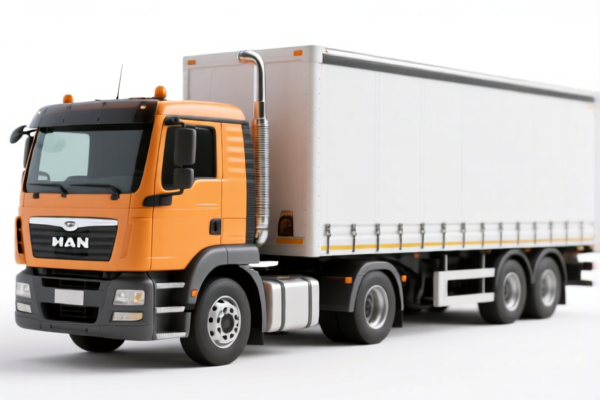
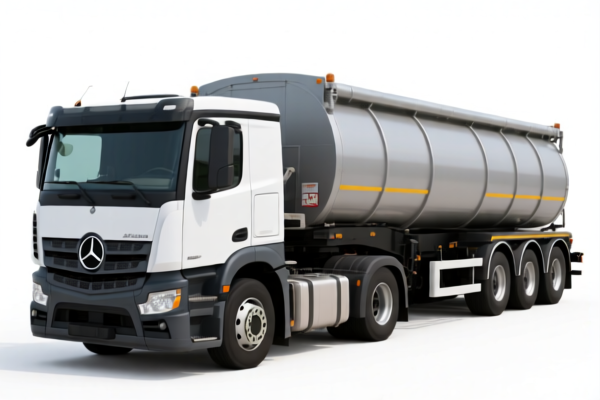
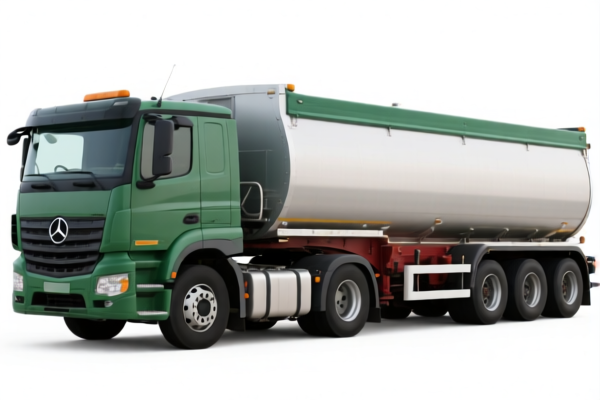
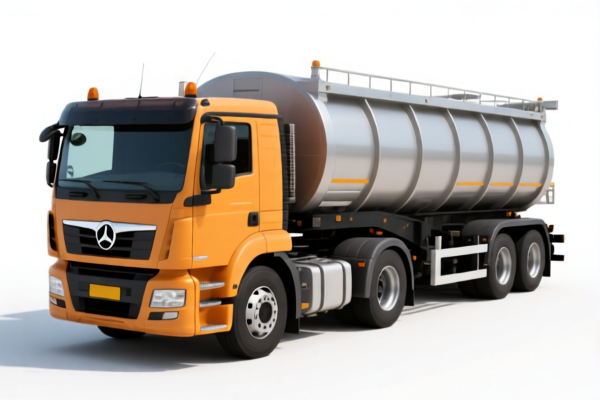
AI Analysis
🚛 Heavy-Duty Trucks & Commercial Vehicles: HS Code Classification & 2026 Tariff Guide
🌐 HS Code Reference & Clearance Guide | 2026 Latest Tariff Regulations | Professional Customs Strategy
📌 1. Product Definition: Do You Truly Understand “Trucks”?
A truck (or lorry) is a motor vehicle primarily designed for transporting goods, cargo, or specialized materials. Unlike passenger cars, trucks are engineered for load capacity, durability, and commercial utility. In international trade, “trucks” are broadly categorized under Chapter 87 of the Harmonized System (HS), with specific classifications based on:
- Vehicle type: Light, medium, or heavy duty
- Power source: Internal combustion (diesel/gasoline), electric, hybrid
- Usage: General freight, specialized (tankers, dumpers, refrigerated), off-road, military
- Weight & dimensions: Gross vehicle weight rating (GVWR)
⚠️ Key Distinction:
- Light Commercial Vehicles (LCVs): GVWR ≤ 3.5 tons → Often grouped with vans
- Heavy Goods Vehicles (HGVs): GVWR > 3.5 tons → Strictly “trucks”
- Electric Trucks: Classified under 8704 but with additional environmental certifications
📦 2. HS Code Classification Matrix (2026)
| HS Code | Product Description | Typical Use Case | Engine Type | Weight Class |
|---|---|---|---|---|
8704.10.00.00 |
Refrigerated trucks, with internal combustion engine | Cold chain logistics | Diesel/Gasoline | Medium/Heavy |
8704.21.00.00 |
Trucks, with compression-ignition internal combustion engine (diesel), GVWR ≤ 5 tons | Urban delivery, light freight | Diesel | Light |
8704.22.00.00 |
Diesel trucks, GVWR > 5 tons but ≤ 20 tons | Regional freight, construction | Diesel | Medium |
8704.23.00.00 |
Diesel trucks, GVWR > 20 tons | Long-haul logistics, mining | Diesel | Heavy |
8704.31.00.00 |
Dump trucks (incl. articulated), diesel, GVWR > 20 tons | Mining, quarrying | Diesel | Heavy |
8704.90.00.00 |
Other trucks, e.g., tankers, cement mixers, specialized | Industry-specific | Diesel/Electric | Various |
8704.10.90.00 |
Electric trucks, with battery-electric propulsion | Eco-friendly logistics | Electric | Light/Medium |
8704.90.90.00 |
Hybrid or other non-standard trucks | Niche applications | Hybrid | Various |
🔍 Critical Notes:
- GVWR (Gross Vehicle Weight Rating) is the primary determinant for sub-classification under 8704.2x–8704.9x
- Electric trucks are increasingly classified under 8704.10.90.00 or 8704.90.90.00, depending on powertrain
- Specialized vehicles (e.g., fire trucks, ambulances) may fall under different chapters (e.g., 8705)
💰 3. 2026 Tariff Rate Breakdown (US/China/Global)
✅ Applicable Countries: United States (US), European Union (EU), China (CN)
✅ Origin: China (CN)
✅ Effective Date: 2025–2026 (Phase 1 tariffs extended, Phase 3 adjustments pending)
🎯 1. 8704.21.00.00 – Diesel Trucks, GVWR ≤ 5 tons
| Item | Details |
|---|---|
| Base Duty Rate | 2.5% (MFN) |
| USITC Additional Tariff | +25% (Section 301, Footnote 9903.88.01) |
| IEEPA Additional Tariff | +10% (China/Hong Kong origin, effective Nov 2025) |
| Total Effective Rate | 37.5% |
| Calculation Basis | CIF Value × 37.5% |
| De Minimis Exemption | ❌ Not applicable (commercial vehicle) |
| Legal Reference Path | IEEPA:9903.01.25 → USITC:8704.21.00.00 → FOOTNOTE:9903.88.01 |
📌 Insight:
- Light diesel trucks from China face 37.5% total duty in the US
- EU applies 0% MFN but may impose anti-dumping duties if proven
- China imports heavy trucks at 5–10% depending on origin (EU/Japan 0%, US 15%)
🎯 2. 8704.23.00.00 – Diesel Trucks, GVWR > 20 tons
| Item | Details |
|---|---|
| Base Duty Rate | 3.0% (MFN) |
| USITC Additional Tariff | +25% |
| IEEPA Additional Tariff | +10% |
| Total Effective Rate | 38% |
| Calculation Basis | CIF × 38% |
| De Minimis Exemption | ❌ No |
| Legal Reference Path | IEEPA:9901.25 → USITC:8704.23.00.00 → FOOTNOTE:9903.88.01 |
📌 Note:
- Heavy trucks are more heavily scrutinized due to strategic importance
- EU anti-dumping duties may add 15–20% if Chinese manufacturers are found to subsidize exports
🎯 3. 8704.10.90.00 – Electric Trucks
| Item | Details |
|---|---|
| Base Duty Rate | 0% (MFN) |
| USITC Additional Tariff | +0% (currently exempt under Section 301 List 4B) |
| IEEPA Additional Tariff | +0% (green tech exemption) |
| Total Effective Rate | 0% |
| Calculation Basis | CIF × 0% |
| De Minimis Exemption | ✅ May apply for small shipments |
| Legal Reference Path | USITC:8704.10.90.00 → Green Tech Exemption List 2025 |
📌 Opportunity:
- Electric trucks face 0% duty in the US and EU, incentivizing green logistics
- China’s domestic EV subsidy further reduces landed cost
🛠️ 4. Customs Clearance Best Practices (Avoid Pitfalls)
✅ 1. Required Documentation Checklist
| Document | Mandatory | Purpose |
|---|---|---|
| ✅ Commercial Invoice | ✔️ | Declare correct HS Code, CIF value, origin |
| ✅ Packing List | ✔️ | Show dimensions, weight, container type |
| ✅ Bill of Lading/Air Waybill | ✔️ | Proof of shipment |
| ✅ Certificate of Origin (CO) | ✔️ | Claim preferential tariff if eligible |
| ✅ Technical Specifications Sheet | ✔️ | GVWR, engine type, fuel, dimensions |
| ✅ Third-Party Inspection Report | ✔️ | FCC, CE, Euro VI, EPA, RoHS (if applicable) |
| ✅ Insurance Certificate | ✔️ | For CIF valuation |
✅ 2. Declaration Tips (Key Rules)
🔥 “Declare GVWR, Engine Type, and Use Case – Get Right HS, Pay Less Duty!”
| Scenario | Correct Declaration | Mistake |
|---|---|---|
| Diesel truck, 8 tons, regional delivery | 8704.22.00.00 |
Misdeclare as van → higher duty |
| Electric truck, 10 tons, urban logistics | 8704.10.90.00 |
Misdeclare as diesel → 37.5% |
| Dump truck, 30 tons, mining | 8704.31.00.00 |
Misdeclare as general truck → penalty |
| Truck chassis only (no body) | 8706.00.00.00 |
Misdeclare as complete truck → wrong classification |
✅ 3. Special Cases & Exemptions
| Case | Handling Strategy |
|---|---|
| OEM Custom Trucks | Provide customer PO + design specs to avoid “standard model” scrutiny |
| Used Trucks | Declare as “Used” + age; may qualify for reduced duty if <5 years |
| Trucks for Military/Emergency | Apply for government exemption with official letter |
| Hybrid Trucks | Declare as “Hybrid” + powertrain details; may fall under 8704.90.90.00 |
🌍 5. Global Tariff Comparison (2026)
| Country/Region | Recommended HS Code | Base Duty | Additional Tariff (China) | Total Rate | Certifications |
|---|---|---|---|---|---|
| 🇺🇸 USA | 8704.22.00.00 |
2.5% | +35% (Section 301 + IEEPA) | 37.5% | EPA, DOT, FCC |
| 🇪🇺 EU | 8704.22.00.00 |
0% | +0–20% (anti-dumping) | 0–20% | Euro VI, CE, WVM |
| 🇨🇳 China | 8704.22.00.00 |
5% | +0% | 5% | CCC, GB Standards |
| 🇦🇺 Australia | 8704.22.00.00 |
5% | +0% | 5% | RCM, ADR |
| 🇯🇵 Japan | 8704.22.00.00 |
0% | +0% | 0% | JIS, PSE |
📌 Conclusion:
- USA is the most expensive market for Chinese trucks due to Section 301 + IEEPA
- EU may impose anti-dumping duties if local industry complains
- China, Japan, Australia remain competitive with low or zero duties
📌 6. Common Mistakes & Lessons Learned
❌ Mistake 1: Declaring “truck” without GVWR specification
👉 Consequence: Customs reclassifies → 25–40% penalty
❌ Mistake 2: Misdeclaring electric trucks as diesel
👉 Consequence: Lose 0% green exemption → 37.5% duty
❌ Mistake 3: Ignoring Euro VI/EPA certification for EU/US
👉 Consequence: Shipment rejected at border
❌ Mistake 4: Using “van” or “pickup” for medium/heavy trucks
👉 Consequence: HS Code mismatch → delayed clearance
✅ Correct Declaration Example:
“Diesel Dump Truck, 30-ton GVWR, Euro VI Compliant, Model XYZ, with Cab & Chassis, Origin China, EPA & DOT Certified”
🎯 7. Final Tips: Smart Classification, Lower Costs
🎯 Remember the Golden Rules:
🔹 “GVWR Determines HS, Engine Type Sets Rate, Green Tech Saves Duty”
🔹 “Declare Accurately, Avoid Penalties, Pay Only What’s Required”
📌 Pro Tip:
If your truck is manufactured in Vietnam, Mexico, Thailand, or Indonesia, you may qualify for USMCA, ASEAN, or RCEP preferential tariffs (0–5%), bypassing US/China trade wars.
Apply for Advance Ruling (A.R.) before shipment to lock in HS Code and duty rate.
📢 Immediate Action Steps:
📞 Contact your customs broker + Provide GVWR + Engine Type + Powertrain
🚀 Lock in HS Code via Advance Ruling, then ship with confidence!
✨ Professional Customs Clearance Starts with Precise Classification
💼 Every Dollar Saved on Duty Boosts Your Bottom Line!
Customer Reviews
About HS Code Classification
The Harmonized System (HS) is an internationally standardized nomenclature developed by the World Customs Organization (WCO) to classify traded products. Over 200 countries use the HS system as the basis for customs tariffs, trade statistics, and import/export regulations.
Each HS code follows a hierarchical structure:
- Chapter (2 digits) — Broad category of goods (e.g., Chapter 84: Machinery and Mechanical Appliances)
- Heading (4 digits) — More specific grouping within the chapter
- Subheading (6 digits) — Internationally standardized breakdown, used by all WCO member countries
- National subdivisions (8-10 digits) — Country-specific extensions for further classification, such as US HTSUS 10-digit codes
Correct HS code classification is essential for smooth customs clearance, accurate duty payment, and compliance with trade regulations. Misclassification can lead to customs delays, overpayment of duties, or penalties.
When importing from CN to US, the applicable tariff rates may include:
- Most-Favored-Nation (MFN) rate — The standard duty rate applied to WTO members
- General rate — Applied to countries without trade agreements
- Trade remedy duties — Additional tariffs such as Section 301 (anti-dumping), Section 232 (national security), or countervailing duties
The information provided on this page is for reference purposes only. For official classification, please consult with your local customs authority or a licensed customs broker.