Truck Radial Pneumatic Tire
CN → US| HS Code | Tariff Rate | Origin | Destination | Doc |
|---|---|---|---|---|
| 4011201005 | 39.0% | CN | US | Official Doc |
| 4011201015 | 39.0% | CN | US | Official Doc |
| 4012909000 | 37.7% | CN | US | Official Doc |
| 4013100020 | 38.7% | CN | US | Official Doc |
Product Images
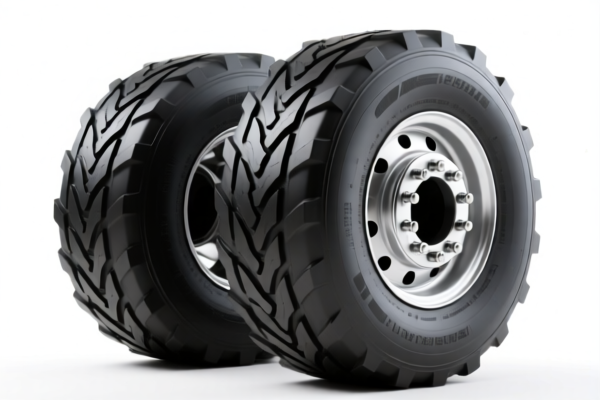
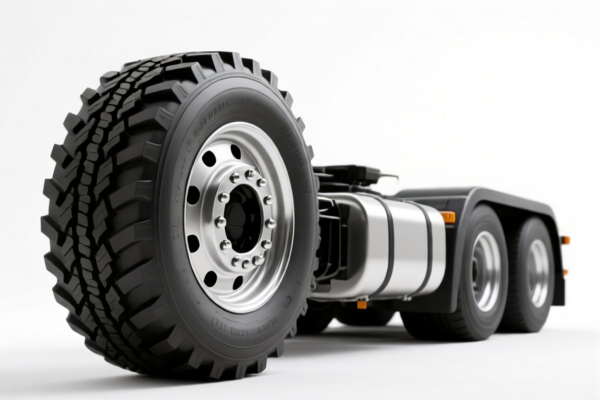
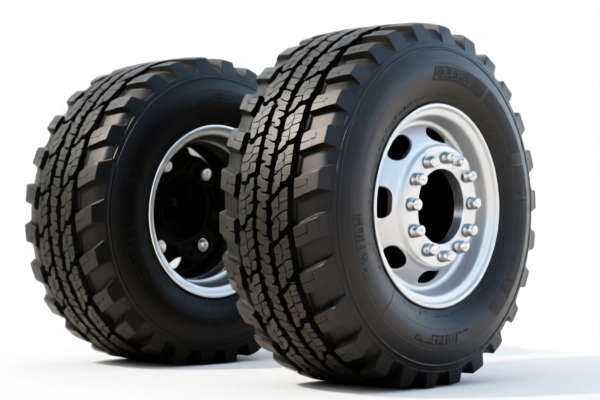

AI Analysis
🚛 Truck Radial Pneumatic Tires
🌐 HS Code Reference & Customs Clearance Guide | 2026 Latest Tariff Analysis | Professional Clearance Strategy
📌 One. Product Definition and Classification: Do You Truly Understand "Radial Tires"?
Truck radial pneumatic tires are the critical components connecting heavy-duty vehicles to the road. In international trade, they are strictly defined by their structure (Radial/Radial Ply), usage (Trucks/Buses), and material (Rubber).
Key Distinction: Pneumatic vs. Solid/Inner Tubes * Pneumatic Tires (Radial): These are air-filled tires. They are the most common type for trucks. They fall under Heading 4011. * Solid Tires/Inserts: If the tire is solid rubber or a cushion tire (not air-filled), it falls under Heading 4012. * Inner Tubes: If you are importing the rubber tubes inside the tire separately, they fall under Heading 4013.
⚠️ Critical Classification Point: * If the product is an air-filled tire with a radial carcass structure for trucks/buses → It belongs to 4011.20. * If the product is a solid rubber tire or insert → It belongs to 4012.90. * If the product is an inner tube (not the outer tire) → It belongs to 4013.10.
📦 Two. HS Code Classification Details (2026 Latest Tariff Authority Comparison)
| HS Code | Product Description | Application Scenario | Structure/Material |
|---|---|---|---|
4011.20.10.05 |
Truck Radial Pneumatic Tires | Heavy-duty trucks, commercial vehicles | Radial, Pneumatic, Rubber |
4011.20.10.15 |
Bus/Truck Radial Pneumatic Tires | Buses and Trucks categorized under 4011 | Radial, Pneumatic, Rubber |
4012.90.90.00 |
Other Rubber Tires (Solid/Insert) | Solid tires, cushion tires, non-pneumatic | Solid Rubber or Insert |
4013.10.00.20 |
Inner Tubes for Trucks/Buses | Separate inner tubes, not the outer tire | Rubber Inner Tube |
🔍 Key Reminder: * "Radial" (子午线) implies a specific internal construction where the cords run perpendicular to the direction of travel. This is crucial for 4011.20. * "Pneumatic" (充气) means it contains air. If it is not pneumatic, do not use 4011. * Do not confuse Outer Tires (4011) with Inner Tubes (4013) in your invoice. They are separate HS codes.
💰 Three. 2026 Latest Tariff Rate Details (Including Surcharges and Policy Add-ons)
✅ Applicable Country: United States (US) ✅ Origin: China (CN) ✅ Effective Date: Includes imports from November 10, 2025, onwards.
🎯 1. 4011.20.10.05 & 4011.20.10.15 —— Truck/Bus Radial Pneumatic Tires
These two codes represent the same general category of Truck Radial Tires. The slight difference in suffix (05 vs 15) often relates to specific sub-classifications or historical naming conventions for "Bus" vs "Truck" within the radial pneumatic group, but both attract the same heavy tariff burden.
| Item | Content |
|---|---|
| Base Tariff Rate | 4.0% (MFN Rate) |
| Section 301 Surcharge | +25.0% (25% Additional Duty) |
| Section 122 Duty | +10.0% (Specific to Chinese Origin under certain provisions) |
| Total Tax Rate | 39.0% |
| Tax Calculation | CIF Value × 39% |
| De Minimis Eligibility | ❌ NO (High risk of seizure or high duty assessment if shipped via小包/Small Package) |
| Legal Basis Path | USITC:4011.20.10.05 → FTUS:9903.01.01 (301 Tariff) → FTUS:9903.01.25 (Section 122/China Specific) |
📌 Explanation: * Base 4%: Standard Most-Favored-Nation (MFN) duty for rubber tires. * 301 Tariff 25%: This is the primary "trade war" tariff applied to almost all Chinese-origin rubber tires. * Section 122/China 10%: Depending on the specific enforcement period and trade remedy investigations, an additional 10% may apply. * Total 39%: This is a very high tariff. It significantly impacts profit margins. You must calculate the landed cost carefully.
🎯 2. 4012.90.90.00 —— Other Rubber Tires (Solid/Insert)
If your product is a Solid Tire (no air) or a Cushion Tire (rubber insert), it is classified here. The tariff structure is slightly different because it is not considered a "pneumatic tire."
| Item | Content |
|---|---|
| Base Tariff Rate | 2.7% (MFN Rate) |
| 301 Surcharge | +25.0% |
| Section 122 Duty | +10.0% |
| Total Tax Rate | 37.7% |
| Tax Calculation | CIF Value × 37.7% |
| De Minimis Eligibility | ❌ NO |
| Legal Basis Path | USITC:4012.90.90.00 → FTUS:9903.01.01 → FTUS:9903.01.25 |
📌 Note: * Solid tires are often used in industrial vehicles, warehouses, or slow-moving equipment. * Even though the base rate is lower (2.7%), the 35% surcharges push the total to 37.7%, which is still extremely high.
🎯 3. 4013.10.00.20 —— Inner Tubes for Trucks/Buses
If you are importing Inner Tubes (the rubber bladders that go inside the tire), they are classified separately.
| Item | Content |
|---|---|
| Base Tariff Rate | 3.7% (MFN Rate) |
| 301 Surcharge | +25.0% |
| Section 122 Duty | +10.0% |
| Total Tax Rate | 38.7% |
| Tax Calculation | CIF Value × 38.7% |
| De Minimis Eligibility | ❌ NO |
| Legal Basis Path | USITC:4013.10.00.20 → FTUS:9903.01.01 → FTUS:9903.01.25 |
📌 Warning: * Many exporters mistakenly declare inner tubes as "tire accessories" to avoid classification. Do not do this. They are explicitly listed under 4013. * The total tax is 38.7%.
🛠️ Four. Customs Clearance Practical Advice (Real-World Pitfall Avoidance)
✅ 1. Documentation Checklist (Non-negotiable)
| Document | Must Provide | Description |
|---|---|---|
| ✅ Product Specification Sheet | ✔️ | Must specify: Radial vs Bias, Pneumatic vs Solid, Truck/Bus Use. |
| ✅ Commercial Invoice | ✔️ | Clearly state "Truck Radial Pneumatic Tire" or "Inner Tube". Do not use vague terms like "Rubber Product". |
| ✅ Packing List | ✔️ | Show quantity and weight per container. |
| ✅ Certificate of Origin (CO) | ✔️ | Essential for proving China origin (and thus subject to 301/122 tariffs). |
| ✅ Manufacturer’s Declaration | ✔️ | Confirming the radial construction and material composition. |
| ✅ Bill of Lading (B/L) | ✔️ | Ensure HS Codes are listed correctly on the B/L to match the entry. |
✅ 2. Declaration Tips (Key Mantra)
🔥 "Radial Pneumatic is 4011, Solid is 4012, Tube is 4013. Don't Mix Them Up!"
| Scenario | Correct HS Code | Wrong Practice | Consequence |
|---|---|---|---|
| Radial Tire for Truck | 4011.20.10.05/15 |
Declared as 4012 (Solid) |
Audit Risk: Customs will test the tire. If found pneumatic, heavy penalties. |
| Solid Tire | 4012.90.90.00 |
Declared as 4011 (Pneumatic) |
Risk: Over-declaring tax (39% vs 37.7%), unnecessary complexity. |
| Inner Tube | 4013.10.00.20 |
Declared as part of Tire | Risk: Misdeclaration. Tires and tubes are separate goods. |
| Mixed Container | Separate Lines | Lump sum "Tires" | Risk: Customs may select the whole container for inspection. |
✅ 3. Special Situation Handling
| Situation | Handling Advice |
|---|---|
| OEM Custom Tires | Provide the customer’s design specs and labeling. Ensure the invoice matches the exact description. |
| Re-treaded Tires | Note: The provided data does not cover re-treaded tires (Heading 4012.92). Re-treading involves specific regulations. If your tire is re-treaded, it cannot use 4011.20. |
| Tire vs. Wheel Assembly | If the tire is mounted on a wheel (rim), it is not a tire. It is classified under Heading 8708 (Parts of Motor Vehicles). This changes the tariff entirely. |
| China Origin | Be prepared for 39% tax. Factor this into your pricing. There are no easy exemptions for standard radial tires. |
🌍 Five. Global Market Comparison (2026 Latest)
| Country/Region | Recommended HS Code | Tariff (China Origin) | Certification/Notes | Remarks |
|---|---|---|---|---|
| 🇺🇸 USA | 4011.20.10.05 |
39.0% | FDA/No specific tire cert | Highest Tax. 301 + 122 apply. |
| 🇨🇳 China | 4011.20.10.05 |
Varies (Import Duty) | CCC/Quality Cert | Import duty into China is different from US export. |
| 🇪🇺 EU | 4011.20.00.00 |
~3.5% - 4.5% | ECE Mark (E-Mark) | No 301 tariff. Standard EU duty. |
| 🇬🇧 UK | 4011.20.00.00 |
~3.5% - 4.5% | ECE Mark | Post-Brexit rules apply, but generally lower than US. |
| 🇨🇦 Canada | 4011.20.00.00 |
~5% - 7.5% | Transport Canada | Lower than US, but still significant. |
📌 Conclusion: * The USA is the most challenging market for truck radial tires due to the 39% total tariff. * Exporters should consider supply chain diversification (e.g., manufacturing in non-China countries) if targeting the US market to avoid Section 301 and 122 tariffs. * Re-treaded tires are subject to additional US anti-dumping duties in some cases. Check specifically if your product is new or re-treaded.
📌 Six. Common Errors & Pitfall Guide (Blood and Tears Lessons)
❌ Error 1: Declaring Re-treaded Tires as New Tires (4011.20)
👉 Consequence: Anti-Dumping Duties (ADD) & Countervailing Duties (CVD) can add another 100-200%+ on top of the 39%. This is a major compliance trap.
❌ Error 2: Declaring Tire + Wheel as just "Tire" 👉 Consequence: If mounted, it is a "Part of Motor Vehicle" (8708). Misclassification leads to penalties and back-taxes.
❌ Error 3: Ignoring Section 122 / China-Specific Tariffs 👉 Consequence: Paying only the 301 tariff (25%) but forgetting the additional 10% or base duty adjustments. You will owe the difference upon audit.
❌ Error 4: Vague Invoice Description ("Rubber Goods") 👉 Consequence: Customs will assign the Highest possible duty rate or delay shipment for examination. Always use "Truck Radial Pneumatic Tire".
✅ Correct Practice:
"TRUCK RADIAL PNEUMATIC TIRE, 11R22.5, 16PR, RADIAL PLY CONSTRUCTION, RUBBER, MODEL XYZ, MADE IN CHINA"
🎯 Seven. Conclusion: Professional Declaration, Save Time and Money!
🎯 Remember the Mantra:
🔹 "Radial Pneumatic is 39%, Solid is 37.7%, Tube is 38.7%. Don't Ignore the 10% Add-on!" 🔹 "HS Code Determines Life or Death. 1% Error in Code = 39% Tax Hit."
📌 Tips:
If your tires are re-treaded, check Heading 4012.92 separately, as they may face Anti-Dumping Duties in addition to standard tariffs. For USA imports, consider applying for an Exclusion if available (though rare for tires), or evaluate Third-Country Manufacturing to bypass Section 301/122 duties.
📣 Immediate Action:
📞 Contact a licensed US Customs Broker 📸 Provide Product Photos + Technical Specs 🚀 Ensure your commercial invoice explicitly states "Radial Pneumatic" to avoid misclassification.
✨ Professional Clearance Starts with Accurate Classification! 💼 Every cent of tax cost deserves precise calculation!
Customer Reviews
About HS Code Classification
The Harmonized System (HS) is an internationally standardized nomenclature developed by the World Customs Organization (WCO) to classify traded products. Over 200 countries use the HS system as the basis for customs tariffs, trade statistics, and import/export regulations.
Each HS code follows a hierarchical structure:
- Chapter (2 digits) — Broad category of goods (e.g., Chapter 84: Machinery and Mechanical Appliances)
- Heading (4 digits) — More specific grouping within the chapter
- Subheading (6 digits) — Internationally standardized breakdown, used by all WCO member countries
- National subdivisions (8-10 digits) — Country-specific extensions for further classification, such as US HTSUS 10-digit codes
Correct HS code classification is essential for smooth customs clearance, accurate duty payment, and compliance with trade regulations. Misclassification can lead to customs delays, overpayment of duties, or penalties.
When importing from CN to US, the applicable tariff rates may include:
- Most-Favored-Nation (MFN) rate — The standard duty rate applied to WTO members
- General rate — Applied to countries without trade agreements
- Trade remedy duties — Additional tariffs such as Section 301 (anti-dumping), Section 232 (national security), or countervailing duties
The information provided on this page is for reference purposes only. For official classification, please consult with your local customs authority or a licensed customs broker.