Truck specific Radial Rubber Tires
CN → US| HS Code | Tariff Rate | Origin | Destination | Doc |
|---|---|---|---|---|
| 4011201005 | 39.0% | CN | US | Official Doc |
| 4011201015 | 39.0% | CN | US | Official Doc |
| 4012909000 | 37.7% | CN | US | Official Doc |
| 4013100020 | 38.7% | CN | US | Official Doc |
| 4012194000 | 39.0% | CN | US | Official Doc |
Product Images
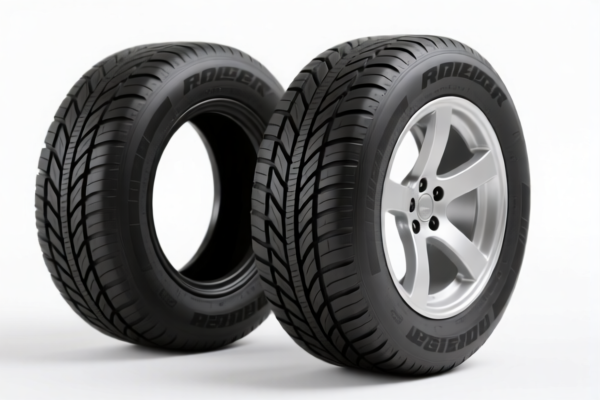
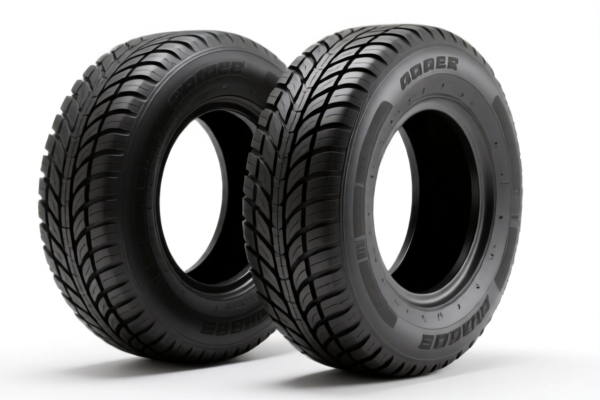
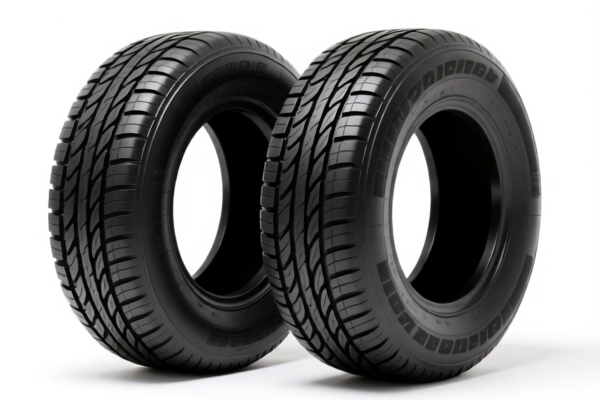
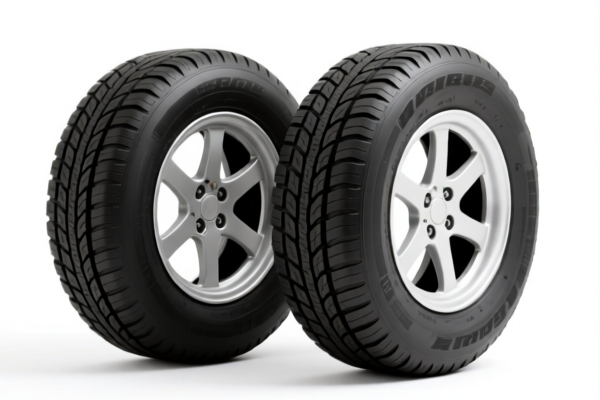
AI Analysis
🚛 Truck Specific Radial Rubber Tires
🌐 HS Code Reference & Customs Clearance Guide | 2026 Latest Tariff Analysis | Professional Entry Strategy
📌 I. Product Definition & Classification: Do You Understand "Truck Radial Tires"?
Truck radial tires are the core rolling components of heavy-duty vehicles. In international trade, they are distinguished by their construction type (Radial), material (Rubber), and intended use (Trucks/Buses). Unlike bias-ply tires, radial tires use carcass plies that run at 90 degrees to the direction of travel, offering better fuel efficiency, heat dissipation, and tread life.
⚠️ Critical Distinction:
- Radial Tires (Subcategory 4011.20): The plies run perpendicular to the direction of travel. This is the standard for modern heavy-duty trucks.
- Recap/Retread Tires (Subcategory 4012.19): Old tires with new treads applied. If the description mentions "recap" or "retread," it falls under 4012, not 4011.20.
- Inner Tubes (Subcategory 4013.10): Separate air-containing layers. If sold together, they may be classified separately depending on packaging and intent.
📦 II. HS Code Classification Details (2026 Latest Tariff Authority对照)
| HS Code | Product Description | Application Scenario | Key Characteristics |
|---|---|---|---|
4011.20.10.05 |
Truck radial tires, rubber material, radial form, for trucks | Standard new radial tires for heavy-duty trucks | ✅ Radial, New, Truck-specific |
4011.20.10.15 |
Truck/Bus radial tires, radial/radial structure, rubber category | Tires serving dual purpose (Bus or Truck classification) | ✅ Radial, New, Bus/Truck |
4012.90.90.00 |
Tires (Pneumatic, Solid, or Cushion), rubber material | Solid tires, cushion tires, or other non-pneumatic rubber tires | ❌ Not Radial Pneumatic (Solid/Cushion) |
4013.10.00.20 |
Inner tubes for trucks/buses, rubber core | Separate inner tubes for pneumatic tires | ✅ Inner Tube Only (Not Tire Casing) |
4012.19.40.00 |
Industrial-grade recycled rubber radial tires (Retreads) | Retreaded/recapped tires with radial structure | ✅ Retreaded/Recapped |
🔍 Key Reminder:
- New Radial Tires must be classified under 4011.20.
- Retreaded/Recapped Tires must be classified under 4012.19. Misclassifying a retread as a new tire can lead to severe penalties.
- Inner Tubes are separate from the tire casing. If shipped together, they may require separate line items or specific packing declarations.
💰 III. 2026 Latest Tariff Rate Breakdown (Including Surtaxes & Policy Surcharges)
✅ Applicable Country: United States (US)
✅ Country of Origin: China (CN)
✅ Effective Date: November 10, 2025 (and subsequent imports)
🎯 1. 4011.20.10.05 & 4011.20.10.15 —— New Truck Radial Tires
| Item | Content |
|---|---|
| Base Tariff | 4.0% (ad valorem) |
| Section 301 Surtax | +25.0% (From USITC Footnote 9903.88.01) |
| Section 122 Tariff | +10.0% (Specific trade provision) |
| Total Tariff Rate | 39.0% |
| Tax Calculation | CIF Value × 39.0% |
| De Minimis Exemption | ❌ Not Eligible (deny_de_minimis) |
| Legal Path | Base: 4.0% → Surtax: 25.0% → Sec 122: 10.0% |
📌 Explanation:
- Base Tariff (4.0%): Standard MFN rate for rubber tires.
- Section 301 Surtax (25.0%): Imposed on Chinese goods under the U.S.-China Trade War.
- Section 122 Tariff (10.0%): A specific additional duty applicable to these rubber products.
- Total 39.0%: This is a high-cost category. Importers must factor this into landed cost calculations.
🎯 2. 4012.90.90.00 —— Solid, Cushion, or Other Rubber Tires
| Item | Content |
|---|---|
| Base Tariff | 2.7% |
| Section 301 Surtax | +25.0% |
| Section 122 Tariff | +10.0% |
| Total Tariff Rate | 37.7% |
| Tax Calculation | CIF Value × 37.7% |
| De Minimis Exemption | ❌ Not Eligible |
| Legal Path | Base: 2.7% → Surtax: 25.0% → Sec 122: 10.0% |
📌 Note:
- Lower base rate than radial tires due to classification as "other" tires.
- Still subject to full surtaxes. Commonly used for industrial forklifts or heavy machinery with solid tires.
🎯 3. 4013.10.00.20 —— Truck/Bus Inner Tubes
| Item | Content |
|---|---|
| Base Tariff | 3.7% |
| Section 301 Surtax | +25.0% |
| Section 122 Tariff | +10.0% |
| Total Tariff Rate | 38.7% |
| Tax Calculation | CIF Value × 38.7% |
| De Minimis Exemption | ❌ Not Eligible |
| Legal Path | Base: 3.7% → Surtax: 25.0% → Sec 122: 10.0% |
📌 Note:
- Inner tubes are classified separately from tires.
- If imported with tires, declare separately to avoid misclassification.
🎯 4. 4012.19.40.00 —— Recycled/Retreaded Radial Tires
| Item | Content |
|---|---|
| Base Tariff | 4.0% |
| Section 301 Surtax | +25.0% |
| Section 122 Tariff | +10.0% |
| Total Tariff Rate | 39.0% |
| Tax Calculation | CIF Value × 39.0% |
| De Minimis Exemption | ❌ Not Eligible |
| Legal Path | Base: 4.0% → Surtax: 25.0% → Sec 122: 10.0% |
📌 Note:
- Retreaded tires are subject to the same high tariffs as new tires.
- Must clearly declare "Recapped" or "Retreaded" in commercial invoice to avoid fraud allegations.
🛠️ IV. Customs Clearance Practical Advice (Avoiding Pitfalls)
✅ 1. Required Documentation Checklist (No Exceptions)
| Document | Mandatory? | Notes |
|---|---|---|
| ✅ Commercial Invoice | ✔️ | Must specify "Radial," "Rubber," "Truck Use," and "New/Retreaded." |
| ✅ Packing List | ✔️ | Detail quantity, size (e.g., 11R22.5), weight, and whether inner tubes are included. |
| ✅ Product Description | ✔️ | Include brand, model, tread pattern, and construction type. |
| ✅ Certificate of Origin | ✔️ | Essential for proving Chinese origin (triggers surtaxes). |
| ✅ Test Reports | ✔️ | DOT certification, ECE marks, or manufacturer compliance docs. |
✅ 2. Declaration Tips (Key Rules)
🔥 "Radial Not Bias, Retread Not New, Tube Separate!"
| Scenario | Correct Declaration | Incorrect Practice |
|---|---|---|
| New Radial Tires | 4011.20.10.05 |
Mislabeling as "bias-ply" → Audit risk |
| Retreaded Tires | 4012.19.40.00 |
Labeling as "new tires" → Fraud/Seizure |
| Tires + Inner Tubes | Declare both separately | Combining into one line item → Confusion |
| Solid Tires | 4012.90.90.00 |
Labeling as "pneumatic radial" → Rejection |
✅ 3. Special Situations
| Situation | Handling Advice |
|---|---|
| Mixed Container | If tires, tubes, and retreads are in one container, declare each HS code separately on the bill of lading. |
| OEM Private Label | Provide brand authorization letters to prevent IP claims. |
| Recalled Tires | Ensure no safety recalls are active in the US market. Provide "No Recall" declaration. |
| Pre-Clearance | Apply for Advance Ruling if uncertain about "radial" vs. "bias" structure. |
🌍 V. Global Market Comparison (2026 Latest)
| Country/Region | Recommended HS Code | Tariff (China Origin) | Certification Required | Notes |
|---|---|---|---|---|
| 🇺🇸 USA | 4011.20.10.05 |
39.0% | DOT, FMVSS | High surtaxes make this costly. |
| 🇨🇳 China | 4011.20.10.05 |
~5-10% | CCC (if applicable) | Domestic trade lower tax. |
| 🇪🇺 EU | 4011.20.10 |
0-4% (MFN) | ECE R54, R117 | No Section 301 surtax. |
| 🇨🇦 Canada | 4011.20.10 |
0% (if RCEP/CUSMA) | Transport Canada | Check free trade agreements. |
| 🇯🇵 Japan | 4011.20.10 |
0-10% | JIS Standards | Lower base tariffs. |
📌 Conclusion:
- USA is the most expensive market due to the 39% total tariff burden.
- EU and Asia offer significantly lower tariff barriers.
- Supply Chain Strategy: Consider sourcing tires from non-China origins (e.g., Vietnam, Thailand) if targeting the US market to avoid Section 301 tariffs.
📌 VI. Common Errors & Pitfall Guide (Lessons Learned)
❌ Error 1: Declaring Retreaded Tires as New Tires
👉 Consequence: Seizure, fines, and potential blacklisting for fraudulent declaration.
❌ Error 2: Misclassifying Solid Tires as Radial Pneumatic Tires
👉 Consequence: HS code mismatch → Customs delays, re-inspection, or penalty.
❌ Error 3: Omitting Inner Tubes from Declaration
👉 Consequence: Under-declaration of value → Back taxes and penalties.
❌ Error 4: Using Generic Terms Like "Truck Parts"
👉 Consequence: Rejection by US Customs due to lack of specificity.
✅ Correct Declaration Example:
"TRUCK RADIAL TYRE, RUBBER, SIZE 11R22.5, NEW, BRAND XYZ, DOT CERTIFIED, MODEL ABC, HS 4011.20.10.05"
🎯 VII. Conclusion: Precise Classification, Cost Control, Smooth Clearance!
🎯 Remember the Mantra:
🔹 "Radial New: 39%, Retread Same, Solid: 37.7%, Tube: 38.7%!"
🔹 "HS Code is Destiny, 39% is High, Declare Properly, Avoid Delay!"
📌 Pro Tip:
If your tires are originating from Vietnam, Thailand, or India, check for preferential tariffs or exclusions from Section 301.
For large volumes, consider Section 301 Exclusion Applications if applicable.
Pre-clearance consultation with a licensed customs broker is highly recommended for high-value shipments.
📣 Immediate Action:
📞 Engage a Professional Customs Broker + Provide Product Specs + Apply for Advance Ruling
🚀 Ensure Smooth Clearance, Cost Efficiency, and Profit Maximization!
✨ Professional Customs Clearance Starts with Accurate Classification!
💼 Every Dollar of Tariff is Worth Calculating Precisely!
Customer Reviews
About HS Code Classification
The Harmonized System (HS) is an internationally standardized nomenclature developed by the World Customs Organization (WCO) to classify traded products. Over 200 countries use the HS system as the basis for customs tariffs, trade statistics, and import/export regulations.
Each HS code follows a hierarchical structure:
- Chapter (2 digits) — Broad category of goods (e.g., Chapter 84: Machinery and Mechanical Appliances)
- Heading (4 digits) — More specific grouping within the chapter
- Subheading (6 digits) — Internationally standardized breakdown, used by all WCO member countries
- National subdivisions (8-10 digits) — Country-specific extensions for further classification, such as US HTSUS 10-digit codes
Correct HS code classification is essential for smooth customs clearance, accurate duty payment, and compliance with trade regulations. Misclassification can lead to customs delays, overpayment of duties, or penalties.
When importing from CN to US, the applicable tariff rates may include:
- Most-Favored-Nation (MFN) rate — The standard duty rate applied to WTO members
- General rate — Applied to countries without trade agreements
- Trade remedy duties — Additional tariffs such as Section 301 (anti-dumping), Section 232 (national security), or countervailing duties
The information provided on this page is for reference purposes only. For official classification, please consult with your local customs authority or a licensed customs broker.