Tubular Cable Terminal
CN → US| HS Code | Tariff Rate | Origin | Destination | Doc |
|---|---|---|---|---|
| 8536904000 | 35.0% | CN | US | Official Doc |
| 8536908585 | 85.0% | CN | US | Official Doc |
| 7415290000 | 88.0% | CN | US | Official Doc |
| 7415210000 | 88.0% | CN | US | Official Doc |
| 7326902500 | 85.0% | CN | US | Official Doc |
| 7326908605 | 87.9% | CN | US | Official Doc |
Product Images
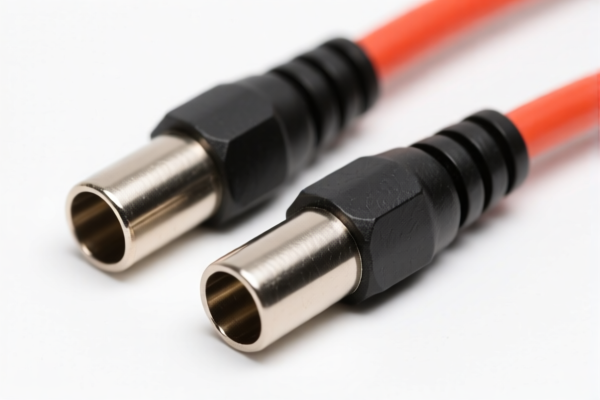
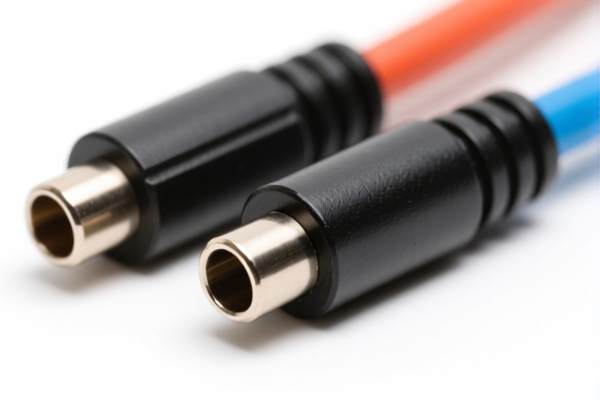
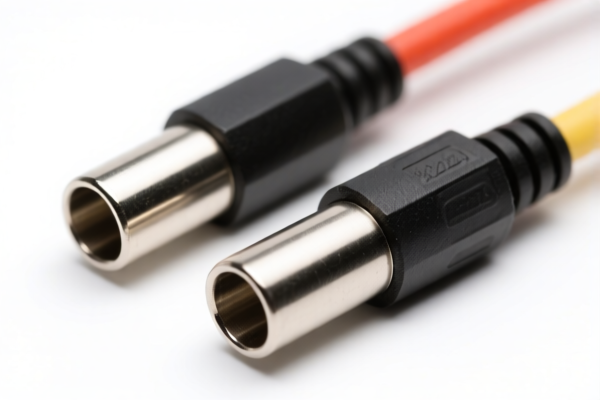
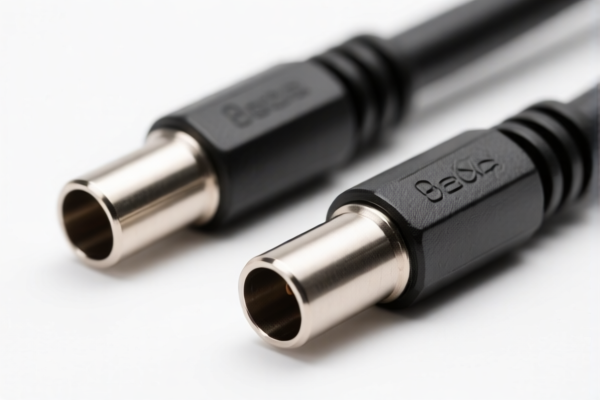
AI Analysis
🔌 Tubular Cable Terminal (Crimping Lugs & Connectors)
🌐 HS Code Reference & Clearance Guide | 2026 Latest Tariff Analysis | Professional Clearance Strategy
📌 I. Product Definition & Classification: Do You Really Know What a "Tubular Cable Terminal" Is?
A Tubular Cable Terminal (often referred to as a Cable Lug, Crimp Lug, or Eyelet) is a mechanical device used to connect a stranded or solid wire to a stud, bolt, or screw terminal. It consists of a tubular barrel (to which the wire is crimped) and a mounting eye/flange.
In international trade, classification depends heavily on material composition and specific application:
- Copper Terminals: The most common type for electrical conductors.
- Steel/Iron Terminals with Copper Heads: Often used in structural or grounding applications.
- Specialized Electrical Connectors: If designed specifically for switching/protecting circuits (voltage ≤1,000V).
⚠️ Key Distinction Point:
- If it is a generic crimp terminal made of copper → It falls under Chapter 74 (Articles of Copper).
- If it is a structural grounding rod made of steel → It falls under Chapter 73 (Articles of Iron or Steel).
- If it is a specialized electrical coupler/terminal for circuit protection → It may fall under Chapter 85 (Electrical Apparatus).
📦 II. HS Code Classification Details (2026 Latest Tariff Authority Comparison)
Based on the provided <DATA>, here are the applicable HS Codes for Tubular Cable Terminals, categorized by material and function:
| HS Code | Product Description | Material/Feature | Applicable Scenario |
|---|---|---|---|
7415.29.00.00 |
Nails, tacks, staples... Other articles, not threaded: Other | Copper (Non-threaded) | Standard copper crimp lugs, non-threaded barrel terminals. |
7415.21.00.00 |
Nails, tacks, staples... Other articles, not threaded: Washers (including spring washers) | Copper (Non-threaded) | Note: Only if the terminal functions structurally as a washer (rare for cable lugs, but possible for specific grounding connectors). Likely misclassification for standard lugs, but included in data. |
7326.90.25.00 |
Other articles of iron or steel: Cable or inner wire for caliper and cantilever brakes and casing therefor | Iron/Steel | Specific Use Only: Ground wires or cables used specifically in bicycle/motorcycle brake systems. Not for general power terminals. |
7326.90.86.05 |
Other articles of iron or steel: Rods for electrical grounding | Iron/Steel | Grounding rods or specific steel terminals used for electrical grounding. |
8536.90.40.00 |
Electrical apparatus for switching/protecting circuits... Terminals, electrical splices and electrical couplings; wafer probers | Electrical Apparatus | Specialized electrical terminals, splices, or couplings designed for circuit protection/switching (≤1,000V). |
8536.90.85.85 |
Electrical apparatus... Other: Other Other | Electrical Apparatus | Other unspecified electrical connectors or terminals not classified elsewhere in Ch. 85. |
🔍 重点提醒:
- Most Common Case: Standard copper crimp lugs are typically classified under7415.29.00.00as "Other articles of copper." - Grounding Rods: If the "terminal" is actually a grounding rod made of steel, use7326.90.86.05. - Brake Wires: If the "tubular cable" is part of a brake system casing, use7326.90.25.00.
💰 III. 2026 Latest Tariff Rate Details (Including Additional Taxes & Policy Surcharges)
✅ Applicable Country: United States (US)
✅ Origin: China (CN)
✅ Effective Time: 2025-11-10 onwards (and subsequent imports)
🎯 1. 7415.29.00.00 —— Copper Articles (Other, Non-Threaded)
Typical for standard copper cable lugs.
| Item | Content |
|---|---|
| Base Duty Rate | 0.0% |
| Additional Duty (301/Other) | 0.0% |
| Steel/Aluminum/Copper Surcharge | +50% (Specific surcharge on steel, aluminum, and copper products) |
| Total Duty Rate | 50.0% |
| Calculation | CIF Value × 50% |
| De Minimis Exemption | ❌ Not Eligible (High duty rate exceeds de minimis thresholds for favorable treatment) |
| Legal Basis Path | Steel/Aluminum/Copper Surcharge: 50% applied to Chapter 74 articles. |
📌 Explanation:
- While the base rate is 0%, the 50% surcharge on copper products drastically increases the cost.
- This is a significant cost driver for copper-based electrical components.
🎯 2. 7326.90.25.00 —— Brake Cables/Wires (Iron/Steel)
Only if used in brake systems.
| Item | Content |
|---|---|
| Base Duty Rate | 0.0% |
| Additional Duty (301/Other) | +25.0% |
| Steel/Aluminum/Copper Surcharge | +50% |
| Total Duty Rate | 75.0% |
| Calculation | CIF Value × 75% |
📌 Note:
- High tariff due to combined specific surcharges on steel products used in automotive/motorcycle parts.
🎯 3. 7326.90.86.05 —— Grounding Rods (Iron/Steel)
For electrical grounding applications.
| Item | Content |
|---|---|
| Base Duty Rate | 2.9% |
| Additional Duty (301/Other) | +25.0% |
| Steel/Aluminum/Copper Surcharge | +50% |
| Total Duty Rate | 77.9% |
| Calculation | CIF Value × 77.9% |
📌 Note:
- Even though it's a grounding product, the steel surcharge applies, pushing the total tax nearly to 80%.
🎯 4. 8536.90.40.00 —— Electrical Terminals & Splices (≤1,000V)
For specialized electrical connectors.
| Item | Content |
|---|---|
| Base Duty Rate | 0.0% |
| Additional Duty (301/Other) | +25.0% |
| Steel/Aluminum/Copper Surcharge | 0% (Note: Data does not list the 50% surcharge for this HS Code, only base + 25%) |
| Total Duty Rate | 25.0% |
| Calculation | CIF Value × 25% |
📌 Explanation:
- This is the most favorable rate for electrical terminals if classified here.
- The 50% surcharge on "Steel/Aluminum/Copper" does not apply to this specific HS Code in the provided data.
- Strategy: If the product is a standard electrical terminal, verify if it can be classified here to save 25-50% in duties compared to copper articles.
🎯 5. 8536.90.85.85 —— Other Electrical Apparatus
Fallback category for electrical connectors.
| Item | Content |
|---|---|
| Base Duty Rate | 0.0% |
| Additional Duty (301/Other) | +25.0% |
| Steel/Aluminum/Copper Surcharge | +50% |
| Total Duty Rate | 75.0% |
| Calculation | CIF Value × 75% |
📌 Note:
- Unlike8536.90.40.00, this code is subject to the 50% surcharge, resulting in a high 75% total duty.
🛠️ IV. Customs Clearance Practical Advice (Real-World Pitfall Avoidance Guide)
✅ 1. Documentation Checklist (Non-negotiable)
| Document | Must Provide | Description |
|---|---|---|
| ✅ Product Specification Sheet | ✔️ | Material (Copper/Steel), Voltage Rating, Current Capacity, Crimp Type. |
| ✅ Material Certificate | ✔️ | Crucial for distinguishing between Chapter 74 (Copper) and Chapter 73 (Steel). |
| ✅ Product Photos | ✔️ | Clear images of the barrel, eye, and any insulating sleeves. |
| ✅ Commercial Invoice | ✔️ | Must state "Tubular Cable Terminal" or "Cable Lug," not just "Hardware." |
| ✅ HS Code Pre-Ruling | ✔️ | Highly recommended for 8536 vs 7415 distinction. |
✅ 2. Declaration Strategy (Key Mantra)
🔥 "Material Defines Chapter, Function Defines Subheading, Voltage Defines Chapter 85!"
| Scenario | Correct HS Code | Risk of Misclassification |
|---|---|---|
| Pure Copper Crimp Lug | 7415.29.00.00 |
Misclassifying as 8536 without electrical function proof → Potential penalty. |
| Steel Grounding Rod | 7326.90.86.05 |
Misclassifying as 7415 → Wrong material tax rate. |
| Electrical Terminal (≤1000V) | 8536.90.40.00 |
Misclassifying as 8536.90.85.85 → +50% extra duty! (Total 75% vs 25%). |
| Brake Cable Wire | 7326.90.25.00 |
Misclassifying as general steel → +25% extra duty. |
💡 Pro Tip:
- If your terminals are standard electrical connectors (lugs, splices, couplings) and the voltage is ≤1,000V, strive to classify under8536.90.40.00. This saves you 25-50% in duties compared to the copper or steel surcharges. - Ensure the invoice explicitly states "Electrical Terminal" or "Electrical Connector" to support Chapter 85 classification.
✅ 3. Special Handling
| Situation | Recommendation |
|---|---|
| Mixed Materials | If a terminal has a copper barrel and a steel bolt, classify based on the essential character (usually copper). |
| Insulated Terminals | Still classified under 7415 or 8536 depending on function; insulation does not change the base material rule. |
| OEM Custom Terminals | Provide design drawings to prove specific electrical function for 8536 classification. |
🌍 V. Global Market Clearance Comparison (2026 Latest)
| Country/Region | Recommended HS Code | Duty Rate (China Origin) | Key Certification | Notes |
|---|---|---|---|---|
| 🇺🇸 USA | 8536.90.40.00 |
25% (Best Case) | UL, CSA, IEEE | If miscategorized as copper (7415), duty jumps to 50%. |
| 🇺🇸 USA | 7415.29.00.00 |
50% (Copper Surcharge) | N/A | High cost for pure copper lugs. |
| 🇪🇺 EU | 8536.90.00 |
0% | CE, RoHS | No surcharges on copper/steel in EU for this category. |
| 🇨🇳 China | 7415.29.00 |
0% | CCC (if applicable) | Low import duty, but high VAT. |
📌 Conclusion:
- USA is the most challenging market due to the 50% surcharge on copper/steel products.
- Classification Strategy is Critical: Classifying under8536.90.40.00(25%) vs7415.29.00.00(50%) is a 25% difference in total landed cost.
📌 VI. Common Mistakes & Pitfall Guide (Lessons Learned)
❌ Mistake 1: Declaring Copper Lugs as "Electrical Connectors" without proof of electrical function
👉 Consequence: Customs may downgrade to Chapter 74, but if they apply the 50% surcharge, duty is 50%. However, if you successfully argue for 8536.90.40.00, you pay only 25%. Document the electrical function clearly.
❌ Mistake 2: Misidentifying Grounding Rods as "Nails"
👉 Consequence: Wrong HS Code, potential delays, and incorrect duty calculation.
❌ Mistake 3: Ignoring the 50% Surcharge on Copper
👉 Consequence: Unexpected 50% tax on copper lugs, destroying profit margins.
✅ Correct Approach:
"Tubular Cable Terminal, Copper, for Electrical Wiring, Voltage ≤1000V, Model XYZ, UL Listed"
🎯 VII. Conclusion: Professional Declaration, Save Cost, Ensure Clearance!
🎯 Remember the Mantra:
🔹 "Electrical Function Wins in Chapter 85 (25%)!"
🔹 "Pure Copper Lugs? Prepare for 50% Surcharge in Chapter 74."
🔹 "Steel Grounding Rods? 77.9% is the Reality."
📌 Pro Tip:
If your terminals are originating from Vietnam, Mexico, Thailand, or Malaysia, you may be eligible for IEEPA Exemptions or lower duty rates.
Recommend Advance Ruling for complex multi-material terminals.
📣 Immediate Action:
📞 Contact Professional Customs Broker + Provide Product Specs + Apply for HS Code Pre-Ruling
🚀 Let your Tubular Cable Terminals Clear Smoothly, Efficiently, and Profitably!
✨ Professional Clearance Starts with Accurate Classification!
💼 Every Percentage Point of Tax is Pure Profit or Cost!
Customer Reviews
About HS Code Classification
The Harmonized System (HS) is an internationally standardized nomenclature developed by the World Customs Organization (WCO) to classify traded products. Over 200 countries use the HS system as the basis for customs tariffs, trade statistics, and import/export regulations.
Each HS code follows a hierarchical structure:
- Chapter (2 digits) — Broad category of goods (e.g., Chapter 84: Machinery and Mechanical Appliances)
- Heading (4 digits) — More specific grouping within the chapter
- Subheading (6 digits) — Internationally standardized breakdown, used by all WCO member countries
- National subdivisions (8-10 digits) — Country-specific extensions for further classification, such as US HTSUS 10-digit codes
Correct HS code classification is essential for smooth customs clearance, accurate duty payment, and compliance with trade regulations. Misclassification can lead to customs delays, overpayment of duties, or penalties.
When importing from CN to US, the applicable tariff rates may include:
- Most-Favored-Nation (MFN) rate — The standard duty rate applied to WTO members
- General rate — Applied to countries without trade agreements
- Trade remedy duties — Additional tariffs such as Section 301 (anti-dumping), Section 232 (national security), or countervailing duties
The information provided on this page is for reference purposes only. For official classification, please consult with your local customs authority or a licensed customs broker.