Tungsten and articles thereof
CN → US| HS Code | Tariff Rate | Origin | Destination | Doc |
|---|---|---|---|---|
| 8101100000 | 42.0% | CN | US | Official Doc |
| 8101970000 | 12.8% | CN | US | Official Doc |
Product Images
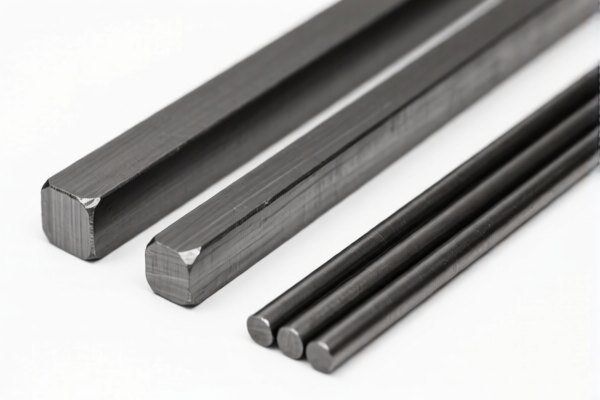
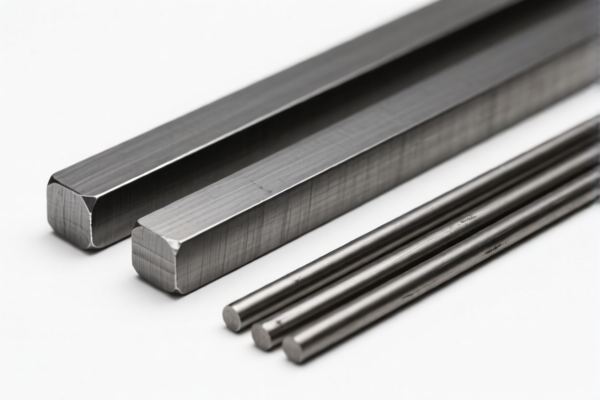
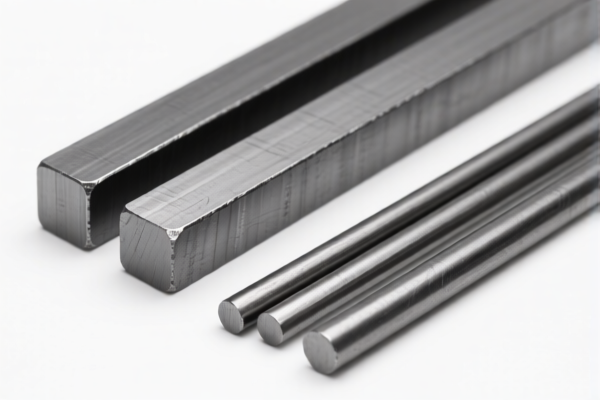
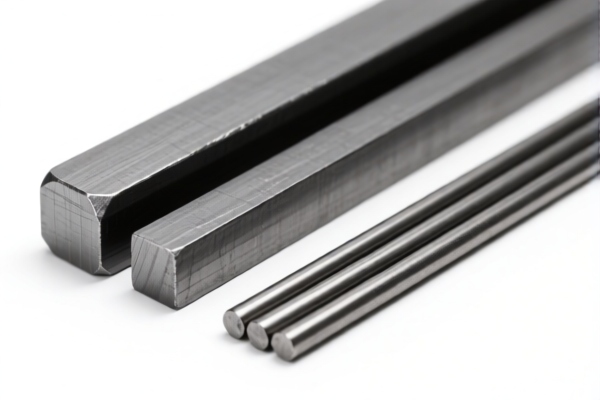
AI Analysis
⚒️ Tungsten (Wolfram) and Articles Thereof
🌐 HS Code Reference & Customs Clearance Guide | 2026 Latest Tariff Analysis | Strategic Clearance Strategy 📌 1. Product Definition & Classification: Do You Really Know "Tungsten"?
Tungsten (Wolfram) is a rare refractory metal known for its high melting point and density. In international trade, it is not a single commodity but is strictly divided based on its physical form and state of processing. Misclassification leads to massive tax discrepancies and customs delays.
In the provided data, two distinct categories are identified: 1. Powders: Fine, processed particulate form, typically used for sintering or manufacturing complex alloys. 2. Waste and Scrap: Used, obsolete, or leftover metallic material, intended for recycling or remelting.
⚠️ Critical Distinction: * If the material is fresh, processed powder → It is a high-value raw material subject to stricter trade controls. * If the material is used/broken scrap → It is classified as secondary raw material with significantly lower tariffs.
📦 2. HS Code Classification Details (2026 Latest Tariff Authority Cross-Reference)
| HS Code | Product Description | Applicable Scenario | Physical State |
|---|---|---|---|
8101.10.00.00 |
Tungsten (wolfram) and articles thereof: Powders | New tungsten powder, atomized powder, for additive manufacturing or sintering | ✅ Fine Powder |
8101.97.00.00 |
Tungsten (wolfram) and articles thereof: Other: Waste and scrap | Broken tungsten parts, turnings, slag, recycled tungsten carbide scraps | ✅ Scrap/Metal碎片 |
🔍 Key Reminder: * "Powders" include any tungsten in particulate form, regardless of purity, as long as it is not classified under other specific article headings. * "Waste and scrap" includes waste from the manufacture of tungsten articles and used tungsten products. It excludes powders, even if the powder comes from recycling processes (powders are explicitly separated in 8101.10).
💰 3. 2026 Latest Tariff Rate Details (Including Surtaxes & Policy Additions)
✅ Applicable Country: United States (US) ✅ Country of Origin: China (CN) ✅ Effective Time: As per current trade policy (Base + Section 301 + IEEPA)
🎯 1. 8101.10.00.00 —— Tungsten Powders
| Item | Content |
|---|---|
| Base Tariff | 7.0% (ad valorem) |
| Surtax (Section 301 / Additional) | 25.0% |
| Total Tax Rate | 32.0% |
| Tax Calculation | CIF Value × 32.0% |
| De Minimis Exemption? | ❌ No (High-risk commodity) |
| Legal Basis Path | HTSUS:8101.10.00.00 → USITC: Footnote 9903.88.01 (General Surtax Application) |
📌 Explanation: * Base Tariff (7.0%): Standard Most Favored Nation (MFN) rate for tungsten powders. * Surtax (25.0%): Applies due to US-China trade tensions (Section 301 tariffs). This is a significant added cost on top of the base rate. * Total Impact: At 32%, importing tungsten powder is expensive. Importers must factor this into their Cost of Goods Sold (COGS).
🎯 2. 8101.97.00.00 —— Tungsten Waste and Scrap
| Item | Content |
|---|---|
| Base Tariff | 2.8% (ad valorem) |
| Surtax (Section 301 / Additional) | 0.0% |
| Total Tax Rate | 2.8% |
| Tax Calculation | CIF Value × 2.8% |
| De Minimis Exemption? | ❌ No (Scrap metals often face additional scrutiny) |
| Legal Basis Path | HTSUS:8101.97.00.00 → USITC: General Rate (No additional surtax for this specific scrap category) |
📌 Explanation: * Base Tariff (2.8%): The standard MFN rate for tungsten scrap. * Surtax (0.0%): Unlike powders or other finished tungsten articles, tungsten waste and scrap currently enjoy a 0% surtax rate. This makes recycling scrap economically advantageous compared to importing new powder. * Total Impact: At 2.8%, this is a highly favorable tariff rate, encouraging the import of recycled tungsten materials.
🛠️ 4. Customs Clearance Practical Advice (Field Avoidance Guide)
✅ 1. Preparation Material Checklist (None Omitted)
| Material | Must Provide | Description |
|---|---|---|
| ✅ Product Specification Sheet | ✔️ | Clearly state physical form: "Powder" vs. "Scrap/Shredded/Broken" |
| ✅ Photos (Clear Label) | ✔️ | Show texture (powder granules vs. metal chunks) |
| ✅ Mill Test Certificate (MTC) | ✔️ | For powders: Shows purity and particle size (D50) |
| ✅ Declaration of Non-Recycling (for Powders) | ✔️ | If declared as powder, confirm it is not classified as waste |
| ✅ Commercial Invoice | ✔️ | Use precise HS descriptions: "Tungsten Powder, New" or "Tungsten Scrap, Used" |
| ✅ Packing List | ✔️ | Detail net/gross weight carefully; scrap may have impurities |
✅ 2. Declaration Tips (Key Mnemonics)
🔥 "Powder is New, Scrap is Old; 32% vs 2.8%, Know the Form!"
| Situation | Correct Declaration | Wrong Practice |
|---|---|---|
| New Tungsten Powder | 8101.10.00.00 + "New" |
Misdeclare as scrap → Smuggling/Fraud Risk |
| Used Tungsten Parts | 8101.97.00.00 + "Scrap" |
Misdeclare as powder → Overpayment (29.2% difference!) |
| Tungsten Carbide Chips | 8101.97.00.00 |
Misdeclare as other tungsten → High Tariff Risk |
| Powder in Bags | 8101.10.00.00 |
Misdeclare as scrap → Customs Hold & Inspection |
✅ 3. Special Handling for Scenarios
| Situation | Handling Advice |
|---|---|
| Mixed Shipment (Powder + Scrap) | Strictly Separated! Cannot mix in one container under one HS code. Declare separately to avoid total audit of the shipment. |
| Recycled Powder | Even if recycled, if it is in powder form, it is often still classified under 8101.10. Check if it meets "scrap" physical criteria; if yes, argue for 8101.97. |
| Tungsten Carbide (WC) | If it's a sintered product (not pure tungsten), it may fall under 8101.94 or 8207. Verify composition. |
| Environmental Compliance | Scrap may require EPA/RCRA compliance documents in the US. Ensure no hazardous contaminants. |
🌍 5. Global Market Clearance Comparison (2026 Latest)
| Country/Region | Recommended HS Code | Tariff (China Origin) | Certification Requirements | Remarks |
|---|---|---|---|---|
| 🇺🇸 USA | 8101.10.00.00 (Powder) |
32.0% (7% + 25%) | None specific | High tariff due to surtax |
| 🇺🇸 USA | 8101.97.00.00 (Scrap) |
2.8% (2.8% + 0%) | None specific | Low tariff advantage |
| 🇨🇳 China | 8101.10.00.00 |
~5-7% | None | Domestic trade varies |
| 🇪🇺 EU | 8101.10 |
~3.5% | REACH Compliance | Strict chemical regulations |
| 🇩🇪 Germany | 8101.10 |
~3.5% | REACH + SDS | Heavy inspection on powders |
📌 Conclusion: * USA is the most complex market due to the 25% surtax on powders. * Scrap import to the USA is highly cost-effective (2.8%) compared to powder (32%). * EU focuses on REACH compliance for tungsten powders due to toxicity concerns.
📌 6. Common Errors & Pitfalls Guide (Blood & Tears Lessons)
❌ Mistake 1: Declaring Powder as Scrap to save 29.2% tax 👉 Consequence: Customs seizure, fines up to 3x the value, and potential criminal charges for fraud.
❌ Mistake 2: Declaring Scrap as Powder 👉 Consequence: Overpaying 29.2% unnecessarily. While less risky than fraud, it hurts profit margins significantly.
❌ Mistake 3: Mixing Powder and Scrap in one HS code line 👉 Consequence: Customs will demand a full audit of the entire shipment. If any item is misclassified, the entire shipment may be subject to the higher rate or held.
✅ Correct Practice:
For Powder: "Tungsten Powder, Pure 99.9%, Particle Size <10μm, New, HS 8101.10.00.00" For Scrap: "Tungsten Scrap/Broken Parts, Used, HS 8101.97.00.00"
🎯 7. Conclusion: Professional Declaration Saves Money!
🎯 Remember the Golden Rule:
🔹 "Powder is 32%, Scrap is 2.8%. Form determines the Tax!" 🔹 "32% - 2.8% = 29.2% Savings. Don't misclassify!"
✨ Professional Customs Clearance Starts with Accurate Classification! 💼 Every Percentage Point Counts in Your Profit Margin!
Customer Reviews
About HS Code Classification
The Harmonized System (HS) is an internationally standardized nomenclature developed by the World Customs Organization (WCO) to classify traded products. Over 200 countries use the HS system as the basis for customs tariffs, trade statistics, and import/export regulations.
Each HS code follows a hierarchical structure:
- Chapter (2 digits) — Broad category of goods (e.g., Chapter 84: Machinery and Mechanical Appliances)
- Heading (4 digits) — More specific grouping within the chapter
- Subheading (6 digits) — Internationally standardized breakdown, used by all WCO member countries
- National subdivisions (8-10 digits) — Country-specific extensions for further classification, such as US HTSUS 10-digit codes
Correct HS code classification is essential for smooth customs clearance, accurate duty payment, and compliance with trade regulations. Misclassification can lead to customs delays, overpayment of duties, or penalties.
When importing from CN to US, the applicable tariff rates may include:
- Most-Favored-Nation (MFN) rate — The standard duty rate applied to WTO members
- General rate — Applied to countries without trade agreements
- Trade remedy duties — Additional tariffs such as Section 301 (anti-dumping), Section 232 (national security), or countervailing duties
The information provided on this page is for reference purposes only. For official classification, please consult with your local customs authority or a licensed customs broker.