Turpentine Cleaner
CN → US| HS Code | Tariff Rate | Origin | Destination | Doc |
|---|---|---|---|---|
| 3814001000 | 41.5% | CN | US | Official Doc |
| 3814002000 | 41.5% | CN | US | Official Doc |
| 3805100000 | 40.0% | CN | US | Official Doc |
| 3805905000 | 38.7% | CN | US | Official Doc |
| 3824992900 | 41.5% | CN | US | Official Doc |
Product Images
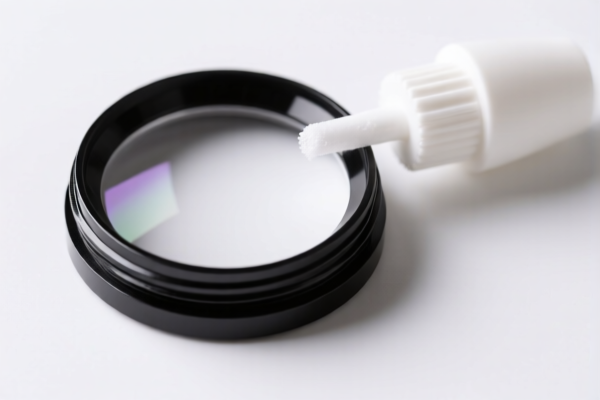
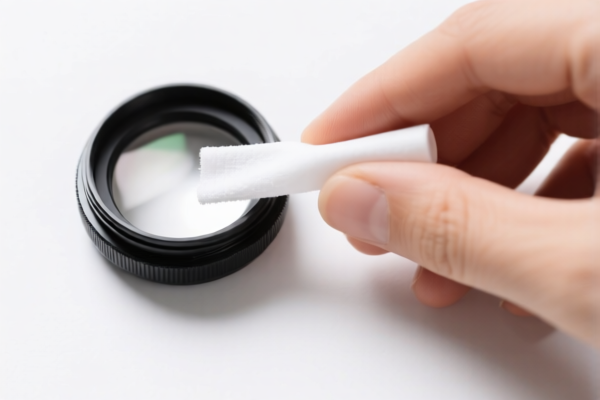
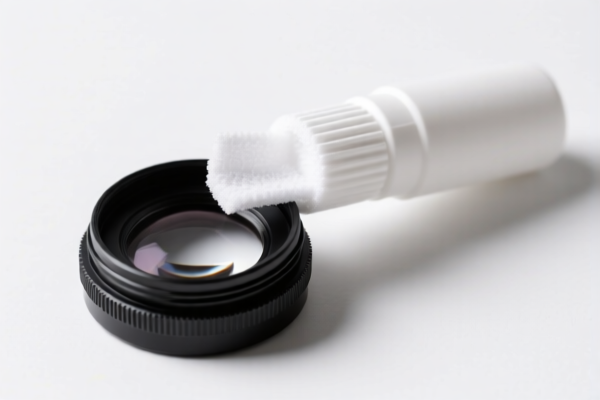
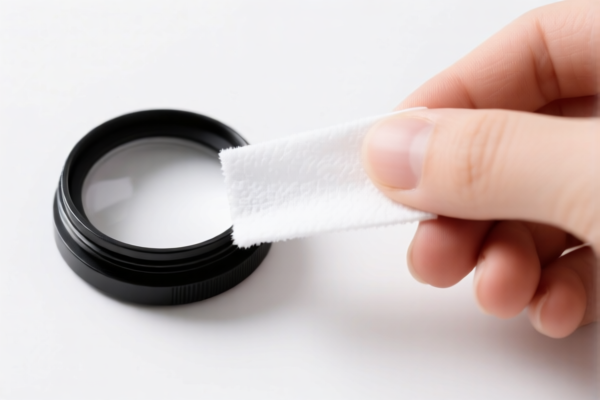
AI Analysis
🧪 Turpentine Cleaner (松节油电子清洁剂)
🌐 HS Code Reference & Clearance Guide | 2026 Latest Tariff Analysis | Expert Customs Strategy
📌 I. Product Definition & Classification: What Exactly is "Turpentine Cleaner"?
Turpentine Cleaner, often referred to in industrial contexts as Turpentine Substitute or Electronic Cleaning Solvent, is primarily composed of terpenes, pinene, and other aromatic hydrocarbons. In international trade, its classification depends strictly on its chemical composition and function:
- Organic Compound Solvents/Mixed Solvents: If it is a formulated mixture containing aromatic substances used for cleaning or diluting, it falls under Chapter 38 (Miscellaneous Chemical Products).
- Essential Oils/Extracts: If it is a primary extract derived from turpentine wood (distillation/processing) without extensive chemical modification, it may fall under 3805 (Essential Oils) or be treated as a chemical mixture under 3824.
⚠️ Critical Distinction Point:
- If it is a formulated mixture containing aromatic hydrocarbons or used specifically as an organic solvent/diluent →归入 3814.00
- If it is a primary extract (like refined turpentine/terpenes) with specific chemical attributes → 归入 3805 or 3824
📦 II. HS Code Classification Details (2026 Latest Tariff Authority Alignment)
Based on the provided data, here are the specific HS Codes, their descriptions, and corresponding tax structures. Note: All codes below are subject to US-China trade tensions, resulting in high total tariffs.
| HS Code | Product Description | Application Scenario | Chemical Nature |
|---|---|---|---|
3814.00.10.00 |
Turpentine electronic cleaner; belongs to organic compound solvents and diluents, contains aromatic substances. | Electronic cleaning, degreasing, industrial solvent mixture. | ✅ Aromatic (Mixed Solvent) |
3814.00.20.00 |
Turpentine electronic cleaner; contains aromatic hydrocarbons, used as an organic solvent/diluent. | Specific formulation with higher aromatic content; industrial cleaning. | ✅ Aromatic Hydrocarbons |
3805.10.00.00 |
Turpentine extract; similar to wood turpentine, in primary form produced via distillation or treatment. | Refined turpentine, primary terpene extract, less processed. | ✅ Primary Extract |
3805.90.50.00 |
Turpentine extract; attribute as pine oil or terpene oils, belongs to chemical extracts. | Specific terpene oils, pine oil derivatives, chemical extraction products. | ✅ Terpene/Pine Oil |
3824.99.29.00 |
Turpentine extract; belongs to chemical industry products, mixture of natural products or organic chemical preparations. | Complex mixtures, prepared chemical preparations not specified elsewhere. | ✅ Prepared Mixture |
🔍 Key Reminder:
-3814codes are for formulated solvents (mixtures with aromatic components).
-3805codes are for natural extracts (primary distillation products).
-3824is a "basket" code for prepared chemical preparations or mixtures not fitting 3805/3814.
- All these codes are subject to significant additional tariffs due to US-China trade policies.
💰 III. 2026 Latest Tariff Rate Breakdown (Including Additional Taxes & Policy Surcharges)
✅ Applicable Country: United States (US)
✅ Origin: China (CN)
✅ Effective Date: Ongoing (2025-2026 Trade Policy Context)
🎯 1. 3814.00.10.00 & 3814.00.20.00 — Organic Compound Solvents & Diluents (Aromatic)
These codes are classified under Section XVII (Miscellaneous Chemical Products) and are heavily targeted.
| Item | Content |
|---|---|
| Base Tariff | 6.5% (Ad Valorem) |
| Section 301 Tariff | +25.0% (USITC Footnote 9903.88.01 - Specific to Chapter 38 solvents) |
| Section 122 Tariff | +10.0% (Specific surcharge for certain chemical imports from China) |
| Total Tax Rate | 41.5% |
| Tax Calculation | CIF Value × 41.5% |
| De Minimis Exemption | ❌ Not Applicable (deny_de_minimis) |
| Legal Basis Path | USITC:3814.00 → FOOTNOTE:301-Section → IEEPA/122-Surcharge |
📌 Explanation:
- The 6.5% base rate is standard for organic solvents.
- The 25% Section 301 tariff is a major cost driver for Chinese-made solvents.
- The 10% Section 122 tariff is an additional layer specific to this classification group.
- Total 41.5% is extremely high, significantly impacting profit margins.
🎯 2. 3805.10.00.00 — Turpentine Extract (Primary Form)
| Item | Content |
|---|---|
| Base Tariff | 5.0% |
| Section 301 Tariff | +25.0% |
| Section 122 Tariff | +10.0% |
| Total Tax Rate | 40.0% |
| Tax Calculation | CIF Value × 40.0% |
| De Minimis Exemption | ❌ Not Applicable |
| Legal Basis Path | USITC:3805.10 → FOOTNOTE:301-Section → IEEPA/122-Surcharge |
📌 Note:
- Even though it’s a "natural extract," it is still subject to the 25% Section 301 and 10% Section 122 tariffs.
- Slightly lower base rate (5.0% vs 6.5%) but total rate is still prohibitive.
🎯 3. 3805.90.50.00 — Terpene/Pine Oil Extracts
| Item | Content |
|---|---|
| Base Tariff | 3.7% |
| Section 301 Tariff | +25.0% |
| Section 122 Tariff | +10.0% |
| Total Tax Rate | 38.7% |
| Tax Calculation | CIF Value × 38.7% |
| De Minimis Exemption | ❌ Not Applicable |
| Legal Basis Path | USITC:3805.90 → FOOTNOTE:301-Section → IEEPA/122-Surcharge |
📌 Note:
- This is the lowest total tariff among the options due to a very low base rate (3.7%).
- However, the 35% combined surcharge (25% + 10%) still dominates the cost.
🎯 4. 3824.99.29.00 — Prepared Chemical Preparations
| Item | Content |
|---|---|
| Base Tariff | 6.5% |
| Section 301 Tariff | +25.0% |
| Section 122 Tariff | +10.0% |
| Total Tax Rate | 41.5% |
| Tax Calculation | CIF Value × 41.5% |
| De Minimis Exemption | ❌ Not Applicable |
| Legal Basis Path | USITC:3824.99 → FOOTNOTE:301-Section → IEEPA/122-Surcharge |
📌 Note:
- Same tax structure as3814codes.
- Use this only if the product does not fit the specific descriptions of3805or3814.
🛠️ IV. Clearance Practical Advice (Avoid Pitfalls Guide)
✅ 1. Document Checklist (Missing = Delay/Reject)
| Document | Required | Description |
|---|---|---|
| ✅ Product Specification Sheet | ✔️ | Must detail chemical composition, especially aromatic content and terpene percentage. |
| ✅ SDS (Safety Data Sheet) | ✔️ | Critical for customs and EPA review. Must match HS code description (e.g., "Organic Solvent" vs "Essential Oil"). |
| ✅ Chemical Composition Report | ✔️ | Third-party lab report proving whether it’s a primary extract (3805) or formulated mixture (3814/3824). |
| ✅ Commercial Invoice | ✔️ | Clearly state: "Turpentine Cleaner / Organic Solvent," HS Code, and Origin. |
| ✅ Packing List | ✔️ | List net/gross weight, volume, and container type. |
| ✅ Certificate of Origin | ✔️ | Required for tariff verification and Section 301 assessment. |
✅ 2. Declaration Tips (Key Mnemonics)
🔥 "Chemical Nature Dictates Code, Aromatic = 3814, Extract = 3805, Mixture = 3824!"
| Scenario | Correct Declaration | Incorrect Practice |
|---|---|---|
| Formulated Cleaner with Aromatics | 3814.00.10.00 or 3814.00.20.00 |
Misdeclare as 3805 → Claimed penalty + back taxes |
| Primary Turpentine Extract | 3805.10.00.00 |
Misdeclare as 3814 → Higher base rate penalty |
| Complex Terpene Mixture | 3824.99.29.00 |
Misdeclare as 3805 → Customs may reject |
| Any of the Above | Declare Full Composition | Vague description "Solvent" → Audit Risk |
✅ 3. Special Cases
| Scenario | Handling Advice |
|---|---|
| OEM Custom Cleaner | Provide customer order + formula sheet. Avoid vague terms like "Turpentine Oil" if it’s a mixture. |
| High Aromatic Content | Ensure it’s classified under 3814, not 3805, to avoid misclassification penalties. |
| Pure Terpene Extract | If it’s minimally processed, use 3805.10.00.00 for slightly lower base rate. |
| Unclear Composition | Use 3824.99.29.00 as a fallback, but prepare for potential customs questioning. |
🌍 V. Global Market Clearance Comparison (2026 Latest)
| Country/Region | Recommended HS Code | Total Tariff (China Origin) | Certification Requirements | Notes |
|---|---|---|---|---|
| 🇺🇸 USA | 3814.00.10.00 |
41.5% | EPA TSCA, SDS | Highest tariffs due to 301 + 122 provisions |
| 🇨🇳 China | 3814.00.10.00 |
6.5% | None | No additional surcharges |
| 🇪🇺 EU | 3814.00.10.00 |
6.5% | REACH, SDS | No Section 301/122 equivalents |
| 🇯🇵 Japan | 3814.00.10.00 |
3.7% - 6.5% | PMD Act | No major surcharges |
📌 Conclusion:
- The US is the only major market imposing severe additional tariffs (35%) on Chinese turpentine cleaners.
- Total cost impact is drastic: A $10,000 shipment incurs $4,150 in tariffs.
- European and Asian markets have much lower barriers, making them more attractive if supply chain allows.
📌 VI. Common Mistakes & Pitfalls (Lessons Learned)
❌ Mistake 1: Declaring a formulated solvent as 3805.10.00.00 (Primary Extract)
👉 Consequence: Customs may detect aromatic additives → Penalty + Back Taxes + Audit.
❌ Mistake 2: Using vague terms like "Cleaning Solvent" without specifying aromatic content
👉 Consequence: Customs assigns default higher tariff code or delays shipment for classification review.
❌ Mistake 3: Ignoring Section 122 Tariff in cost calculations
👉 Consequence: Profit margin miscalculation → Loss-making shipments.
❌ Mistake 4: Not providing SDS with accurate chemical breakdown
👉 Consequence: EPA/Customs rejection → Shipment return or destruction.
✅ Correct Approach:
"Turpentine-based Electronic Cleaner, Organic Solvent Mixture, Contains Aromatic Hydrocarbons, SDS Provided, Model XYZ, HS Code 3814.00.10.00"
🎯 VII. Conclusion: Precision Classification Saves Money!
🎯 Remember These Rules:
🔹 "Aromatic Solvent = 3814 (41.5% Tax)"
🔹 "Primary Extract = 3805 (40% or 38.7% Tax)"
🔹 "Mixed Chemical Prep = 3824 (41.5% Tax)"
🔹 "Always include SDS & Composition Report!"🔹 "HS Code Determines Life or Death of Profit Margins!"
📌 Pro Tip:
- If your product is not made in China, check for IEEPA Exemptions or lower tariffs.
- For US imports, pre-classification ruling from CBP is highly recommended to avoid disputes.
- Consider supply chain diversification to avoid Section 301/122 tariffs if possible.
📣 Immediate Action:
📞 Contact professional customs broker + Provide SDS + Composition Report + Apply for HS Code Ruling
🚀 Ensure compliant clearance, minimize tax burden, and maximize profit!
✨ Professional Clearance Starts with Accurate Classification!
💼 Every Dollar Saved is a Dollar Earned!
Customer Reviews
About HS Code Classification
The Harmonized System (HS) is an internationally standardized nomenclature developed by the World Customs Organization (WCO) to classify traded products. Over 200 countries use the HS system as the basis for customs tariffs, trade statistics, and import/export regulations.
Each HS code follows a hierarchical structure:
- Chapter (2 digits) — Broad category of goods (e.g., Chapter 84: Machinery and Mechanical Appliances)
- Heading (4 digits) — More specific grouping within the chapter
- Subheading (6 digits) — Internationally standardized breakdown, used by all WCO member countries
- National subdivisions (8-10 digits) — Country-specific extensions for further classification, such as US HTSUS 10-digit codes
Correct HS code classification is essential for smooth customs clearance, accurate duty payment, and compliance with trade regulations. Misclassification can lead to customs delays, overpayment of duties, or penalties.
When importing from CN to US, the applicable tariff rates may include:
- Most-Favored-Nation (MFN) rate — The standard duty rate applied to WTO members
- General rate — Applied to countries without trade agreements
- Trade remedy duties — Additional tariffs such as Section 301 (anti-dumping), Section 232 (national security), or countervailing duties
The information provided on this page is for reference purposes only. For official classification, please consult with your local customs authority or a licensed customs broker.