Turpentine Resin
CN → US| HS Code | Tariff Rate | Origin | Destination | Doc |
|---|---|---|---|---|
| 3806100050 | 40.0% | CN | US | Official Doc |
| 3806100010 | 40.0% | CN | US | Official Doc |
| 1301909190 | 17.5% | CN | US | Official Doc |
| 1301904000 | 18.8% | CN | US | Official Doc |
| 3806100050 | 40.0% | CN | US | Official Doc |
Product Images

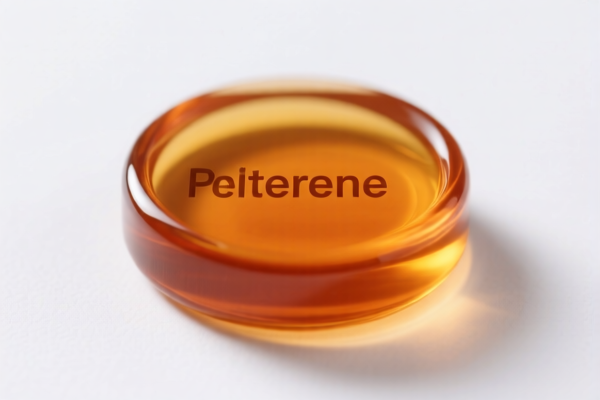
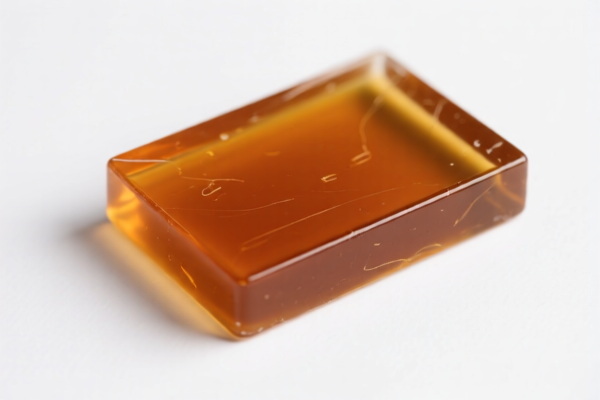
AI Analysis
🌲 Turpentine Resin (Rosin & Rosin Salts)
🌐 HS Code Reference & Customs Clearance Guide | 2026 Latest Tariff Analysis | Specialized Strategy for US Imports
📌 I. Product Definition & Classification: Do You Really Understand "Turpentine Resin"?
Turpentine Resin, commonly referred to as Rosin (or Colophony), is a solid, amorphous residue obtained from the distillation of liquid turpentine. It is primarily composed of abietic acid and other resin acids.
In international trade, it is critical to distinguish between: * Primary Rosin (Chemical/Industrial Grade): Extracted directly from gum turpentine. High acidity, used in adhesives, soaps, and varnishes. * Refined Rosin & Rosin Salts: Processed further, sometimes mixed with oils or neutralized with bases (potassium, sodium, zinc, etc.).
⚠️ Key Classification Point:
- If the product is raw or refined Rosin (Acid) → It falls under Chapter 38 (Miscellaneous Chemical Products) specifically 3806 (Rosins and resin acids).
- If the product is a Natural Resin (like Shellac or Copal) or an Oleoresin (extracted directly from trees with solvents/oils) → It may fall under Chapter 13 (Vegetable Saps and Resins).
- Crucial Distinction: Turpentine-derived Rosin is NOT a "Vegetable Sap" in the HS Code sense if it has undergone significant chemical processing/distillation, pushing it to Ch 38.
📦 II. HS Code Classification Details (2026 Latest Tariff Authority Cross-Reference)
Based on the provided data, here are the two primary HS Code categories for Turpentine Resin and its derivatives, along with their tax implications.
| HS Code | Product Description | Classification Logic | Tax Rate (Total) |
|---|---|---|---|
3806.10.00.50 |
Rosins and Resin Acids (Material Match) |
Chapter 38: Processed from turpentine distillation. Contains high percentage of resin acids. Used in adhesives, printing inks. | 40.0% |
3806.10.00.10 |
Rosins and Resin Acids (Material Match) |
Chapter 38: Same as above, typically distinguished by grade or specific chemical profile within the "Rosin" heading. | 40.0% |
1301.90.91.90 |
Natural Resins (Fits Resin Category Definition) |
Chapter 13: Pure vegetable saps/resins (e.g., unprocessed or minimally processed). Note: If your turpentine resin is considered a "natural resin" without significant acid extraction, this may apply. | 17.5% |
1301.90.40.00 |
Oleoresins (Fits Resin Exudate Characteristics) |
Chapter 13: Mixtures of resin and essential oils extracted directly from the plant (e.g., Pine Oleoresin). Note: If the product is a crude oleoresin before distillation, this applies. | 18.8% |
🔍 Critical Reminder:
- 40% Tax Trap: Most standard Turpentine Rosin (distilled) falls under 3806.10. This carries a 40% total tariff. Do not attempt to declare it as a simple natural resin to save tax unless it is truly an unprocessed oleoresin or natural sap, or you risk severe customs penalties. - 17.5%-18.8% Opportunity: If your product is Pine Oleoresin (raw exudate) or a Natural Resin (not distilled rosin acid), you can save significant duties. Check your COA (Certificate of Analysis) to confirm if it is "Rosin Acid" (Ch 38) or "Natural Resin/Oleoresin" (Ch 13).
💰 III. 2026 Latest Tariff Rate Breakdown (Including Surcharges & Policy Add-ons)
✅ Applicable Country: United States (US)
✅ Origin: China (CN) (Assumed based on 122 Section reference)
✅ Effective Date: Current (Including subsequent imports)
🎯 1. 3806.10.00.50 & 3806.10.00.10 —— Rosins and Resin Acids (Turpentine-Based)
| Item | Content |
|---|---|
| Base Tariff (MFN) | 5.0% (Ad valorem) |
| Section 301 Surtax (Trade War) | +25.0% (List 4/4A, applicable to many chemical products) |
| Section 122 Tariff (Bilateral) | +10.0% (Specific bilateral agreement surcharge) |
| Total Tariff Rate | 40.0% |
| Tax Calculation | CIF Value × 40% |
| De Minimis Eligibility | ❌ No (Deny de minimis for Section 301 goods if value > threshold, but generally high risk for bulk chemical) |
| Legal Basis Path | HTSUS:3806.10.00 → Section 301: Footnote 9903.88.01 → Section 122: Bilateral Surcharge |
📌 Explanation:
- The 5% base is standard for Rosin.
- The 25% Section 301 is the dominant cost driver.
- The 10% Section 122 is an additional layer.
- Total 40% is extremely high. This is a high-cost import category.
🎯 2. 1301.90.91.90 —— Natural Resins (Non-Turpentine Processed)
| Item | Content |
|---|---|
| Base Tariff (MFN) | 0.0% |
| Section 301 Surtax | +7.5% (Some natural products have lower 301 rates) |
| Section 122 Tariff | +10.0% |
| Total Tariff Rate | 17.5% |
| Tax Calculation | CIF Value × 17.5% |
| De Minimis Eligibility | ❌ No (If subject to Section 301/122) |
| Legal Basis Path | HTSUS:1301.90.91 → Section 301: Specific Footnote → Section 122 |
📌 Explanation:
- If you can legally classify your product as a Natural Resin (not distilled rosin acid), you save 22.5% in duties!
- Risk: Customs may reclassify as 3806 if the chemical analysis shows high resin acid content.
🎯 3. 1301.90.40.00 —— Oleoresins (Pine Oleoresin)
| Item | Content |
|---|---|
| Base Tariff (MFN) | 1.3% |
| Section 301 Surtax | +7.5% |
| Section 122 Tariff | +10.0% |
| Total Tariff Rate | 18.8% |
| Tax Calculation | CIF Value × 18.8% |
| Legal Basis Path | HTSUS:1301.90.40 → Section 301 → Section 122 |
📌 Explanation:
- Pine Oleoresin (raw sap extracted with solvent or mechanically) is often cheaper to classify than distilled Rosin.
- If your supplier sells you crude oleoresin instead of distilled rosin, you can lock in 18.8% instead of 40.0%.
🛠️ IV. Customs Clearance Practical Advice (Real-World Pitfall Guide)
✅ 1. Documentation Checklist (Must-Have)
| Document | Required | Explanation |
|---|---|---|
| ✅ Certificate of Analysis (COA) | ✔️ Critical | Must show chemical composition: % of Resin Acids vs. Neutral Matter. If Resin Acids > 50%, likely 3806. |
| ✅ Process Description | ✔️ Critical | Is it "Distilled Turpentine Residue" (3806) or "Extracted Oleoresin" (1301)? |
| ✅ Commercial Invoice | ✔️ | Clearly state: "Rosin Acid" OR "Pine Oleoresin". Avoid vague terms like "Plant Extract". |
| ✅ Safety Data Sheet (SDS) | ✔️ | To confirm chemical nature. |
| ✅ Country of Origin Certificate | ✔️ | For Section 301/122 enforcement. |
✅ 2. Declaration Tips (Key Mantra)
🔥 "Check the Acid, Check the Process, 3806 is 40%, 1301 is Half!"
| Scenario | Correct HS Code | Wrong Approach | Result |
|---|---|---|---|
| Distilled Rosin (Yellow/Float) | 3806.10.00.50 |
Declare as "Natural Resin" | Audit Risk + 22.5% Penalty |
| Pine Oleoresin (Raw) | 1301.90.40.00 |
Declare as "Rosin" | Unnecessary 21.2% Extra Tax |
| Refined Rosin Salts | 3806.10.00.50 |
Declare as "Vegetable Oil" | Major Classification Error |
| Shellac | 1301.20.00.00 |
Declare as "Rosin" | Wrong Chapter |
✅ 3. Special Handling
| Scenario | Advice |
|---|---|
| OEM Custom Rosin | Provide the supplier’s process flow chart. If they distill it, it’s 3806. |
| Blended Products | If Rosin is mixed with other chemicals, it may fall under 3824 (Prepared Binders). Check mixtures. |
| Value Determination | With 40% tax, every $1 saved in valuation matters. Ensure CIF is accurate. |
🌍 V. Global Market Comparison (2026 Latest)
| Country/Region | Recommended HS Code | Tariff (China Origin) | Certification | Notes |
|---|---|---|---|---|
| 🇺🇸 USA | 3806.10.00.50 |
40.0% | SDS, MSDS | High risk of audit. Oleoresin (1301) is cheaper. |
| 🇨🇳 China | 3806.10.00.50 |
5% | N/A | Low import duty. |
| 🇪🇺 EU | 3806.10.00 |
4.5% | REACH | No Section 301/122. |
| 🇯🇵 Japan | 3806.10.00 |
3.5% | FSC | Competitive market. |
📌 Conclusion:
- The US market is the most expensive for Rosin due to Section 301 + Section 122.
- Strategy: If possible, source Pine Oleoresin (1301.90.40.00) instead of Distilled Rosin (3806.10.00.50) to save ~21% in duties.
📌 VI. Common Mistakes & Pitfalls (Blood & Tears Lessons)
❌ Mistake 1: Declaring "Rosin" as "Natural Gum"
👉 Consequence: Customs rejects entry, demands chemical analysis. If it fails, 40% tax applies + penalties.
❌ Mistake 2: Ignoring Section 122
👉 Consequence: Even if you have a 301 exemption (rare for chemicals), the 10% Section 122 still applies. Total tax is not just 301.
❌ Mistake 3: Confusing "Rosin" with "Essential Oil"
👉 Consequence: Rosin is the residue after distillation. Essential Oil is the distillate. Different HS Codes. Wrong code = Delay.
✅ Correct Practice:
"Yellow Rosin, Distilled from Gum Turpentine, High Acid Content, for Adhesive Industry. HS: 3806.10.00.50."
🎯 VII. Conclusion: Professional Declaration, Cost Efficiency!
🎯 Remember the Mantra:
🔹 "Distilled = 40% (3806); Extracted = ~18% (1301). Check your COA!"
🔹 "Section 301 + Section 122 = High Cost. Don't guess the code!"
📌 Pro Tip:
If you are importing large volumes, consider Advance Ruling from CBP to confirm if your specific product qualifies for 1301 (lower tax) or 3806 (higher tax). This certainty is worth the fee.
📣 Immediate Action:
📞 Contact your freight forwarder with COA and Process Diagram.
🚀 Optimize your HS Code to save up to 22.5% in duties!
✨ Professional Customs Clearance Starts with Accurate Classification!
💼 Every Dollar Saved in Tariffs is Pure Profit!
Customer Reviews
About HS Code Classification
The Harmonized System (HS) is an internationally standardized nomenclature developed by the World Customs Organization (WCO) to classify traded products. Over 200 countries use the HS system as the basis for customs tariffs, trade statistics, and import/export regulations.
Each HS code follows a hierarchical structure:
- Chapter (2 digits) — Broad category of goods (e.g., Chapter 84: Machinery and Mechanical Appliances)
- Heading (4 digits) — More specific grouping within the chapter
- Subheading (6 digits) — Internationally standardized breakdown, used by all WCO member countries
- National subdivisions (8-10 digits) — Country-specific extensions for further classification, such as US HTSUS 10-digit codes
Correct HS code classification is essential for smooth customs clearance, accurate duty payment, and compliance with trade regulations. Misclassification can lead to customs delays, overpayment of duties, or penalties.
When importing from CN to US, the applicable tariff rates may include:
- Most-Favored-Nation (MFN) rate — The standard duty rate applied to WTO members
- General rate — Applied to countries without trade agreements
- Trade remedy duties — Additional tariffs such as Section 301 (anti-dumping), Section 232 (national security), or countervailing duties
The information provided on this page is for reference purposes only. For official classification, please consult with your local customs authority or a licensed customs broker.