Turtle Hiding Cave
CN → US| HS Code | Tariff Rate | Origin | Destination | Doc |
|---|---|---|---|---|
| 6815994170 | 35.0% | CN | US | Official Doc |
| 6914108000 | 44.0% | CN | US | Official Doc |
| 6914908000 | 40.6% | CN | US | Official Doc |
| 3926909989 | 22.8% | CN | US | Official Doc |
| 6815992000 | 35.0% | CN | US | Official Doc |
Product Images

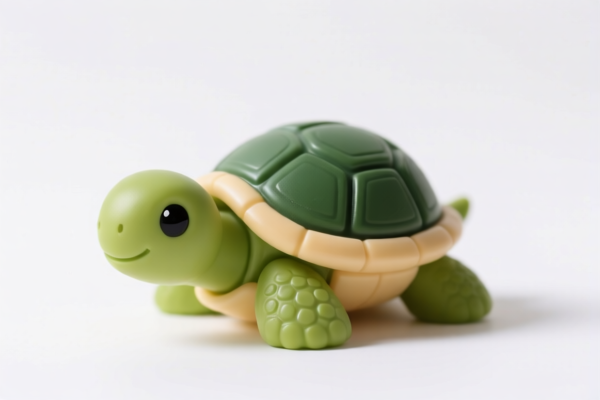

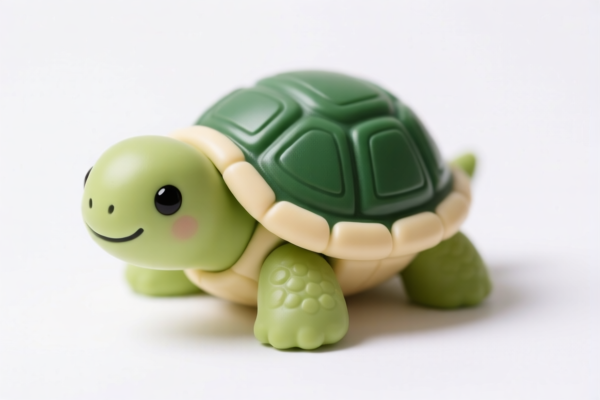
AI Analysis
🐢 Turtle Hiding Cave (Reptile Habitat Decor)
🌐 HS Code Reference & Customs Clearance Guide | 2026 Latest Tariff Analysis | Professional Clearance Strategy
📌 1. Product Definition & Classification: What is a "Turtle Hiding Cave"?
A Turtle Hiding Cave is a decorative habitat accessory designed for reptiles (specifically turtles and terrapins) to provide shelter, reduce stress, and mimic natural environments. In international trade, classification depends heavily on the primary material of the object. They are not classified as "animal food" or "live animals," but rather as manufactured goods under their respective material chapters (Plastics, Ceramics, or Stone/Mineral products).
⚠️ Critical Distinction Point:
- If made of Plastic → Chapter 39 (Articles of Plastic)
- If made of Ceramic → Chapter 69 (Ceramic Products)
- If made of Resin/Ceramic/Stone mix or Pure Stone/Resin → Chapter 68 (Articles of Stone, Plaster, Cement, Asbestos, Mica or Similar Materials)Key Rule: The classification determines the tariff rate, which varies significantly from 22.8% to 44.0% for US imports from China due to Section 301 and IEEPA tariffs.
📦 2. HS Code Classification Details (2026 Latest Tariff Authority)
Based on the provided data, here are the specific classifications for Turtle Hiding Caves by material:
| HS Code | Product Description | Material Type | Application Context |
|---|---|---|---|
6815.99.41.70 |
Resin, Ceramic, or Stone Turtles Hiding Cave | Mixed/Resin/Stone | Categorized under "Other articles of stone or other mineral substances." Specifically targets resin-based or mineral-based decor. |
6914.10.80.00 |
Ceramic Turtle Hiding Cave | Ceramic | Categorized under "Other ceramic articles" as decorative items or accessories for pet habitats. |
6914.90.80.00 |
Ceramic Turtle Hiding Cave | Ceramic | Categorized under "Other ceramic articles" under a different sub-heading for miscellaneous ceramic goods. |
3926.90.99.89 |
Plastic Turtle Hiding Cave | Plastic | Categorized under "Other articles of plastic" (Catch-all/Residual category for plastic goods not elsewhere specified). |
6815.99.20.00 |
Stone/Mineral Turtle Hiding Cave | Stone/Mineral | Categorized under "Other articles of stone or other mineral substances" (excluding resin/ceramic mixes). |
🔍 Key Reminder:
- Ceramic vs. Resin: Even if a product looks like stone, if it is molded from resin, it may fall under6815.99.41.70or3926depending on composition and manufacturing process.
- Plastic is Most Cost-Effective: Plastic caves generally attract lower additional tariffs compared to ceramic or stone-resin mixes.
- Declaration Accuracy: Misdeclaring a resin cave as "stone" or a plastic cave as "ceramic" can lead to severe penalties and customs delays.
💰 3. 2026 Latest Tariff Rate Breakdown (Including Additional Taxes, Policy Surcharges)
✅ Applicable Country: United States (US)
✅ Origin: China (CN)
✅ Effective Time: Current rates apply (Section 301 & IEEPA surcharges)
🎯 1. 6815.99.41.70 & 6815.99.20.00 —— Stone, Resin, or Mineral Caves
| Item | Content |
|---|---|
| Base Duty Rate | 0.0% (ad valorem) |
| Section 301 Additional Duty | +25.0% |
| 122 Clause IEEPA Duty | +10.0% |
| Total Tax Rate | 35.0% |
| Tax Calculation | CIF Value × 35% |
| De Minimis Eligibility | ❌ No (Deny_de_minimis for Section 301/IEEPA goods) |
| Legal Basis Path | USITC:6815.99.41.70 → FOOTNOTE:301 → IEEPA:9903.01.25 |
📌 Explanation:
- The base duty for stone/mineral articles is often 0%, but the 35% total effective rate is driven by heavy surcharges.
- Section 301 (25%) applies to most Chinese-made non-agricultural goods.
- 122 Clause (10%) is a specific surcharge for certain Chinese imports.
- High Cost Alert: This category has a 35% burden, making it expensive for low-margin products.
🎯 2. 6914.10.80.00 & 6914.90.80.00 —— Ceramic Caves
| Item | Content |
|---|---|
| Base Duty Rate | 5.6% - 9.0% (ad valorem) |
| Section 301 Additional Duty | +25.0% |
| 122 Clause IEEPA Duty | +10.0% |
| Total Tax Rate | 40.6% - 44.0% |
| Tax Calculation | CIF Value × (40.6% ~ 44.0%) |
| De Minimis Eligibility | ❌ No |
| Legal Basis Path | USITC:6914.x0.80.00 → FOOTNOTE:301 → IEEPA:9903.01.25 |
📌 Explanation:
- Ceramic products have a higher base duty (5.6% or 9.0%) compared to stone (0%).
-6914.10.80.00: Highest total rate at 44.0% (9% base + 25% + 10%).
-6914.90.80.00: Total rate at 40.6% (5.6% base + 25% + 10%).
- Cost Warning: Ceramic caves are the most expensive to import due to higher base tariffs.
🎯 3. 3926.90.99.89 —— Plastic Caves
| Item | Content |
|---|---|
| Base Duty Rate | 5.3% (ad valorem) |
| Section 301 Additional Duty | +7.5% |
| 122 Clause IEEPA Duty | +10.0% |
| Total Tax Rate | 22.8% |
| Tax Calculation | CIF Value × 22.8% |
| De Minimis Eligibility | ❌ No (Note: Some plastic goods have different 301 rates, here specified as 7.5%) |
| Legal Basis Path | USITC:3926.90.99.89 → FOOTNOTE:301 → IEEPA:9903.01.25 |
📌 Explanation:
- Best Value Option: Plastic caves attract the lowest total tariff at 22.8%.
- The Section 301 rate for this plastic sub-category is only +7.5% (compared to 25% for stone/ceramic), significantly reducing the tax burden.
- Recommendation: If product design allows, consider switching from ceramic/resin to high-quality plastic to save ~17-21% in duties.
🛠️ 4. Customs Clearance Practical Advice (Real-World Pitfall Guide)
✅ 1. Required Documentation List (Non-Negotiable)
| Document | Required | Description |
|---|---|---|
| ✅ Product Specification Sheet | ✔️ | Must clearly state material composition (e.g., "90% Ceramic, 10% Glaze") |
| ✅ Material Declaration | ✔️ | Specific declaration: "Plastic," "Ceramic," or "Resin/Stone" to avoid misclassification |
| ✅ Commercial Invoice | ✔️ | Must describe item as "Turtle Hiding Cave" or "Reptile Habitat Decor" |
| ✅ Product Photos | ✔️ | Clear images showing texture (porous for stone, glazed for ceramic, smooth for plastic) |
| ✅ Packing List | ✔️ | Weight and dimensions for accurate freight and duty calculation |
| ✅ Certificate of Origin (CO) | ✔️ | Confirming Chinese origin to apply correct surcharges |
✅ 2. Classification Strategy (Key Mnemonics)
🔥 "Material Dictates Rate: Plastic Wins, Ceramic Burns!"
| Scenario | Correct HS Code | Total Tax | Error Consequence |
|---|---|---|---|
| Solid Plastic Cave | 3926.90.99.89 |
22.8% | Misclassifying as Ceramic → Pay 44% → Overpay 21% |
| Resin Cave (Looks like Stone) | 6815.99.41.70 |
35.0% | Misclassifying as Plastic → Misdeclaration Penalty |
| Glazed Ceramic Cave | 6914.10.80.00 |
44.0% | Highest cost category. Optimize packaging to reduce CIF value. |
| Un-glazed/Earthenware Ceramic | 6914.90.80.00 |
40.6% | Slightly cheaper than glazed, but still expensive. |
| Pure Stone Carving | 6815.99.20.00 |
35.0% | Verify if it's real stone or resin-coated. |
📌 Pro Tip:
- Resin vs. Plastic: If the cave is molded from thermoset resin, it may fall under Chapter 39 or 68. Check with your supplier if it's "PVC," "PE," or "Polyresin." Polyresin often triggers the higher 35% rate (6815.99.41.70), while PVC/PE triggers the lower 22.8% rate (3926.90.99.89).
- Ceramic Glaze: Glazed ceramics (6914.10) have higher base duties than unglazed (6914.90). If the product can be sold unglazed, it saves 3.4% in base duty.
✅ 3. Special Handling & Risk Mitigation
| Situation | Handling Advice |
|---|---|
| Hybrid Materials (e.g., Stone Base + Plastic Shell) | Declare based on essential character. Usually, the decorative shell (Plastic) may dictate Chapter 39, but consult a broker. Misclassification leads to audits. |
| Bundled Sales (Cave + Food + Filter) | Declare separately. Do not bundle into one HS Code. Food, plastics, and ceramics have different tariffs and regulations. |
| Anti-Dumping/Safeguard Measures | Verify if the specific ceramic/plastic type faces additional anti-dumping duties. Standard 301/IEEPA applies to most. |
| De Minimis Loophole (Section 321) | ❌ Not Available. Goods subject to Section 301 (most of these) and IEEPA are excluded from the $800 de minimis exemption. All shipments are subject to full duty. |
🌍 5. Global Market Comparison (2026 Latest)
| Country/Region | Recommended HS Code | Total Tax (China Origin) | Notes |
|---|---|---|---|
| 🇺🇸 United States | 3926.90.99.89 (Plastic) |
22.8% | Best margin. Plastic is favored. Ceramic is 44%. |
| 🇨🇳 China (Import) | 3926.90.99.89 |
5.3% | Low duty for domestic consumption. |
| 🇪🇺 European Union | 3926.90.99 / 6914 |
Varies (0-6.5%) | No Section 301/IEEPA surcharges. Much cheaper than US. |
| 🇬🇧 United Kingdom | 3926.90.99 |
Varies | Post-Brexit, check UK Tariff. Generally no punitive surcharges like US. |
📌 Conclusion:
- The US market is the most expensive for Turtle Hiding Caves due to the 122 Clause and Section 301 tariffs.
- Plastic (3926) is the strategic choice for US imports to minimize costs (22.8% vs 35-44%).
- Consider market diversification to EU/UK if US margins are too thin.
📌 6. Common Errors & Pitfalls (Lessons Learned)
❌ Error 1: Declaring a Resin Cave as Stone to avoid plastic checks.
👉 Result: Customs may require lab testing. If found to be resin, it reclassifies to 6815.99.41.70 (35%) or 3926 (22.8%). Delay + Storage Fees.
❌ Error 2: Declaring a Ceramic Cave as Plastic to save taxes.
👉 Result: Severe penalty for fraud. Tax difference is ~21%. Audit risk is high. Customs can seize goods.
❌ Error 3: Ignoring the 122 Clause (10%).
👉 Result: Underpayment by 10% on all stone/ceramic/plastic caves. Correcting this post-clearance leads to interest and penalties.
❌ Error 4: Assuming De Minimis applies to small caves.
👉 Result: Since 2025, Section 301 and IEEPA goods are excluded from $800 exemption. Even a $10 cave is taxed.
✅ Correct Practice:
"Plastic Turtle Hiding Cave, Material: PVC, Color: Green, HS Code: 3926.90.99.89, Duty: 22.8%"
🎯 7. Conclusion: Professional Classification for Profit Maximization
🎯 Remember the Golden Rule:
🔹 "Plastic is King (22.8%), Ceramic is Queen (44%), Stone/Resin is Prince (35%)."
🔹 "No De Minimis for US Imports from China – Plan for Full Duty!"
🔹 "Verify Material Composition: Is it True Ceramic or Resin-Coated?"
📌 Tips:
- If you are using Polyresin (often called "ceramic" in marketing), ask your supplier if it can be classified as Plastic under 3926. If the resin content is high, it might fall under 6815 (35%). Clarify with your customs broker.
- Pre-Approval: Consider applying for an Advance Ruling if you have a high-volume, mixed-material product.
- Supply Chain: For US-bound goods, Plastic (3926) offers the best risk-adjusted margin.
📣 Immediate Action:
📞 Contact your Customs Broker
📦 Confirm Material Data Sheet (MSDS)
🚀 Optimize Product Design for Plastic Classification to Save Up to 21% in Duties!
✨ Professional Clearance Starts with Accurate Classification!
💼 Every Percentage Point of Duty Saved is Pure Profit!
Customer Reviews
About HS Code Classification
The Harmonized System (HS) is an internationally standardized nomenclature developed by the World Customs Organization (WCO) to classify traded products. Over 200 countries use the HS system as the basis for customs tariffs, trade statistics, and import/export regulations.
Each HS code follows a hierarchical structure:
- Chapter (2 digits) — Broad category of goods (e.g., Chapter 84: Machinery and Mechanical Appliances)
- Heading (4 digits) — More specific grouping within the chapter
- Subheading (6 digits) — Internationally standardized breakdown, used by all WCO member countries
- National subdivisions (8-10 digits) — Country-specific extensions for further classification, such as US HTSUS 10-digit codes
Correct HS code classification is essential for smooth customs clearance, accurate duty payment, and compliance with trade regulations. Misclassification can lead to customs delays, overpayment of duties, or penalties.
When importing from CN to US, the applicable tariff rates may include:
- Most-Favored-Nation (MFN) rate — The standard duty rate applied to WTO members
- General rate — Applied to countries without trade agreements
- Trade remedy duties — Additional tariffs such as Section 301 (anti-dumping), Section 232 (national security), or countervailing duties
The information provided on this page is for reference purposes only. For official classification, please consult with your local customs authority or a licensed customs broker.