Tuxedo
CN → US| HS Code | Tariff Rate | Origin | Destination | Doc |
|---|---|---|---|---|
| 6203119000 | 35.0% | CN | US | Official Doc |
| 6203315010 | 35.0% | CN | US | Official Doc |
Product Images
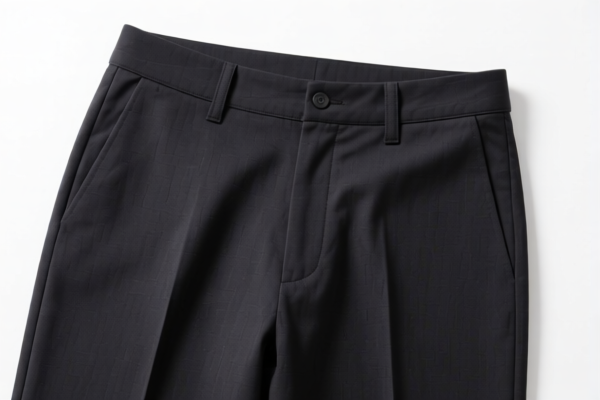
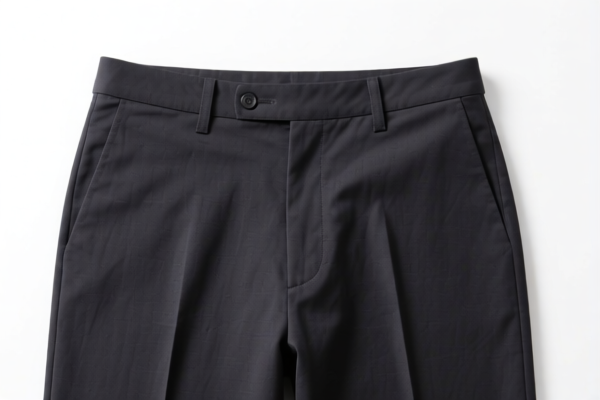
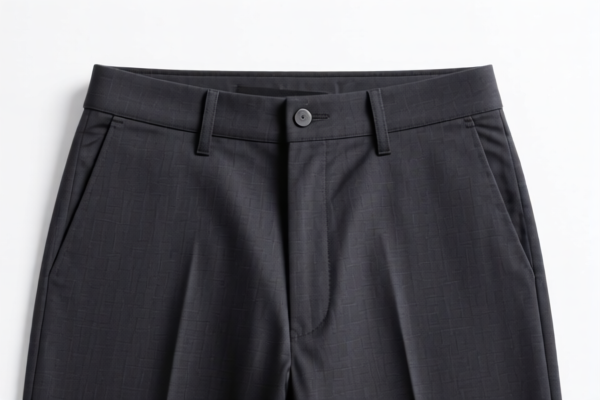
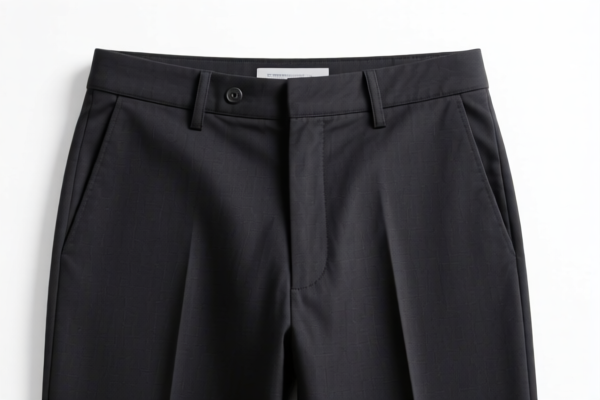
AI Analysis
👔 Tuxedo (Men's/Formal Suits)
🌐 HS Code Reference & Customs Clearance Guide | 2026 Latest Tariff Analysis | Professional Clearance Strategy
📌 I. Product Definition and Classification: Do You Really Understand a "Tuxedo"?
A tuxedo (also known as a dinner jacket or evening suit) is a formal garment typically worn for black-tie events. In international trade, the classification depends heavily on the material composition and the specific structure of the garment. The provided data specifies two distinct HS Codes based on wool/fine animal hair standards.
Key Distinction: * General Wool/Fine Animal Hair Suits: Covers standard suits, jackets, and ensembles made of wool or fine animal hair that do not meet the specific "worsted" diameter criteria for the lower sub-heading. * Premium Worsted Wool Suits: Strictly defined as suit-type jackets/blazers made of worsted wool fabric with a yarn fiber diameter of < 18.5 microns, specifically for suits described in Note 3(a). This is a high-end, precise technical definition.
⚠️ Critical Differentiator:
- If the fabric is wool/fine animal hair but does not meet the < 18.5 micron worsted specification → Use 6203.11.90.00.
- If the fabric is worsted wool AND has a fiber diameter < 18.5 microns (as per Note 3(a)) → Use 6203.31.50.10.
- Note: The description for6203.11.90.00explicitly includes "Suits," "Suit-type jackets," and "Ensembles," making it the broader category for general formal wear unless the high-grade specification is met.
📦 II. HS Code Classification Details (2026 Latest Tariff Authority Reference)
| HS Code | Product Description | Applicable Scenario | Key Technical Requirement |
|---|---|---|---|
6203.11.90.00 |
Men's/Boys' Suits, Ensembles, Suit-type Jackets, Blazers, etc.: Of wool or fine animal hair; Other: Other | General wool tuxedos, standard formal suits, non-worsted fine animal hair suits | Wool or fine animal hair; Does not meet < 18.5 micron worsted spec |
6203.31.50.10 |
Suit-type jackets and blazers: Of wool or fine animal hair; Of worsted wool fabric, made of wool yarn having an average fiber diameter of < 18.5 microns For suits described in Note 3(a) | High-end premium tuxedos, luxury formal wear meeting strict fiber diameter standards | Worsted wool; Fiber diameter < 18.5 microns; Note 3(a) compliant |
🔍 Important Reminder:
- Material is King: The primary differentiator here is not "formal" vs. "informal," but the fiber diameter and weave type (worsted).
- Note 3(a): This refers to specific legal notes in the Harmonized System defining certain suit types. Ensure your product meets this legal definition for the6203.31.50.10code.
- Tuxedo Specifics: A tuxedo jacket is considered a "suit-type jacket" or "blazer." If it's part of a full ensemble (jacket + trousers), it falls under "Suits/Ensembles."
💰 III. 2026 Latest Tariff Rate Details (Including Additional Taxes, Policy Add-ons)
✅ Applicable Countries: United States (US)
✅ Origin: China (CN)
✅ Effective Date: Current rates apply (Based on provided data)
🎯 1. 6203.11.90.00 —— Men's/Boys' Suits of Wool/Fine Animal Hair (Other)
| Item | Content |
|---|---|
| Base Tariff | 0.0% (ad valorem) |
| Additional Tariff (Section 301/Other) | 0.0% |
| Total Tax Rate | 0.0% |
| Tax Calculation | CIF Value × 0% = $0 |
| De Minimis Exemption | N/A (Since base tax is 0%, but check if additional taxes apply in other contexts) |
| Legal Basis Path | HTSUS: 6203.11.90.00 |
📌 Explanation:
- This category benefits from a 0% total tax rate for the specified goods from China under the provided data.
- Caution: While the base rate is 0%, always verify if these goods fall under any other restricted lists (e.g., cotton-heavy items, though this is wool). The data explicitly states0.0%for both base and additional tariffs.
🎯 2. 6203.31.50.10 —— Worsted Wool Suits (< 18.5 Microns)
| Item | Content |
|---|---|
| Base Tariff | 0.0% (ad valorem) |
| Additional Tariff (Section 301/Other) | 0.0% |
| Total Tax Rate | 0.0% |
| Tax Calculation | CIF Value × 0% = $0 |
| De Minimis Exemption | N/A |
| Legal Basis Path | HTSUS: 6203.31.50.10 |
📌 Note:
- Similar to the previous code, this high-grade wool suit also enjoys a 0% total tax rate in the provided dataset.
- Key Distinction: While the tax rate is the same, the customs scrutiny for6203.31.50.10may be higher due to the specific technical definition (< 18.5 microns). You must be prepared to provide fabric specifications or test reports proving the fiber diameter if requested by customs.
🛠️ IV. Customs Clearance Practical Advice (Battle-Tested Pitfall Guide)
✅ 1. Document Checklist (Non-Negotiable)
| Document | Mandatory | Explanation |
|---|---|---|
| ✅ Product Specification Sheet | ✔️ | Must detail fabric composition (Wool/Fine Animal Hair), weight, and weave type. |
| ✅ Fabric Test Report | ✔️ (Critical for 6203.31.50.10) | Crucial for 6203.31.50.10 to prove fiber diameter is < 18.5 microns. Without this, customs may downgrade or reclassify. |
| ✅ Product Photos (Including Labels) | ✔️ | Clear view of lapels, buttons, and interior labels to confirm "suit-type" structure. |
| ✅ Commercial Invoice | ✔️ | Must explicitly state "Men's Formal Suit / Tuxedo," material (e.g., "100% Wool," "Worsted Wool"), and HS Code. |
| ✅ Packing List | ✔️ | Detailing jacket and trousers separately if sold as an ensemble. |
✅ 2. Declaration Tips (Key Mantras)
🔥 "Specify Material, Prove Diameter, Avoid Misclassification!"
| Scenario | Correct Declaration | Wrong Practice |
|---|---|---|
| Standard Wool Tuxedo | 6203.11.90.00 |
Misdeclaring as synthetic → Incorrect classification |
| Premium Worsted Tuxedo (<18.5μm) | 6203.31.50.10 |
Declaring as 6203.11.90.00 (misses premium classification) OR failing to prove <18.5μm if audited |
| Mixed Material (e.g., Wool/Silk Blends) | Verify primary material | Assuming "Wool" applies to blends without checking weight percentage |
✅ 3. Special Cases Handling
| Scenario | Handling Advice |
|---|---|
| OEM/Private Label Tuxedos | Provide brand authorization letters if required, but primary focus is material specs. |
| Tuxedos with Silk/Linen Accents | Check the primary material rule. If wool is >50% by weight, it generally stays in Chapter 62. |
| Custom Tailoring (Made-to-Measure) | Declare as "Suits" if they have a defined structure (jacket + trousers). Avoid declaring as "textiles" if they are finished garments. |
| Sample Shipments | Even samples must have accurate HS Codes. "Samples" do not exempt you from correct classification. |
🌍 V. Global Market Clearance Comparison (2026 Latest)
| Country/Region | Recommended HS Code | Tariff (China Origin) | Certification/Requirements | Remarks |
|---|---|---|---|---|
| 🇺🇸 USA | 6203.11.90.00 / 6203.31.50.10 |
0.0% | None specific for wool suits | Low tariff environment for wool suits |
| 🇨🇳 China | 6203.11.90.00 / 6203.31.50.10 |
Varies (Import) | CCC (if applicable) | For re-export purposes |
| 🇪🇺 EU | 6203.19.40 (Similar) |
Varies | CE (for safety labels if any) | EU classification differs slightly; check local CN code |
| 🇬🇧 UK | 6203.19.40 |
Varies | UKCA (if applicable) | Post-Brexit rules apply |
| 🇦🇺 Australia | 6203.19.40 |
Varies | None specific | Wool standards may apply |
📌 Conclusion:
- USA offers 0% duty for these specific wool suit classifications, making it a highly competitive market for high-end wool tuxedos.
- Verification is Key: For6203.31.50.10, ensure your supplier can provide microscopic fiber analysis if customs queries the <18.5 micron claim.
📌 VI. Common Mistakes & Pitfall Guide (Lessons Learned)
❌ Mistake 1: Declaring a wool tuxedo as "Synthetic Fabric Suit" to avoid wool regulations
👉 Consequence: Misdeclaration leads to fines, seizure, and potential legal action for fraud.
❌ Mistake 2: Failing to provide fiber diameter proof for 6203.31.50.10
👉 Consequence: Customs may reclassify to a different sub-heading, potentially affecting trade statistics or triggering additional scrutiny, even if the rate is currently 0%.
❌ Mistake 3: Ignoring "Note 3(a)" compliance
👉 Consequence: If the suit doesn't meet the Note 3(a) definition, it cannot be classified under 6203.31.50.10, leading to classification errors.
❌ Mistake 4: Vague Description on Invoice ("Formal Wear")
👉 Consequence: Customs delays for clarification. Always specify: "Men's Wool Tuxedo, Worsted, Fiber Diameter < 18.5 microns."
✅ Correct Practice:
"Men's Formal Suit (Tuxedo), 100% Worsted Wool, Fiber Diameter < 18.5 Microns, Jacket + Trousers, HS Code 6203.31.50.10"
🎯 VII. Conclusion: Professional Classification, Cost Efficiency!
🎯 Remember Mantras:
🔹 "Wool is Key, Microns Matter. <18.5 gets the specific code, others go to general."
🔹 "0% Duty for Wool Suits, but Prove It! Documents save days and dollars."
📌 Pro Tip:
- If your tuxedo is not made of wool or fine animal hair (e.g., synthetic), this data does not apply. Check Chapter 62 other subheadings (e.g., synthetic fibers).
- For 6203.31.50.10, maintain a fabric test certificate from a reputable lab (e.g., SGS, Intertek) to ensure smooth clearance.
📣 Immediate Action:
📞 Verify fabric composition with supplier.
📄 Prepare test reports for <18.5 micron claims.
🚀 Declare accurately to enjoy 0% tariff benefits!
✨ Professional Clearance Starts with Precise Classification!
💼 Your profit margin depends on every cent saved in customs!
Customer Reviews
About HS Code Classification
The Harmonized System (HS) is an internationally standardized nomenclature developed by the World Customs Organization (WCO) to classify traded products. Over 200 countries use the HS system as the basis for customs tariffs, trade statistics, and import/export regulations.
Each HS code follows a hierarchical structure:
- Chapter (2 digits) — Broad category of goods (e.g., Chapter 84: Machinery and Mechanical Appliances)
- Heading (4 digits) — More specific grouping within the chapter
- Subheading (6 digits) — Internationally standardized breakdown, used by all WCO member countries
- National subdivisions (8-10 digits) — Country-specific extensions for further classification, such as US HTSUS 10-digit codes
Correct HS code classification is essential for smooth customs clearance, accurate duty payment, and compliance with trade regulations. Misclassification can lead to customs delays, overpayment of duties, or penalties.
When importing from CN to US, the applicable tariff rates may include:
- Most-Favored-Nation (MFN) rate — The standard duty rate applied to WTO members
- General rate — Applied to countries without trade agreements
- Trade remedy duties — Additional tariffs such as Section 301 (anti-dumping), Section 232 (national security), or countervailing duties
The information provided on this page is for reference purposes only. For official classification, please consult with your local customs authority or a licensed customs broker.