Twill Home Textiles
CN → US| HS Code | Tariff Rate | Origin | Destination | Doc |
|---|---|---|---|---|
| 5806322000 | 41.2% | CN | US | Official Doc |
| 5801902090 | 37.7% | CN | US | Official Doc |
| 5801901000 | 38.7% | CN | US | Official Doc |
| 5208330000 | 45.3% | CN | US | Official Doc |
| 5806322000 | 41.2% | CN | US | Official Doc |
Product Images
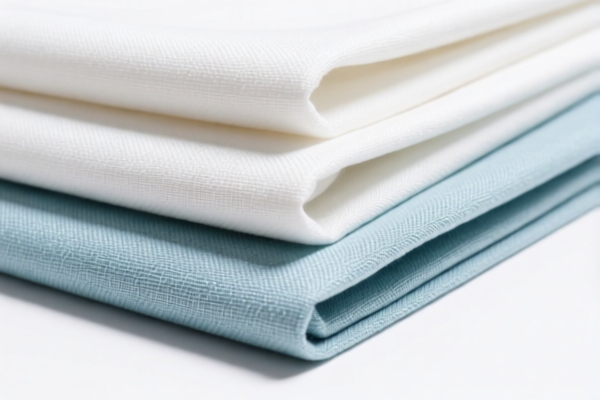
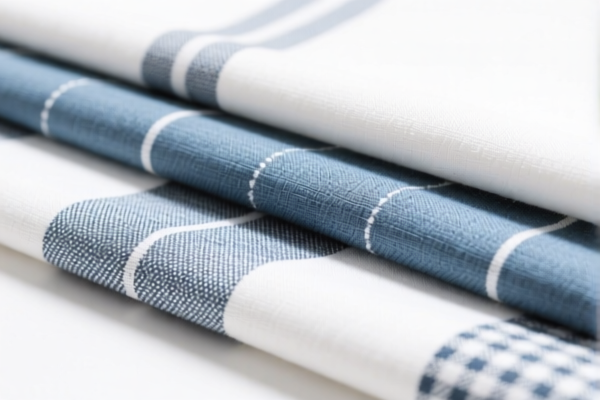
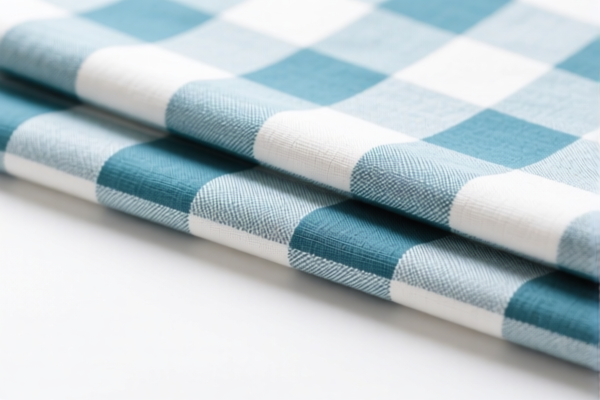
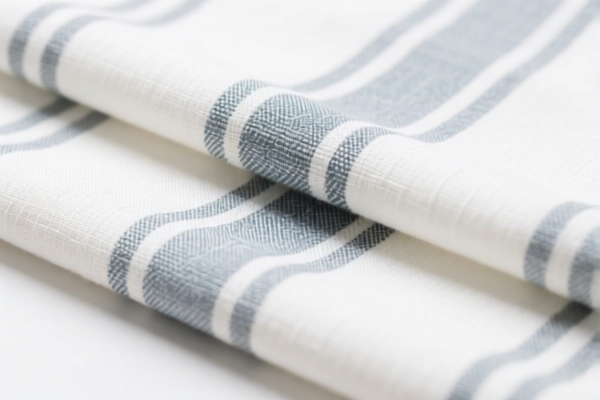
AI Analysis
🏠 Twill Home Textiles (Craft/Decor Fabrics)
🌐 HS Code Reference & Customs Clearance Guide | 2026 Latest Tariff Analysis | Professional Strategy for US Imports
📌 I. Product Definition & Classification: What Are "Twill Home Textiles" in Customs Terms?
In the context of international trade and US customs regulations, "Twill Home Textiles" (often labeled as fabrics for handicrafts, upholstery, or decorative use) are classified based on their material composition and physical structure. Twill is a weaving technique characterized by diagonal parallel ribs (e.g., denim, gabardine).
For home textile applications (such as cushions, curtains, or upholstery), these fabrics fall under Chapter 58 (Special Woven Fabrics) or Chapter 52 (Cotton), depending entirely on the fiber content. They are NOT simple plain-weave sheets or towels, which would fall under Chapters 50–55 or 63.
⚠️ Critical Distinction Point:
- Synthetic/Man-Made Fiber Twill: Goes to 5806.32 (Woven fabrics, other than narrow woven fabrics, consisting of warp yarns of 85% or more by weight of synthetic fibers...).
- Plant-based/Other Synthetic Twill: Goes to 5801.90 (Velveteens, plushes, velours... Note: In this specific dataset, 5801 is used for "other" twill types not specified as synthetic-heavy or cotton).
- Cotton Twill: Goes to 5208.33 (Woven fabrics of cotton, containing 85% or more by weight of cotton...).
📦 II. HS Code Classification Matrix (2026 Latest Tariff Data)
Based on the provided dataset, here is the breakdown of potential HS Codes for "Twill Home Textiles" used in handicrafts/home decor.
| HS Code | Product Description & Material Inference | Total Tax Rate | Tax Composition Details |
|---|---|---|---|
5806.32.20.00 |
Man-Made Fiber Twill: Woven fabrics, synthetic fiber warp (≥85%), used for handicrafts/home decor. | 41.2% | Base: 6.2% + Section 301: 25.0% + Section 122: 10.0% |
5801.90.20.90 |
Other Fiber Twill: Velveteen/plush type or unspecified material, used for handicrafts. No material conflict. | 37.7% | Base: 2.7% + Section 301: 25.0% + Section 122: 10.0% |
5801.90.10.00 |
Non-Cotton Plant/Synthetic Twill: Other woven fabrics, inferred as non-cotton plant fiber or synthetic. | 38.7% | Base: 3.7% + Section 301: 25.0% + Section 122: 10.0% |
5208.33.00.00 |
Cotton Twill: Woven cotton fabrics (≥85% cotton), matching twill structure for home use. | 45.3% | Base: 10.3% + Section 301: 25.0% + Section 122: 10.0% |
5806.32.20.00 |
Synthetic/Non-Metallic Twill: Woven fabrics, synthetic or other non-metallic materials, for handicrafts. | 41.2% | Base: 6.2% + Section 301: 25.0% + Section 122: 10.0% |
🔍 Key Insight:
- Cotton is the most expensive option (45.3%) due to the higher base tariff (10.3%).
- Synthetic Man-Made Fibers (5806.32) offer a middle ground (41.2%).
- "Other" Categories (5801.90) can be cheaper if the material doesn't fit standard synthetic/cotton definitions (37.7% - 38.7%), but require strict material proof.
💰 III. 2026 Latest Tariff Rate Breakdown (Detailed Policy Analysis)
✅ Applicable Market: United States (US)
✅ Origin: China (CN) (Implied by Section 122 & high 301/IEEPA rates)
✅ Effective Date: Current (Post-2025 adjustments)
🎯 1. 5806.32.20.00 & 5806.32.xxxx —— Synthetic/Man-Made Fiber Twill
| Item | Content |
|---|---|
| Base MFN Rate | 6.2% (Standard WTO rate for special woven fabrics) |
| Section 301 Tariff | +25.0% (Retaliatory tariff on Chinese goods, List 3/4A) |
| Section 122 Tariff | +10.0% (Specific surcharge on textiles/apparel from certain origins) |
| Total Effective Rate | 41.2% |
| Calculation | (CIF Value × 6.2%) + (CIF Value × 25%) + (CIF Value × 10%) |
| De Minimis Eligibility | ❌ No (deny_de_minimis) – Textiles are excluded from the $800 de minimis rule for Chinese goods. |
📌 Explanation:
- This code applies if your twill fabric is made primarily of polyester, nylon, or rayon.
- The 25% Section 301 is mandatory for all Chinese-origin textiles under this code.
- The 10% Section 122 adds an extra layer of cost specifically targeting textile imports.
🎯 2. 5208.33.00.00 —— 100% Cotton Twill (e.g., Heavy Denim, Upholstery Cotton)
| Item | Content |
|---|---|
| Base MFN Rate | 10.3% (Higher base rate for cotton woven fabrics) |
| Section 301 Tariff | +25.0% |
| Section 122 Tariff | +10.0% |
| Total Effective Rate | 45.3% (Highest in this dataset) |
| Calculation | (CIF Value × 10.3%) + (CIF Value × 25%) + (CIF Value × 10%) |
| De Minimis Eligibility | ❌ No |
📌 Explanation:
- If your "home textile" is cotton-based (e.g., cotton twill for cushions), you pay the highest total tax.
- Base tariff is higher because cotton is a sensitive agricultural/commodity sector in the US.
🎯 3. 5801.90.20.90 & 5801.90.10.00 —— Other/Unspecified Material Twill
| Item | Content |
|---|---|
| Base MFN Rate | 2.7% - 3.7% (Varies by specific sub-category "other") |
| Section 301 Tariff | +25.0% |
| Section 122 Tariff | +10.0% |
| Total Effective Rate | 37.7% - 38.7% |
| De Minimis Eligibility | ❌ No |
📌 Explanation:
- Use these codes only if the fabric is neither primarily synthetic (≥85%) nor primarily cotton. Examples: Blends with low synthetic content, or specific plant fibers (linen, hemp) that don't fit standard categories.
- Warning: Misclassifying synthetic fabric here can lead to customs penalties. You must provide a fiber content label.
🛠️ IV. Customs Clearance Practical Advice (Avoid Pitfalls)
✅ 1. Required Documentation (Must-Have)
| Document | Mandatory? | Description |
|---|---|---|
| ✅ Fiber Content Label | ✔️ Critical | Must state % of Cotton, Polyester, etc. (e.g., "100% Polyester"). This determines the HS Code. |
| ✅ Commercial Invoice | ✔️ | Must describe goods as "Twill Woven Fabric for Home Decor/Handicrafts". |
| ✅ Packing List | ✔️ | Include weight, dimensions, and number of rolls/bundles. |
| ✅ Certificate of Origin | ✔️ | Proves origin is China (triggering the 301/122 tariffs). |
| ✅ Product Photos | ✔️ | Show the twill weave structure (diagonal rib) and intended use (e.g., upholstery sample). |
✅ 2. Declaration Strategy (Key Tips)
🔥 “Material Dictates Code, Structure Defines Chapter!”
| Scenario | Correct Declaration | Incorrect Declaration | Consequence |
|---|---|---|---|
| Polyester Twill | 5806.32.20.00 |
5208.33.00.00 (Cotton) |
Penalty + Back Taxes (45.3% vs 41.2%) |
| Cotton Twill | 5208.33.00.00 |
5806.32.20.00 (Synthetic) |
Penalty + Back Taxes (45.3% vs 41.2%) |
| Mixed Blend | 5801.90.xxxx |
5208.33.00.00 |
Risk of Rejection (If cotton <85%) |
| Velveteen Plush | 5801.90.20.90 |
5806.32.20.00 |
Overpayment (Paying 41.2% instead of 37.7%) |
✅ 3. Special Cases & Exemptions
| Situation | Handling Advice |
|---|---|
| Sample Shipments | Even small samples for "handicrafts" are subject to full tariffs. Do not use de minimis ($800) for Chinese textiles. |
| Private Label/OEM | Ensure the supplier provides accurate fiber testing reports. Customs often requests lab tests for fabric classification. |
| Re-export | If importing into the US and re-exporting to Canada/Mexico under USMCA, note that China-origin fabric may not qualify for duty-free treatment if further processing is minimal. |
🌍 V. Global Market Comparison (2026 Outlook)
| Country/Region | Recommended HS Code (Synthetic Twill) | Est. Total Tax (China Origin) | Remarks |
|---|---|---|---|
| 🇺🇸 USA | 5806.32.20.00 |
41.2% | High base + 301 + 122. Hardest market. |
| 🇨🇳 China | 5806.32.20.00 |
~6-10% | Low base tariff. No 301/122. |
| 🇪🇺 EU | 5806.32.20.00 |
~6.5% | No Section 301. Standard WTO rate applies. |
| 🇬🇧 UK | 5806.32.20.00 |
~6.5% | Post-Brexit, follows UK Tarbook. |
📌 Conclusion:
- The US is the most expensive market due to the叠加 (stacking) of Section 301 (25%) and Section 122 (10%).
- For cost optimization, consider sourcing from non-China countries (e.g., Vietnam, Bangladesh) to avoid the 25%+10% surcharge, provided the origin rules are met.
📌 VI. Common Errors & Pitfalls (Lessons Learned)
❌ Error 1: Assuming "Home Textile" = Low Duty
👉 Reality: Chapter 58/52 textiles attract Section 122 surcharges. Always check for the 10% add-on.
❌ Error 2: Misidentifying Fiber Content
👉 Reality: Confusing Polyester (5806) with Cotton (5208) leads to misclassification penalties. Always have a lab report.
❌ Error 3: Using De Minimis for Small Batches
👉 Reality: The $800 de minimis exemption does NOT apply to Chinese textiles entering the US. Even a $100 sample incurs 37-45% tax.
❌ Error 4: Ignoring "Section 122"
👉 Reality: Many importers forget the 10% Section 122 tariff. It is not part of the base MFN rate and is applied on top.
✅ Correct Practice:
“Woven Twill Fabric, 100% Polyester, For Upholstery, 5806.32.20.00, Origin: China, Subject to 301 & 122 Duties.”
🎯 VII. Conclusion: Precision Saves Money!
🎯 Remember This Mantra:
🔹 “Fiber First, Structure Second, Check 301 & 122, Avoid Cotton Costs!”
🔹 “41.2% for Synthetic, 45.3% for Cotton, 37.7% for ‘Other’ – Choose Wisely!”
📌 Pro Tip:
If you are importing large volumes, consider Advance Rulings from US Customs (CBP) to confirm your HS Code and avoid surprise audits. Also, evaluate supply chain diversification to Vietnam or India to bypass the 25% Section 301 tariff, potentially saving ~25% on landed costs.
📣 Immediate Action:
📞 Verify your fabric’s fiber composition with the supplier.
📄 Confirm the HS Code matches your material (Synthetic vs. Cotton).
🧮 Calculate the 41.2% vs 45.3% impact on your margin.
✨ Smart Classification, Smarter Profits!
💼 Don’t let tariffs eat your margins – classify correctly from day one!
Customer Reviews
About HS Code Classification
The Harmonized System (HS) is an internationally standardized nomenclature developed by the World Customs Organization (WCO) to classify traded products. Over 200 countries use the HS system as the basis for customs tariffs, trade statistics, and import/export regulations.
Each HS code follows a hierarchical structure:
- Chapter (2 digits) — Broad category of goods (e.g., Chapter 84: Machinery and Mechanical Appliances)
- Heading (4 digits) — More specific grouping within the chapter
- Subheading (6 digits) — Internationally standardized breakdown, used by all WCO member countries
- National subdivisions (8-10 digits) — Country-specific extensions for further classification, such as US HTSUS 10-digit codes
Correct HS code classification is essential for smooth customs clearance, accurate duty payment, and compliance with trade regulations. Misclassification can lead to customs delays, overpayment of duties, or penalties.
When importing from CN to US, the applicable tariff rates may include:
- Most-Favored-Nation (MFN) rate — The standard duty rate applied to WTO members
- General rate — Applied to countries without trade agreements
- Trade remedy duties — Additional tariffs such as Section 301 (anti-dumping), Section 232 (national security), or countervailing duties
The information provided on this page is for reference purposes only. For official classification, please consult with your local customs authority or a licensed customs broker.