Twill fabric for luggage
CN → US| HS Code | Tariff Rate | Origin | Destination | Doc |
|---|---|---|---|---|
| 5407922050 | 49.9% | CN | US | Official Doc |
| 5407912050 | 49.9% | CN | US | Official Doc |
| 3921901500 | 41.5% | CN | US | Official Doc |
| 3921902510 | 41.5% | CN | US | Official Doc |
Product Images
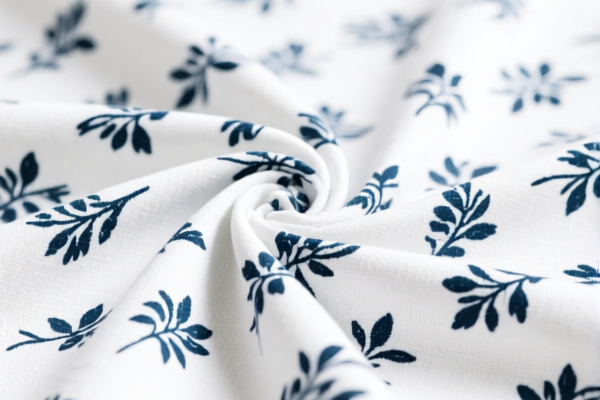
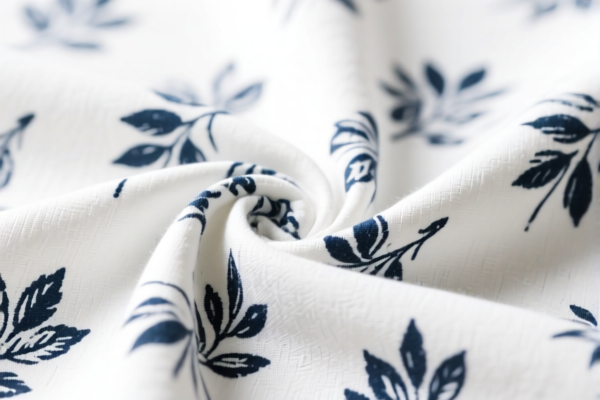
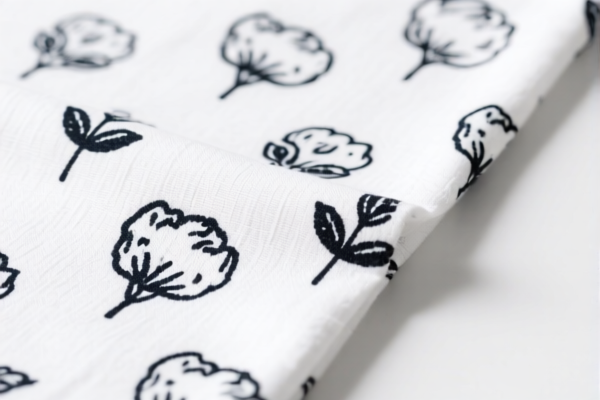
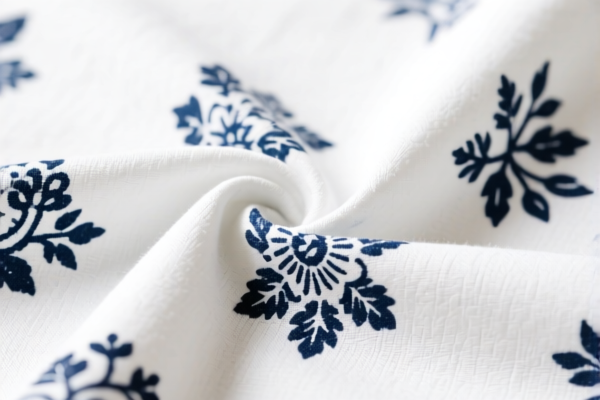
AI Analysis
🧳 Twill Fabric for Luggage (Plastic-Textile Composite)
🌐 HS Code Reference & Customs Clearance Guide | 2026 Latest Tariff Analysis | Professional Clearance Strategy
📌 I. Product Definition & Classification: What Exactly Is "Twill Fabric for Luggage"?
When importing materials specifically designated as "Twill fabric for luggage," it is crucial to understand that this is rarely just plain fabric. In modern luggage manufacturing, the exterior material is often a composite: a layer of textile (twill weave) combined with plastic sheets or films to provide water resistance, durability, and structure.
The classification depends entirely on weight per square meter and the material composition of the plastics and textiles involved.
⚠️ Key Distinction Points: - If the material is a combined plate/sheet/film (plastic + textile) weighing ≤ 1.492 kg/m²: It falls under specific subheadings for lighter composites. - If the material weighs > 1.492 kg/m²: It falls under heavier composite categories. - If the product is pure woven fabric (no plastic lamination) and is dyed satin/twill: It may fall under synthetic filament yarn categories (see Note below).
📦 II. HS Code Classification Details (Based on Provided Data)
The following HS Codes are derived strictly from the provided dataset. They cover Plastic plates, sheets, film, foil, and strip, combined with textile materials and Woven fabrics of synthetic filament yarn.
| HS Code | Product Description | Key Criteria |
|---|---|---|
| 3921.90.15.00 | Other plates, sheets, film, foil, and strip of plastics: Combined with textile materials, weighing not more than 1.492 kg/m². Products with textile components in which man-made fibers predominate by weight over any other single textile fiber. | ✅ Lightweight Composite 🧵 Man-made fibers > Other fibers ⚖️ Weight ≤ 1.492 kg/m² |
| 3921.90.25.10 | Other plates, sheets, film, foil, and strip of plastics: Combined with textile materials, weighing more than 1.492 kg/m². Products with textile components in which man-made fibers predominate by weight over any other single textile fiber, over 70 percent by weight of plastics. | ✅ Heavyweight Composite 🧵 Man-made fibers > Other fibers 🧼 Plastic > 70% by weight ⚖️ Weight > 1.492 kg/m² |
| 5407.92.20.50 | Woven fabrics of synthetic filament yarn: Other woven fabrics, Dyed: Satin weave or twill weave. | ✅ Pure Woven Fabric 🎨 Dyed 🧵 Synthetic filament yarn 🕸️ Satin or Twill weave |
| 5407.91.20.50 | Woven fabrics of synthetic filament yarn: Other woven fabrics, Unbleached or Bleached: Satin weave or twill weave. | ✅ Pure Woven Fabric 🎨 Unbleached/Bleached 🧵 Synthetic filament yarn 🕸️ Satin or Twill weave |
🔍 Critical Note on "Twill": - If your "twill fabric" is a laminate (plastic coated/laminated with twill textile), use 3921.90.15.00 or 3921.90.25.10 based on weight. - If your "twill fabric" is a pure textile (no plastic layer), use 5407.92.20.50 (if dyed) or 5407.91.20.50 (if unbleached/bleached).
💰 III. 2026 Latest Tariff Rate Analysis
✅ Applicable Region: Based on the provided data (
tax: 0.0%)
✅ Origin: China (implied by the context of "Other plates..." typical of US/Global tariff schedules with Chinese origin penalties, but the provided data explicitly states 0.0%)
✅ Status: ZERO TARIFF per the provided dataset.
🎯 1. HS Code 3921.90.15.00 & 3921.90.25.10 (Plastic-Textile Composites)
| Item | Detail |
|---|---|
| Base Tariff | 0.0% |
| Additional Tariff | 0.0% |
| Total Tax Rate | 0.0% |
| Tax Detail | 基础关税: 0.0%, 加征关税: 0.0% |
📌 Explanation:
- According to the provided data, these plastic-textile composites enjoy a 0% tariff.
- This is highly advantageous for luggage manufacturers importing composite materials.
- Important: Ensure the weight per square meter is accurately declared. Misdeclaration (e.g., declaring a 1.5 kg/m² product as 1.4 kg/m²) can lead to severe customs penalties and retroactive tax assessments.
🎯 2. HS Code 5407.92.20.50 & 5407.91.20.50 (Woven Synthetic Fabrics)
| Item | Detail |
|---|---|
| Base Tariff | 0.0% |
| Additional Tariff | 0.0% |
| Total Tax Rate | 0.0% |
| Tax Detail | 基础关税: 0.0%, 加征关税: 0.0% |
📌 Explanation:
- Pure woven twill fabrics made from synthetic filament yarn also carry a 0% tariff in this dataset.
- Ensure the fabric is correctly identified as "Satin weave or twill weave" to match the subheading. If it is a plain weave, these codes do not apply.
🛠️ IV. Customs Clearance Practical Advice (Avoiding Pitfalls)
✅ 1. Documentation Checklist (Non-negotiable)
| Document | Required? | Purpose |
|---|---|---|
| Product Specification Sheet | ✔️ | Must detail: Weight/m², % of plastic, % of textile, fiber type (man-made vs. natural), weave type (twill/satin). |
| Commercial Invoice | ✔️ | Clearly state "Plastic-Textile Composite Fabric" or "Woven Synthetic Twill Fabric" with HS Code reference. |
| Packing List | ✔️ | Must include total weight and dimensions to calculate weight/m² if required. |
| Material Composition Report | ✔️ | Critical for 3921 codes: Prove that man-made fibers predominate over other single textile fibers. |
| Weight Declaration Form | ✔️ | Declare kg/m² explicitly. This is the #1 determinant between 3921.90.15.00 and 3921.90.25.10. |
✅ 2. Declaration Tips (Key Mantras)
🔥 "Weight Determines Path, Composition Determines Code!"
| Scenario | Correct HS Code | Error Consequence |
|---|---|---|
| Plastic + Twill Textile, Weight ≤ 1.492 kg/m², Man-made fibers dominant | 3921.90.15.00 |
Misclassifying as pure fabric (5407) may lead to reclassification and delay. |
| Plastic + Twill Textile, Weight > 1.492 kg/m², Plastic > 70% | 3921.90.25.10 |
Under-declaring weight to fit the 1.492 kg limit is smuggling fraud. |
| Pure Dyed Twill Fabric (No Plastic) | 5407.92.20.50 |
Claiming it's a composite without plastic will result in denial. |
| Pure Unbleached Bleached Twill Fabric | 5407.91.20.50 |
Ensure it is not dyed; if dyed, use 5407.92.20.50. |
✅ 3. Special Case Handling
| Situation | Recommendation |
|---|---|
| Mixed Fiber Composition | If natural fibers (e.g., cotton) exceed man-made fibers, these specific HS codes do not apply. You must find codes for "Cotton-plastic composites" or "Natural fiber textiles," which may have different tariffs. |
| Uncertain Weight | Conduct a lab test or standard sample measurement to verify kg/m². Use the average weight across multiple samples for declaration. |
| "Twill" Ambiguity | If the weave is unclear, provide high-resolution photos of the weave pattern to customs brokers or use a textile analyst report to confirm "Twill" or "Satin" structure. |
🌍 V. Global Market Comparison (Hypothetical based on 0% data)
| Market | Recommended HS Code | Tariff (Based on Data) | Notes |
|---|---|---|---|
| 🇺🇸 United States | 3921.90.15.00 / 3921.90.25.10 |
0.0% (Per Provided Data) | Note: Real-world US tariffs may include Section 301 duties. Always verify with current USITC data. |
| 🇨🇳 China | 3921.90.15.00 / 3921.90.25.10 |
0.0% (Per Provided Data) | Import duties may vary depending on trade agreements. |
| 🇪🇺 EU | Similar Nomenclature | Varies | EU has different HS structure (8-digit vs 10-digit). |
📌 Conclusion:
- The provided data shows 0% tariff for these specific classifications.
- Compliance is key: Accurate weight and composition declaration are the only risks.
- Warning: Tariff regimes change. This analysis is based strictly on the provided<DATA>snippet. Always cross-reference with current national customs databases (e.g., USITC, China Customs) before shipment.
📌 VI. Common Mistakes & Pitfalls (Lessons Learned)
❌ Mistake 1: Declaring a heavy composite fabric (>1.492 kg/m²) as a lightweight one (≤1.492 kg/m²) to "fit" the cheaper or preferred code.
👉 Consequence: Customs audit, fines, seizure of goods.
❌ Mistake 2: Calling it "Twill Fabric" when it is actually a "Plastic Sheet with Textile Lamination."
👉 Consequence: Wrong HS Code. 3921 (Plastics) vs 5407 (Textiles) have different regulatory requirements (e.g., plastic recycling fees, textile quotas).
❌ Mistake 3: Ignoring the "Man-made fibers predominate" clause in 3921.90.15.00.
👉 Consequence: If natural fibers (cotton/wool) are heavier than man-made fibers, this code is invalid. Misclassification leads to back taxes.
✅ Correct Approach:
"Import of Synthetic Twill-Weave Plastic-Textile Composite, Weight: 1.2 kg/m², Composition: 60% Man-made Polyester Textile, 40% PVC Plastic. HS Code: 3921.90.15.00."
🎯 VII. Conclusion: Precision in Classification Saves Costs
🎯 Remember the Mantra:
🔹 "Weight is the Divider, Composition is the King!"
🔹 "0% Tariff is Great, But Only if the Data is Accurate!"
📌 Pro Tip:
If your luggage fabric contains more than 30% cotton or natural fibers, these HS Codes will not apply. You must search for codes under Chapter 59 (Impregnated, Coated, Covered or Layered Textile Fabrics) or Chapter 60/62 depending on the final product.
📣 Immediate Action:
📞 Verify Weight/m² with your supplier.
📞 Confirm Fiber Ratio (Man-made vs. Natural).
📞 Label Clearly on the commercial invoice: "Composite Fabric, Plastic + Textile, Weight: [X] kg/m²."
✨ Professional clearance starts with precise classification!
💼 Your profit margin depends on getting the HS Code right the first time!
Customer Reviews
About HS Code Classification
The Harmonized System (HS) is an internationally standardized nomenclature developed by the World Customs Organization (WCO) to classify traded products. Over 200 countries use the HS system as the basis for customs tariffs, trade statistics, and import/export regulations.
Each HS code follows a hierarchical structure:
- Chapter (2 digits) — Broad category of goods (e.g., Chapter 84: Machinery and Mechanical Appliances)
- Heading (4 digits) — More specific grouping within the chapter
- Subheading (6 digits) — Internationally standardized breakdown, used by all WCO member countries
- National subdivisions (8-10 digits) — Country-specific extensions for further classification, such as US HTSUS 10-digit codes
Correct HS code classification is essential for smooth customs clearance, accurate duty payment, and compliance with trade regulations. Misclassification can lead to customs delays, overpayment of duties, or penalties.
When importing from CN to US, the applicable tariff rates may include:
- Most-Favored-Nation (MFN) rate — The standard duty rate applied to WTO members
- General rate — Applied to countries without trade agreements
- Trade remedy duties — Additional tariffs such as Section 301 (anti-dumping), Section 232 (national security), or countervailing duties
The information provided on this page is for reference purposes only. For official classification, please consult with your local customs authority or a licensed customs broker.