Twill fabric for toys
CN → US| HS Code | Tariff Rate | Origin | Destination | Doc |
|---|---|---|---|---|
| 6307907500 | 14.3% | CN | US | Official Doc |
| 6307909891 | 24.5% | CN | US | Official Doc |
| 9503000073 | 10.0% | CN | US | Official Doc |
| 9503000071 | 10.0% | CN | US | Official Doc |
| 6307907500 | 14.3% | CN | US | Official Doc |
Product Images
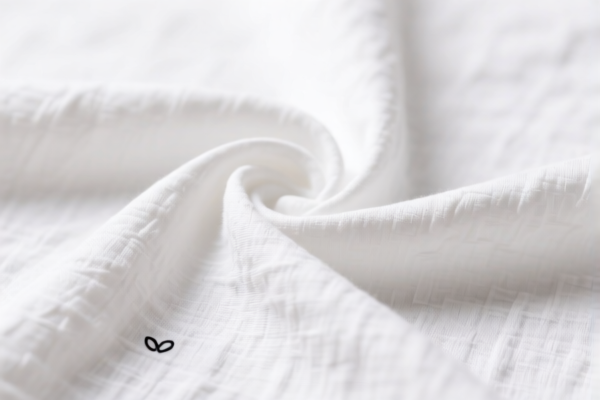
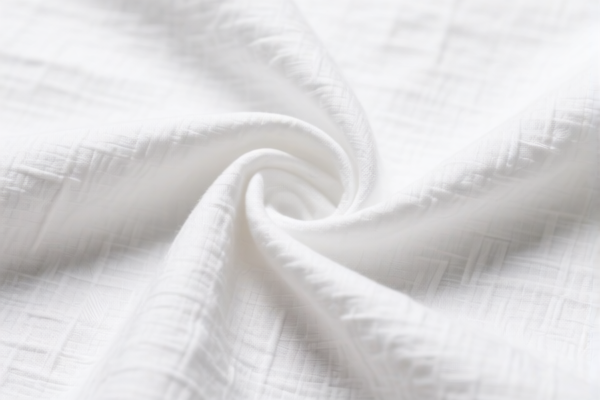
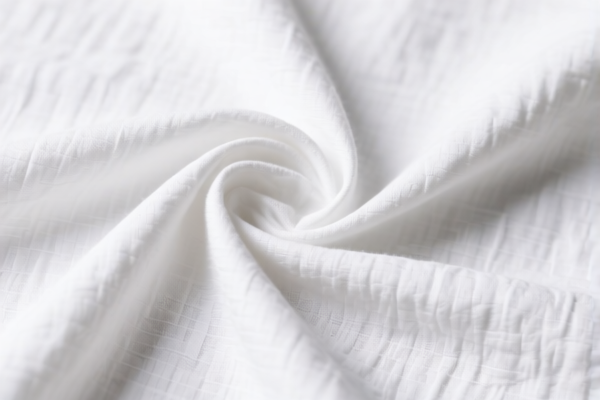
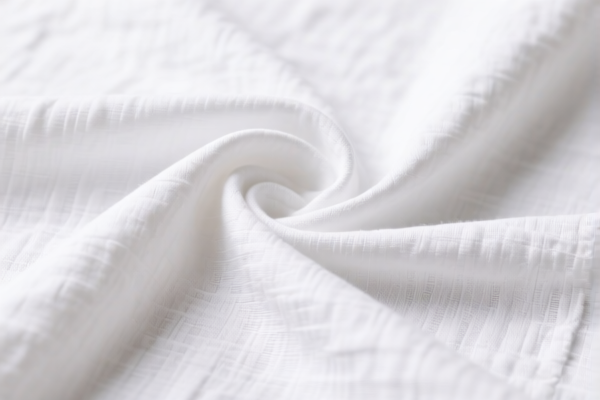
AI Analysis
🧸 Twill Fabric for Toys – HS Code & Tariff Guide 2026 | Expert Customs Classification & Clearance Strategy
🌐 HS Code Reference & Customs Clearance Handbook | 2026 Updated Tariff Breakdown | Professional Import Optimization
📌 One: Product Definition & Classification – What Exactly Is "Twill Fabric for Toys"?
Twill fabric toys are soft, durable, and often hand-sewn or machine-stitched play items made from twill-weave cotton or cotton-blend textiles. These include stuffed animals, plush dolls, pet toys, and decorative play figures.
⚠️ Key Classification Triggers: - Material: 100% cotton or cotton blend (twill weave) → falls under textile category - Use: Intended for children or pets as toys → triggers toy classification - Structure: Soft, stuffed, non-functional (not for clothing or household use)
🔍 Critical Insight:
The same physical product can be classified under different HS Codes depending on intended use, design, and functional purpose — leading to dramatic differences in tariffs.
📦 Two: HS Code Breakdown (2026 Official Tariff Table – US Focus)
| HS Code | Product Description | Applicable Use Case | Key Feature |
|---|---|---|---|
6307.90.75.00 |
Twill fabric toys – textile material pet toys | Stuffed pet toys (e.g., dog chew toys, cat balls) | Made from twill fabric, used for animals |
6307.90.98.91 |
Other made-up articles (not elsewhere specified) | Generic stuffed toys not fitting other categories | Non-specific, non-doll, non-plaything |
9503.00.00.73 |
Toys representing dolls or other figures | Stuffed dolls, character toys, play figures | Designed for children, humanoid or animal-shaped |
9503.00.00.71 |
Toys made of textile materials | Soft, fabric-based toys (e.g., plush animals, baby rattles) | Primary material = textile, intended for play |
6307.90.75.00 |
Twill fabric toys – textile material pet toys | Duplicate entry – same as above | Repeated for emphasis on pet toy classification |
✅ Note:
-6307.90.75.00and9503.00.00.71are the most favorable for children’s fabric toys. -6307.90.98.91is riskiest due to high tariffs and vague classification.
💰 Three: 2026 Tariff Rate Analysis (US – China Origin, Effective Nov 10, 2025)
✅ Applicable Country: United States (US)
✅ Origin: China (CN)
✅ Effective Date: November 10, 2025 (inclusive)
🎯 1. 6307.90.75.00 – Twill Fabric Toys as Textile Pet Toys
| Item | Detail |
|---|---|
| Base Duty | 4.3% (ad valorem) |
| Additional Tariff (Section 301) | 0.0% |
| Section 122 Tariff (IEEPA) | 10.0% |
| Total Effective Duty | 14.3% |
| Tax Calculation | CIF Value × 14.3% |
| De Minimis Threshold | ❌ Not applicable (denied) |
| Legal Basis Path | IEEPA:9903.01.25 → Section 122:9903.88.01 → HS:6307.90.75.00 |
📌 Explanation:
- This code applies only when the toy is clearly intended for pets (e.g., chew-resistant, dog-safe, non-toxic). - No Section 301 (USITC) tariff applies — a major advantage. - IEEPA 10% is applied due to China origin under Section 122 of the IEEPA. - Total: 14.3% — relatively low for China-origin goods.
🎯 2. 6307.90.98.91 – Other Made-Up Articles (General Use)
| Item | Detail |
|---|---|
| Base Duty | 7.0% |
| Additional Tariff (Section 301) | 7.5% |
| Section 122 Tariff (IEEPA) | 10.0% |
| Total Effective Duty | 24.5% |
| Tax Calculation | CIF Value × 24.5% |
| De Minimis Threshold | ❌ Not applicable |
| Legal Basis Path | IEEPA:9903.01.24 → USITC:9903.88.01 → HS:6307.90.98.91 |
📌 Explanation:
- This code is a "catch-all" for items not fitting specific categories. - High-risk because it triggers both Section 301 (7.5%) and IEEPA (10%). - Total: 24.5% — over 65% higher than the pet toy code. - Avoid this code unless no better fit exists.
🎯 3. 9503.00.00.73 – Toys Representing Dolls or Other Figures
| Item | Detail |
|---|---|
| Base Duty | 0.0% |
| Additional Tariff (Section 301) | 0.0% |
| Section 122 Tariff (IEEPA) | 10.0% |
| Total Effective Duty | 10.0% |
| Tax Calculation | CIF Value × 10.0% |
| De Minimis Threshold | ❌ Not applicable |
| Legal Basis Path | IEEPA:9903.01.25 → Section 122:9903.88.01 → HS:9503.00.00.73 |
📌 Explanation:
- Applies when the toy is clearly a doll or character figure (e.g., teddy bear, unicorn, superhero). - Zero base tariff — major benefit. - Only 10% IEEPA applies (no Section 301). - Best option for children’s plush toys.
🎯 4. 9503.00.00.71 – Toys Made of Textile Materials
| Item | Detail |
|---|---|
| Base Duty | 0.0% |
| Additional Tariff (Section 301) | 0.0% |
| Section 122 Tariff (IEEPA) | 10.0% |
| Total Effective Duty | 10.0% |
| Tax Calculation | CIF Value × 10.0% |
| De Minimis Threshold | ❌ Not applicable |
| Legal Basis Path | IEEPA:9903.01.25 → Section 122:9903.88.01 → HS:9503.00.00.71 |
📌 Explanation:
- Same as 9503.00.00.73 — ideal for fabric-based toys. - Preferred for soft, stuffed, non-pet toys. - Lowest effective tariff for child-oriented fabric toys.✅ Key Tip:
-9503.00.00.73and9503.00.00.71are equally favorable — choose based on product description.
🛠️ Four: Customs Clearance Best Practices (Pro Tips to Avoid Penalties)
✅ 1. Required Documentation (Must-Have Checklist)
| Document | Required? | Why It Matters |
|---|---|---|
| ✅ Product Specifications | ✔️ | Must state material (twill fabric), intended use (toy), size, weight |
| ✅ Product Photos (with label) | ✔️ | Show stitching, stuffing, design, and any brand name |
| ✅ Commercial Invoice | ✔️ | Must clearly state: "Stuffed Toy, Made of Twill Fabric, for Children/Pets" |
| ✅ Packing List | ✔️ | Show total units, weight, packaging type |
| ✅ Certificate of Origin (CO) | ✔️ | If not from China, may reduce IEEPA rate |
| ✅ Third-Party Test Reports | ✔️ | ASTM F963 (US toy safety), CPSIA, REACH, RoHS |
| ✅ Design/Artwork (if applicable) | ✔️ | Prove it’s a doll or character (not generic) |
✅ 2.申报技巧(Key Rules to Remember)
🔥 “Use the right name, pick the right code, avoid 24.5%!”
| Scenario | Correct HS Code | Wrong Code | Risk |
|---|---|---|---|
| Stuffed teddy bear for kids | 9503.00.00.71 or 9503.00.00.73 |
6307.90.98.91 |
24.5% vs 10.0% → 14.5% extra cost |
| Dog chew toy made of twill fabric | 6307.90.75.00 |
9503.00.00.71 |
Misclassification → audit risk |
| Generic stuffed animal (no face) | 9503.00.00.71 |
6307.90.98.91 |
Higher tariff, no benefit |
| Toy with mixed materials (plastic + fabric) | 9503.00.00.71 |
6307.90.98.91 |
Only if fabric is primary |
✅ 3. Special Cases & Solutions
| Situation | Recommended Action |
|---|---|
| Toy has a name/logo (e.g., “Bella the Bunny”) | Use 9503.00.00.73 — doll-like |
| Toy is for pets, not children | Use 6307.90.75.00 — pet toy category |
| Toy is generic, no face, no name | Use 9503.00.00.71 — textile toy |
| Multiple toys in one box | Declare by individual item type — don’t group |
| Toy is part of a larger set | Declare as individual toy if separable |
🌍 Five: Global Market Tariff Comparison (2026)
| Country | Recommended HS Code | Tariff | Certification Required | Notes |
|---|---|---|---|---|
| 🇺🇸 USA | 9503.00.00.71 or 9503.00.00.73 |
10.0% (IEEPA) | ASTM F963, CPSIA | No Section 301 |
| 🇨🇳 China | 9503.00.00.71 |
5% | CCC, RoHS | No extra tariffs |
| 🇪🇺 EU | 9503.00.00.71 |
0% (if CE) | CE, EN71 | No IEEPA |
| 🇦🇺 Australia | 9503.00.00.71 |
5% | RCM | No extra tariffs |
| 🇯🇵 Japan | 9503.00.00.71 |
0% | PSE | No extra tariffs |
📌 Conclusion:
- USA has the highest effective tariff due to IEEPA. - China-origin toys face 10% IEEPA — but no Section 301. - Best strategy: Use9503.00.00.71or9503.00.00.73to minimize cost.
📌 Six: Common Mistakes & How to Avoid Them (Real-World Pitfalls)
❌ Mistake 1: Using 6307.90.98.91 for a child’s plush bear
👉 Result: 24.5% tariff instead of 10.0% → 14.5% overpayment
❌ Mistake 2: Calling a toy “fabric decoration” instead of “toy”
👉 Result: Misclassified as non-toy → higher risk of seizure or delay
❌ Mistake 3: Not including product photos or specs
👉 Result: Customs can’t verify use → default to high-risk code
❌ Mistake 4: Declaring pet toys as “children’s toys”
👉 Result: Wrong code → potential penalties
✅ Correct Declaration Example:
“Plush Toy, 12-inch, Stuffed with Polyester, Made of Twill Cotton Fabric, Designed as a Dog Chew Toy, No Plastic Parts, Non-Toxic, for Pets”
🎯 Seven: Final Verdict – How to Win at Customs
🔹 For children’s plush toys: Use
9503.00.00.71or9503.00.00.73→ 10.0% total duty
🔹 For pet toys: Use6307.90.75.00→ 14.3% duty (still better than 24.5%)
🔹 Avoid6307.90.98.91at all costs — it’s a tariff trap!📌 Pro Tip:
If your product is made in Vietnam, Mexico, or Thailand, you may qualify for IEEPA exemption → 0% duty.
📣 Take Action Now!
📞 Contact a licensed customs broker + provide:
- Product photos
- Material specs
- Intended use (child vs pet)
- Request HS Code Pre-Ruling (Advance Ruling)🚀 Your goal:
✅ Lower tariffs
✅ Faster clearance
✅ No penalties
✅ Maximize profit
✨ Smart Classification = Smart Profit!
💼 Your toy’s HS Code is not just a number — it’s your bottom line.
Customer Reviews
About HS Code Classification
The Harmonized System (HS) is an internationally standardized nomenclature developed by the World Customs Organization (WCO) to classify traded products. Over 200 countries use the HS system as the basis for customs tariffs, trade statistics, and import/export regulations.
Each HS code follows a hierarchical structure:
- Chapter (2 digits) — Broad category of goods (e.g., Chapter 84: Machinery and Mechanical Appliances)
- Heading (4 digits) — More specific grouping within the chapter
- Subheading (6 digits) — Internationally standardized breakdown, used by all WCO member countries
- National subdivisions (8-10 digits) — Country-specific extensions for further classification, such as US HTSUS 10-digit codes
Correct HS code classification is essential for smooth customs clearance, accurate duty payment, and compliance with trade regulations. Misclassification can lead to customs delays, overpayment of duties, or penalties.
When importing from CN to US, the applicable tariff rates may include:
- Most-Favored-Nation (MFN) rate — The standard duty rate applied to WTO members
- General rate — Applied to countries without trade agreements
- Trade remedy duties — Additional tariffs such as Section 301 (anti-dumping), Section 232 (national security), or countervailing duties
The information provided on this page is for reference purposes only. For official classification, please consult with your local customs authority or a licensed customs broker.