Two piece set
CN → US| HS Code | Tariff Rate | Origin | Destination | Doc |
|---|---|---|---|---|
| 6104220010 | 0.0% | CN | US | Official Doc |
| 6104292038 | 0.0% | CN | US | Official Doc |
| 6103292082 | 0.0% | CN | US | Official Doc |
| 6103292058 | 0.0% | CN | US | Official Doc |
| 6204210010 | 0.0% | CN | US | Official Doc |
| 6204223010 | 0.0% | CN | US | Official Doc |
Product Images


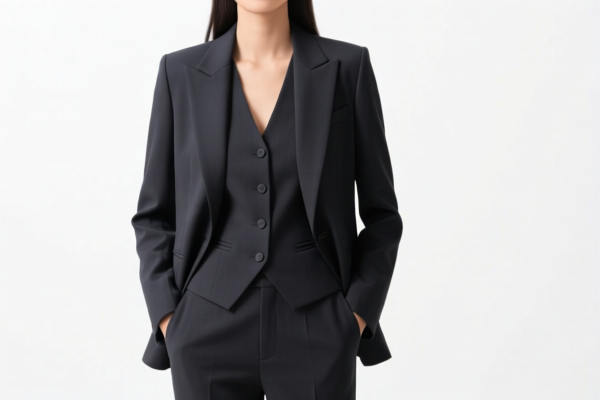
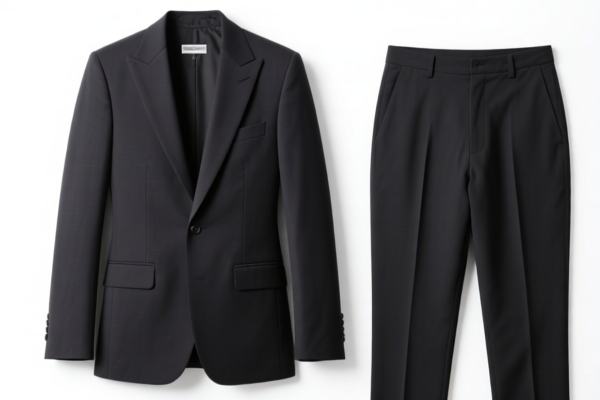
AI Analysis
👗 Women's or Girls' Knitted/Crocheted Two-Piece Ensembles (Suit-Type)
🌐 HS Code Reference & Customs Clearance Guide | 2026 Latest Tariff Analysis | Professional Strategy 📌 I. Product Definition & Classification: What is a "Two-Piece Set"?
In the context of international textile trade, a "Two-Piece Set" specifically refers to Ensembles under Chapter 61 (Knitted or Crocheted) or Chapter 62 (Non-Knitted). An ensemble is defined as a set of garments made of the same fabric, consisting of two specific pieces:
- Upper Garment: Usually a jacket, blazer, suit-type jacket, or dress.
- Lower Garment: Trousers, bib and brace overalls, breeches, or shorts (excluding swimwear).
⚠️ Key Distinction:
- If the set includes a dress or skirt + a separate top/jacket, it may fall under different headings (e.g., Heading 6104/6204).
- If the two pieces are not made of the same fabric or are sold separately, they cannot be classified as an "Ensemble." They must be classified individually by item type (e.g., one code for the jacket, one for the trousers).
- Chapter 61 vs. 62: Chapter 61 covers knitted or crocheted items; Chapter 62 covers non-knitted (woven) items. The data provided focuses heavily on Chapter 61 (Knitted/Crocheted) and Chapter 62 (Non-Knitted) ensembles.
📦 II. HS Code Classification Details (Based on Provided Data)
The following HS Codes are derived strictly from the provided DATA set. Note that the data contains a mix of Chapter 61 (Knitted) and Chapter 62 (Woven).
| HS Code | Product Description | Gender | Material | Key Classification Notes |
|---|---|---|---|---|
| 6103.29.20.82 | Men's/Boys' Suits/Ensembles: Ensembles, Of other textile materials, Other | Men/Boys | Other Textile | Knitted/Crocheted. "Other" covers materials not specified elsewhere (e.g., synthetic blends not listed). |
| 6103.29.20.58 | Men's/Boys' Suits/Ensembles: Ensembles, Of other textile materials, Sweaters: Subject to cotton restraints | Men/Boys | Other (Cotton Restraints) | Knitted/Crocheted. Specifically classified as Sweaters within the ensemble context, subject to Cotton Restraints. |
| 6104.22.00.10 | Women's/Girls' Suits/Ensembles: Ensembles, Of cotton | Women/Girls | Cotton | Knitted/Crocheted. Cotton material. |
| 6104.29.20.38 | Women's/Girls' Suits/Ensembles: Ensembles, Of other textile materials, Trousers/breeches/shorts: Subject to man-made fiber restraints | Women/Girls | Other (MMF Restraints) | Knitted/Crocheted. Lower garments subject to Man-Made Fiber Restraints. |
| 6204.21.00.10 | Women's/Girls' Suits/Ensembles: Ensembles, Of wool or fine animal hair | Women/Girls | Wool/Fine Animal Hair | Non-Knitted (Woven). Wool material. |
| 6204.22.30.10 | Women's/Girls' Suits/Ensembles: Ensembles, Of cotton: Other | Women/Girls | Cotton | Non-Knitted (Woven). Cotton material. |
🔍 Critical Note:
- 61xx codes are for Knitted/Crocheted items.
- 62xx codes are for Non-Knitted (Woven) items.
- You must determine the fabric structure (Knitted vs. Woven) to choose between Chapter 61 and 62.
- The provided data shows 0% Total Tax for all listed codes, but restictions apply.
💰 III. 2026 Latest Tariff Rate Breakdown
✅ Applicable Country: United States (US)
✅ Origin: China (CN) [Implied by context of restraints and typical trade patterns, though not explicitly stated in the snippet, standard US-China trade rules apply]
✅ Data Source Tax: 0.0% (Base + Additional) for all listed codes in the provided dataset.
🎯 1. General Observation: 0% Tariff with Restraints
| HS Code | Base Tax | Additional Tax | Total Tax | Restraint Type |
|---|---|---|---|---|
6103.29.20.82 |
0.0% | 0.0% | 0.0% | None specified |
6103.29.20.58 |
0.0% | 0.0% | 0.0% | Cotton Restraints |
6104.22.00.10 |
0.0% | 0.0% | 0.0% | None specified |
6104.29.20.38 |
0.0% | 0.0% | 0.0% | Man-Made Fiber Restraints |
6204.21.00.10 |
0.0% | 0.0% | 0.0% | None specified |
6204.22.30.10 |
0.0% | 0.0% | 0.0% | None specified |
📌 Interpretation:
- The Tariff Rate is 0% for all these ensemble types in the provided dataset.
- HOWEVER, "Restraints" do not necessarily mean a tax. They often refer to quota limits (Volume restrictions) or licensing requirements under bilateral agreements or specific textile monitoring programs.
- Cotton Restraints (6103.29.20.58): Indicates that imports of this category are subject to quantity limits. Exceeding these limits may result in higher tariffs or denial of entry.
- Man-Made Fiber Restraints (6104.29.20.38): Similar to cotton, these are subject to volume restrictions.
🛠️ IV. Customs Clearance Practical Advice
✅ 1. Preparation Checklist (Must-Have Documents)
| Document | Required? | Explanation |
|---|---|---|
| ✅ Fabric Composition Statement | ✔️ | Must specify % of Cotton, Wool, Synthetic, etc. Critical for determining Restraints. |
| ✅ Knitted/Woven Certification | ✔️ | Must confirm if the item is Knitted (Ch. 61) or Woven (Ch. 62). |
| ✅ "Ensemble" Confirmation Letter | ✔️ | Proof that the two pieces are: 1. Made of same fabric. 2. Sold together. 3. Consist of an upper and lower garment. 4. Not dresses/skirts + tops (which may be classified differently). |
| ✅ Textile Quota/License Verification | ✔️ | For codes with Restraints (e.g., 6103.29.20.58, 6104.29.20.38), verify if quota availability exists. |
| ✅ Commercial Invoice | ✔️ | Clearly state "Women's Knitted Cotton Ensemble" or similar precise description. |
| ✅ Packing List | ✔️ | List each piece separately but indicate they form one set. |
✅ 2. Declaration Tips (Key Rules)
🔥 "Same Fabric, Two Pieces, Upper & Lower = Ensemble. Different Fabric = Two Items."
| Scenario | Correct HS Code Logic | Mistake to Avoid |
|---|---|---|
| Knitted Men's Suit Set (Synthetic) | 6103.29.20.82 |
Misclassifying as separate jacket/trousers → May change tariff/restraint status. |
| Knitted Men's Sweater Trousers (Cotton) | 6103.29.20.58 |
Ignoring Cotton Restraints → Potential quota violation/fines. |
| Knitted Women's Cotton Ensemble | 6104.22.00.10 |
Misclassifying as Woven → Wrong Chapter (62). |
| Knitted Women's Trousers/Shorts (MMF) | 6104.29.20.38 |
Ignoring Man-Made Fiber Restraints. |
| Woven Women's Wool Ensemble | 6204.21.00.10 |
Misclassifying as Knitted → Wrong Chapter (61). |
| Woven Women's Cotton Ensemble | 6204.22.30.10 |
Misclassifying as Knitted. |
✅ 3. Special Considerations
| Situation | Handling Advice |
|---|---|
Restraint Codes (6103.29.20.58, 6104.29.20.38) |
Critical: Check USITC or CBP for current quota availability. If quotas are full, additional duties may apply, or entry may be denied. |
| "Other Textile Materials" | For 6103.29.20.82 and 6104.29.20.38, ensure the material description matches "Other" (i.e., not Cotton, Wool, Silk, or standard MMF if they have their own codes). |
| Gender Specification | Ensure the HS Code matches the gender (Men's/Boys' vs. Women's/Girls'). Misclassification can lead to audits. |
| Non-Ensemble Sets | If the two pieces are not made of the same fabric, classify them separately: - Jacket: 6103.33.00.00 (e.g.) - Trousers: 6103.43.00.00 (e.g.) |
🌍 V. Global Market Comparison (Based on Provided Data)
| Region | HS Code Range | Tariff | Key Restriction |
|---|---|---|---|
| 🇺🇸 United States | 6103.x, 6104.x, 6204.x |
0.0% | Textile Restraints (Cotton/MMF) may apply. Quota monitoring is essential. |
| 🇨🇳 China (Import) | Not in Dataset | Varies | Not covered in provided data. |
| 🇪🇺 EU | Not in Dataset | Varies | Not covered in provided data. |
📌 Conclusion for US Imports:
- The 0% tariff is attractive, but the Restraints are the real risk.
- Monitor Quotas: For6103.29.20.58and6104.29.20.38, ensure you have quota space before shipping.
- Documentation: Precise fabric composition and ensemble declaration are mandatory to avoid misclassification penalties.
📌 VI. Common Errors & Pitfalls
❌ Error 1: Classifying a Dress + Jacket as an Ensemble.
👉 Result: Incorrect HS Code. Dresses are Heading 6104/6204, but ensembles of Dress+Jacket may have different rules or be classified as the dress only. Check specific ensemble rules in HTSUS.
❌ Error 2: Ignoring Knitted vs. Woven.
👉 Result: Wrong Chapter (61 vs. 62). This is a fundamental classification error.
❌ Error 3: Failing to declare Restraints.
👉 Result: For 6103.29.20.58 and 6104.29.20.38, failure to monitor quotas can lead to high additional duties or seizure.
❌ Error 4: Assuming "Two-Piece" automatically means "Ensemble."
👉 Result: If fabrics differ or items are sold separately, they are not ensembles. Classify individually.
✅ Correct Practice:
"Women's Knitted Cotton Ensemble, consisting of a blazer and trousers, same fabric, sold as one retail set. HS Code: 6104.22.00.10. No Restraints."
🎯 VII. Conclusion: Precision is Key
🎯 Remember:
🔹 "Same fabric, two pieces, upper/lower = Ensemble."
🔹 "0% Tariff, but Watch Restraints!"
🔹 "Knitted (Ch. 61) vs. Woven (Ch. 62) – Don't Mix Them!"
📌 Pro Tip:
If you are importing codes with Restraints (6103.29.20.58, 6104.29.20.38), consult a customs broker to check real-time quota availability. A small mistake here can cost thousands in penalties.
📣 Immediate Action:
📞 Verify fabric structure (Knitted/Woven) and composition (Cotton/Wool/MMF).
🚀 Ensure your supplier provides a "Certificate of Ensemble" if required.
💼 Accurate Classification = Smooth Clearance = Zero Surprises!
✨ Professional Classification, Start with Accuracy!
💼 Your Profit Margin Depends on Correct HS Codes!
Customer Reviews
About HS Code Classification
The Harmonized System (HS) is an internationally standardized nomenclature developed by the World Customs Organization (WCO) to classify traded products. Over 200 countries use the HS system as the basis for customs tariffs, trade statistics, and import/export regulations.
Each HS code follows a hierarchical structure:
- Chapter (2 digits) — Broad category of goods (e.g., Chapter 84: Machinery and Mechanical Appliances)
- Heading (4 digits) — More specific grouping within the chapter
- Subheading (6 digits) — Internationally standardized breakdown, used by all WCO member countries
- National subdivisions (8-10 digits) — Country-specific extensions for further classification, such as US HTSUS 10-digit codes
Correct HS code classification is essential for smooth customs clearance, accurate duty payment, and compliance with trade regulations. Misclassification can lead to customs delays, overpayment of duties, or penalties.
When importing from CN to US, the applicable tariff rates may include:
- Most-Favored-Nation (MFN) rate — The standard duty rate applied to WTO members
- General rate — Applied to countries without trade agreements
- Trade remedy duties — Additional tariffs such as Section 301 (anti-dumping), Section 232 (national security), or countervailing duties
The information provided on this page is for reference purposes only. For official classification, please consult with your local customs authority or a licensed customs broker.