Two piece suit dust cover
CN → US| HS Code | Tariff Rate | Origin | Destination | Doc |
|---|---|---|---|---|
| 4016990500 | 20.9% | CN | US | Official Doc |
| 5603110070 | 35.0% | CN | US | Official Doc |
| 4016996050 | 37.5% | CN | US | Official Doc |
| 5603120070 | 35.0% | CN | US | Official Doc |
Product Images

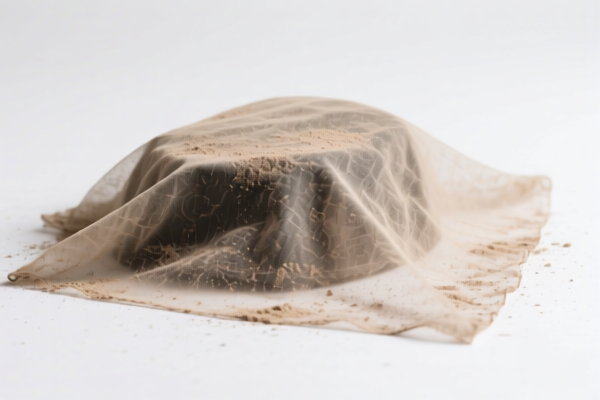
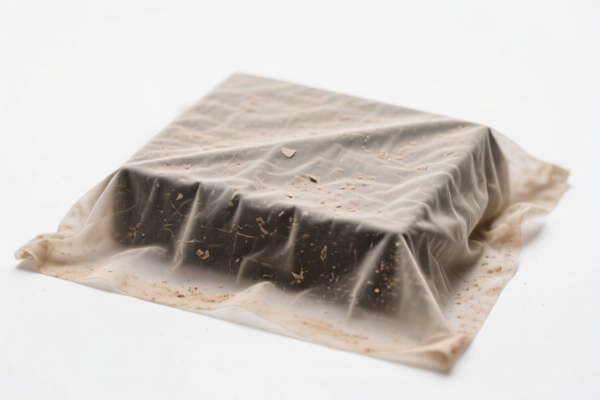
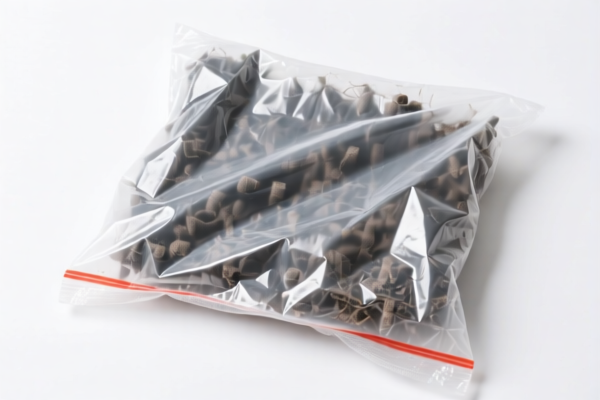
AI Analysis
🧥 Two-Piece Suit Dust Cover | Fabric & Rubber Protection Solutions
🌐 HS Code Classification & Tariff Breakdown | 2026 Import Strategy | Professional Customs Clearance Guide
📌 I. Product Definition: What Exactly Is a "Two-Piece Suit Dust Cover"?
A Two-Piece Suit Dust Cover is a protective accessory designed to shield formal business attire (jacket and trousers) from dust, moisture, moths, and wrinkles during storage or transit. In international trade, its classification depends entirely on the material composition and manufacturing process.
International customs authorities distinguish between: * Non-woven Fabric Covers: Lightweight, disposable, or semi-disposable protective bags (often PP/PE material). * Rubber/Plastic Coated Covers: Reusable, waterproof, or heavy-duty protective garments (often PVC, Vinyl, or Rubberized fabric).
⚠️ Key Classification Pivot Point:
- If made of Non-woven synthetic fibers (stitched or heat-sealed) → It is treated as a Textile/Non-woven Product.
- If made of Sulfur-vulcanized Rubber or specific Plastic/Coated Textiles → It is treated as a Rubber/Plastic Article.
- Misclassification leads to massive tariff discrepancies (up to 16.6% difference)!
📦 II. HS Code Classification Matrix (Based on Provided Data)
The following table summarizes the four distinct classification paths for "Two-Piece Suit Dust Covers" based on material logic.
| HS Code | Product Description | Material/Logic | Typical Use Case |
|---|---|---|---|
5603.11.00.70 |
Non-woven Fabric Covers | Non-woven synthetic fibers; lightweight protective overlay. | Disposable garment bags, retail packaging, short-term storage. |
5603.12.00.70 |
Industrial/Heavy Non-woven | Thicker non-woven fabric; durable protective covering. | Industrial warehousing, long-term textile storage, high-end retail display. |
4016.99.05.00 |
Rubberized Dust Covers | Sulfur-vulcanized rubber or rubber-plastic composite. | Heavy-duty reusable covers, waterproof protection, specialized gear. |
4016.99.60.50 |
General Rubber/Plastic Accessories | Rubber/Plastic generic article; "Other" category fallback. | Generic plastic/rubber protective items, non-specific industrial covers. |
🔍 Critical Insight:
- The Non-woven codes (5603...) are for textile-like covers.
- The Rubber codes (4016...) are for material-integral rubber/plastic covers.
- You cannot arbitrarily choose the lower tax rate; the physical material determines the code.
💰 III. 2026 Tariff Rate Breakdown (China Origin → USA)
✅ Origin: China (CN)
✅ Destination: United States (US)
✅ Policy Context: Includes Base Tariff, Section 301 (25%), and IEEPA (10%) surcharges.
🎯 1. 5603.11.00.70 & 5603.12.00.70 (Non-woven Fabric Category)
These two codes share the exact same tax structure because they fall under the same non-woven protection logic.
| Item | Detail |
|---|---|
| Base Tariff | 0.0% |
| Section 301 Surcharge | +25.0% (Trade Remedy) |
| IEEPA Surcharge | +10.0% (China-specific) |
| Total Effective Rate | 35.0% |
| Tax Calculation | CIF Value × 35% |
| De Minimis Eligibility | ❌ No (Value exceeds $800 threshold for most commercial shipments; check specific broker advice). |
| Legal Reference | USITC:5603.11.00.70 / USITC:5603.12.00.70 → Footnote:301_25% → IEEPA:9903.01.10 |
📌 Explanation:
- While the base tariff is 0%, the aggressive trade policies add 35% total.
- These codes are textile-based, so they do not qualify for the lower 20.9% rubber rate.
- Why? The duty structure penalizes non-wovens heavily under current US-China trade frameworks.
🎯 2. 4016.99.05.00 (Rubber/Vulcanized Category)
This is the lowest tax option IF your product is made of rubber or rubberized fabric.
| Item | Detail |
|---|---|
| Base Tariff | 3.4% |
| Section 301 Surcharge | +7.5% |
| IEEPA Surcharge | +10.0% |
| Total Effective Rate | 20.9% |
| Tax Calculation | CIF Value × 20.9% |
| De Minimis Eligibility | ❌ No |
| Legal Reference | USITC:4016.99.05.00 → Footnote:301_7.5% → IEEPA:9903.01.25 |
📌 Explanation:
- Total Tax: 20.9%. This is 14.1% cheaper than the non-woven classification.
- Crucial Condition: The product MUST be classified as "Sulfur-Vulcanized Rubber" or similar rubber articles.
- How to justify? Provide material safety data sheets (MSDS) showing high rubber content or "rubberized" construction. If it's just a thin plastic coating on fabric, customs may still argue for textile classification.
🎯 3. 4016.99.60.50 (General Rubber/Plastic "Other" Category)
The "Fallback" or "兜底" classification if the specific rubber code doesn't fit perfectly.
| Item | Detail |
|---|---|
| Base Tariff | 2.5% |
| Section 301 Surcharge | +25.0% |
| IEEPA Surcharge | +10.0% |
| Total Effective Rate | 37.5% |
| Tax Calculation | CIF Value × 37.5% |
| De Minimis Eligibility | ❌ No |
| Legal Reference | USITC:4016.99.60.50 → Footnote:301_25% → IEEPA:9903.01.25 |
📌 Explanation:
- Total Tax: 37.5%.
- This is the most expensive option.
- Avoid this code unless explicitly required by USITC for a very specific plastic article that doesn't fit4016.99.05.
- Warning: Using this code incorrectly can lead to penalties if customs determines it should be rubberized fabric (4016.99.05) or non-woven (5603).
🛠️ IV. Customs Clearance Strategy & Tips
✅ 1. Documentation Checklist (Non-Negotiable)
| Document | Requirement | Purpose |
|---|---|---|
| ✅ Product Material Spec | Detailed breakdown (e.g., "90% Polypropylene Non-woven" vs. "100% Sulfur-Vulcanized Rubber") | Determines HS Code! |
| ✅ Product Photos | Clear shots of texture, packaging, and label. Show if it's stiff (rubber) or soft (fabric). | Proves material type. |
| ✅ Commercial Invoice | Must state "Dust Cover for Suits" AND specify material. | Prevents "Misdeclaration" flags. |
| ✅ Packing List | Weight and dimensions. | Helps calculate duty accurately. |
| ✅ Test Reports (Optional) | If claiming rubber, provide proof of rubber content. | Supports 4016 classification. |
✅ 2. Strategic Classification Advice
🔥 The "Material Matters" Rule:
- If you sell disposable/thin covers: Declare as Non-woven (5603).
- Tax: 35%.
- Pros: Accurate to material.
- Cons: Higher tax than rubber codes.
- If you sell heavy-duty/reusable covers: Declare as Rubber (
4016).- Tax: 20.9%.
- Pros: Significant Savings (14.1% less).
Cons: Must prove rubber content. If customs inspects and finds 100% non-woven, you face back-duties + penalties.
NEVER declare
4016.99.60.50unless necessary. It is the most expensive trap.
✅ 3. Common Pitfalls to Avoid
| Mistake | Consequence | Solution |
|---|---|---|
| Vague Description | "Garment Bag" without material | Always specify: "Non-woven Dust Cover" or "Rubberized Dust Cover". |
| Wrong HS Code Selection | Paying 37.5% instead of 20.9% | Compare material specs against 5603 vs 4016 definitions. |
| Ignoring IEEPA/301 | Underestimating landed cost | Calculate Total Tax including surcharges, not just base tariff. |
| Splitting Shipments | Attempting to bypass De Minimis | Ensure all packages are documented correctly; no "splitting" to $800 limit. |
🌍 V. Global Market Comparison (2026)
| Market | Recommended HS Code | Est. Total Tax | Notes |
|---|---|---|---|
| 🇺🇸 USA | 5603.11.00.70 or 4016.99.05.00 |
35% (Non-woven) 20.9% (Rubber) |
Heavy surcharges. Material is key. |
| 🇨🇳 China | 6305.33.00 (Non-woven) |
Varies | Domestic trade rules differ. |
| 🇪🇺 EU | 6307.90.98 |
~6-12% | No 301/IEEPA surcharges. Lower overall burden. |
| 🇬🇧 UK | 6307.90.98 |
~6-12% | Post-Brexit rules similar to EU. |
📌 Conclusion for US Importers:
- The US market is the most expensive for dust covers due to layered surcharges.
- Savings Opportunity: If your product is rubberized, ensure it is classified under4016.99.05.00to save 14.1% in duties.
- Risk Management: If it is non-woven, accept the 35% rate. Do not try to force a rubber classification; the risk of audit and penalty is too high.
📌 VI. Final Checklist for Exporters
- Identify Material: Is it Non-woven (Fabric-like) or Rubber/Plastic?
- Select Code:
- Non-woven →
5603.11.00.70(Tax: 35%) - Rubberized →
4016.99.05.00(Tax: 20.9%) - Generic Rubber →
4016.99.60.50(Tax: 37.5% - Avoid)
- Non-woven →
- Document Truthfully: Provide material specs in the invoice.
- Calculate Landed Cost: Include 35% or 20.9% duty + freight + insurance.
- Consult Broker: For high-value shipments, request a Pre-Ruling to lock in the HS Code.
🎯 VII. Conclusion: Precision Pays Off
🎯 Key Takeaway:
"Material Dictates Duty. Rubber Saves Money. Non-woven Costs More."
- If you can prove your dust cover is rubberized, aim for
4016.99.05.00to reduce your tax burden from 35% to 20.9%. - If it is non-woven, prepare for the 35% effective rate.
- Never guess the HS Code. A wrong classification can lead to back-duties, fines, and shipment delays.
📣 Action Item:
📞 Contact your customs broker with your product's Material Safety Data Sheet (MSDS).
📝 Ensure your invoice explicitly states the material composition.
🚀 Optimize your landed cost by choosing the correct HS Code today!
✨ Smart Classification, Lower Duties, Faster Clearance!
💼 Every percentage point matters in international trade.
Customer Reviews
About HS Code Classification
The Harmonized System (HS) is an internationally standardized nomenclature developed by the World Customs Organization (WCO) to classify traded products. Over 200 countries use the HS system as the basis for customs tariffs, trade statistics, and import/export regulations.
Each HS code follows a hierarchical structure:
- Chapter (2 digits) — Broad category of goods (e.g., Chapter 84: Machinery and Mechanical Appliances)
- Heading (4 digits) — More specific grouping within the chapter
- Subheading (6 digits) — Internationally standardized breakdown, used by all WCO member countries
- National subdivisions (8-10 digits) — Country-specific extensions for further classification, such as US HTSUS 10-digit codes
Correct HS code classification is essential for smooth customs clearance, accurate duty payment, and compliance with trade regulations. Misclassification can lead to customs delays, overpayment of duties, or penalties.
When importing from CN to US, the applicable tariff rates may include:
- Most-Favored-Nation (MFN) rate — The standard duty rate applied to WTO members
- General rate — Applied to countries without trade agreements
- Trade remedy duties — Additional tariffs such as Section 301 (anti-dumping), Section 232 (national security), or countervailing duties
The information provided on this page is for reference purposes only. For official classification, please consult with your local customs authority or a licensed customs broker.