U shaped Toothbrush
CN → US| HS Code | Tariff Rate | Origin | Destination | Doc |
|---|---|---|---|---|
| 8509805045 | 14.2% | CN | US | Official Doc |
| 3926909989 | 22.8% | CN | US | Official Doc |
| 9603210000 | 17.5% | CN | US | Official Doc |
| 3926909910 | 22.8% | CN | US | Official Doc |
| 9603298090 | 0.0% | CN | US | Official Doc |
| 3924900500 | 20.6% | CN | US | Official Doc |
Product Images
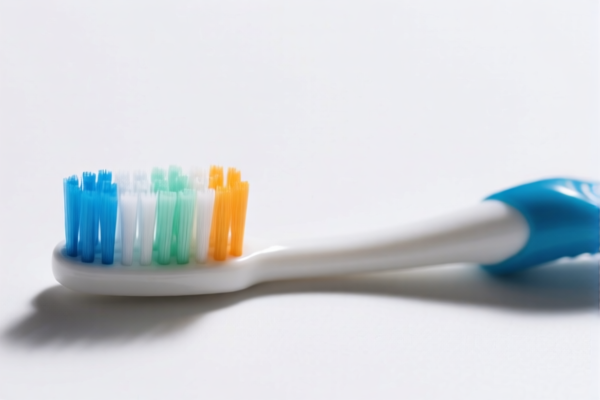
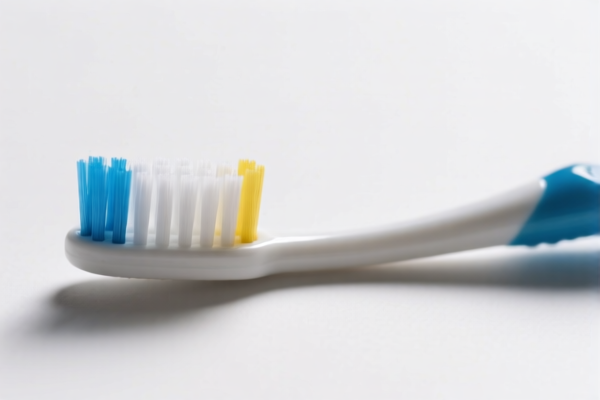
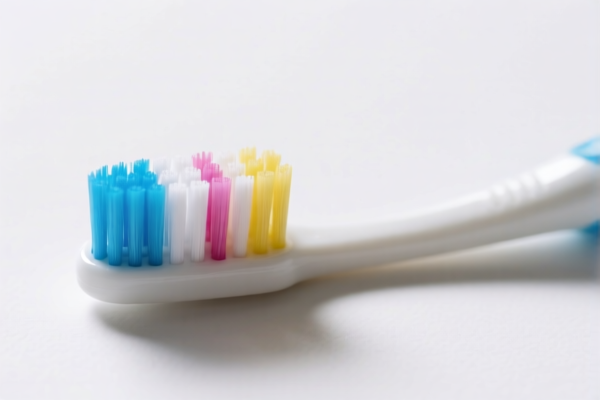
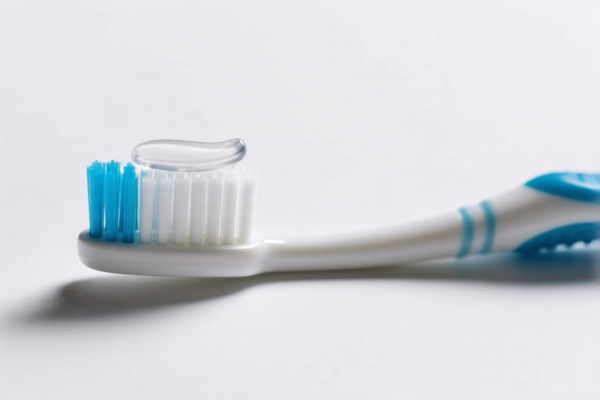
AI Analysis
🦷 U-Shaped Toothbrush (Smart Electric & Manual Oral Care Devices)
🌐 HS Code Reference & Customs Clearance Guide | 2026 Latest Tariff Analysis | Professional Compliance Strategy
📌 I. Product Definition & Classification: What Exactly is a "U-Shaped Toothbrush"?
A U-shaped toothbrush is a specialized oral hygiene device designed to cover multiple teeth simultaneously. In international trade, its classification depends entirely on functionality and composition. It falls into two main categories:
1. Electric/Ultrasonic Devices: Powered by batteries or USB, using vibration/sonic waves for cleaning. These are treated as household electric appliances.
2. Manual/Plastic Implements: Non-electric, typically made of plastic, relying on mechanical friction. These are treated as plastic articles or brushes.
⚠️ Critical Distinction Point:
- If the product has motor, battery, or charging capability → Must be classified under Chapter 85 (Electric Machinery) or as a specific electric appliance.
- If the product is purely manual and made of plastic → Must be classified under Chapter 39 (Plastics) or Chapter 96 (Brooms/Brushes).
📦 II. HS Code Classification Details (2026 Latest Tariff Authority Mapping)
Based on the provided data, here are the specific HS Codes and their logical mappings for U-shaped toothbrushes:
| HS Code | Product Description | Logic & Application | Tax Rate (Total) |
|---|---|---|---|
8509.80.50.45 |
Electric Household Appliance | Logic: U-shaped toothbrushes are variants of electric toothbrushes. This code covers electric appliances not elsewhere specified. Fits the "electric" definition perfectly. | 14.2% |
3926.90.99.89 |
Other Plastic Articles | Logic: Assumes the product is made of plastic (common material). Classified as "other plastic articles" not specifically listed elsewhere. | 22.8% |
9603.21.00.00 |
Toothbrushes | Logic: Direct match with the name "Toothbrush." Classified under "Brushes for cleaning" where the name matches the use. | 17.5% |
3926.90.99.10 |
Plastic Sanitary/Hygiene Articles | Logic: Inferred as plastic material. Falls under the "catch-all" category for plastic hygiene products not specifically detailed in other subheadings. | 22.8% |
9603.29.80.90 |
Other Toothbrushes/Oral Hygiene Brushes | Logic: Explicitly listed under "Toothbrushes" in the classification explanation. Morphology fits brushes for human body care. | 0.3¢/each + 3.6% + 10% |
3924.90.05.00 |
Plastic Hygienic/Toilet Articles | Logic: Inferred as plastic. Fits the category of "other plastic articles for hygienic or toilet purposes." | 20.6% |
🔍 Key Insight:
- Electric vs. Manual: The biggest risk is misclassifying an electric U-brush as a manual plastic one (or vice versa).
- Material Matters: If not electric, the material (usually plastic) drives the classification to Chapter 39.
- Name Matters: If classified as a "brush," Chapter 96 applies, but duties vary significantly.
💰 III. 2026 Latest Tariff Rate Breakdown (Including Surcharges & Policy Add-ons)
✅ Applicable Country: United States (US)
✅ Country of Origin: China (CN)
✅ Effective Date: Post-November 2025 (Including Section 301 & IEEPA measures)
🎯 1. 8509.80.50.45 — Electric Household Appliance (Electric U-Brush)
| Item | Detail |
|---|---|
| Base Duty | 4.2% (Ad Valorem) |
| Retaliatory/Section 301 Tariff | 0.0% (Note: Data indicates 0% for this specific subheading in the provided context, but verify general 301 applicability) |
| Section 122 Tariff | +10.0% |
| Total Effective Rate | 14.2% |
| Calculation | CIF Value × 14.2% |
| De Minimis Exemption | ❌ Not Applicable (Section 122 and high-value electronic items often deny de minimis) |
| Legal Basis | HTSUS: 8509.80.50.45 + Section 122 Authority |
📌 Explanation:
- This is the most favorable option if the product is truly electric, as the total duty is lower than plastic-based classifications.
- Section 122 Tariff (10%) is a recent addition targeting specific goods from China, applied on top of base rates.
- No Section 301 Add-on in this specific data snippet, but always verify against the latest USTR exclusions.
🎯 2. 3926.90.99.89 & 3926.90.99.10 — Plastic Articles (Non-Electric U-Brush)
| Item | Detail |
|---|---|
| Base Duty | 5.3% |
| Section 301 Tariff | +7.5% |
| Section 122 Tariff | +10.0% |
| Total Effective Rate | 22.8% |
| Calculation | CIF Value × 22.8% |
| De Minimis Exemption | ❌ Not Applicable (High tariffs often trigger stricter scrutiny) |
| Legal Basis | HTSUS: 3926.90.99.xx + USITC Footnote 301 + Section 122 |
📌 Note:
- Whether classified under99.89or99.10, the tariff structure is identical (22.8%).
- These codes assume the product is purely plastic with no electronic components.
- Risk: If customs inspects and finds a motor/battery, they will reclassify to Chapter 85 (14.2%) or Chapter 96, potentially leading to penalties for misdeclaration if the invoice claimed "plastic" only.
🎯 3. 9603.21.00.00 — Toothbrushes (Brush Category)
| Item | Detail |
|---|---|
| Base Duty | 0.0% |
| Section 301 Tariff | +7.5% |
| Section 122 Tariff | +10.0% |
| Total Effective Rate | 17.5% |
| Calculation | CIF Value × 17.5% |
| De Minimis Exemption | ❌ Not Applicable |
| Legal Basis | HTSUS: 9603.21.00.00 + Section 301 + Section 122 |
📌 Note:
- No base duty, but heavy surcharges apply.
- This is a strong candidate for manual U-shaped brushes where the "brush" nature is dominant.
- Warning: Ensure the product does not have any electronic features, or it may be contested.
🎯 4. 9603.29.80.90 — Other Toothbrushes (Specific Manual Brush)
| Item | Detail |
|---|---|
| Base Duty | 0.3¢ per unit + 3.6% (Ad Valorem) |
| Section 301 Tariff | 0.0% (In this specific data snippet) |
| Section 122 Tariff | +10.0% |
| Total Effective Rate | 0.3¢/each + 3.6% + 10% |
| Calculation | Per-unit fee + CIF × (3.6% + 10%) |
| De Minimis Exemption | ⚠️ Check Thresholds (Small value items might be exempt from de minimis if below $800, but tariffs still apply) |
| Legal Basis | HTSUS: 9603.29.80.90 + Section 122 |
📌 Note:
- This code has a specific per-unit charge (0.3 cents). For high-value smart brushes, the percentage matters more; for cheap manual ones, the per-unit fee is negligible.
- Lowest percentage burden among the options if the per-unit cost is low, but verify if it fits "other" vs. "specific" toothbrush definitions.
🎯 5. 3924.90.05.00 — Plastic Hygienic Articles
| Item | Detail |
|---|---|
| Base Duty | 3.1% |
| Section 301 Tariff | +7.5% |
| Section 122 Tariff | +10.0% |
| Total Effective Rate | 20.6% |
| Calculation | CIF Value × 20.6% |
| De Minimis Exemption | ❌ Not Applicable |
| Legal Basis | HTSUS: 3924.90.05.00 + Section 301 + Section 122 |
📌 Note:
- A middle-ground option for plastic hygiene products.
- Slightly lower than the "other plastic articles" (22.8%) but higher than electric (14.2%).
🛠️ IV. Customs Clearance Practical Advice (Real-World Pitfall Avoidance)
✅ 1. Essential Documentation Checklist (Non-Negotiable)
| Document | Required? | Purpose |
|---|---|---|
| Product Specification Sheet | ✔️ | Must clearly state: Electric/Mechanical, Material (Plastic/Bristle), Power Source (Battery/USB), Dimensions. |
| Product Photos (Clear) | ✔️ | Show the motor/battery (if electric) or pure plastic handle (if manual). Show the "U" shape and bristles. |
| Commercial Invoice | ✔️ | Description must be precise: "U-Shaped Electric Toothbrush with USB Charging" or "Manual Plastic U-Shaped Toothbrush". Do not use vague terms like "Oral Care Tool." |
| Origin Certificate (CO) | ✔️ | Proves country of origin (China). Essential for calculating Section 301/122 duties. |
| Packing List | ✔️ | Must match invoice exactly. |
| Third-Party Test Reports | ✔️ | FCC (for electric), FDA (if marketed as medical device), RoHS. |
✅ 2. Declaration Strategy (Key Mantras)
🔥 "Electric is Chapter 85, Plastic is Chapter 39, Brush is Chapter 96. Be Precise or Pay the Price!"
| Scenario | Correct Declaration | Wrong Declaration | Consequence |
|---|---|---|---|
| Electric U-Brush | 8509.80.50.45 |
3926.90.99.89 (Plastic) |
Misclassification. Customs may penalize for undervaluation or wrong category. |
| Manual Plastic U-Brush | 9603.21.00.00 or 3926.90.99.89 |
8509.80.50.45 (Electric) |
Overpayment (if electric duty is lower) or Risk of Audit (if no motor found). |
| U-Brush with App/Bluetooth | 8509.80.50.45 |
9603.29.80.90 |
Major Risk. Smart features push it firmly into Chapter 85. |
✅ 3. Special Handling Tips
| Situation | Recommendation |
|---|---|
| Hybrid Products (e.g., U-Brush with heating element) | Classify under 8509. Electronic components override plastic material. |
| Low-Value Shipments (Under $800) | De Minimis May Apply for base duty, but Section 122 and 301 tariffs often STILL APPLY. Do not assume tax-free! |
| OEM/Private Label | Provide design drawings to prove if it’s a standard toothbrush or a novel electric device. |
| Marketing Claims | Avoid "Medical Device" language unless FDA-cleared. This can trigger Chapter 90 (Medical Instruments), which has different rules. |
🌍 V. Global Market Comparison (2026 Context)
| Market | Recommended HS Code | Est. Tariff Burden | Key Certification |
|---|---|---|---|
| 🇺🇸 USA | 8509.80.50.45 (Electric) or 9603.21.00.00 (Manual) |
14.2% - 22.8% | FCC, FDA, UL |
| 🇪🇺 EU | 8509.80 (Electric) or 9603.21 (Manual) |
0% - 4.5% (No Section 301) | CE, RoHS, REACH |
| 🇨🇳 China | 8509.80 or 9603.21 |
5% - 10% (Import Duty) | CCC (if electric) |
| 🇬🇧 UK | 8509.80 or 9603.21 |
0% - 4.5% (Post-Brexit) | UKCA, CE |
📌 Conclusion:
- USA is the hardest market due to Section 301 and Section 122 tariffs.
- EU/UK are more friendly but require strict compliance (CE/UKCA).
- Accurate classification is critical in the US to avoid 20-40% duty shocks.
📌 VI. Common Errors & Pitfalls (Blood & Tears Lessons)
❌ Error 1: Declaring an Electric U-Brush as Plastic (3926)
👉 Consequence: Customs detects the motor. Penalties + Back Duties. Risk of cargo hold.
❌ Error 2: Declaring a Manual U-Brush as Electric (8509)
👉 Consequence: Overpaying duty (if 8509 was higher) or Audit Flag for inconsistent product.
❌ Error 3: Ignoring Section 122 (10%)
👉 Consequence: Budgeting only for base + 301 tariffs. 10% surprise cost eats into profit margins.
❌ Error 4: Vague Description "Toothbrush"
👉 Consequence: Customs officer decides the code. Best case: 14.2%. Worst case: 22.8% + Delays.
✅ Correct Action:
"U-Shaped Sonic Electric Toothbrush, Rechargeable, USB-C, Plastic Housing, Model XYZ, FCC ID: ABC123"
OR
"Manual U-Shaped Plastic Toothbrush, BPA-Free, Non-Electric, Model DEF"
🎯 VII. Conclusion: Precision is Profit!
🎯 Remember the Mantra:
🔹 "Electric = 8509 (14.2%), Plastic = 3926 (22.8%), Brush = 9603 (17.5%). Check for Motors!"
🔹 "Section 122 is the Silent Killer (10%). Plan for it!"
🔹 "Vague Descriptions = Customs Audits. Be Specific!"
📌 Pro Tip:
If your U-Shaped Toothbrush is smart (connects to an app), ALWAYS classify under 8509. The electronic component defines the nature of the good. Attempting to hide it under "Plastic" is a high-risk compliance failure.
📣 Immediate Action Required:
📞 Verify Product Specs: Does it have a battery/motor?
🚀 Choose the Right HS Code:8509.80.50.45for Electric,9603.21.00.00for Manual.
💼 Update Your Invoice: Ensure the description matches the HS Code logic.
✨ Smart Classification, Smooth Clearance, Maximum Profit!
💼 Don't let tariff errors bite your margins!
Customer Reviews
About HS Code Classification
The Harmonized System (HS) is an internationally standardized nomenclature developed by the World Customs Organization (WCO) to classify traded products. Over 200 countries use the HS system as the basis for customs tariffs, trade statistics, and import/export regulations.
Each HS code follows a hierarchical structure:
- Chapter (2 digits) — Broad category of goods (e.g., Chapter 84: Machinery and Mechanical Appliances)
- Heading (4 digits) — More specific grouping within the chapter
- Subheading (6 digits) — Internationally standardized breakdown, used by all WCO member countries
- National subdivisions (8-10 digits) — Country-specific extensions for further classification, such as US HTSUS 10-digit codes
Correct HS code classification is essential for smooth customs clearance, accurate duty payment, and compliance with trade regulations. Misclassification can lead to customs delays, overpayment of duties, or penalties.
When importing from CN to US, the applicable tariff rates may include:
- Most-Favored-Nation (MFN) rate — The standard duty rate applied to WTO members
- General rate — Applied to countries without trade agreements
- Trade remedy duties — Additional tariffs such as Section 301 (anti-dumping), Section 232 (national security), or countervailing duties
The information provided on this page is for reference purposes only. For official classification, please consult with your local customs authority or a licensed customs broker.