USB Flash Drive
CN → US| HS Code | Tariff Rate | Origin | Destination | Doc |
|---|---|---|---|---|
| 8543709860 | 37.6% | CN | US | Official Doc |
| 8523510000 | 17.5% | CN | US | Official Doc |
| 8523590000 | 35.0% | CN | US | Official Doc |
| 8471709000 | 35.0% | CN | US | Official Doc |
| 8543708900 | 17.5% | CN | US | Official Doc |
| 8471705095 | 35.0% | CN | US | Official Doc |
Product Images
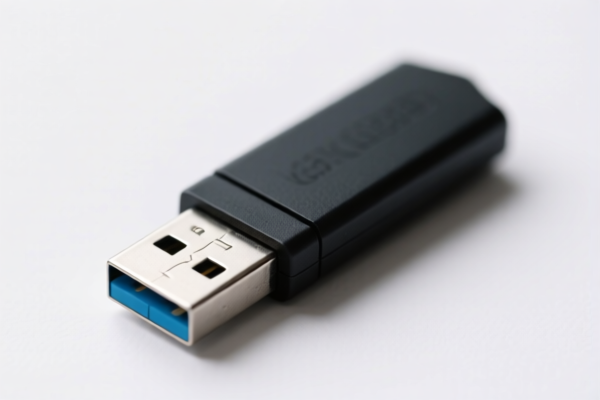
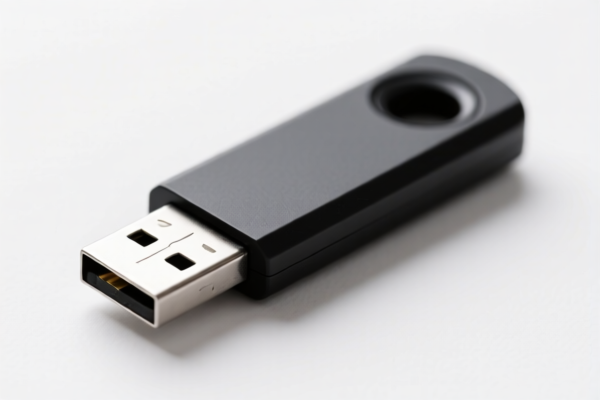
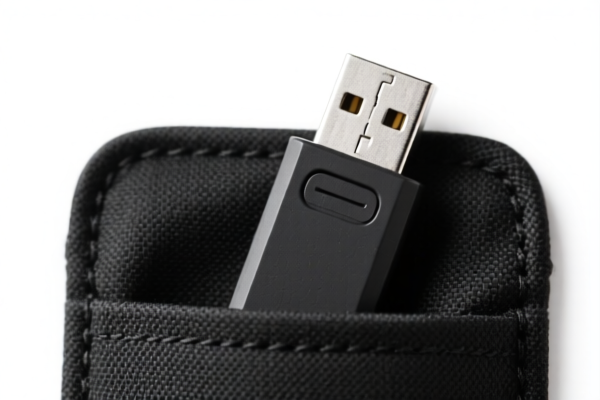
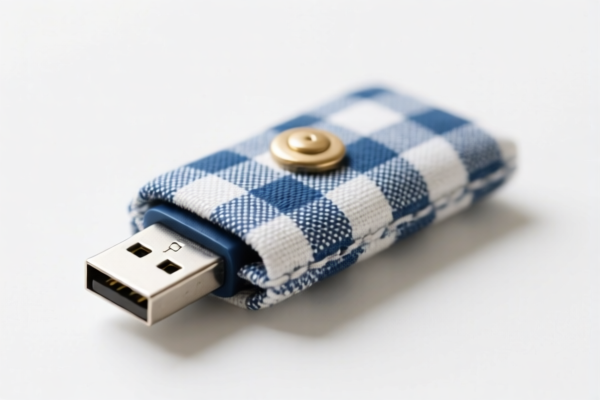
AI Analysis
Here is the comprehensive guide for USB Flash Drives, structured in a professional Wiki style with vivid formatting, detailed tax analysis, and practical customs clearance strategies based strictly on the provided data.
💾 USB Flash Drive (Universal Serial Bus)
🚀 Ultimate HS Code Classification & Tax Strategy Guide | 2026 Customs Clearance Protocol
⚡ Executive Summary:
USB Flash Drives are non-volatile semiconductor storage devices. However, classification under US customs varies wildly based on technical description and usage logic.
🔴 Critical Alert: The total tax burden can swing between 17.5% and 37.6% (or 35.0%) solely based on which HS Code you choose. Misclassification risks 3x penalties and shipment detention!
🌐 I. Product Definition & Classification Logic
A USB Flash Drive is a solid-state non-volatile storage device using semiconductor memory media. In international trade, it falls into a debate between: 1. Data Processing Storage Units (Computer peripherals): Focuses on function as a "drive." 2. Electronic Storage Media (Semiconductor components): Focuses on material and "solid state" nature. 3. Other Electronic Appliances: A catch-all for devices with specific reading/writing functions.
🧠 Why 6 Different HS Codes? The provided data reveals 6 distinct classification paths. Each implies a different legal interpretation of the device's "primary purpose" and "material composition," leading to drastically different tax outcomes.
📦 II. HS Code Classification Matrix (Data Source: 2026 Customs Data)
| HS Code | Product Logic & Summary | Total Tax Rate | Tax Structure Breakdown |
|---|---|---|---|
| 8543.70.98.60 | Electronic Storage Device (General) Used when no specific material conflict exists; general classification for flash drives. |
37.6% | Base: 2.6% + Additional: 25.0% + Sec 122: 10% |
| 8523.51.00.00 | Solid State Semiconductor Memory Focuses on "semiconductor media" characteristics; lowest tariff option. |
17.5% | Base: 0.0% + Additional: 7.5% + Sec 122: 10% |
| 8523.59.00.00 | Non-Volatile Solid State Storage General solid-state storage media; high additional tariff. |
35.0% | Base: 0.0% + Additional: 25.0% + Sec 122: 10% |
| 8471.70.90.00 | Other Storage Devices for Computers Classified as a peripheral/storage unit for data processing machines. |
35.0% | Base: 0.0% + Additional: 25.0% + Sec 122: 10% |
| 8543.70.89.00 | Electronic Storage Medium (Reader/Writer) Covers text/image/audio recording functions; "Electronic reader" logic. |
17.5% | Base: 0.0% + Additional: 7.5% + Sec 122: 10% |
| 8471.70.50.95 | Storage Device (Core Function) Focuses on "storage device" logic; distinct from media, but compatible. |
35.0% | Base: 0.0% + Additional: 25.0% + Sec 122: 10% |
💡 Key Insight:
- Lowest Tax (17.5%):8523.51.00.00&8543.70.89.00.
- Highest Tax (37.6%):8543.70.98.60.
- Standard High (35.0%):8523.59.00.00,8471.70.90.00,8471.70.50.95.
💰 III. Detailed Tax Analysis (2026 Rate Breakdown)
🎯 Scenario A: The "Semiconductor" Strategy (Best Case)
Target HS Codes: 8523.51.00.00 or 8543.70.89.00
Total Duty: 17.5%
| Tax Component | Rate | Legal Basis | Description |
|---|---|---|---|
| Base Duty | 0.0% | Tariff Schedule | Free entry for basic electronics/semiconductors. |
| Additional Duty | 7.5% | Section 301 / Trade Act | "Additional tariff" applied to specific storage media. |
| Section 122 Tariff | 10.0% | Sec 122 (US) | Mandatory punitive tariff on Chinese goods (if applicable). |
| Calculation | CIF Value × 17.5% |
Formula | Example: $10,000 cargo = $1,750 total tax. |
✅ Why choose this?
If the flash drive is described as a "Semiconductor Memory Device" or "Electronic Storage Medium for Reading/Writing," you save 20% in total tax compared to the worst-case scenario.
🎯 Scenario B: The "Computer Peripheral" Strategy (High Risk)
Target HS Codes: 8471.70.90.00, 8471.70.50.95, or 8523.59.00.00
Total Duty: 35.0%
| Tax Component | Rate | Legal Basis | Description |
|---|---|---|---|
| Base Duty | 0.0% | Tariff Schedule | Free entry for data processing parts. |
| Additional Duty | 25.0% | Section 301 / Trade Act | High penalty rate for "Other storage devices." |
| Section 122 Tariff | 10.0% | Sec 122 (US) | Mandatory punitive tariff. |
| Calculation | CIF Value × 35.0% |
Formula | Example: $10,000 cargo = $3,500 total tax. |
⚠️ Risk: This classification treats the drive as a generic "storage device" without the semiconductor exemption.
🎯 Scenario C: The "General Electronic" Trap (Worst Case)
Target HS Code: 8543.70.98.60
Total Duty: 37.6%
| Tax Component | Rate | Legal Basis | Description |
|---|---|---|---|
| Base Duty | 2.6% | Tariff Schedule | Standard duty for general electronic machines. |
| Additional Duty | 25.0% | Section 301 / Trade Act | High penalty. |
| Section 122 Tariff | 10.0% | Sec 122 (US) | Mandatory punitive tariff. |
| Calculation | CIF Value × 37.6% |
Formula | Example: $10,000 cargo = $3,760 total tax. |
❌ Warning: This is the most expensive classification. Only use if the device has no clear semiconductor or storage classification conflict.
🛠️ IV. Customs Clearance Strategy & "Golden Rules"
✅ 1. Preparation Checklist (The "Must-Haves")
To avoid 37.6% tax and secure 17.5%, prepare these documents before shipping:
| Document | Requirement | Purpose |
|---|---|---|
| Technical Datasheet | Must explicitly state "Non-Volatile Semiconductor Memory" | Justifies 8523.51.00.00 (Low tax). |
| Product Photo | Show the chip inside (if possible) or USB controller chip | Proves "Semiconductor" nature vs. "Mechanical" drive. |
| Bill of Materials (BOM) | Highlight "NAND Flash Memory" components | Validates material-based classification. |
| Function Description | "Solid-state data storage device" (Avoid "Hard Drive" terminology) | Avoids 8471 (Computer Peripheral) classification. |
| Commercial Invoice | Must list HS Code + "Non-Volatile Semiconductor Storage" | Ensures consistency with customs declaration. |
✅ 2. Declaration Tactics (Critical Wording)
🚀 The "Low Tax" Declaration Formula:
"Solid State Non-Volatile Semiconductor Storage Device, NAND Flash Memory Based, USB Interface."
🛑 The "High Tax" Declaration Mistake:
"USB Flash Drive, Storage Peripheral, Computer Accessory."
(This wording triggers8471or8543categories with 25% additional tax.)
| Strategy | Action | Outcome |
|---|---|---|
| Material Focus | Emphasize "Semiconductor" & "Flash Memory" | ➡️ 17.5% Tax (8523.51.00.00) |
| Function Focus | Emphasize "Storage Medium" for data | ➡️ 17.5% Tax (8543.70.89.00) |
| Generic Focus | Use "Storage Device" or "Peripheral" | ➡️ 35.0% - 37.6% Tax (Avoid!) |
✅ 3. Special Scenarios & Pitfalls
| Scenario | Risk | Solution |
|---|---|---|
| "Rugged" Flash Drives | May be seen as "Electronic Equipment" | Clearly define internal "Flash Memory" chip, not casing. |
| Encrypted Drives | May be treated as "Security Device" | Ensure description focuses on Storage, not encryption security. |
| Multi-Function Devices | (e.g., Flash Drive + MP3 Player) | Split Shipment or declare as Storage Device only. |
| No Documentation | Customs assigns default high rate | Must provide technical specs to claim 8523 or 8543 low-rate codes. |
🌍 V. Global Market Comparison (US vs. Others)
| Market | Target HS Code | Base Rate | Additional | Total | Strategy |
|---|---|---|---|---|---|
| 🇺🇸 USA (Data) | 8523.51.00.00 |
0.0% | 7.5% + 10% | 17.5% | Best Option |
| 🇺🇸 USA (Trap) | 8543.70.98.60 |
2.6% | 25.0% + 10% | 37.6% | Avoid |
| 🇨🇳 China | 8523.51.00.00 |
0.0% | 0.0% | 0.0% | Low Risk |
| 🇪🇺 EU | 8523.51.00.00 |
0.0% | 0.0% | 0.0% | Low Risk |
📌 US Specific Note: The Section 122 Tariff (10%) is mandatory for Chinese-origin flash drives regardless of HS Code. However, the Additional Duty (7.5% vs 25%) is the variable you can control through correct classification.
📌 VI. Conclusion & Final Recommendation
🎯 The Verdict:
To minimize costs for USB Flash Drives entering the US market:
1. Target HS Code: 8523.51.00.00 (Solid State Semiconductor Memory).
2. Target Total Tax: 17.5% (vs. 37.6% worst case).
3. Savings: You save 20.1% on every dollar of declared value!
🔥 The Golden Rule for Shippers:
"Don't call it a 'Drive'; Call it a 'Memory Chip'!"
By emphasizing the semiconductor nature of the internal storage rather than the USB peripheral function, you unlock the lowest tax bracket.
🚀 Action Plan for Your Next Shipment
- Update Technical Specs: Ensure "NAND Flash" and "Semiconductor" are prominent.
- Revised Invoice: Change description to "Solid State Non-Volatile Semiconductor Storage Device".
- Declare Correctly: Use
8523.51.00.00(or8543.70.89.00if8523is rejected). - Prepare Docs: Have chip datasheets ready for Customs inspection.
✨ Professional Tip: If Customs challenges
8523.51.00.00, be ready to argue for8543.70.89.00(17.5%) as a fallback, but NEVER accept the default8543.70.98.60(37.6%) without a fight!
Ready to ship? Ensure your paperwork matches the "Semiconductor" narrative. Your bottom line depends on it! 📉💰
Customer Reviews
About HS Code Classification
The Harmonized System (HS) is an internationally standardized nomenclature developed by the World Customs Organization (WCO) to classify traded products. Over 200 countries use the HS system as the basis for customs tariffs, trade statistics, and import/export regulations.
Each HS code follows a hierarchical structure:
- Chapter (2 digits) — Broad category of goods (e.g., Chapter 84: Machinery and Mechanical Appliances)
- Heading (4 digits) — More specific grouping within the chapter
- Subheading (6 digits) — Internationally standardized breakdown, used by all WCO member countries
- National subdivisions (8-10 digits) — Country-specific extensions for further classification, such as US HTSUS 10-digit codes
Correct HS code classification is essential for smooth customs clearance, accurate duty payment, and compliance with trade regulations. Misclassification can lead to customs delays, overpayment of duties, or penalties.
When importing from CN to US, the applicable tariff rates may include:
- Most-Favored-Nation (MFN) rate — The standard duty rate applied to WTO members
- General rate — Applied to countries without trade agreements
- Trade remedy duties — Additional tariffs such as Section 301 (anti-dumping), Section 232 (national security), or countervailing duties
The information provided on this page is for reference purposes only. For official classification, please consult with your local customs authority or a licensed customs broker.