USB Hub
CN → US| HS Code | Tariff Rate | Origin | Destination | Doc |
|---|---|---|---|---|
| 8471609050 | 35.0% | CN | US | Official Doc |
| 8517620020 | 35.0% | CN | US | Official Doc |
| 8517620090 | 35.0% | CN | US | Official Doc |
| 8542390090 | 60.0% | CN | US | Official Doc |
| 8471801000 | 35.0% | CN | US | Official Doc |
Product Images
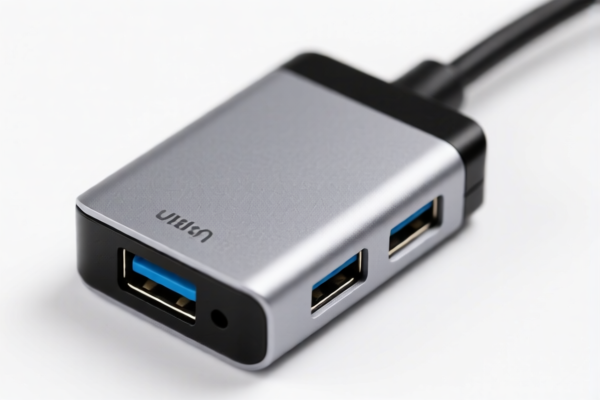
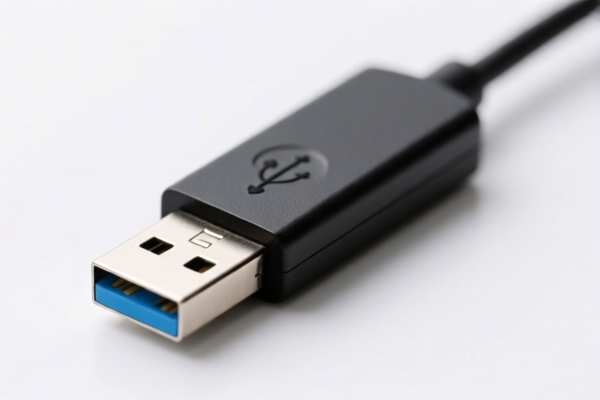

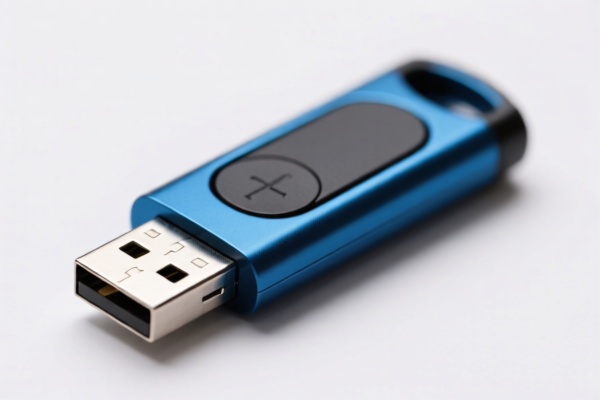
AI Analysis
🌐 USB Hubs: The Ultimate Classification & Tariff Guide (2026 Edition)
🚀 Decoding HS Codes, Crushing Tax Hurdles, & Mastering US Customs Clearance
📌 The Big Question: Is your USB Hub an Input/Output device, a Data Router, or just an Electronic Circuit?
The answer determines if you pay 35% or 60% in duties!
⚠️ CRITICAL ALERT:
USB Hubs are high-risk goods for US Customs due to "Section 301" and "Section 122" tariffs.
Misclassification can cost you up to 25% extra!
Let's break down exactly how the data defines your product's fate.
📦 I. The "HS Code Matrix": Why One Hub Fits Five Codes
Based on the US Customs Harmonized Tariff Schedule (HTS), a USB Hub can be classified in 5 different ways, depending on its technical function and internal circuitry.
📊 Classification Breakdown & Tax Logic
| HS Code | Product Description (Based on Data) | Classification Logic | Total Duty Rate |
|---|---|---|---|
| 8471.60.90.50 | I/O Expansion Unit | Classified as an "Other Input/Output Device" for Automatic Data Processing (ADP) machines. It expands the computer's ports. | 35.0% |
| 8517.62.00.20 | Data Transmission & Routing | Treated as a "Switching and Routing Device" for data transmission. Focus is on the signal path. | 35.0% |
| 8517.62.00.90 | Data Receiver/Converter | Classified as "Other Data Receiving/Converting Equipment". Focus is on signal conversion. | 35.0% |
| 8542.39.00.90 | Electronic Circuit Component | Classified as a "Functional Component" or "Other Electronic Integrated Circuits". High Risk! | 60.0% |
| 8471.80.10.00 | Control/Adaptation Unit | Treated as a "Part of Automatic Data Processing" (Control/Adapter Unit). Focus is on system integration. | 35.0% |
🔍 The "Why" Behind the Codes:
Codes ending in .20, .90 (8517 series): These are for "Telecommunications/Data" devices. If your hub is marketed primarily as a network extender or router, this logic applies. * Codes starting with 8471 (ADP Parts): These are for computer peripherals. If marketed as a mouse/keyboard port expander, this logic applies. * Code 8542 (The Trap!): If the customs officer believes the hub is essentially just a circuit board (IC) without a casing or defined "device" function, they may hit you with the 60%* rate!
💰 II. 2026 Tax Deep Dive: The 35% vs. 60% Battle
All rates below apply to goods originating from China (CN) imported into the USA (US).
🚨 The Standard Rate (35%)
Applies to HS Codes: 8471.60.90.50, 8517.62.00.20, 8517.62.00.90, 8471.80.10.00
| Tax Component | Rate | Legal Basis | Explanation |
|---|---|---|---|
| Base Duty | 0.0% | General HTS | The standard "Most Favored Nation" rate is free. |
| Section 301 Tariff | 25.0% | "Section 301" Add-on | The "China Tax". Added due to trade wars (USITC). Applies to almost all Chinese tech. |
| Section 122 Tariff | 10.0% | "Section 122" Add-on | The "Digital Products Tax". Specific additional tariff for certain digital/tech items (often overlapping with 301). |
| TOTAL | 35.0% | Sum of All | Calculation: CIF Value × 35% |
📝 How the Math Works:
If your USB Hub cost $1,000 (CIF):
$1,000 × 0.35 = $350 Tax Due.
This is the "sweet spot" if classified correctly as a peripheral or data device.
💥 The "Trap" Rate (60%)
Applies to HS Code: 8542.39.00.90
| Tax Component | Rate | Legal Basis | Explanation |
|---|---|---|---|
| Base Duty | 0.0% | General HTS | Standard rate. |
| Section 301 Tariff | 50.0% | "Section 301" Add-on | The "Super China Tax". This category triggers a higher penalty rate (50% instead of 25%). |
| Section 122 Tariff | 10.0% | "Section 122" Add-on | Standard additional tax. |
| TOTAL | 60.0% | Sum of All | Calculation: CIF Value × 60% |
🚨 Why 60%?:
Classifying a USB Hub as "Electronic Circuits" (8542) rather than a "Peripheral Device" (8471/8517) triggers a 50% Section 301 rate instead of the standard 25%.
Result: Your tax bill doubles from $350 to $600 per $1,000 of goods!
🛠️ III. Customs Clearance Strategy: How to Avoid the 60% Trap
✅ 1. The "Function First" Declaration Rule
- DO NOT describe your product as "USB Circuit Board" or "IC Component" in the commercial invoice.
- DO describe it as: "USB Data Hub / Port Expander for Computer".
- Why: Emphasize that it is a "Device" (with casing, USB ports, logic board housed) that performs a function for a computer, not just a raw component.
✅ 2. Technical Documentation is King
Customs officers will audit your datasheet. Ensure it proves:
* ✅ Casing: Shows a physical enclosure (protects against "component" classification).
* ✅ Ports: Clearly shows USB-A/B/C output ports (proves it's a peripheral/hub).
* ✅ Function: Explicitly states "Extends connectivity for ADP machines" (Supports 8471 classification).
✅ 3. Choose the "Safe" HS Code
- Primary Choice:
8471.60.90.50(ADP Input/Output).- Reason: USB Hubs are universally understood as extensions for computers.
- Secondary Choice:
8517.62.00.20(Data Transmission/Switching).- Reason: Strong if your hub has advanced networking features (USB over Ethernet, etc.).
- AVOID:
8542.39.00.90unless the product is literally just a bare circuit board sold as a component.
🚀 IV. Pro Tips for Smooth Clearance (2026 Edition)
| Action | Strategy | Risk Mitigation |
|---|---|---|
| Invoice Description | Use: "USB Hub, Model X, 4-Port, for PC Data Expansion" | Prevents "Generic Electronic Component" misclassification. |
| Product Photos | Include shot of all ports and casing. | Visually proves it's a "device," not a "part." |
| Country of Origin | Mark clearly: "Made in China". | Avoids unexpected "Section 122" delays for non-compliance. |
| Pre-Arrival Ruling | Request an Advance Ruling from CBP for 8471.60.90.50. |
Locks in the 35% rate before shipping! |
🌍 V. Global Context: Is This Only a US Problem?
- USA: 35% (Standard) or 60% (Trap). High risk of Section 301/122.
- EU: Typically lower base rates (e.g., 2-5%) but requires CE and RoHS. No Section 301/122.
- China (Exporting): Standard export duties apply, but the destination (US) dictates the import tax.
📌 Golden Rule:
"A Hub is a Helper, Not a Chip."
Keep the narrative focused on Data Transmission and Computer Extension to stay in the 35% bucket. Never let it fall into the 60% "Component" bucket!
📞 VI. Final Checklist: Ready to Ship?
- [ ] Invoice: Describes product as "USB Hub" or "Port Expander" (Not "Circuit").
- [ ] HS Code: Selected
8471.60.90.50or8517.62.00.20. - [ ] Documentation: Datasheet includes photos of the full device (case + ports).
- [ ] Tax Calculation: Budgeted for 35% of CIF value (assuming correct classification).
- [ ] Origin: CO (Certificate of Origin) clearly marked "China".
🎯 Conclusion
Your USB Hub is a 35% Tariff Product if you define it correctly as a Data Device or ADP Peripheral. If you accidentally label it as a Component, you face a 60% Tax Bill.
💡 Pro Move:
Use HS Code8471.60.90.50. It is the most robust, widely accepted classification for USB Hubs in the US market, minimizing the risk of Customs audits and maximizing your profit margin.
✨ Clearance Success starts with the right Code!
💼 Don't let a wrong digit cost you 25% of your profit!
Customer Reviews
About HS Code Classification
The Harmonized System (HS) is an internationally standardized nomenclature developed by the World Customs Organization (WCO) to classify traded products. Over 200 countries use the HS system as the basis for customs tariffs, trade statistics, and import/export regulations.
Each HS code follows a hierarchical structure:
- Chapter (2 digits) — Broad category of goods (e.g., Chapter 84: Machinery and Mechanical Appliances)
- Heading (4 digits) — More specific grouping within the chapter
- Subheading (6 digits) — Internationally standardized breakdown, used by all WCO member countries
- National subdivisions (8-10 digits) — Country-specific extensions for further classification, such as US HTSUS 10-digit codes
Correct HS code classification is essential for smooth customs clearance, accurate duty payment, and compliance with trade regulations. Misclassification can lead to customs delays, overpayment of duties, or penalties.
When importing from CN to US, the applicable tariff rates may include:
- Most-Favored-Nation (MFN) rate — The standard duty rate applied to WTO members
- General rate — Applied to countries without trade agreements
- Trade remedy duties — Additional tariffs such as Section 301 (anti-dumping), Section 232 (national security), or countervailing duties
The information provided on this page is for reference purposes only. For official classification, please consult with your local customs authority or a licensed customs broker.