USB Isolator
CN → US| HS Code | Tariff Rate | Origin | Destination | Doc |
|---|---|---|---|---|
| 8543706000 | 35.0% | CN | US | Official Doc |
| 8543709860 | 37.6% | CN | US | Official Doc |
| 8542390090 | 60.0% | CN | US | Official Doc |
| 8536908585 | 85.0% | CN | US | Official Doc |
| 8536308000 | 35.0% | CN | US | Official Doc |
Product Images
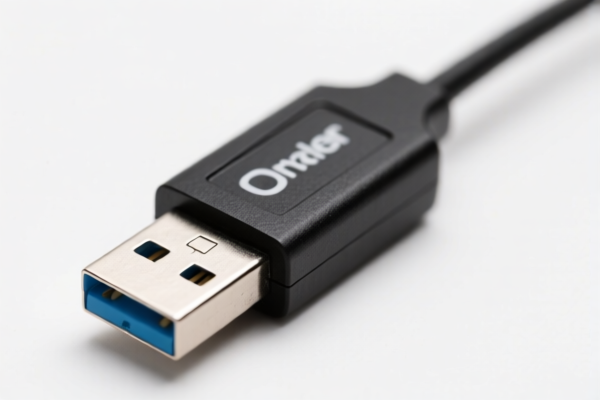
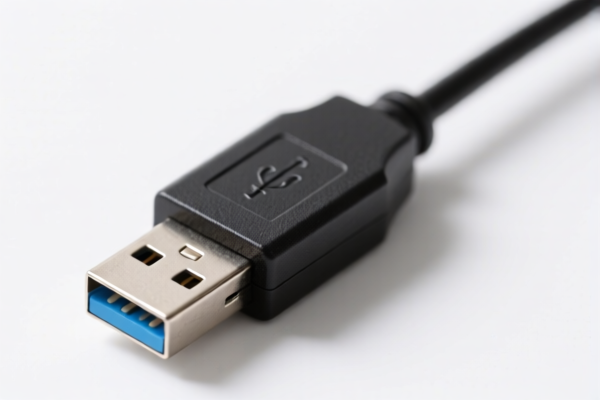
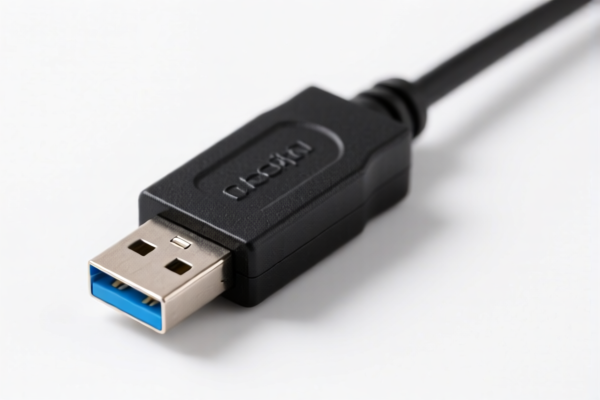
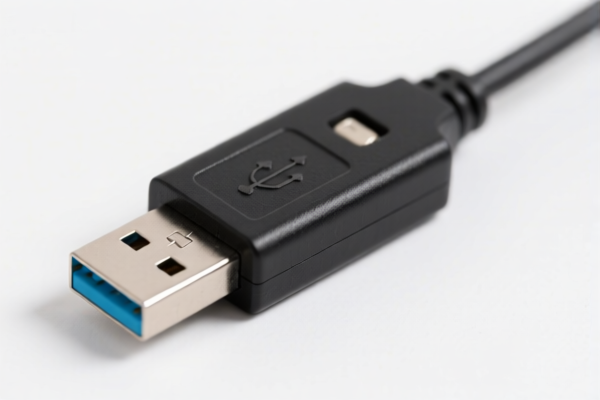
AI Analysis
🔌 USB Isolator: The Digital Firewall for Your Data
🌐 HS Code Reference & Customs Clearance Guide | 2024 Latest Tariff Analysis | Professional Strategy for High-Tariff Commodities
📌 I. Product Definition & Classification: What Exactly is a USB Isolator?
A USB Isolator is a specialized electronic device designed to break galvanic connections (ground loops) between two USB ports. Its core function is electrical isolation, protecting sensitive data lines and power supplies from voltage spikes, noise, and ground potential differences.
In international trade, its classification hinges on its internal circuitry and primary function:
* Is it a simple connector? → Classified under Electrical Accessories (8536).
* Is it a signal processor? → Classified under Signal Processing Devices (8543).
* Is it an integrated circuit/board? → Classified under Semiconductor/ICs (8542).
⚠️ Critical Distinction:
- If it primarily acts as a protective plug/socket → 8536 Series
- If it actively processes/conditions signals via isolation technology → 8543 Series
- If it is essentially a bare circuit board/module → 8542 Series
📦 II. HS Code Classification Matrix (2024 Authorized Tariff Data)
Based on the provided customs data, here are the five possible classifications for USB Isolators, ranging from low-risk to high-risk tariff structures.
| HS Code | Product Description | Functional Logic | Risk Level |
|---|---|---|---|
8543.70.60.00 |
Electronic Signal Processing Apparatus | Devices specifically for data transmission isolation. Fits the definition of specialized signal processing. | ⭐ LOWEST (Best Option) |
8543.70.98.60 |
Other Machines & Apparatus | General electronic signal processing devices where no specific "data transmission" sub-category applies. | ⭐⭐ LOW |
8536.30.80.00 |
Circuit Connection & Protection Devices | Functions as a protective device for circuits, similar to fuses or switches. | ⭐⭐ LOW |
8542.39.00.90 |
Integrated Circuits & Electronic Modules | Treated as a generic electronic circuit component containing ICs and signal processing components. | ⭐⭐⭐ HIGH |
8536.90.85.85 |
Electrical Switches/Protection Circuits | Classified broadly as electrical protective equipment, often including metal components (steel/aluminum/copper). | ⭐⭐⭐⭐ CRITICAL |
💰 III. Detailed Tariff Analysis (2024 Customs Data)
✅ Scope: United States Import
✅ Origin: China (Subject to Section 301 & 122 Tariffs)
✅ Data Source: Provided Internal Customs Database
🎯 1. The "Golden Ticket": 8543.70.60.00
Definition: USB Isolator belonging to electronic signal processing apparatus, used for electrical isolation in data transmission, conforming to specific functional logic.
| Item | Detail |
|---|---|
| Base Tariff | 0.0% |
| Section 301 Add-on | 25.0% |
| Section 122 Tariff | 10.0% |
| Total Effective Rate | 35.0% |
| Why This Code? | This is the most favorable classification. It recognizes the device as a specialized signal processing tool rather than a generic electrical component. |
📌 Expert Note:
This code avoids the high "Electrical Parts" surcharges. Ensure your product description emphasizes "Data Transmission Isolation" and "Signal Processing" to justify this classification.
🎯 2. The "Fallback Option": 8543.70.98.60
Definition: USB Isolator belonging to electronic signal processing apparatus, core function is circuit isolation, conforming to the definition of other machines and apparatus.
| Item | Detail |
|---|---|
| Base Tariff | 2.6% |
| Section 301 Add-on | 25.0% |
| Section 122 Tariff | 10.0% |
| Total Effective Rate | 37.6% |
| Why This Code? | Used if the device doesn't strictly fit the "data transmission" sub-category of 8543.70.60 but is still considered a machine/apparatus. |
📌 Expert Note:
The 2.6% base tariff adds minimal cost. The 35% total is still significantly lower than the IC or Electrical Accessory classifications.
🎯 3. The "Protective Device" Option: 8536.30.80.00
Definition: USB Isolator belonging to circuit connection and protection devices, function conforming to the use description of circuit connection or protection equipment.
| Item | Detail |
|---|---|
| Base Tariff | 0.0% |
| Section 301 Add-on | 25.0% |
| Section 122 Tariff | 10.0% |
| Total Effective Rate | 35.0% |
| Why This Code? | Positions the isolator as a "protection device" (like a fuse or breaker) rather than a signal processor. |
📌 Expert Note:
Competitive rate (35%). However, Customs may challenge this if the device has active signal conditioning circuits, pushing it back to 8543.
🎯 4. The "Expensive Component" Trap: 8542.39.00.90
Definition: USB Isolator belongs to electronic circuit products, containing integrated circuits and signal processing components, conforming to electronic integrated circuit attributes.
| Item | Detail |
|---|---|
| Base Tariff | 0.0% |
| Section 301 Add-on | 50.0% |
| Section 122 Tariff | 10.0% |
| Total Effective Rate | 60.0% |
| Why This Code? | If Customs views the isolator primarily as an IC assembly or bare board, it falls under Semiconductors/Electronic ICs. |
📌 Warning:
60% Tariff! This is a punitive classification. Avoid this by ensuring the product is declared as a "finished isolator device" rather than "circuit modules" or "ICs."
🎯 5. The "Danger Zone": 8536.90.85.85
Definition: USB Isolator belongs to circuit protection and signal isolation equipment, function conforms to the use definition of electrical switches or protective circuits. Includes steel, aluminum, copper products.
| Item | Detail |
|---|---|
| Base Tariff | 0.0% |
| Section 301 Add-on | 25.0% |
| Section 122 Tariff | 10.0% |
| Metal Content Surcharge | 50.0% (for Steel/Aluminum/Copper) |
| Total Effective Rate | 85.0% |
| Why This Code? | Classified as generic electrical accessories with significant metal content. The metal surcharge is devastating. |
📌 CRITICAL WARNING:
85% Tariff! This is the worst-case scenario. It treats the USB Isolator as a simple electrical fitting. Avoid this at all costs by emphasizing the electronic/processing nature over the mechanical/metal nature.
🛠️ IV. Customs Clearance Practical Advice (Actionable Strategy)
✅ 1. Strategic Classification Recommendation
| Priority | HS Code | Total Tax | Strategy |
|---|---|---|---|
| 🥇 Best | 8543.70.60.00 |
35.0% | Declare as "Digital USB Signal Isolator for Data Transmission." Emphasize the processing function. |
| 🥈 Alternative | 8536.30.80.00 |
35.0% | Declare as "Circuit Protection Device for USB Interfaces." Focus on safety/protection. |
| 🥉 Backup | 8543.70.98.60 |
37.6% | Use if the above two are challenged. |
| 🚫 AVOID | 8536.90.85.85 |
85.0% | Do NOT declare as "Electrical Plug" or "Metal Connector." |
| 🚫 AVOID | 8542.39.00.90 |
60.0% | Do NOT declare as "IC" or "Circuit Board." |
✅ 2. Document Preparation Checklist
To support the preferred HS Codes (8543 or 8536), prepare the following:
| Document | Requirement | Purpose |
|---|---|---|
| Technical Datasheet | Must highlight "Galvanic Isolation," "Signal Conditioning," "Noise Reduction." | Proves function is electronic processing, not just mechanical connection. |
| Internal Diagram | Show optocouplers or digital isolators inside. | Distinguishes from simple metal plugs (8536.90). |
| Bill of Materials (BOM) | List components but emphasize the assembly as a complete unit. | Prevents classification as bare ICs (8542). |
| Product Photos | Clear view of USB ports, casing, and labels. | Shows it's a finished good, not a component. |
| Commercial Invoice | Description: "USB Isolator - Electronic Device for Electrical Isolation in Data Transmission Systems." | Aligns wording with HS Code 8543.70.60.00. |
✅ 3. Key Phrases for Customs Declaration
📝 Recommended Declaration Text:
"USB Isolator, Electronic Signal Processing Device, 5V DC, 480Mbps Max, Functions to Provide Galvanic Isolation for Data Transmission, Model: [XYZ], Origin: China."❌ Forbidden Phrases:
- "USB Plug"
- "Metal Adapter"
- "Circuit Board"
- "IC Chip"
🌍 V. Global Market Context & Tariff Comparison
| Market | Recommended HS Code | Est. Total Tariff (China Origin) | Notes |
|---|---|---|---|
| 🇺🇸 USA | 8543.70.60.00 |
35.0% | Includes Section 301 (25%) + Section 122 (10%). Lowest risk. |
| 🇨🇳 China | 8543.70.60.00 |
~0-5% | No Section 301. Low import tax for re-export or domestic use. |
| 🇪🇺 EU | 8543.70.60.00 |
0-2% | Generally low tariffs for electronics. No Section 301/122 equivalents. |
| 🇬🇧 UK | 8543.70.60.00 |
0-2% | Post-Brexit standards apply, but base tariffs remain low. |
📌 Conclusion:
The USA is the only major market where HS Code selection drastically impacts profitability (35% vs. 85%).
EU/UK/Asia: Tariffs are stable and low, so the risk is lower, but consistency is still key.
📌 VI. Common Pitfalls & Blood Lessons
❌ Pitfall 1: Declaring as "USB Cable" or "Connector"
👉 Result: Customs may reclassify under 8544 or 8536.90, leading to 85% tariff if metal content is flagged.
👉 Fix: Always emphasize "Electronic Device" and "Isolation."
❌ Pitfall 2: Shipping as "Circuit Modules" (Duty Pallets)
👉 Result: Classified as 8542 (ICs), triggering 60% tariff.
👉 Fix: Ship as finished goods with packaging and user manuals.
❌ Pitfall 3: Ignoring Section 122 Tariffs
👉 Result: Even if you secure 35% base rate, forgetting to declare the 10% Section 122 tariff correctly can cause delays.
👉 Fix: Ensure HTS code matches the specific 10-digit code that accounts for Section 122.
🎯 VII. Final Verdict: How to Pass Customs Smoothly
- Primary Classification: Aim for
8543.70.60.00.- Rate: 35% Total.
- Logic: It is a signal processing device for data transmission.
- Secondary Classification: If challenged, fall back to
8536.30.80.00.- Rate: 35% Total.
- Logic: It is a circuit protection device.
- Avoid:
8536.90.85.85(85%) and8542.39.00.90(60%).
🔥 Golden Rule:
"Is it a Plug? No. It's a Processor. Declare it as Electronics, not Hardware."
📌 Pro Tip:
Before shipping a large batch, request a US Customs Ruling Letter for your specific model number. This provides legal certainty for the 35% rate and protects you from audits.
📣 Immediate Action Plan:
1. Update your Product Description to: "USB Digital Isolator for Data Transmission."
2. Check your Bill of Materials to ensure no "bare IC" labeling.
3. File Customs Entry under 8543.70.60.00.
4. Budget for 35% Total Duty (25% Section 301 + 10% Section 122).
✨ Smart Classification Saves 50% in Duties!
💼 Don't let "Metal" define your "Technology."
Customer Reviews
About HS Code Classification
The Harmonized System (HS) is an internationally standardized nomenclature developed by the World Customs Organization (WCO) to classify traded products. Over 200 countries use the HS system as the basis for customs tariffs, trade statistics, and import/export regulations.
Each HS code follows a hierarchical structure:
- Chapter (2 digits) — Broad category of goods (e.g., Chapter 84: Machinery and Mechanical Appliances)
- Heading (4 digits) — More specific grouping within the chapter
- Subheading (6 digits) — Internationally standardized breakdown, used by all WCO member countries
- National subdivisions (8-10 digits) — Country-specific extensions for further classification, such as US HTSUS 10-digit codes
Correct HS code classification is essential for smooth customs clearance, accurate duty payment, and compliance with trade regulations. Misclassification can lead to customs delays, overpayment of duties, or penalties.
When importing from CN to US, the applicable tariff rates may include:
- Most-Favored-Nation (MFN) rate — The standard duty rate applied to WTO members
- General rate — Applied to countries without trade agreements
- Trade remedy duties — Additional tariffs such as Section 301 (anti-dumping), Section 232 (national security), or countervailing duties
The information provided on this page is for reference purposes only. For official classification, please consult with your local customs authority or a licensed customs broker.