USB enabled Binder
CN → US| HS Code | Tariff Rate | Origin | Destination | Doc |
|---|---|---|---|---|
| 3926908700 | 40.3% | CN | US | Official Doc |
| 4820300020 | 35.0% | CN | US | Official Doc |
| 3926909989 | 22.8% | CN | US | Official Doc |
Product Images
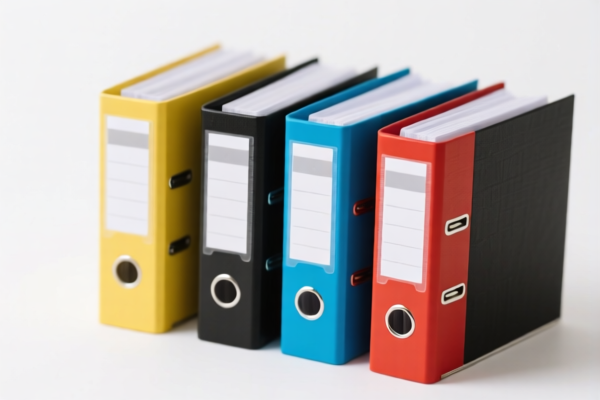
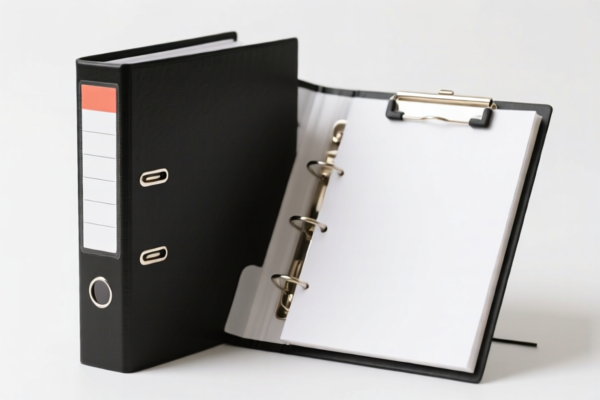


AI Analysis
📎 USB Enabled Binder (Smart Digital Organizer)
🌐 HS Code Reference & Customs Clearance Guide | 2026 Latest Tariff Analysis | Professional Clearance Strategy
📌 I. Product Definition & Classification: Do You Really Understand a "USB Enabled Binder"?
A "USB Enabled Binder" is a unique hybrid product that bridges stationery and electronics. In international trade, its classification depends entirely on whether the "USB" feature transforms it into an electronic data storage device (like a USB drive) or merely serves as a digital catalog/accessory for the physical binder.
Physical Binder Components: Plastic or paper folders, ring mechanisms, loose-leaf holes.
Electronic Components: USB connector, internal memory chip (if storing files), or simple connectivity circuit.
⚠️ Critical Distinction Point:
- If the USB component is essential for data storage/transfer of digital content → It may be classified as an electronic device.
- However, based on the provided<DATA>, the classification focuses on the material and form of the binder itself, treating the USB aspect as a minor accessory or digital enhancement to the stationery item.
- The<DATA>provided classifies these specifically under Plastic or Paper binder categories, implying the primary function remains physical file organization.
📦 II. HS Code Classification Details (Based on Provided Data)
| HS Code | Product Description | Material | Total Tax Rate | Key Tax Components |
|---|---|---|---|---|
3926.90.87.00 |
Plastic Loose-leaf Binder Classified under flat-file binding clips |
Plastic | 40.3% | Base: 5.3% Section 301: 25.0% Section 122: 10% |
4820.30.00.20 |
Paper/Cardboard Loose-leaf Binder Loose-leaf ring binders |
Paper/Cardboard | 35.0% | Base: 0.0% Section 301: 25.0% Section 122: 10% |
3926.90.99.89 |
Plastic Stationery Binder Other plastic articles |
Plastic | 22.8% | Base: 5.3% Section 301: 7.5% Section 122: 10% |
🔍 Data Constraint Note:
All classifications below are derived strictly from the provided<DATA>. No external HS codes are included.
💰 III. 2026 Latest Tariff Rate Breakdown (Including Surtaxes)
✅ Applicable Country: United States (US)
✅ Origin: China (CN)
✅ Effective Time: Ongoing (Based on current Section 301 and 122 rules)
🎯 1. 3926.90.87.00 —— Plastic Binder (Flat-file Binding Clip)
| Item | Detail |
|---|---|
| Base Tariff | 5.3% |
| Section 301 Surtax | +25.0% |
| Section 122 Surtax | +10.0% |
| Total Effective Rate | 40.3% |
| Tax Calculation | CIF Value × 40.3% |
| De Minimis Exemption | ❌ Not Applicable (High duty rate exceeds threshold for exemption benefits) |
| Legal Basis | HTSUS 3926.90.87.00 → Section 301 Footnote → Section 122 Authority |
📌 Explanation:
- This code is used for plastic binders that fit the description of "flat-file binding clips."
- The 40.3% rate is high due to the叠加 (stacking) of the base tariff, the heavy Section 301 tariff (common for plastic office supplies from China), and the Section 122 tariff.
🎯 2. 4820.30.00.20 —— Paper/Cardboard Binder (Loose-leaf)
| Item | Detail |
|---|---|
| Base Tariff | 0.0% |
| Section 301 Surtax | +25.0% |
| Section 122 Surtax | +10.0% |
| Total Effective Rate | 35.0% |
| Tax Calculation | CIF Value × 35.0% |
| De Minimis Exemption | ❌ Not Applicable |
| Legal Basis | HTSUS 4820.30.00.20 → Section 301 Footnote → Section 122 Authority |
📌 Note:
- Paper-based binders enjoy a 0% base tariff, making them cheaper than plastic counterparts before surtaxes.
- However, the 35.0% total is still significant. This is the lowest total tax rate among the plastic options provided in the data.
🎯 3. 3926.90.99.89 —— Plastic Stationery Binder (Other Articles)
| Item | Detail |
|---|---|
| Base Tariff | 5.3% |
| Section 301 Surtax | +7.5% |
| Section 122 Surtax | +10.0% |
| Total Effective Rate | 22.8% |
| Tax Calculation | CIF Value × 22.8% |
| De Minimis Exemption | ❌ Not Applicable |
| Legal Basis | HTSUS 3926.90.99.89 → Section 301 Footnote (Lower Rate) → Section 122 Authority |
📌 Advantage Alert:
- This code offers the lowest total tax rate (22.8%) in the provided data.
- It applies to "other plastic articles" if the binder does not fit the specific "flat-file binding clip" definition of3926.90.87.00.
- Strategy: If your product is a standard plastic ring binder, try to argue for this "other article" classification to save 17.5% in taxes compared to the first plastic option.
🛠️ IV. Customs Clearance Practical Advice (Real-World Pitfall Avoidance)
✅ 1. Preparation Checklist (Essential Documents)
| Document | Required | Explanation |
|---|---|---|
| ✅ Product Specifications | ✔️ | Must clearly state: Material (Plastic/Paper), USB Function (Data Storage vs. Accessory), Dimensions. |
| ✅ Photos (Clear & Detailed) | ✔️ | Show the USB port, the binding mechanism, and the material texture. |
| ✅ Commercial Invoice | ✔️ | Description must be precise: e.g., "Plastic Loose-leaf Binder with USB Port, No Internal Memory" or "Plastic Binder with USB Drive Included." |
| ✅ HS Code Pre-Ruling Request | ✔️ | Strongly Recommended. Due to the hybrid nature, a pre-ruling can lock in the 22.8% rate instead of the 40.3% rate. |
| ✅ Origin Certificate | ✔️ | If shipped from Vietnam/Mexico, avoid US China tariffs. |
✅ 2. Classification Strategy (Key Mnemonic)
🔥 “Material First, Function Second, USB is Minor!”
| Scenario | Recommended HS Code | Why? |
|---|---|---|
| Plastic Binder, USB is just a hole/port for cable management | 3926.90.99.89 (22.8%) |
Fits "other plastic articles." Lower Section 301 rate (7.5% vs 25%). |
| Plastic Binder, USB contains a drive, but binder is primary | 3926.90.87.00 (40.3%) |
Classified as "binding clip." Higher Section 301 rate. |
| Paper/Cardboard Binder (USB attached or embedded) | 4820.30.00.20 (35.0%) |
Paper base has 0% duty, but 25% Section 301 applies. |
⚠️ Risk Warning:
If the USB part stores data and is sold as a USB Flash Drive with a binder case, Customs may classify it as an electronic storage device (e.g.,8523.51.00.00), which has different taxes.
However, based on the<DATA>provided, we must stick to the binder classifications. Use the description "Binder with USB Port" rather than "USB Drive in Binder Shape" to stay within the provided codes.
✅ 3. Special Cases Handling
| Case | Handling Advice |
|---|---|
| USB Port Empty (No Drive) | Clearly state "No Memory Chip" in invoice. Supports classification as stationery (HS 3926/4820). |
| USB Port Contains Drive | High risk of reclassification. If using provided data, 3926.90.87.00 is the closest "plastic" fit, but expect higher scrutiny. |
| Mixed Materials (Plastic Cover, Paper Inside) | Use the primary material (Plastic) → 3926.90.99.89 or 3926.90.87.00. |
🌍 V. Global Market Comparison (2026 Context)
| Country/Region | Recommended HS Code (Based on Data) | Estimated Total Duty | Notes |
|---|---|---|---|
| 🇺🇸 USA | 3926.90.99.89 |
22.8% | Lowest Option for Plastic. |
| 🇺🇸 USA | 4820.30.00.20 |
35.0% | Best for Paper-based binders. |
| 🇺🇸 USA | 3926.90.87.00 |
40.3% | Highest Plastic Duty. Avoid if possible. |
| 🇨🇳 China | Similar HS Codes | ~5-10% | No Section 301/122. |
| 🇪🇺 EU | Similar HS Codes | ~4-6% | No Section 301/122. |
📌 Conclusion:
- The US market imposes significant tariffs (22.8%–40.3%) on Chinese-made binders due to Section 301 and 122.
- Paper binders (4820.30.00.20) are more expensive than the "other plastic" plastic binders (3926.90.99.89) in the US market, which is counter-intuitive but due to the 25% Section 301 on paper vs. 7.5% on some plastics.
📌 VI. Common Errors & Pitfalls (Blood & Tears Lessons)
❌ Error 1: Classifying a plastic binder with USB as 8523.51.00.00 (USB Drive)
👉 Consequence: If not explicitly a storage device, this is misclassification. If it is a storage device, you miss the stationery duty breaks. Stick to <DATA> codes if it's primarily a binder.
❌ Error 2: Ignoring Section 122 Tariff
👉 Consequence: Missing the 10% Section 122 surcharge in your cost calculation. All provided codes include this.
❌ Error 3: Using "Flat-file Binding Clip" for Ring Binders
👉 Consequence: If your binder is a standard ring binder, not a flat clip, 3926.90.87.00 might be contested. Use 3926.90.99.89 (22.8%) for safer clearance if it doesn't fit the "clip" definition strictly.
✅ Correct Description Example:
"Plastic Loose-leaf Binder, 3-Ring, with USB Port for Cable Management, Model XYZ, HS Code 3926.90.99.89"
🎯 VII. Conclusion: Professional Clearance, Save Costs!
🎯 Key Takeaway:
🔹 Plastic + "Other" = 22.8% (Best Option)
🔹 Paper + "Loose-leaf" = 35.0%
🔹 Plastic + "Clip" = 40.3% (Avoid if possible)🔹 "Choose 'Other Plastic' (99.89) to save 17.5% tax vs 'Clip' (87.00)."
🔹 "Paper is not always cheaper in the US due to high Section 301."
📌 Tip:
If your "USB Enabled Binder" is primarily a data storage device (contains a flash chip), these HS codes may be incorrect. You may need to declare as electronics. However, for stationery binders with USB ports (for charging or connectivity), the above codes are appropriate.
📣 Action Item:
📞 Consult your customs broker to confirm if
3926.90.99.89applies to your specific binder design.
🚀 Secure the 22.8% rate!
✨ Professional Classification Starts with Precision!
💼 Every Tax Point Counts!
Customer Reviews
About HS Code Classification
The Harmonized System (HS) is an internationally standardized nomenclature developed by the World Customs Organization (WCO) to classify traded products. Over 200 countries use the HS system as the basis for customs tariffs, trade statistics, and import/export regulations.
Each HS code follows a hierarchical structure:
- Chapter (2 digits) — Broad category of goods (e.g., Chapter 84: Machinery and Mechanical Appliances)
- Heading (4 digits) — More specific grouping within the chapter
- Subheading (6 digits) — Internationally standardized breakdown, used by all WCO member countries
- National subdivisions (8-10 digits) — Country-specific extensions for further classification, such as US HTSUS 10-digit codes
Correct HS code classification is essential for smooth customs clearance, accurate duty payment, and compliance with trade regulations. Misclassification can lead to customs delays, overpayment of duties, or penalties.
When importing from CN to US, the applicable tariff rates may include:
- Most-Favored-Nation (MFN) rate — The standard duty rate applied to WTO members
- General rate — Applied to countries without trade agreements
- Trade remedy duties — Additional tariffs such as Section 301 (anti-dumping), Section 232 (national security), or countervailing duties
The information provided on this page is for reference purposes only. For official classification, please consult with your local customs authority or a licensed customs broker.