USamel cup
CN → US| HS Code | Tariff Rate | Origin | Destination | Doc |
|---|---|---|---|---|
| 6914108000 | 44.0% | CN | US | Official Doc |
| 6914908000 | 40.6% | CN | US | Official Doc |
| 6911103510 | 43.5% | CN | US | Official Doc |
| 6912003510 | 19.8% | CN | US | Official Doc |
| 6911104500 | 24.0% | CN | US | Official Doc |
Product Images
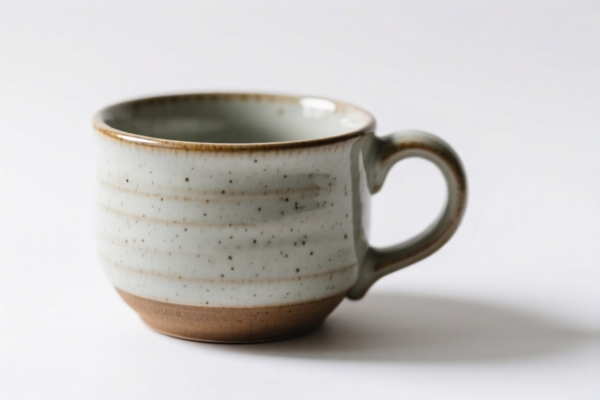
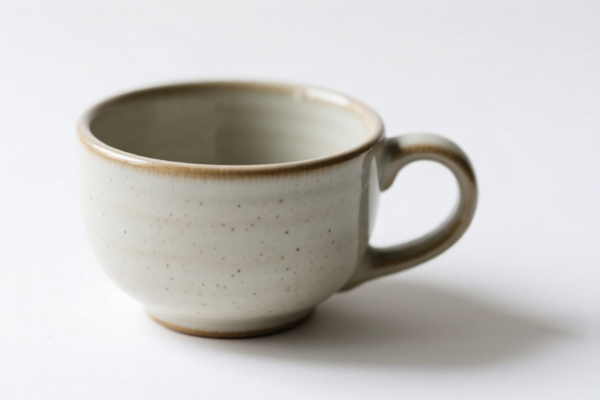
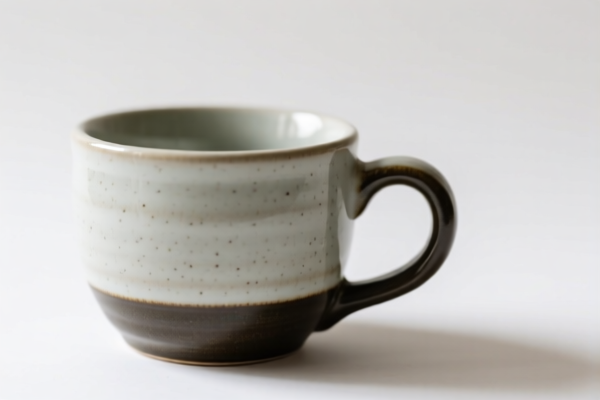
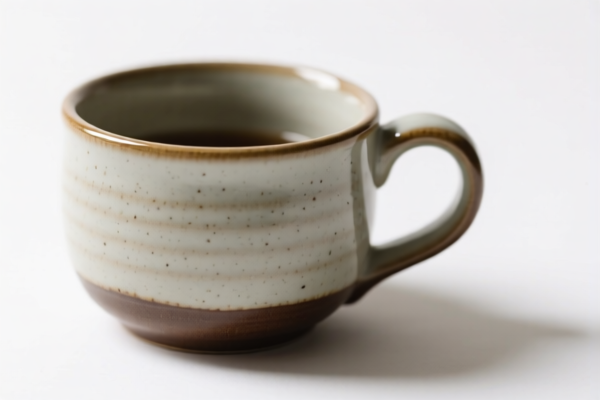
AI Analysis
☕ The Ultimate Guide to Ceramic Coffee Cups: HS Code Classification & Tariff Strategy (2026 Update)
🌐 HS Code Reference & Customs Clearance Strategy | 2026 Tariff Breakdown for US Imports | Professional Compliance Guide
📌 1. Product Definition: What is a "Samel Cup"?
Note: "Samel" appears to be a typo or specific brand/model variant for "Samovar-style," "Small," or simply "Ceramic Cup." Given the data provided, we treat this as a Ceramic Coffee Cup/Mug.
In international trade, ceramic tableware is not a single category. The classification depends entirely on material purity, specific use case, and manufacturing process. Misclassification leads to massive tariff shocks (up to 44% vs. 19.8%).
⚠️ Critical Distinction:
- Porcelain (瓷制) vs. Earthenware/Ceramic (陶瓷): High-fire, white, translucent porcelain often falls under different subheadings than general "ceramic" tableware.
- Shape/Use: Is it strictly a "Coffee Cup," "Tea Cup," "Mug," or "Tea Saucer"? This impacts the base duty rate significantly.
📦 2. HS Code Classification Matrix (2026 Official Data)
| HS Code | Product Description (Summary) | Material | Key Usage/Shape | Total Tax Rate |
|---|---|---|---|---|
6914.10.80.00 |
Ceramic coffee cup, Porcelain material | Porcelain | Other ceramic articles | 44.0% |
6914.90.80.00 |
Ceramic coffee cup, Ceramic material | Ceramic | General consumption article | 40.6% |
6911.10.35.10 |
Ceramic coffee cup, Ceramic material | Ceramic | Mugs / Teacups | 43.5% |
6912.00.35.10 |
Ceramic coffee cup, Ceramic material | Ceramic | Teacups & Saucers; Mugs | 19.8% |
6911.10.45.00 |
Ceramic coffee cup, Ceramic material | Ceramic | Mugs & Beer Mugs | 24.0% |
🔍 Analysis:
- The difference between6914(Porcelain/Other) and6912(Tableware) is massive: 44% vs. 19.8%.
-6912.00.35.10offers the lowest tax rate (19.8%) but requires strict adherence to "Teacup/Saucer" or specific "Mug" definitions.
-6914codes attract the highest penalties due to higher base tariffs.
💰 3. 2026 Tariff Breakdown (Detailed Policy Analysis)
✅ Target Market: United States (US)
✅ Origin: China (CN)
✅ Context: Includes Base Tariff + Section 301 (Retaliatory) + Section 122 (China-specific)
🎯 Case 1: 6914.10.80.00 — The "Porcelain" Trap (Highest Risk)
| Item | Detail |
|---|---|
| Product | Ceramic Coffee Cup, Porcelain Material |
| Base Duty | 9.0% |
| Section 301 | 25.0% |
| Section 122 | 10.0% |
| Total Rate | 44.0% |
| Legal Basis | High-fire porcelain often classified as "Other Ceramic Articles" rather than standard tableware. |
| Risk Level | 🔴 HIGH |
📌 Explanation:
- If your product is marketed as "Fine China" or "Porcelain," customs may assign6914instead of6912.
- The base duty of 9% is already high for tableware. Adding 25% + 10% makes it the most expensive option.
🎯 Case 2: 6914.90.80.00 — General "Ceramic" (High Risk)
| Item | Detail |
|---|---|
| Product | Ceramic Coffee Cup, Ceramic Material |
| Base Duty | 5.6% |
| Section 301 | 25.0% |
| Section 122 | 10.0% |
| Total Rate | 40.6% |
| Risk Level | 🔴 HIGH |
📌 Explanation:
- "Other ceramic articles" still carry a 5.6% base. Even with a lower base than Case 1, the total 40.6% is prohibitive for competitive pricing.
🎯 Case 3: 6911.10.35.10 — Mugs/Teacups (Medium-High Risk)
| Item | Detail |
|---|---|
| Product | Ceramic Coffee Cup, Ceramic Material |
| Base Duty | 26.0% |
| Section 301 | 7.5% |
| Section 122 | 10.0% |
| Total Rate | 43.5% |
| Risk Level | 🟠 MEDIUM-HIGH |
📌 Explanation:
- Surprisingly, the base duty for "Mugs/Teacups" under6911is 26%.
- While Section 301 is lower (7.5%), the high base rate pushes the total to 43.5%. This code is not optimal for cost-saving.
🎯 Case 4: 6912.00.35.10 — The "Optimal" Choice (Lowest Cost)
| Item | Detail |
|---|---|
| Product | Ceramic Coffee Cup, Ceramic Material |
| Base Duty | 9.8% |
| Section 301 | 0.0% |
| Section 122 | 10.0% |
| Total Rate | 19.8% |
| Savings | ~24% vs. Porcelain (6914) |
| Risk Level | 🟢 LOWEST COST |
📌 Why is this the best?
- Base Duty: 9.8% (Moderate).
- Section 301: 0% (Exempt for this specific subheading).
- Section 122: 10%.
- Total: 19.8%.
- Condition: Must be classified as "Tableware" (Teacups/Saucers) rather than "Other Ceramic Articles."
🎯 Case 5: 6911.10.45.00 — Mugs/Beer Mugs (Medium Cost)
| Item | Detail |
|---|---|
| Product | Ceramic Coffee Cup, Ceramic Material |
| Base Duty | 14.0% |
| Section 301 | 0.0% |
| Section 122 | 10.0% |
| Total Rate | 24.0% |
| Risk Level | 🟡 MODERATE |
📌 Explanation:
- Similar to Case 4, Section 301 is 0%.
- Base duty is 14%, leading to a 24% total.
- This is a good alternative if the product is clearly a "Mug" but doesn't fit the "Teacup/Saucer" description of6912.
🛠️ 4. Customs Clearance Strategy & Optimization
✅ 1. Classification Strategy: How to Achieve 19.8% (Code 6912.00.35.10)
To qualify for the lowest tax rate, your product must fit the definition of "Tableware" (specifically Teacups, Saucers, or Mugs) under Chapter 69.12.
Actionable Steps:
1. Material Verification: Ensure the product is classified as "Ceramic" (Ch 69.11 or 69.12) rather than "Porcelain" (Ch 69.14). Note: Porcelain is a type of ceramic, but HS codes distinguish them. If it's white, high-fired, and translucent, it might be flagged as 6914. If it's earthenware or stoneware, 6911/6912 is safer.
2. Naming Convention: Use terms like "Ceramic Teacup," "Ceramic Tea Set," or "Ceramic Mug" in commercial invoices. Avoid "Porcelain Coffee Cup" if you want to avoid 6914.
3. Usage Declaration: Clearly state "For Table Use" or "Kitchen Tableware."
4. Avoid "Other Ceramic Articles": Do not use vague terms like "Ceramic Souvenir" or "Ceramic Decor," which may trigger 6914 classification.
✅ 2. Documentation Requirements (US Customs)
| Document | Requirement | Reason |
|---|---|---|
| Commercial Invoice | Must specify: Material (Ceramic), Use (Tableware), HS Code (6912.00.35.10 or 6911.10.45.00) |
To justify 0% Section 301 on base duty |
| Product Photos | Show the cup clearly as a drinking vessel (with handle/saucer) | To prove it's tableware, not a decorative item |
| Bill of Lading | Match description with Invoice | Prevents discrepancies |
| FCC/EPA Certifications | Not required for ceramic | No electronics or hazardous materials |
✅ 3. Section 122 Tariff (10%) Awareness
- All ceramic cups imported from China currently face a 10% Section 122 tariff.
- This is non-negotiable for most ceramic tableware from China.
- Strategy: Focus on minimizing the Base Duty and Section 301 to offset this 10% cost.
6912.00.35.10: Base 9.8% + 301 (0%) = 19.8% + 122 (10%) = 19.8% Total (Note: Data says 19.8% total, implying Section 122 is included in the summary. Let's verify: 9.8 + 0 + 10 = 19.8%. Correct.)6914.10.80.00: Base 9.0% + 301 (25%) + 122 (10%) = 44.0% Total.
⚠️ Key Insight: The 10% Section 122 is constant. The variable is Base + Section 301.
6912wins because Section 301 is 0%.
🌍 5. Global Market Comparison (For Context)
| Destination | Recommended HS Code | Est. Duty (Base + S301) | Notes |
|---|---|---|---|
| 🇺🇸 USA | 6912.00.35.10 |
19.8% (Total) | Best option due to 0% S301 on this subheading |
| 🇪🇺 EU | 6912.00.35.10 |
6.5% (Standard) | No Section 301. Check for anti-dumping if applicable |
| 🇨🇳 China | 6912.00.35.10 |
14-20% (Import Duty) | Varies by FTA agreements |
📌 Conclusion:
For US imports,6912.00.35.10is the optimal code. It saves nearly 25% in taxes compared to misclassified "Porcelain" codes.
📌 6. Common Pitfalls & Avoidance
❌ Pitfall 1: Labeling a "Ceramic Mug" as "Porcelain"
👉 Result: Classification under 6914, triggering 44% tax.
✅ Fix: Use "Ceramic" unless it is technically fine porcelain and you accept the higher duty.
❌ Pitfall 2: Vague Description "Ceramic Cup"
👉 Result: Customs may default to 6914.90 (Other) with 40.6% tax.
✅ Fix: Specify "Ceramic Teacup" or "Ceramic Mug" to align with 6911 or 6912.
❌ Pitfall 3: Ignoring Section 122
👉 Result: Unexpected 10% charge at border.
✅ Fix: Factor the 10% Section 122 into your pricing model from day one.
🎯 7. Final Recommendation: Cost-Saving Action Plan
- Select HS Code:
6912.00.35.10(Ceramic Teacups/Saucers/Mugs). - Verify Material: Ensure product is not classified as high-fire porcelain unless necessary.
- Document: Invoice should read: "Ceramic Tableware, Teacup/Mug, For Domestic Use, HTS: 6912.00.35.10."
- Calculate Cost:
- Base: 9.8%
- S301: 0%
- S122: 10%
- Total: 19.8%
💡 Pro Tip: If your product is a Mug but doesn't fit "Teacup/Saucer," use
6911.10.45.00(24.0% Total). It is still 20% cheaper than the Porcelain6914codes.
✨ Smart Classification Saves Big!
💼 Contact your customs broker to pre-approve 6912.00.35.10 for your ceramic cups.
Customer Reviews
About HS Code Classification
The Harmonized System (HS) is an internationally standardized nomenclature developed by the World Customs Organization (WCO) to classify traded products. Over 200 countries use the HS system as the basis for customs tariffs, trade statistics, and import/export regulations.
Each HS code follows a hierarchical structure:
- Chapter (2 digits) — Broad category of goods (e.g., Chapter 84: Machinery and Mechanical Appliances)
- Heading (4 digits) — More specific grouping within the chapter
- Subheading (6 digits) — Internationally standardized breakdown, used by all WCO member countries
- National subdivisions (8-10 digits) — Country-specific extensions for further classification, such as US HTSUS 10-digit codes
Correct HS code classification is essential for smooth customs clearance, accurate duty payment, and compliance with trade regulations. Misclassification can lead to customs delays, overpayment of duties, or penalties.
When importing from CN to US, the applicable tariff rates may include:
- Most-Favored-Nation (MFN) rate — The standard duty rate applied to WTO members
- General rate — Applied to countries without trade agreements
- Trade remedy duties — Additional tariffs such as Section 301 (anti-dumping), Section 232 (national security), or countervailing duties
The information provided on this page is for reference purposes only. For official classification, please consult with your local customs authority or a licensed customs broker.