UV Disinfection Device
CN → US| HS Code | Tariff Rate | Origin | Destination | Doc |
|---|---|---|---|---|
| 8419200020 | 10.0% | CN | US | Official Doc |
| 8419200010 | 10.0% | CN | US | Official Doc |
| 9018200040 | 35.0% | CN | US | Official Doc |
| 9018200080 | 35.0% | CN | US | Official Doc |
| 8543708900 | 17.5% | CN | US | Official Doc |
Product Images
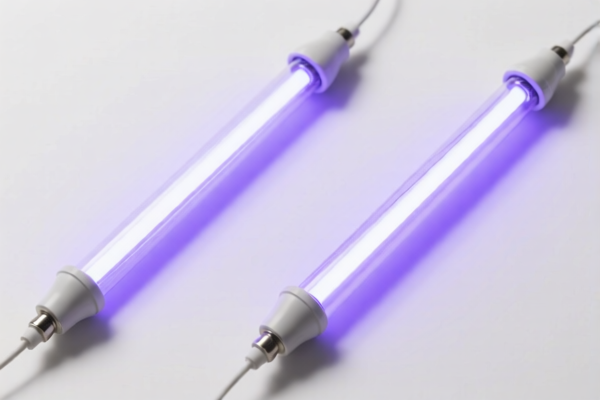
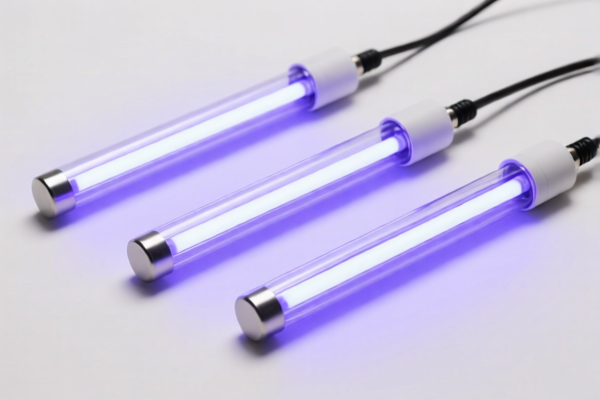
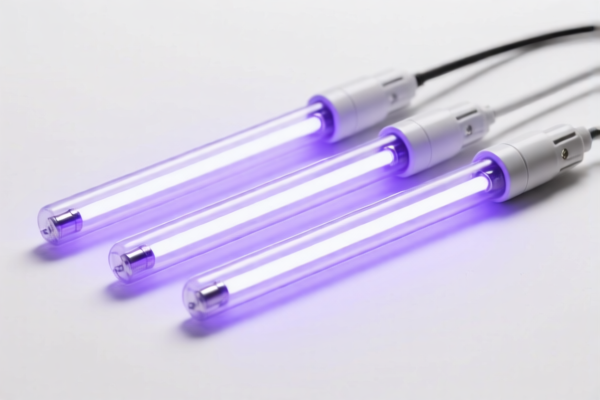
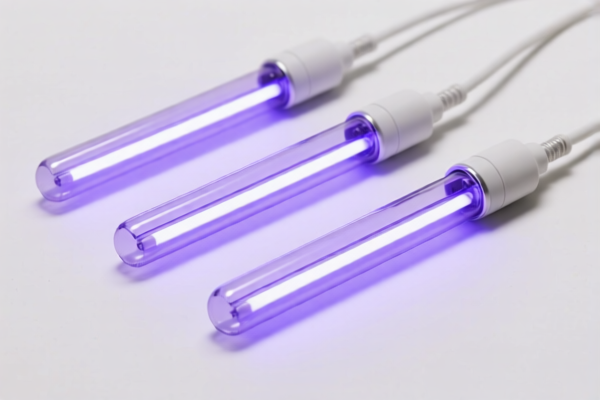
AI Analysis
☀️ UV Disinfection Device (Ultraviolet Sterilizer)
🌐 HS Code Reference & Customs Clearance Guide | 2026 Latest Tariff Analysis | Professional Clearance Strategy
📌 I. Product Definition & Classification: Do You Truly Understand "UV Disinfection"?
The UV Disinfection Device is a specialized equipment used to kill bacteria, viruses, and other pathogens using ultraviolet (UV-C) radiation. In international trade, its classification is critical because it depends entirely on its intended use and physical characteristics.
It is broadly divided into three categories:
- Industrial/Laboratory Process Equipment: Used for treating materials, water, or surfaces in manufacturing or lab settings. Classified under Chapter 84 (Nuclear Reactors, Boilers, Machinery).
- Medical/Light Therapy Devices: Used for human treatment, medical sterilization, or as a therapeutic light source. Classified under Chapter 90 (Optical, Photographic, Cinematographic, Medical, Surgical Instruments).
- General Purpose/Dumbfound Equipment: Used where no specific optical or medical definition fits. Classified under Chapter 85 (Electrical Machinery).
⚠️ Key Distinction Point:
- If it is used for industrial sterilization (e.g., water treatment, surface disinfection in factories) → Chapter 84.
- If it is used for medical therapy or human exposure (e.g., hospital wards, cosmetic therapy, medical lamps) → Chapter 90.
- If it is a general-purpose electrical device without specific optical/medical designation → Chapter 85.
📦 II. HS Code Classification Details (2026 Latest Tariff Authority Comparison)
Based on the provided data, here are the possible HS Codes and their corresponding tax details. Note that the total tax rate varies significantly based on the specific sub-heading chosen.
| HS Code | Product Description | Application Scenario | Total Tax Rate | Tax Breakdown (Detail) |
|---|---|---|---|---|
8419.20.00.20 |
UV Sterilizer for Disinfection (Sterilization) | Industrial/Lab Use: Fits the definition of machinery for treating materials via UV radiation. | 10.0% | Base: 0.0% Additional: 0.0% Section 301 (122 Clause): 10% |
8419.20.00.10 |
UV Sterilizer/Device for Disinfection (Sterilization) | Industrial/Material Processing: Fits the definition of sterilizing equipment for material temperature/physical processing. | 10.0% | Base: 0.0% Additional: 0.0% Section 301 (122 Clause): 10% |
9018.20.00.40 |
UV Disinfection Device for Disinfection/Treatment | Medical/Light Therapy: Classified as an UV ray device for therapeutic purposes. | 35.0% | Base: 0.0% Additional: 25.0% (Section 301) Section 301 (122 Clause): 10% |
9018.20.00.80 |
UV Disinfection Device as UV Ray Equipment | General Optical/UV Device: Classified under other UV/IR ray equipment. | 35.0% | Base: 0.0% Additional: 25.0% (Section 301) Section 301 (122 Clause): 10% |
8543.70.89.00 |
Disinfection Device (Catch-all Category) | General Electrical: No conflict with electronic readers; fits as other electrical apparatus. | 17.5% | Base: 0.0% Additional: 7.5% (Section 301) Section 301 (122 Clause): 10% |
🔍 Critical Reminder:
- Industrial Use (8419) is the most cost-effective option (10% total tax).
- Medical/Therapeutic Use (9018) incurs the highest duty (35% total tax due to higher Section 301 rate).
- General Use (8543) is a middle ground (17.5% total tax).
- Misclassification Risk: Declaring a medical device as industrial equipment to save taxes can lead to severe penalties.
💰 III. 2026 Latest Tariff Rate Detailed Explanation (Including Additional Taxes)
✅ Applicable Country: USA (US)
✅ Origin: China (CN)
✅ Effective Time: Current rates apply as per 2026 regulations.
🎯 1. 8419.20.00.20 / 8419.20.00.10 —— Industrial/Laboratory UV Sterilizers
| Item | Content |
|---|---|
| Base Duty Rate | 0% (ad valorem) |
| Section 301 Additional Duty | 0% (Note: Specific footnote may apply, but base rate is low) |
| Section 122 Clause (USITC) | +10% |
| Total Effective Duty | 10.0% |
| Tax Calculation | CIF Value × 10% |
| De Minimis Exemption | ❌ Not Applicable (De minimis does not apply to Section 301 duties for most B2B shipments) |
| Legal Basis Path | HTSUS:8419.20.00 → USITC:122 Clause |
📌 Explanation:
- These codes fall under Chapter 84, which generally has lower base duties for machinery. - The 10% total tax is composed entirely of the Section 122 Clause tariff. - This is the optimal classification for industrial water purifiers, surface disinfection cabinets, or lab sterilizers.
🎯 2. 9018.20.00.40 / 9018.20.00.80 —— Medical/Therapeutic UV Devices
| Item | Content |
|---|---|
| Base Duty Rate | 0% |
| Section 301 Additional Duty | +25% |
| Section 122 Clause (USITC) | +10% |
| Total Effective Duty | 35.0% |
| Tax Calculation | CIF Value × 35% |
| De Minimis Exemption | ❌ Not Applicable |
| Legal Basis Path | HTSUS:9018.20.00 → USITC:Footnote 9903.88.01 (implied high rate) → Section 122 |
📌 Explanation:
- These codes fall under Chapter 90 (Medical/Optical). - They are subject to the highest Section 301 rate (25%) plus the Section 122 rate (10%). - Total 35% is significantly higher than industrial equipment. - Warning: If your device is used for human therapy (e.g., tanning beds, medical UV lamps), you must use these codes. Misdeclaring as industrial equipment to save 25% is a major compliance risk.
🎯 3. 8543.70.89.00 —— General Purpose Disinfection Equipment
| Item | Content |
|---|---|
| Base Duty Rate | 0% |
| Section 301 Additional Duty | +7.5% |
| Section 122 Clause (USITC) | +10% |
| Total Effective Duty | 17.5% |
| Tax Calculation | CIF Value × 17.5% |
| De Minimis Exemption | ❌ Not Applicable |
| Legal Basis Path | HTSUS:8543.70.89 → USITC:Footnote → Section 122 |
📌 Explanation:
- This is a catch-all for electrical machines not specified elsewhere. - It is suitable for general-purpose UV air purifiers or non-medical, non-industrial specific disinfection units. - Total 17.5% is a moderate option if the device doesn’t strictly fit industrial machinery definitions.
🛠️ IV. Customs Clearance Practical Advice (Real-World Pitfall Guide)
✅ 1. Document Checklist (None of the Above Can Be Skipped)
| Document | Required | Explanation |
|---|---|---|
| ✅ Product Specification Sheet | ✔️ | Must clearly state intended use (Industrial vs. Medical). |
| ✅ User Manual | ✔️ | If the manual mentions "treatment," "therapy," or "human exposure," it forces classification into Chapter 90. |
| ✅ Technical Drawing | ✔️ | To prove it is a machine (Chapter 84) vs. a medical apparatus (Chapter 90). |
| ✅ Certificate of Origin | ✔️ | Critical for determining Section 301 applicability. |
| ✅ Commercial Invoice | ✔️ | Must match the HS Code description exactly (e.g., "Industrial UV Sterilizer" vs. "Medical UV Lamp"). |
| ✅ FCC Certification | ✔️ | Required for all electronic devices emitting electromagnetic waves. |
| ✅ FDA Registration (If Medical) | ✔️ | CRITICAL: If classified under 9018, you likely need FDA registration. Importing without it leads to seizure. |
✅ 2. Declaration Tips (Key Mantras)
🔥 "Match Use to Code: Industrial=84, Medical=90, General=85!"
| Scenario | Correct Declaration | Wrong Declaration | Consequence |
|---|---|---|---|
| Industrial Water Sterilizer | 8419.20.00.20 (10%) |
9018.20.00.40 (35%) |
Overpaying taxes unnecessarily. |
| Hospital UV Therapy Lamp | 9018.20.00.40 (35%) |
8419.20.00.20 (10%) |
Seizure, Fine, and FDA Violation. |
| Office Air Purifier with UV | 8543.70.89.00 (17.5%) |
9018.20.00.80 (35%) |
Overpaying taxes unnecessarily. |
| "UV Light" (Vague) | ❌ Do Not Use | N/A | Customs will reclassify and impose penalties. |
✅ 3. Special Situation Handling
| Situation | Handling Advice |
|---|---|
| Dual-Use Device (e.g., UV light used in a lab and for surface cleaning) | Provide evidence of primary industrial use. If 50% medical, lean towards Chapter 90 to avoid risk. |
| OEM Customized Device | Submit End-User Statement specifying the facility type (Hospital vs. Factory). |
| Importing for Resale | Market both Industrial and Medical versions separately with different HS Codes. Do not mix them in one shipment. |
| FDA Requirement | If the device claims to kill viruses on human skin or in a medical setting, FDA pre-market notification (510k) is likely required before customs release. |
🌍 V. Global Market Comparison (2026 Latest)
| Country/Region | Recommended HS Code | Duty Rate (China Origin) | Certification Requirement | Notes |
|---|---|---|---|---|
| 🇺🇸 USA | 8419.20.00.20 (Industrial) |
10% | FCC | Best for Industrial. Avoid 9018 unless medical. |
| 🇺🇸 USA | 9018.20.00.40 (Medical) |
35% | FCC + FDA | High Cost. Strict FDA enforcement. |
| 🇨🇳 China | 8419.20.00.00 |
0%~5% | CCC | Lower impact of US tariffs. |
| 🇪🇺 EU | 8419.20.00 |
0% | CE + RoHS | No Section 301 equivalent. |
| 🇯🇵 Japan | 8419.89.90 |
0%~2.8% | PSE | Competitive market. |
📌 Conclusion:
- The US market is the most challenging due to the Section 122 and Section 301 combined duties. - Industrial classification (8419) saves 25% in tariffs compared to medical classification (9018). - Compliance is Key: Never falsely declare a medical device as industrial. The FDA and CBP (Customs and Border Protection) cross-check data.
📌 VI. Common Mistakes & Pitfall Guide (Lessons Learned)
❌ Mistake 1: Using generic terms like "UV Lamp" or "Disinfectant" in the commercial invoice.
👉 Consequence: Customs will assign a default code, often the highest duty rate, or request a mandatory HTSUS opinion.
❌ Mistake 2: Declaring a Medical UV Device as Industrial (8419) to save 25% tax.
👉 Consequence: FDA seizure, fines up to $100,000 per day, and potential criminal charges for false declaration.
❌ Mistake 3: Ignoring the Section 122 Clause (10%).
👉 Consequence: Underpayment of duties. Even if the base rate is 0%, the 10% is mandatory for Chinese-origin goods in many categories.
❌ Mistake 4: Not providing End-User Documentation.
👉 Consequence: Customs cannot determine if it's industrial or medical. They may hold the cargo for weeks for clarification.
✅ Correct Approach:
"Industrial Water Sterilizer, Model XYZ, for Factory Use, FCC Certified" →
8419.20.00.20(10%)
"Medical UV Therapy Lamp, Model ABC, for Hospital Use, FDA Registered, FCC Certified" →9018.20.00.40(35%)
🎯 VII. Conclusion: Professional Declaration Saves Money!
🎯 Remember the Mantra:
🔹 "Industrial = 8419 (10%), Medical = 9018 (35%), General = 8543 (17.5%)."
🔹 "Match the Use, Not the Light."
🔹 "False Declaration = Seizure + Fines."
📌 Pro Tip:
If your UV device can be used in both industrial and medical settings, consider manufacturing two different models with distinct naming, manuals, and certifications. This allows you to legally choose the lower-tariff classification for the industrial version.
📣 Immediate Action:
📞 Contact a Customs Broker: Provide your product's technical manual and intended use case.
🚀 Apply for an Advance Ruling (If Available): To get official confirmation of the HS Code before shipment.
💼 Ensure FDA Compliance: If targeting the medical market, start FDA registration early.
✨ Professional Clearance Starts with Accurate Classification!
💼 Every percent of duty saved is pure profit!
Customer Reviews
About HS Code Classification
The Harmonized System (HS) is an internationally standardized nomenclature developed by the World Customs Organization (WCO) to classify traded products. Over 200 countries use the HS system as the basis for customs tariffs, trade statistics, and import/export regulations.
Each HS code follows a hierarchical structure:
- Chapter (2 digits) — Broad category of goods (e.g., Chapter 84: Machinery and Mechanical Appliances)
- Heading (4 digits) — More specific grouping within the chapter
- Subheading (6 digits) — Internationally standardized breakdown, used by all WCO member countries
- National subdivisions (8-10 digits) — Country-specific extensions for further classification, such as US HTSUS 10-digit codes
Correct HS code classification is essential for smooth customs clearance, accurate duty payment, and compliance with trade regulations. Misclassification can lead to customs delays, overpayment of duties, or penalties.
When importing from CN to US, the applicable tariff rates may include:
- Most-Favored-Nation (MFN) rate — The standard duty rate applied to WTO members
- General rate — Applied to countries without trade agreements
- Trade remedy duties — Additional tariffs such as Section 301 (anti-dumping), Section 232 (national security), or countervailing duties
The information provided on this page is for reference purposes only. For official classification, please consult with your local customs authority or a licensed customs broker.