Ukulele Toy
CN → US| HS Code | Tariff Rate | Origin | Destination | Doc |
|---|---|---|---|---|
| 9503000073 | 10.0% | CN | US | Official Doc |
| 9503000071 | 10.0% | CN | US | Official Doc |
| 9202904000 | 26.2% | CN | US | Official Doc |
| 9202906000 | 14.6% | CN | US | Official Doc |
| 9207900080 | 22.5% | CN | US | Official Doc |
| 9207900040 | 22.5% | CN | US | Official Doc |
Product Images
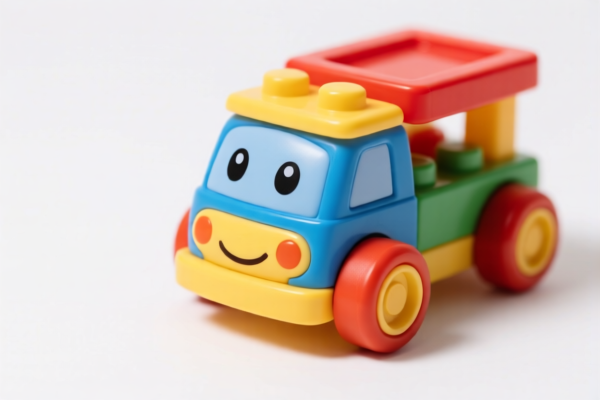
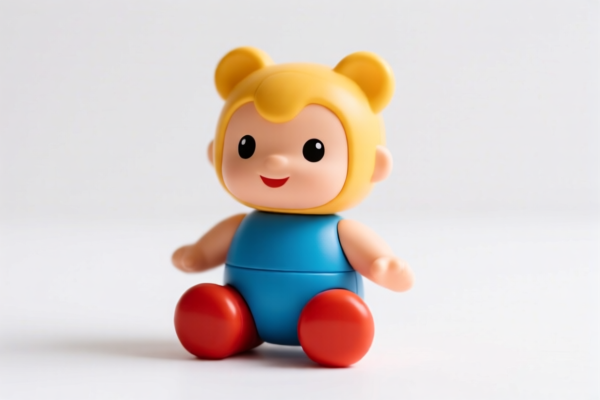
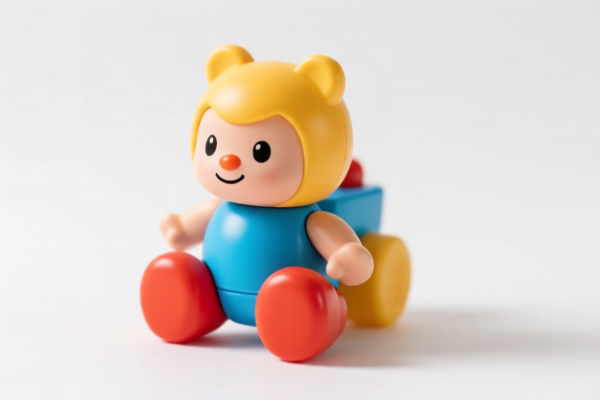
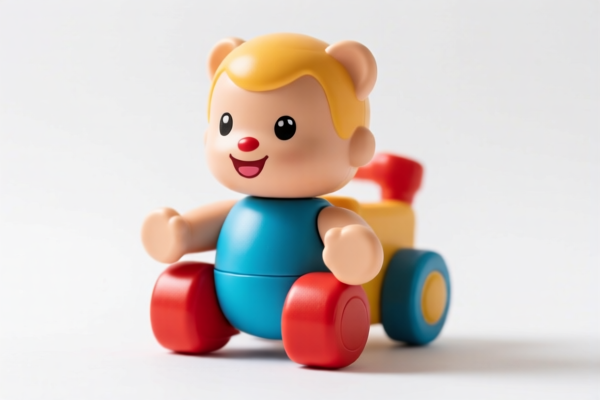
AI Analysis
🎸 Ukulele Toy (Toys: Musical Instruments)
🌐 HS Code Reference & Clearance Guide | 2026 Latest Tariff Analysis | Professional Customs Strategy
📌 I. Product Definition & Classification: Is it a Musical Instrument or a Toy?
A "Ukulele Toy" is a miniature, simplified, or durable plastic version of a ukulele intended primarily for entertainment by children rather than professional or serious musical performance. In international trade, the distinction between a musical instrument (Chapter 92) and a toy (Chapter 95) is critical because the tariff rates differ significantly.
Key Distinction Points: * Toy Ukulele (Chapter 95): Designed for play, often made of plastic, wood composite, or non-wood materials, lacking professional tonal quality. Intended for persons under 14 years old. * Musical Instrument Ukulele (Chapter 92): Designed for actual musical production, made of wood or professional materials, capable of producing distinct musical tones.
⚠️ Critical Customs Insight:
- If the item is labeled/determined as intended for children (Under 3 or 3-12 years), it generally falls under HS Code 9503.
- If it is a professional-grade wooden ukulele even if small, it may fall under HS Code 9202, but customs often challenge this if the build quality suggests it is a toy.
- Electric Toys: If the toy produces sound electrically (e.g., electronic buttons), it may fall under HS Code 9207.
📦 II. HS Code Classification Details (2026 Latest Tariff Authority)
Based on the provided dataset, here are the relevant classifications for a "Ukulele Toy," categorized by material and functionality.
| HS Code | Product Description | Applicable Scenario | Material/Type |
|---|---|---|---|
9503.00.00.71 |
Other Toys: For persons UNDER 3 years of age | Soft plush ukuleles, durable plastic shapes, no sharp edges | Non-musical / Sensory Toy |
9503.00.00.73 |
Other Toys: For persons 3 to 12 years of age | Standard plastic/wooden toy ukuleles, basic string toys for kids | Toy / Play Instrument |
9202.90.40.00 |
String Instruments: Guitars (including Ukuleles): Other | Professional wooden ukuleles/guitars not classified as toys | Real Musical Instrument |
9202.90.60.00 |
String Instruments: Other | Rarely used for ukuleles unless non-standard string instrument | Professional String Instrument |
9207.90.00.40 |
Electric Musical Instruments: Fretted stringed instruments | Electronic toy ukuleles that plug in or have battery-powered speakers | Electric/Fretted Toy |
9207.90.00.80 |
Electric Musical Instruments: Other | Electronic ukuleles that are not fretted (rare for ukuleles) | Electric Non-fretted |
🔍 Focus Recommendation:
- For 90% of "Ukulele Toys," the correct classification is9503.00.00.73(if for ages 3-12) or9503.00.00.71(if for under 3).
- Misclassification Risk: Declaring a plastic toy ukulele as a "Wooden Guitar" under9202.90.40.00to avoid higher taxes is a common but risky error. US Customs (CBP) scrutinizes materials and construction.
💰 III. 2026 Latest Tariff Rate Breakdown (Detailed Tax Clauses)
✅ Applicable Country: United States (US)
✅ Origin: China (CN)
✅ Effective Date: Current rates apply based on Section 301 and IEEPA provisions.
🎯 1. 9503.00.00.73 —— Toy Ukulele (Ages 3-12) & 9503.00.00.71 —— Toy Ukulele (Under 3)
These are the most likely codes for a "Ukulele Toy."
| Item | Content |
|---|---|
| Base Tariff | 0.0% (ad valorem) |
| Additional Tariff (Section 301) | 0.0% |
| Total Tariff | 0.0% |
| Tax Calculation | CIF Value × 0% = $0 |
| De Minimis Eligibility | ✅ Yes (If value <$800, may enter duty-free under Section 321) |
| Legal Basis | HTSUS 9503.00.00.71/73; No specific footnotes adding tariff for these subheadings in the provided data. |
📌 Explanation:
- Toys generally enjoy zero tariffs in the provided dataset.
- Crucial: Unlike many electronics or steel products, toys in this category are NOT subject to the 7.5% or 10% additional tariffs listed for other items (like guitars under 9202).
- Benefit: This is the most cost-effective classification for toy ukuleles.
🎯 2. 9202.90.40.00 —— Guitars/Ukuleles (Misclassified as Instruments)
If customs determines the "toy" is actually a musical instrument (e.g., real wood, tuned to pitch, sold in music stores):
| Item | Content |
|---|---|
| Base Tariff | 8.7% |
| Additional Tariff (Section 301) | 7.5% |
| Total Tariff | 16.2% |
| Tax Calculation | CIF Value × 16.2% |
| De Minimis Eligibility | ❌ No (Section 321 exclusions often apply to wooden instruments) |
| Legal Basis | HTSUS 9202.90.40.00; Footnote applies to "Other string musical instruments." |
⚠️ Warning:
- If you declare a plastic toy ukulele as a9202.90.40.00instrument, you will pay 16.2%.
- If you correctly declare it as a9503.00.00.73toy, you pay 0%.
- Risk: If customs reclassifies it later as an instrument due to "realism," you face back-taxes + penalties.
🎯 3. 9207.90.00.40 —— Electric Fretted Stringed Instruments (Electronic Toy)
If the ukulele is electronic (e.g., lights up, plays recorded sounds):
| Item | Content |
|---|---|
| Base Tariff | 0.0% |
| Additional Tariff | 0.0% |
| Total Tariff | 0.0% |
| Tax Calculation | CIF Value × 0% |
| Legal Basis | HTSUS 9207.90.00.40 |
📌 Note: Electronic fretted instruments (even toys if classified here) are 0%. However, ensure it truly qualifies as a "musical instrument" under Chapter 92. If it's a simple button toy,
9503is safer.
🛠️ IV. Clearance Practical Advice (Avoid Pitfalls)
✅ 1. Preparation Checklist
| Document | Required? | Notes |
|---|---|---|
| Product Photos | ✅ Yes | Show size, material (plastic/wood), strings, and packaging. |
| Age Labeling | ✅ Yes | Must clearly state "For ages 3+" or "Under 3" on package. |
| Material Declaration | ✅ Yes | Specify "Plastic," "ABS," "Plywood," etc. Avoid "Wooden Instrument" for toys. |
| Commercial Invoice | ✅ Yes | Describe as "Plastic Toy Ukulele, Not a Musical Instrument." |
| CPSC Certificate | ✅ Yes (US) | For toys under 12, a Children’s Product Certificate (CPC) is mandatory. |
✅ 2. Declaration Strategy (Key Rules)
🔥 “Toy Declaration, Not Instrument!”
| Scenario | Correct Declaration | Incorrect Declaration |
|---|---|---|
| Plastic kid’s ukulele | "Toy Ukulele, Plastic, For Children 3+" → 9503.00.00.73 |
"Wooden Guitar" → 9202.90.40.00 (16.2% tax) |
| Electronic light-up ukulele | "Electronic Toy Ukulele" → 9503.00.00.73 |
"Electric Musical Instrument" → 9207.90.00.80 (12.5% tax) |
| Real wooden ukulele for kids | "Wooden Ukulele, Musical Instrument" → 9202.90.40.00 |
"Toy" → 9503 (Risk of penalty if it’s a real instrument) |
✅ 3. Special Case Handling
| Case | Handling Advice |
|---|---|
| Mixed Containers | If shipping toys + real instruments, separate them in the Packer List. Do not mix descriptions. |
| OEM/Private Label | Ensure the label matches the HS code. If the toy has "Professional Grade" written on it, customs may reclassify it as an instrument. |
| CPSC Compliance | For 9503 toys, CPC (Children’s Product Certificate) is required. Without it, goods will be held at US ports. |
🌍 V. Global Market Comparison (2026)
| Country/Region | Recommended HS Code | Tariff Rate | Certification | Notes |
|---|---|---|---|---|
| 🇺🇸 USA | 9503.00.00.73 |
0% | CPSC CPC | Best for Toys. Avoid 9202 due to 16.2% tax. |
| 🇨🇳 China | 9503.00.00.73 |
0% | CCC (if electric) | No import duty on toys. |
| 🇪🇺 EU | 9503.00.00.00 |
0% | CE / EN71 | Strict safety standards for toys. |
| 🇬🇧 UK | 9503.00.00.00 |
0% | UKCA / EN71 | Post-Brexit, still 0% for toys. |
📌 Conclusion:
- The US market offers 0% tariff for toy ukuleles if correctly classified under Chapter 95.
- Misclassifying as Chapter 92 (Instrument) results in 16.2% tax.
- Always prioritize the "Toy" classification for plastic/kid’s versions.
📌 VI. Common Errors & Pitfalls (Lessons Learned)
❌ Error 1: Declaring a plastic toy ukulele as a "Wooden Guitar" to avoid toy labeling rules.
👉 Result: Customs detects material mismatch → Reclassification to 9202.90.40.00 → 16.2% Tax + Penalty.
❌ Error 2: Omitting "For Children Under 12" on the commercial invoice.
👉 Result: Customs cannot determine 9503.00.00.71 vs 73 → Delay in Release.
❌ Error 3: Missing CPSC Certificate for US-bound toys.
👉 Result: Detained at US Port → Return to exporter or destruction.
❌ Error 4: Using "Musical Instrument" in the product name for a toy.
👉 Result: Raises red flag for customs → Increased Inspection Rate.
✅ Correct Practice:
"Plastic Toy Ukulele, Colorful, No Sharp Edges, Suitable for Ages 3+, Model TK-101, CPC Compliant"
🎯 VII. Conclusion: Professional Declaration, Zero Tax, Smooth Clearance!
🎯 Remember the Golden Rule:
🔹 "Toy = 0% Tax. Instrument = 16.2% Tax."
🔹 "Plastic/Small = Toy. Wood/Large = Instrument."
🔹 "Always label 'For Children' to qualify for Toy HS Codes."
📌 Pro Tip:
If your ukulele has electronic features (lights/sounds), still try to classify under
9503.00.00.73(Electronic Toy) rather than9207(Electric Instrument) unless it produces real musical tones. This keeps the tax at 0%.
📣 Action Item:
📞 Verify Material: Is it plastic or wood?
📞 Check Age Label: Does it say "For Kids"?
📞 Apply CPC: Essential for US Toy Imports.
🚀 Declare as Toy → Save 16.2% → Clear Customs Fast!
✨ Professional Customs, From Precise Classification Starts!
💼 Every Dollar Saved is Pure Profit!
Customer Reviews
About HS Code Classification
The Harmonized System (HS) is an internationally standardized nomenclature developed by the World Customs Organization (WCO) to classify traded products. Over 200 countries use the HS system as the basis for customs tariffs, trade statistics, and import/export regulations.
Each HS code follows a hierarchical structure:
- Chapter (2 digits) — Broad category of goods (e.g., Chapter 84: Machinery and Mechanical Appliances)
- Heading (4 digits) — More specific grouping within the chapter
- Subheading (6 digits) — Internationally standardized breakdown, used by all WCO member countries
- National subdivisions (8-10 digits) — Country-specific extensions for further classification, such as US HTSUS 10-digit codes
Correct HS code classification is essential for smooth customs clearance, accurate duty payment, and compliance with trade regulations. Misclassification can lead to customs delays, overpayment of duties, or penalties.
When importing from CN to US, the applicable tariff rates may include:
- Most-Favored-Nation (MFN) rate — The standard duty rate applied to WTO members
- General rate — Applied to countries without trade agreements
- Trade remedy duties — Additional tariffs such as Section 301 (anti-dumping), Section 232 (national security), or countervailing duties
The information provided on this page is for reference purposes only. For official classification, please consult with your local customs authority or a licensed customs broker.