Un dyed Raw Fox Fur (Unassembled)
CN → US| HS Code | Tariff Rate | Origin | Destination | Doc |
|---|---|---|---|---|
| 4301603000 | 22.6% | CN | US | Official Doc |
| 4301606000 | 17.5% | CN | US | Official Doc |
| 4302191500 | 40.6% | CN | US | Official Doc |
| 4302193030 | 36.5% | CN | US | Official Doc |
| 4301603000 | 22.6% | CN | US | Official Doc |
Product Images
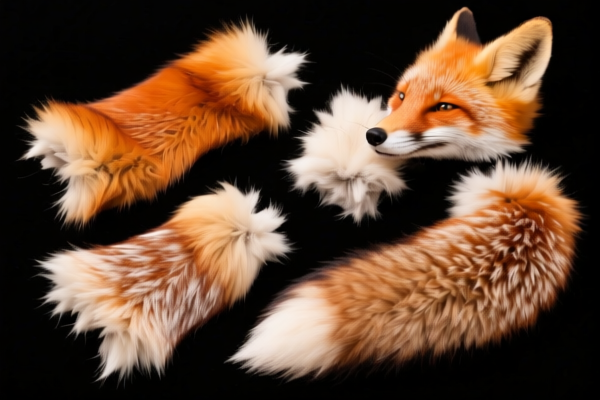
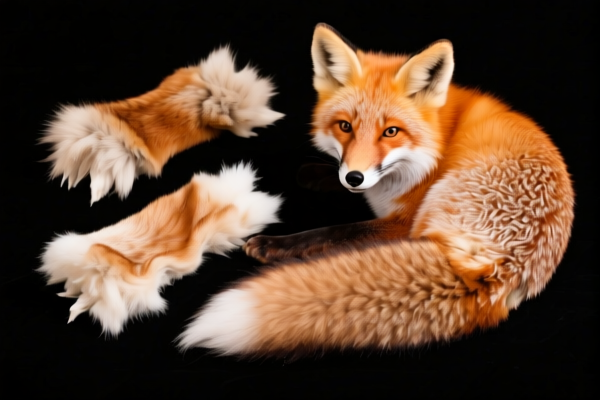

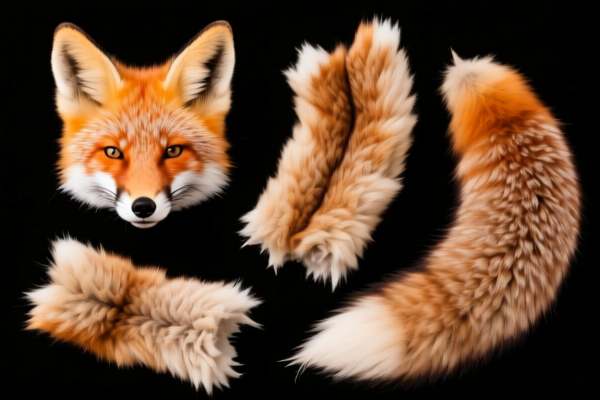
AI Analysis
🦊 Raw Fox Fur (Unassembled, Undyed)
🌐 HS Code Reference & Customs Clearance Guide | 2026 Latest Tariff Analysis | Professional Entry Strategy for Undyed Raw Fox Fur
📌 Part 1: Product Definition & Classification: Do You Really Understand "Raw Fox Fur"?
Raw Fox Fur refers to the skin of foxes, harvested and preserved but not yet dyed, processed into garments, or assembled. In international trade, the classification depends heavily on the state of preparation (raw/gray vs. tanned/stuffed) and the specific sub-species (e.g., Silver Fox).
Key Distinction Points: - Raw/Gray Skins (未染色原皮): Skins that are salted or dried, retaining natural hair, not tanned or dyed. These fall under Chapter 43.01. - Tanned/Stuffed Skins (已鞣制/已缝制): Skins that have been processed for leather use or are ready for sewing into garments. These fall under Chapter 43.02. - Silver Fox (银狐): A specific high-value variety often subject to stricter duty calculations due to its premium status.
⚠️ Critical Classification Rule:
- If the fur is UNDYED and in its RAW STATE (not tanned/dyed) → Chapter 4301
- If the fur is DYED/TANNED or READY FOR GARMENT → Chapter 4302
- Silver Fox varieties may have specific sub-heading requirements under 4302.19.
📦 Part 2: HS Code Classification Details (2026 Latest Tariff Authority Comparison)
Based on the provided data for Unassembled, Undyed Raw Fox Fur, here are the exact HS Codes and their corresponding tax implications:
| HS Code | Product Description | Key Characteristics | Status |
|---|---|---|---|
4301.60.30.00 |
Undyed Raw Fox Fur Skins, unassembled, conforming to raw skin classification features | Natural color, salted/dried, no dye, not tanned | ✅ Raw/Undyed |
4301.60.60.00 |
Undyed Raw Fox Fur Skins, unassembled, conforming to primary raw skin features | Basic raw state, minimal processing | ✅ Raw/Undyed |
4302.19.15.00 |
Silver Fox Skins, unassembled, meeting specific variety and unassembled requirements | High-value Silver Fox, potentially tanned or specific raw form | ⚠️ Specific Variety |
4302.19.30.30 |
Fox Fur Skins, unassembled, conforming to fox species and unassembled classification features | General fox fur, likely tanned or processed slightly beyond raw state | ⚠️ Processed/Specific |
4301.60.30.00 |
Undyed Fox Fur Skins, unassembled, conforming to fox raw material and form description | Duplicate entry for raw, undyed fox fur | ✅ Raw/Undyed |
🔍 Important Reminder:
-4301.60series applies to UNDYED RAW skins.
-4302.19series applies to TANNED OR FURTHER PROCESSED skins (even if unassembled).
- Misclassification Risk: Declaring a tanned skin as "raw" (4301) when it is actually processed (4302) can lead to penalties. Conversely, declaring raw as 4302 incurs unnecessary duties.
💰 Part 3: 2026 Latest Tariff Rate Breakdown (Including Additional Duties & Policy Surcharges)
✅ Applicable Country: United States (US)
✅ Origin: China (CN)
✅ Effective Time: As per current trade regulations (Section 301 & IEEPA)
🎯 1. 4301.60.30.00 & 4301.60.60.00 —— Undyed Raw Fox Fur (Raw State)
| Item | Content |
|---|---|
| Basic Tariff | 0.0% – 5.1% (Ad Valorem) |
| Section 301 Surcharge (Additional Duty) | +7.5% |
| Section 122 Surcharge | +10% |
| Total Effective Tax Rate | 17.5% – 22.6% |
| Tax Calculation | CIF Value × Total Rate |
| De Minimis Eligibility | ❌ NOT Eligible (Fur products are generally excluded from Section 321 de minimis benefits due to biosecurity and trade restrictions) |
| Legal Basis Path | HTSUS:4301.60.30.00 → Section 301: Footnote 9903.88.01 → Section 122: IEEPA |
📌 Explanation:
- For4301.60.30.00: Basic duty 5.1% + 7.5% (Sec 301) + 10% (Sec 122) = 22.6%
- For4301.60.60.00: Basic duty 0.0% + 7.5% (Sec 301) + 10% (Sec 122) = 17.5%
- These rates apply to raw, undyed skins. If the fur is dyed or tanned, it moves to 4302 with higher duties.
🎯 2. 4302.19.15.00 —— Silver Fox Skins (Unassembled, Specific Variety)
| Item | Content |
|---|---|
| Basic Tariff | 5.6% (Ad Valorem) |
| Section 301 Surcharge (Additional Duty) | +25.0% |
| Section 122 Surcharge | +10% |
| Total Effective Tax Rate | 40.6% |
| Tax Calculation | CIF Value × 40.6% |
| De Minimis Eligibility | ❌ NOT Eligible |
| Legal Basis Path | HTSUS:4302.19.15.00 → Section 301: Footnote 9903.88.01 → Section 122: IEEPA |
📌 Note:
- Silver Fox is a premium product. The higher basic duty (5.6%) combined with the 25% Section 301 surcharge (not 7.5%) results in a significantly higher total tax of 40.6%.
- This applies to Silver Fox specifically. Other fox furs may fall under different 4302 subheadings.
🎯 3. 4302.19.30.30 —— Fox Fur Skins (Unassembled, General Fox)
| Item | Content |
|---|---|
| Basic Tariff | 1.5% (Ad Valorem) |
| Section 301 Surcharge (Additional Duty) | +25.0% |
| Section 122 Surcharge | +10% |
| Total Effective Tax Rate | 36.5% |
| Tax Calculation | CIF Value × 36.5% |
| De Minimis Eligibility | ❌ NOT Eligible |
| Legal Basis Path | HTSUS:4302.19.30.30 → Section 301: Footnote 9903.88.01 → Section 122: IEEPA |
📌 Note:
- This code applies to general fox furs that are unassembled but fall under Chapter 4302 (likely tanned or processed).
- The 25% Section 301 surcharge is key here, making the total tax 36.5%.
🛠️ Part 4: Customs Clearance Practical Advice (Pitfall Avoidance Guide)
✅ 1. Required Documentation Checklist (Must-Have)
| Document | Mandatory | Description |
|---|---|---|
| ✅ Commercial Invoice | ✔️ | Must clearly state: "Raw Fox Fur, Unassembled, Undyed," country of origin, weight, and value. |
| ✅ Packing List | ✔️ | Detail number of skins, weight per skin, and total gross/net weight. |
| ✅ Certificate of Origin | ✔️ | Essential for proving China origin to apply correct tariffs. |
| ✅ Biological Import Permit (USDA/APHIS) | ✔️ | CRITICAL: Raw animal skins require USDA approval to prevent disease (e.g., rabies, foot-and-mouth). |
| ✅ Photo of Skins | ✔️ | Show natural color, condition, and any markings to prove "undyed" and "raw" status. |
| ✅ Vendor Declaration | ✔️ | Confirm fur is not from endangered species (CITES permit required if applicable). |
✅ 2. Declaration Tips (Key Mnemonic)
🔥 "Raw vs. Tanned: Check the Color, Check the Process!"
| Scenario | Correct HS Code | Wrong Action |
|---|---|---|
| Raw, Undyed, Salted/Dried | 4301.60.30.00 / 4301.60.60.00 |
Declare as 4302 → Pay higher duties (36.5-40.6%) |
| Dyed or Tanned | 4302.19.15.00 / 4302.19.30.30 |
Declare as 4301 → Customs rejection & penalty |
| Silver Fox | 4302.19.15.00 |
Declare as general fox → Under-reporting value/duties |
| CITES Species | Requires CITES Permit | Import without permit → Confiscation & Fines |
✅ 3. Special Handling Cases
| Case | Handling Advice |
|---|---|
| Mixed Shipments (Raw + Tanned) | Declare separately. Mixing codes leads to audit risks. |
| Smuggled/Illegal Fur | Ensure supplier provides legal hunting/farming documentation. |
| Biosecurity Concerns | Raw skins must be properly treated (salted/dried) to meet USDA standards. Improperly treated skins will be destroyed. |
| Value Disputes | Use recent transaction values. Low invoicing triggers CBP audits. |
🌍 Part 5: Global Market Comparison (2026 Latest)
| Country/Region | Recommended HS Code | Tariff (China Origin) | Certification Required | Remarks |
|---|---|---|---|---|
| 🇺🇸 USA | 4301.60.30.00 / 4302.19.xxxx |
17.5% – 40.6% | USDA Permit, CITES (if applicable) | High additional duties (301/122). Strict biosecurity. |
| 🇨🇳 China | 4301.60 / 4302.19 |
5% – 20% | None specific for raw import | Low duties, major importer of raw fur. |
| 🇪🇺 EU | 4301 / 4302 |
5% – 10% | FMD (Foot-and-Mouth) Health Certificate | No Section 301 surcharges, but strict animal welfare rules. |
| 🇯🇵 Japan | 4301 / 4302 |
5% – 15% | Phytosanitary/Animal Health Cert | Moderate duties, high quality standards. |
📌 Conclusion:
- USA is the most expensive market due to Section 301 (7.5%-25%) and Section 122 (10%) surcharges.
- Biosecurity (USDA) is the biggest hurdle for raw fur in the US. Ensure proper treatment!
📌 Part 6: Common Mistakes & Pitfalls (Lessons Learned)
❌ Mistake 1: Declaring Tanned fur as Raw (4301)
👉 Consequence: Customs detects dye/tan treatment → Penalty + Back Taxes + Possible Seizure
❌ Mistake 2: Missing USDA Import Permit for Raw Skins
👉 Consequence: Shipment held at port → Destroyed if not re-exported. No exception.
❌ Mistake 3: Ignoring CITES for Protected Fox Species
👉 Consequence: Federal Fines up to $25,000+ per violation.
❌ Mistake 4: Incorrectly declaring Silver Fox as General Fox
👉 Consequence: Underpayment of duties (36.5% vs 40.6%) → CBP Audit & Recovery.
✅ Correct Practice:
"Undyed Raw Fox Fur, Unassembled, HS Code 4301.60.30.00, USDA Permit Attached, CITES Compliant (if applicable)"
🎯 Part 7: Conclusion: Professional Declaration, Cost Control, Smooth Clearance!
🎯 Remember the Mnemonic:
🔹 "Raw is 4301, Tanned is 4302. Check the Color, Check the Process!"
🔹 "Sec 301 + Sec 122 = High Tax. USDA Permit = Key to Entry!"
📌 Pro Tip:
- If importing Large Volumes, consider applying for a CBP Ruling in advance to confirm HS Code.
- Ensure USDA APHIS pre-approval is obtained before shipping. Raw fur is high-risk for disease control.
📣 Immediate Action:
📞 Contact a licensed customs broker + Provide USDA Permit + Submit CITES Docs (if needed)
🚀 Ensure your Raw Fox Fur Clears Customs Smoothly, Avoids Destruction, and Saves Costs!
✨ Professional Clearance Starts with Accurate Classification!
💼 Every Percent of Duty Matters in the Fur Trade!
Customer Reviews
About HS Code Classification
The Harmonized System (HS) is an internationally standardized nomenclature developed by the World Customs Organization (WCO) to classify traded products. Over 200 countries use the HS system as the basis for customs tariffs, trade statistics, and import/export regulations.
Each HS code follows a hierarchical structure:
- Chapter (2 digits) — Broad category of goods (e.g., Chapter 84: Machinery and Mechanical Appliances)
- Heading (4 digits) — More specific grouping within the chapter
- Subheading (6 digits) — Internationally standardized breakdown, used by all WCO member countries
- National subdivisions (8-10 digits) — Country-specific extensions for further classification, such as US HTSUS 10-digit codes
Correct HS code classification is essential for smooth customs clearance, accurate duty payment, and compliance with trade regulations. Misclassification can lead to customs delays, overpayment of duties, or penalties.
When importing from CN to US, the applicable tariff rates may include:
- Most-Favored-Nation (MFN) rate — The standard duty rate applied to WTO members
- General rate — Applied to countries without trade agreements
- Trade remedy duties — Additional tariffs such as Section 301 (anti-dumping), Section 232 (national security), or countervailing duties
The information provided on this page is for reference purposes only. For official classification, please consult with your local customs authority or a licensed customs broker.