Un tanned Cow/Horse Hide, Skinless, Split
CN → US| HS Code | Tariff Rate | Origin | Destination | Doc |
|---|---|---|---|---|
| 4101901020 | 17.5% | CN | US | Official Doc |
| 4101901030 | 17.5% | CN | US | Official Doc |
| 4203290500 | 47.6% | CN | US | Official Doc |
| 4203290800 | 49.0% | CN | US | Official Doc |
Product Images
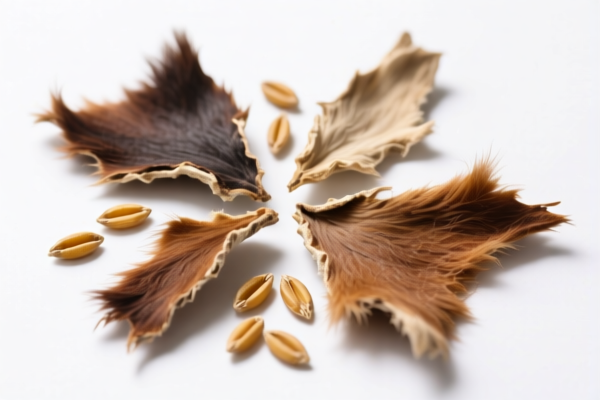
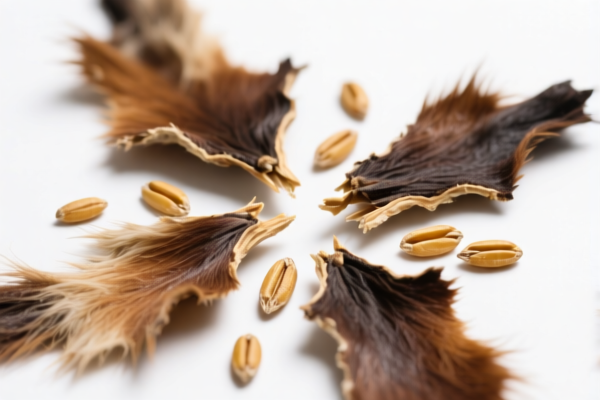
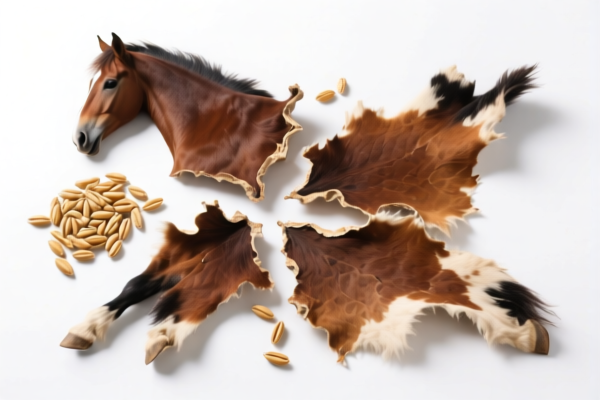
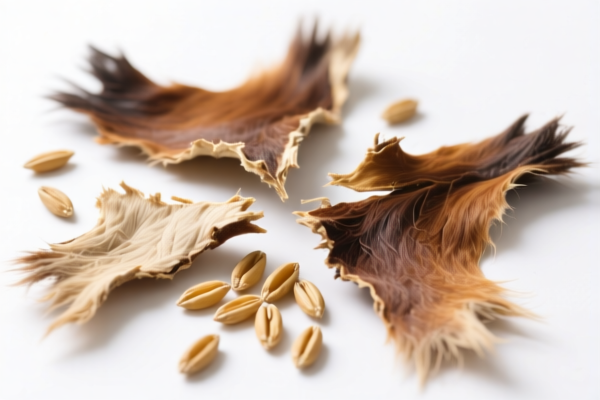
AI Analysis
🐄 Cow/Horse Hides: Un-tanned, Skinned, Split (Raw Leather Semifinished Goods)
🌐 HS Code Reference & Customs Clearance Guide | 2026 Latest Tariff Analysis | Professional Clearance Strategy
📌 I. Product Definition & Classification: Do You Truly Understand "Raw Hides"?
Un-tanned Cow or Horse Hides, whether skinned (de-haired) or split, fall under the category of Raw Animal Skins/Hides. In international trade, these are critical raw materials for the leather industry. The classification depends heavily on the state of preservation (fresh, salted, dried) and processing depth (skinned, split, un-tanned).
Key Distinction:
- Un-tanned (Raw): Not yet chemically treated to become permanent leather. Subject to high scrutiny for animal health (BSE, Anthrax) and strict tariff structures (especially 122 provisions).
- Skinned/Split: Refers to mechanical processing (removing hair/flesh or splitting layers) before tanning. This changes the HS code from basic raw hides to specific semi-finished categories.
⚠️ Critical Note:
- "Un-tanned" means the hide has not undergone the tanning process.
- "Skinned" means hair/flesh has been removed.
- "Split" means the hide has been divided into layers (grain layer and flesh layer).
- Misclassification Risk: Importing these as "finished leather" or "other goods" leads to severe penalties. You must declare them as raw hides/skins.
📦 II. HS Code Classification Details (2026 Latest Tariff Authority Comparison)
Based on the provided data, there are four specific HS Codes for un-tanned, skinned/split cow/horse hides. The key difference lies in the 122 Clause Tariff and Base Duty, leading to vastly different total tax burdens.
| HS Code | Product Description | Processing State | Total Tax Rate | Key Tax Components |
|---|---|---|---|---|
4101.90.10.20 |
Un-tanned Cow/Horse Hides, Skinned, Split | Raw, De-haired, Split | 17.5% | Base: 0% + Add-on: 7.5% + 122 Clause: 10% |
4101.90.10.30 |
Un-tanned Cow/Horse Hides, Skinned, Split | Raw, De-haired, Split | 17.5% | Base: 0% + Add-on: 7.5% + 122 Clause: 10% |
4203.29.05.00 |
Un-tanned Cow/Horse Hides, Skinned, Split | Note: Likely Misclassified in Source | 47.6% | Base: 12.6% + Add-on: 25% + 122 Clause: 10% |
4203.29.08.00 |
Un-tanned Cow/Horse Hides, Skinned, Split | Note: Likely Misclassified in Source | 49.0% | Base: 14.0% + Add-on: 25% + 122 Clause: 10% |
🔍 Critical Analysis of the Data Discrepancy:
- Codes4101.90.10.20&4101.90.10.30: Belong to Chapter 41 (Raw Hides & Skins). This is the correct and standard classification for un-tanned hides. The tax rate is 17.5%, which is significantly lower.
- Codes4203.29.05.00&4203.29.08.00: Belong to Chapter 42 (Articles of Leather). However, Chapter 42 typically covers Tanned or further prepared leather articles. It is highly unusual and likely incorrect to classify un-tanned hides under Chapter 42.
- Warning: If you are importing un-tanned hides, you should strictly avoid Chapter 42 codes unless specifically authorized by a ruling. Using Chapter 42 codes for raw hides may trigger customs audits for misclassification, leading to back taxes, fines, or shipment refusal.
- Recommendation: Prioritize4101.90.10.20or4101.90.10.30for un-tanned hides. The data provided seems to contain anomalous entries for Chapter 42 under this description. Verify with local customs if "skinned/split" implies a stage that moves it to Chapter 42 (rare for un-tanned).
💰 III. 2026 Latest Tariff Rate Breakdown (Including Surtaxes & Policy Surcharges)
✅ Applicable Market: United States (US)
✅ Origin: China (CN)
✅ Effective Date: 2025-11-10 onwards
🎯 1. 4101.90.10.20 & 4101.90.10.30 —— Un-tanned Cow/Horse Hides (Correct Chapter 41 Classification)
| Item | Details |
|---|---|
| Base Duty Rate | 0% (Most-favored-nation rate for raw hides in some contexts, but subject to surtaxes) |
| USITC Section 301 Surcharge | +7.5% |
| IEEPA Section 122 Surcharge | +10% |
| Total Effective Rate | 17.5% |
| Tax Calculation | CIF Value × 17.5% |
| De Minimis Exemption | ❌ Not Applicable (Goods > $800 are subject to full duty) |
| Legal Basis Path | USITC:4101.90.10 → FOOTNOTE:301 → IEEPA:122 |
📌 Explanation:
- "Base 0%": Raw hides often have low base duties, but this is nullified by surtaxes.
- "Section 301 (7.5%)": Part of the ongoing trade war tariffs on Chinese goods.
- "122 Clause (10%)": A specific punitive tariff applied to certain Chinese imports under Executive Order 13813 (Section 122 of the Trade Expansion Act of 1962).
- Total 17.5%: This is the realistic and compliant cost for raw, skinned, split hides.
🎯 2. 4203.29.05.00 & 4203.29.08.00 —— ⚠️ HIGH RISK: Potential Misclassification
| Item | Details |
|---|---|
| Base Duty Rate | 12.6% - 14.0% |
| USITC Section 301 Surcharge | +25% |
| IEEPA Section 122 Surcharge | +10% |
| Total Effective Rate | 47.6% - 49.0% |
| Tax Calculation | CIF Value × (47.6% or 49.0%) |
| De Minimis Exemption | ❌ Not Applicable |
| Legal Basis Path | USITC:4203.29 → FOOTNOTE:301 → IEEPA:122 |
📌 Warning:
- These rates are nearly 3x higher than the Chapter 41 rates.
- Do NOT use these codes unless you are importing tanned leather goods (which contradicts the "un-tanned" description).
- If you mistakenly declare un-tanned hides under Chapter 42, Customs may assess the higher rate plus penalties for incorrect classification.
🛠️ IV. Customs Clearance Practical Advice (Pitfall Avoidance Guide)
✅ 1. Required Documentation Checklist (Non-Negotiable)
| Document | Mandatory? | Details |
|---|---|---|
| ✅ Commercial Invoice | ✔️ | Must clearly state: "Un-tanned Cow/Horse Hides, Skinned, Split." Do not use vague terms like "Leather." |
| ✅ Packing List | ✔️ | List weight, number of hides, and dimensions. |
| ✅ Bill of Lading/Air Waybill | ✔️ | Original or telex release. |
| ✅ Certificate of Origin (CO) | ✔️ | To confirm Chinese origin and apply correct tariff codes. |
| ✅ Animal Health Certificate | ✔️ | Critical. Proof of freedom from BSE, Anthrax, and Foot-and-Mouth Disease. Issued by the exporting country's competent authority. |
| ✅ USDA Permit | ✔️ | Import permit from the U.S. Department of Agriculture (APHIS). Required for all raw hides. |
| ✅ Product Description Sheet | ✔️ | Detail the tanning status (none), skinning method, and splitting process. |
✅ 2. Declaration Best Practices (Key Mantra)
🔥 "Raw Hides Need USDA, Chapter 41 is Key, Don't Use 42, Or You'll Pay Plenty!"
| Scenario | Correct Declaration | Incorrect Action |
|---|---|---|
| Un-tanned, Skinned, Split Hides | HS: 4101.90.10.20 / .30 |
Misclassify as 4203... → 47.6%+ Tax + Audit |
| Tanned Leather Goods | HS: Chapter 42 (e.g., 4203.29) |
Declare as "Raw Hides" → USDA Rejection |
| Fresh Hides (Not Skinned) | HS: 4101.21 - 4101.50 |
Declare as "Skinned" → Misclassification |
| Split Hides (Only Flesh Layer) | HS: 4101.90.10.20 |
Declare as "Waste" → Confiscation |
✅ 3. Special Circumstances Handling
| Situation | Recommendation |
|---|---|
| OEM Custom Hides | Provide buyer's spec sheet. Ensure "Un-tanned" is explicitly stated. |
| Mixed Shipments (Raw & Tanned) | Separate Bills of Lading. Do not mix Chapter 41 and 42 in one shipment unless clearly segregated. |
| USDA Inspection Delay | Raw hides are subject to strict biosecurity checks. Plan for 3-7 days delay. Have a bonded warehouse ready if necessary. |
| 122 Clause Impact | The 10% surcharge is permanent for these origins. Factor this into your pricing strategy. |
🌍 V. Global Market Comparison (2026 Latest)
| Country/Region | Recommended HS Code | Tariff (China Origin) | Key Requirements |
|---|---|---|---|
| 🇺🇸 USA | 4101.90.10.20/30 |
17.5% | USDA Permit, Animal Health Cert, 122 Clause Applicable |
| 🇨🇳 China | 4101.90.10 |
Low/Zero (Export) | Standard Export Declaration |
| 🇪🇺 EU | 4101.21 - 4101.50 |
Variable (Often 0%) | EORI Number, Veterinary Certificate, REACH Compliance |
| 🇦🇺 Australia | 4101.90 |
Variable | Biosecurity Permit, Import Declaration |
| 🇯🇵 Japan | 4101.90 |
Low (5-10%) | Quarantine Certificate |
📌 Conclusion:
- The USA has the most complex tariff structure due to the 301 + 122 clauses.
- Biosecurity is the biggest hurdle, not just tariffs. Ensure USDA compliance above all.
- Never use Chapter 42 codes for un-tanned hides.
📌 VI. Common Errors & Pitfall Guide (Blood-Teaching Lessons)
❌ Error 1: Using HS Code 4203.29.05.00 for un-tanned hides
👉 Consequence: You pay 47.6% tax instead of 17.5%. That’s a 30%+ overpayment on every shipment.
👉 Fix: Always verify Chapter 41 vs. 42. Un-tanned = Chapter 41.
❌ Error 2: Missing USDA Permit
👉 Consequence: Shipment Rejected/Destroyed at the port. Costly demurrage fees.
👉 Fix: Apply for USDA permit before shipping.
❌ Error 3: Vague Description "Leather"
👉 Consequence: Customs assumes the worst (or best) and may flag for inspection.
👉 Fix: Use precise language: "Un-tanned, Skinned, Split Cow Hides."
❌ Error 4: Ignoring the 122 Clause
👉 Consequence: Underbudgeting by 10%.
👉 Fix: Include the 10% surcharge in your cost model.
✅ Correct Practice:
"Un-tanned Cow Hides, Skinned, Split, Saline Preserved, USDA Approved, HS Code 4101.90.10.20"
🎯 VII. Conclusion: Precision Classification, Cost Savings, Smooth Clearance!
🎯 Remember the Mantra:
🔹 "Raw Hides = Chapter 41, Not 42!"
🔹 "17.5% is the Target, 49% is a Trap!"
🔹 "USDA Permit is Mandatory, No Permit, No Entry!"
📌 Pro Tip:
- If your hides are not skinned (e.g., fresh, salted), the HS code changes to 4101.21, 4101.22, etc., but the 122 Clause (10%) still applies.
- Always request a Customs Ruling from CBP if unsure about the state of processing (skinned vs. unscaled).
- For US importers, factor in the 17.5% total duty into your FOB/CIF calculations immediately.
📣 Immediate Action:
📞 Contact your customs broker + Provide USDA Permit details + Declare HS Code
4101.90.10.20
🚀 Ensure your hides clear biosecurity and avoid the 49% tax trap!
✨ Professional Clearance Starts with Accurate Classification!
💼 Every Dollar Saved is a Dollar Earned in Margins!
Customer Reviews
About HS Code Classification
The Harmonized System (HS) is an internationally standardized nomenclature developed by the World Customs Organization (WCO) to classify traded products. Over 200 countries use the HS system as the basis for customs tariffs, trade statistics, and import/export regulations.
Each HS code follows a hierarchical structure:
- Chapter (2 digits) — Broad category of goods (e.g., Chapter 84: Machinery and Mechanical Appliances)
- Heading (4 digits) — More specific grouping within the chapter
- Subheading (6 digits) — Internationally standardized breakdown, used by all WCO member countries
- National subdivisions (8-10 digits) — Country-specific extensions for further classification, such as US HTSUS 10-digit codes
Correct HS code classification is essential for smooth customs clearance, accurate duty payment, and compliance with trade regulations. Misclassification can lead to customs delays, overpayment of duties, or penalties.
When importing from CN to US, the applicable tariff rates may include:
- Most-Favored-Nation (MFN) rate — The standard duty rate applied to WTO members
- General rate — Applied to countries without trade agreements
- Trade remedy duties — Additional tariffs such as Section 301 (anti-dumping), Section 232 (national security), or countervailing duties
The information provided on this page is for reference purposes only. For official classification, please consult with your local customs authority or a licensed customs broker.