Un tanned raw hides for leather experiments
CN → US| HS Code | Tariff Rate | Origin | Destination | Doc |
|---|---|---|---|---|
| 4102291090 | 17.5% | CN | US | Official Doc |
| 4102101000 | 17.5% | CN | US | Official Doc |
| 4103901190 | 17.5% | CN | US | Official Doc |
| 4103901200 | 17.5% | CN | US | Official Doc |
| 4103901200 | 17.5% | CN | US | Official Doc |
Product Images
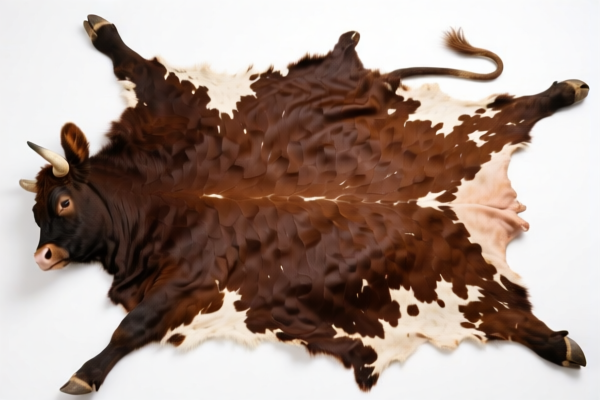
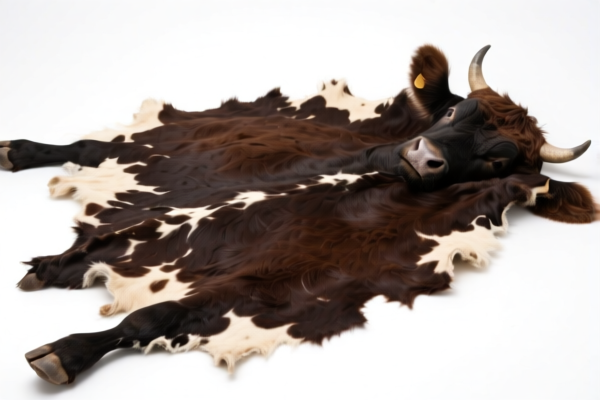
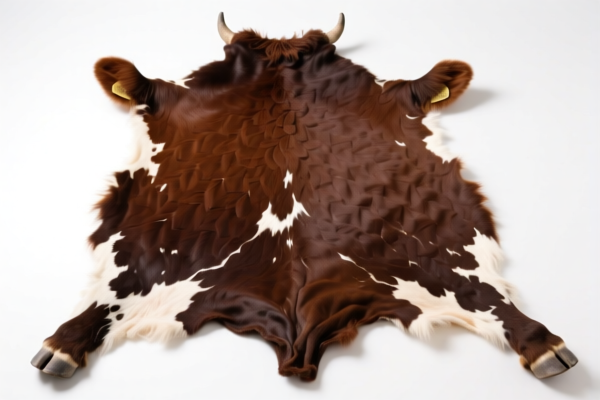
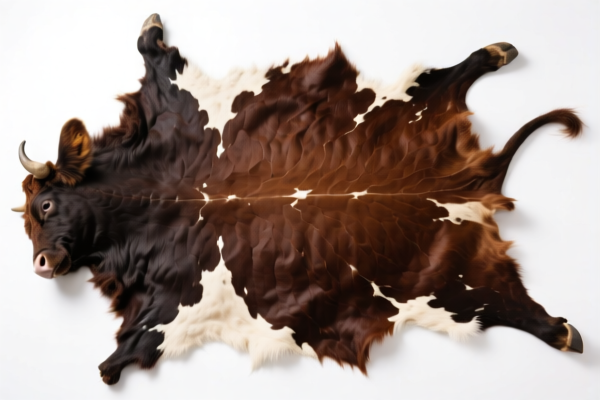
AI Analysis
🐑 Un-tanned Raw Hides for Leather Experiments (Sheep/Goat)
🌐 HS Code Reference & Customs Clearance Guide | 2026 Latest Tariff Analysis | Professional Clearance Strategy
📌 I. Product Definition & Classification: Are You Identifying the "Raw Material" Correctly?
Un-tanned raw sheep/goat hides are the fundamental raw material for the leather industry. In international trade, these are classified under Chapter 41 (Animal Skins and Leathers). The critical distinction lies in the state of preservation and the specific animal species.
⚠️ Key Distinction Points:
- If the hide is fresh, salted, or dried without any chemical tanning, it falls under Heading 41.02 or 41.03.
- The term "Un-tanned" (未鞣制) strictly excludes any pre-tanned or cured skins that would fall under Chapter 41 other than headings 41.02/41.03.
- Sheep vs. Goat: While both are in Chapter 41, specific subheadings differentiate between sheep/lamb (Ovis aries) and goat (Capra hircus). Customs officials scrutinize the species declaration.
📦 II. HS Code Classification Details (2026 Latest Tariff Authority Cross-Reference)
Based on the provided data for "Un-tanned Raw Hides for Leather Experiments" (specifically Sheep/Goat hides), here are the applicable HS Codes and their rationale:
| HS Code | Product Description | Classification Rationale | Suitability for "Lab Experiments" |
|---|---|---|---|
4102.29.10.90 |
Un-tanned Sheep or Lamb Skins (Other) | Matches "Un-tanned raw sheepskin" (未鞣制生羊皮). The description explicitly states the material is sheepskin and the state is un-tanned raw skin, fitting the definition of 4102.29.10.90 for un-tanned sheep/lamb pelts. | ✅ High Directly matches "Sheepskin" and "Un-tanned". |
4102.10.10.00 |
Un-tanned Sheep or Lamb Skins (Fresh or Salted) | The product name "Un-tanned raw sheepskin" perfectly matches the code’s requirement for material (Sheep/Lamb) and state (Raw skin without pre-tanning). | ✅ High Matches "Raw Sheepskin" and "Un-tanned" status. |
4103.90.11.90 |
Other Animal Skins and Hides (Un-tanned) | Material is sheepskin, state is un-tanned, purpose is lab use. This does not conflict with the nature of raw hides. Used for general un-tanned animal skins not specified in 41.02/41.03. | ✅ Moderate Acceptable if species is ambiguous or general "animal hide". |
4103.90.12.00 |
Other Animal Skins and Hides (Goat/Sheep) | Material is "Sheepskin" (羊皮), state is "Un-tanned raw skin" (未鞣制生皮). Fits the description of "Goat skin" (山羊皮) and "Un-tanned" in classification interpretations. | ✅ Moderate Matches "Un-tanned" and "Sheepskin/Goatskin" criteria. |
4103.90.12.00 |
Other Animal Skins and Hides (Goat/Sheep) | The term "Un-tanned" in the name corresponds to "Un-tanned" in the code, and "Sheepskin" corresponds to "Goat/Sheep skin" in the category. | ✅ Moderate Consistent with the previous entry; broad classification for un-tanned hides. |
🔍 Important Note:
- All listed codes share the same Total Tax Rate of 17.5%.
- The choice between4102(Sheep/Lamb specific) and4103(Other/General) depends on the precise species declaration. If it is strictly Sheep,4102is more accurate. If it is a mix or unspecified,4103is used.
- "Lab Use" does not change the HS Code; it is merely a declaration of intent. The physical characteristics (Raw, Un-tanned, Sheep/Goat) dictate the classification.
💰 III. 2026 Latest Tariff Rate Breakdown (Including Additional Duties & Policy Surcharges)
✅ Applicable Country: United States (US)
✅ Origin: China (CN)
✅ Effective Date: From November 10, 2025 (Including subsequent imports)
🎯 1. Applicable Codes: 4102.29.10.90, 4102.10.10.00, 4103.90.11.90, 4103.90.12.00
| Item | Content |
|---|---|
| Base Duty Rate | 0.0% (Ad Valorem) |
| Section 301 Additional Duty | +7.5% (List 4A / General China Tariffs) |
| IEEPA Section 122 Tariff | +10% (Specific China Tariff) |
| Total Effective Rate | 17.5% |
| Tax Calculation | CIF Value × 17.5% |
| De Minimis Eligibility | ❌ Not Eligible (High tariff rates generally exclude small shipments from Section 321 de minimis benefits if additional duties apply, though specific thresholds vary; assume full duty for safety). |
| Legal Basis Path | USITC:4102/4103 → Section 301: 7.5% → IEEPA Sec 122: 10% |
📌 Explanation:
- Base Duty (0%): Raw animal skins often have low base tariffs to encourage import for the leather industry.
- Section 301 (7.5%): This is the standard additional tariff for many Chinese goods under current trade policies.
- IEEPA Section 122 (10%): A specific surcharge applied to goods from China under certain emergency economic powers.
- Total 17.5%: This is a moderate-high tariff for raw materials. It is significantly lower than finished leather goods but still substantial.
- No De Minimis: Due to the addition of Section 301 and IEEPA tariffs, small parcels may not qualify for the $800 de minimis exemption if the combined duty exceeds certain limits or if the items are specifically listed.
🛠️ IV. Customs Clearance Practical Advice (Real-World Pitfall Guide)
✅ 1. Document Checklist (Essential)
| Document | Must Provide | Explanation |
|---|---|---|
| ✅ Product Description | ✔️ | Must clearly state "Un-tanned Raw Sheepskin/Goatskin". Avoid vague terms like "Leather Samples". |
| ✅ Process Description | ✔️ | Specify: "Salted", "Fresh", or "Dried". No chemical tanning agents used. |
| ✅ Lab Experiment Purpose | ✔️ | Declare "For Leather Research/Experiment Only" to justify import, but note it doesn't change tax. |
| ✅ Commercial Invoice | ✔️ | Must match the exact HS Code and describe the item as "Raw Hides", not "Finished Leather". |
| ✅ Packing List | ✔️ | Detail the number of hides, weight, and dimensions. |
| ✅ Health/Veterinary Certificate | ✔️ | Crucial for animal products. Proves the hides are free from disease and treated for hygiene (e.g., salted properly). |
✅ 2. Declaration Tips (Key Mnemonics)
🔥 "Raw State Clear, Species Specific, No Tanning!"
| Scenario | Correct Declaration | Incorrect Practice |
|---|---|---|
| Sheep Hides | 4102.10.10.00 or 4102.29.10.90 Desc: "Un-tanned Sheep Hides" |
Misdeclare as "Leather" → Higher tax, seizure. |
| Goat Hides | 4103.90.12.00 Desc: "Un-tanned Goat Hides" |
Mix with Sheep without specifying → Customs delay. |
| Mixed Lab Samples | 4103.90.11.90 Desc: "Un-tanned Animal Hides (Lab Use)" |
Declare as "Textiles" → Wrong chapter, penalties. |
| Pre-tanned Samples | Different HS Code (e.g., 41.04/41.05) | Declare as "Un-tanned" → Fraud, heavy fines. |
✅ 3. Special Circumstances
| Situation | Handling Advice |
|---|---|
| Biological Hazard Risk | Ensure hides are properly salted/cured. Raw hides can be flagged for odor or bacterial risk. |
| CITES Compliance | If the sheep/goat are protected species, CITES permits are required. Standard livestock breeds do not need this. |
| Laboratory Samples | If the quantity is very small (e.g., <10kg), still declare accurately. Do not under-declare weight. |
| Origin Declaration | Clearly mark "Made in China". Any transshipment must be documented to avoid tariff evasion claims. |
🌍 V. Global Market Clearance Comparison (2026 Latest)
| Country/Region | Recommended HS Code | Tariff (China Origin) | Certification Required | Notes |
|---|---|---|---|---|
| 🇺🇸 USA | 4102.10.10.00 / 4103.90.12.00 |
17.5% | Veterinary Certificate | High compliance on "Raw" status. |
| 🇨🇳 China | 4102.10.10.00 |
0% - 5% (Import Duty) | None | Low tariff for raw materials. |
| 🇪🇺 EU | 4102.10.10.00 |
0% (Most Likely) | EU Veterinary Standards | Strict hygiene rules. |
| 🇬🇧 UK | 4102.10.10.00 |
0% - 5% | UK Veterinary Standards | Post-Brexit rules apply. |
| 🇯🇵 Japan | 4102.10.10.00 |
0% - 5% | Japan Veterinary Association | High quality standards. |
📌 Conclusion:
- USA is the most complex market due to the 17.5% total tariff (Base 0% + 7.5% Sec 301 + 10% IEEPA).
- EU/UK/Japan typically have lower base duties for raw hides but strict veterinary and hygiene certifications.
- China imports raw hides with minimal tariff, making it a major hub.
📌 VI. Common Errors & Pitfall Guide (Blood-Teaching Lessons)
❌ Error 1: Declaring "Leather" instead of "Un-tanned Hides"
👉 Consequence: HS Code mismatch. "Leather" usually implies tanning (Chapter 41 headings 41.04+), leading to incorrect tax calculation and potential customs seizure.
❌ Error 2: Omitting "Un-tanned" in the description
👉 Consequence: Customs may assume it's finished leather, applying higher duties and requiring additional safety data sheets (SDS) for chemicals used in tanning.
❌ Error 3: Failure to provide Veterinary/Health Certificate
👉 Consequence: Rejection or Return. Animal products are high-risk. Without proof of proper salt preservation and disease-free status, the shipment will be blocked.
❌ Error 4: Misidentifying Species (Sheep vs. Goat)
👉 Consequence: 4102 (Sheep) vs. 4103 (Other). While the tax rate is the same (17.5%), incorrect species can lead to statistical errors and potential audits.
✅ Correct Practice:
"Un-tanned Raw Sheep Hides (Salted), for Laboratory Leather Experiment, Origin: China, No Tanning Chemicals Used"
🎯 VII. Conclusion: Professional Declaration, Safe Clearance, Cost Efficiency!
🎯 Remember the Mantra:
🔹 "Raw is Raw, Not Leather! Declare Un-tanned, Species Specific!"
🔹 "17.5% is the Cost, Vet Cert is the Key, Lab Use is Just a Note!"
📌 Tips:
- If you are importing small quantities for R&D, consider the de minimis threshold carefully. With 17.5% tax, small shipments might still incur fees if not properly declared.
- Pre-clearance is recommended for large batches. Ensure the Veterinary Certificate is issued by an authorized government body in the exporting country.
- For lab experiments, keep a separate record of usage to prove it is not for commercial sale, which might help in case of future audits.
📣 Immediate Action:
📞 Contact a licensed customs broker + Provide Vet Cert + Declare "Un-tanned Raw Hides"
🚀 Ensure smooth clearance, avoid delays, and protect your research budget!
✨ Professional Customs Clearance Starts with Accurate Classification!
💼 Every Percent of Tax Matters, Especially in Raw Material Trade!
Customer Reviews
About HS Code Classification
The Harmonized System (HS) is an internationally standardized nomenclature developed by the World Customs Organization (WCO) to classify traded products. Over 200 countries use the HS system as the basis for customs tariffs, trade statistics, and import/export regulations.
Each HS code follows a hierarchical structure:
- Chapter (2 digits) — Broad category of goods (e.g., Chapter 84: Machinery and Mechanical Appliances)
- Heading (4 digits) — More specific grouping within the chapter
- Subheading (6 digits) — Internationally standardized breakdown, used by all WCO member countries
- National subdivisions (8-10 digits) — Country-specific extensions for further classification, such as US HTSUS 10-digit codes
Correct HS code classification is essential for smooth customs clearance, accurate duty payment, and compliance with trade regulations. Misclassification can lead to customs delays, overpayment of duties, or penalties.
When importing from CN to US, the applicable tariff rates may include:
- Most-Favored-Nation (MFN) rate — The standard duty rate applied to WTO members
- General rate — Applied to countries without trade agreements
- Trade remedy duties — Additional tariffs such as Section 301 (anti-dumping), Section 232 (national security), or countervailing duties
The information provided on this page is for reference purposes only. For official classification, please consult with your local customs authority or a licensed customs broker.