Un tanned sheepskin unprocessed
CN → US| HS Code | Tariff Rate | Origin | Destination | Doc |
|---|---|---|---|---|
| 4103901190 | 17.5% | CN | US | Official Doc |
| 4103901190 | 17.5% | CN | US | Official Doc |
| 4102291090 | 17.5% | CN | US | Official Doc |
| 4103901130 | 17.5% | CN | US | Official Doc |
| 4102101000 | 17.5% | CN | US | Official Doc |
Product Images
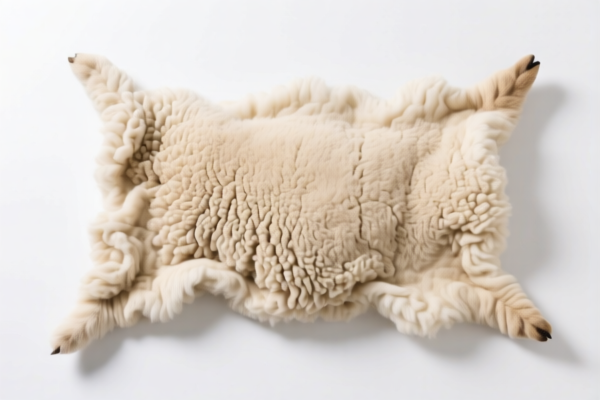
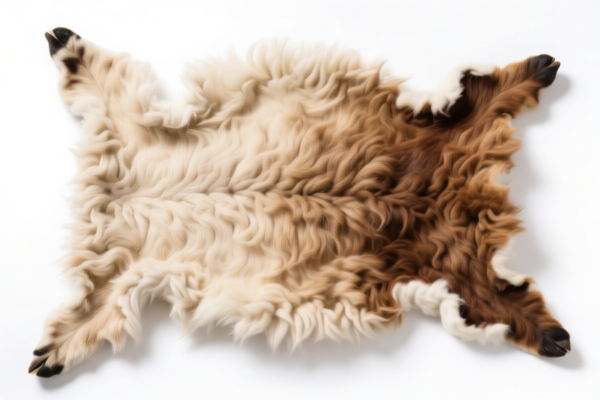
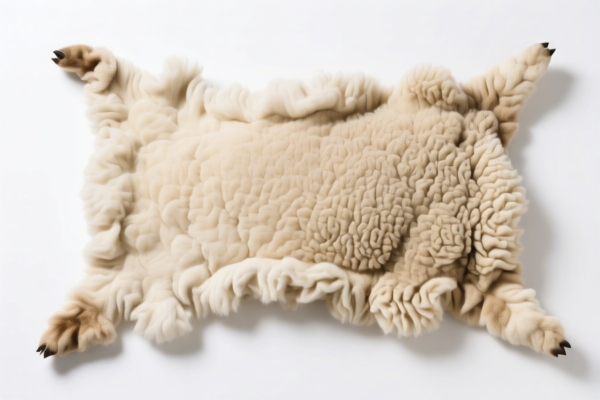
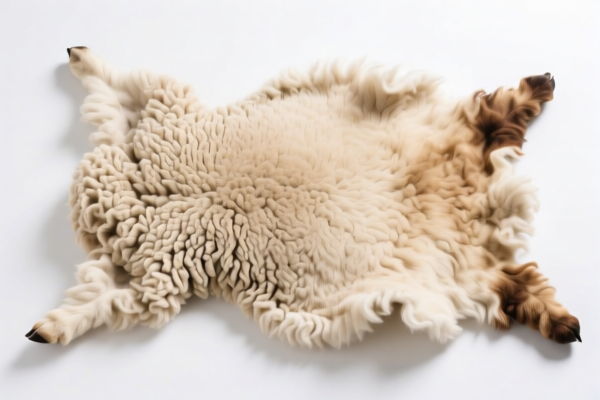
AI Analysis
🐑 Sheepskin: Un-tanned & Unprocessed (Raw Skins)
🌐 HS Code Reference & Customs Clearance Guide | 2026 Latest Tariff Analysis | Professional Compliance Strategy
📌 I. Product Definition & Classification: What is "Un-tanned Sheepskin"?
Sheepskin, in its raw state, refers to the hide or skin of sheep that has not undergone tanning, dressing, or finishing processes. It is a raw agricultural/animal product. In international trade, the specific classification depends heavily on whether the hair is removed (scudded/unwooled) or retained, and the precise state of preservation (fresh, salted, or dried).
⚠️ Key Distinction:
- Unprocessed/Dried: Skins preserved by salting or air-drying without chemical tanning → Generally classified under 4103 (Other tanned leather, not further dressed).
- Un-tanned/Unwooled: Skins where the wool/hair has been removed, but the leather is not yet tanned → Generally classified under 4102 (Un-tanned leather of bovine/aviary animals or sheep/goat).
- Un-tanned/General: General un-tanned sheep/goat leather → 4102.10.📌 Critical Note: The term "Unprocessed" in your input is broad. If it implies merely salted/dried for transport, it often falls under 4103. If it implies the raw skin ready for tanning, it may fall under 4102. The data provided below reflects the specific HS Codes matched to the summaries in your .
📦 II. HS Code Classification Details (Based on Provided Data)
| HS Code | Product Summary | Key Characteristics | Matched State |
|---|---|---|---|
4103.90.11.90 |
Sheepskin unprocessed dry state | Raw sheepskin, preserved by drying, no tanning | Unprocessed & Dried |
4103.90.11.90 |
Sheepskin unwooled, un-tanned | Hair/wool removed, but not chemically tanned | Un-tanned & Unwooled |
4102.29.10.90 |
Sheepskin unwooled, un-tanned | Specific sub-category for unwooled sheepskin | No Hair & Un-tanned |
4103.90.11.30 |
Sheepskin unwooled, un-tanned | Specific "other" category for certain animal skins | Un-tanned & Specific Animal |
4102.10.10.00 |
Sheepskin un-tanned | General un-tanned sheep/goat skin | Un-tanned |
🔍 Analysis:
- The data shows a split between 4102 (typically un-tanned leather of sheep/goat) and 4103 (other tanned leather, which can include "unprocessed" or partially processed skins depending on national sub-heading definitions).
-4102.10.10.00is the most direct "Un-tanned Sheepskin" code.
-4103.90.11.90is used for "unprocessed" or "dried" states, which might be classified as "other" than standard tanned leather in this specific tariff schedule.
💰 III. 2026 Latest Tariff Rate Details (Detailed Breakdown)
✅ Applicable Country: United States (US)
✅ Country of Origin: China (CN)
✅ Effective Date: 2025/2026 (Current Trade Regime)
🎯 1. General Rate for All Listed HS Codes
All the HS Codes provided in your data (4103.90.11.90, 4102.29.10.90, 4103.90.11.30, 4102.10.10.00) share the exact same tax structure.
| Item | Rate/Amount | Details |
|---|---|---|
| Base Tariff | 0.0% | Standard MFN (Most Favored Nation) rate for un-tanned hides. |
| Section 301 / Additional Tariff | +7.5% | Specific additional duty applicable to these chemical/raw material categories. |
| Section 122 Tariff | +10.0% | Specific tariff under Section 122 (often related to specific trade remedies or country-specific duties). |
| Total Effective Tariff | 17.5% | 0.0% + 7.5% + 10.0% |
| Tax Calculation | CIF Value × 17.5% | Calculated on the Cost, Insurance, and Freight value. |
| De Minimis Exemption? | ❌ No | Textiles, animal products, and raw hides are generally excluded from de minimis (Section 321) exemption. |
| Legal Authority | - Section 301 Tariff List - Section 122 Specific Duties |
Refer to USITC and CBP rulings for exact footnotes. |
📌 Explanation:
- Although the base tariff is 0%, the additional tariffs make the total cost significant (17.5%).
- Section 122 is a critical component here, adding a flat 10%. This is not the standard 25% Section 301 rate, but a specific duty that may vary by product type.
- No De Minimis: Small packages of raw sheepskin cannot be shipped duty-free via courier (e.g., USPS, FedEx) under $800. They must be formally entered.
🛠️ IV. Customs Clearance Practical Advice (Pitfall Avoidance)
✅ 1. Required Documentation Checklist (All Mandatory)
| Document | Required? | Notes |
|---|---|---|
| ✅ Commercial Invoice | ✔️ | Must clearly state "Un-tanned Sheepskin" or "Raw Sheepskin," not "Finished Leather." |
| ✅ Packing List | ✔️ | Detail net weight, gross weight, and number of hides. |
| ✅ Bill of Lading/Air Waybill | ✔️ | Standard shipping documents. |
| ✅ USDA/APHIS Permit | ✔️ | CRITICAL: Animal products often require import permits from the USDA to prevent disease. |
| ✅ Import License | ✔️ | May be required depending on the specific HS code and quantity. |
| ✅ Certificate of Origin | ✔️ | Essential to prove origin for tariff calculations (China vs. other origins). |
| ✅ Product Description | ✔️ | Must specify: "Un-tanned," "Unwooled" (if applicable), "Dried" or "Salted." |
✅ 2. Classification Strategy (Key Tips)
🔥 "Be Precise: Raw vs. Tanned, Wool On vs. Off"
| Scenario | Correct HS Code Approach | Common Mistake |
|---|---|---|
| Raw, Salted, with Wool | May fall under 4103.90.11.90 (as "unprocessed") if deemed not yet tanned. | Misclassifying as "tanned leather" (higher base duty). |
| Raw, Unwooled, Un-tanned | 4102.29.10.90 or 4102.10.10.00. | Using 4103 codes for unwooled skins. |
| Dried, Unprocessed | 4103.90.11.90. | Assuming all raw hides are 4102. |
| Finished Leather | Different HS Code (e.g., 4104, 4106). | Misclassifying finished leather as raw → 17.5% duty vs. different rate. |
📌 Warning:
- The difference between 4102 (un-tanned) and 4103 (other) can be subtle. Ensure your product description matches the summary in the HS Code.
- If the skin is salted, it is still "un-tanned." Ensure this is declared to avoid health/quarantine issues.
✅ 3. Special Considerations
| Situation | Advice |
|---|---|
| Quarantine Risk | Raw animal products are high-risk for pests/diseases. Pre-clearance with USDA is essential. |
| Duty Drawback | If re-exporting, check if duty drawback applies (unlikely for raw goods, but possible). |
| Anti-Dumping/Countervailing | Check if there are AD/CVD orders on Chinese animal products (rare for raw hides, but verify). |
| De Minimis Misuse | Do not use Section 321 for shipments of raw hides. CBP is strict on animal products. |
🌍 V. Global Market Comparison (2026)
| Country/Region | Recommended HS Code | Tariff Rate | Certifications | Notes |
|---|---|---|---|---|
| 🇺🇸 USA | 4102.10.10.00 / 4103.90.11.90 |
17.5% (Total) | USDA Permit, CBP Entry | 17.5% includes 10% Sec 122. |
| 🇨🇳 China | 4102 / 4103 |
0% - 5% | N/A | China often imports raw hides. |
| 🇪🇺 EU | 4102 |
0% - 4% | EORI, REACH | No additional duties for raw hides. |
| 🇬🇧 UK | 4102 |
0% - 4% | UK EORI | Post-Brexit rules apply. |
| 🇨🇦 Canada | 4102 |
0% | CBSA Entry | No additional duties. |
| 🇯🇵 Japan | 4102 |
0% - 1.5% | Ministry of Agriculture | Strict quarantine. |
📌 Conclusion:
- The USA is the most expensive market for raw sheepskin due to the 17.5% total tariff (including Section 122).
- EU, Canada, and Japan are more favorable with 0-4% duties.
- Quarantine regulations are strict in all major markets; ensure compliance with local agricultural standards.
📌 VI. Common Errors & Pitfalls (Lessons Learned)
❌ Error 1: Misclassifying "Un-tanned" as "Tanned"
👉 Consequence: Incorrect duty rate (possibly lower base duty but wrong classification) → Audit risk.
❌ Error 2: Ignoring USDA/APHIS Requirements
👉 Consequence: Seizure or Return of shipment at border due to lack of import permits.
❌ Error 3: Using De Minimis for Raw Hides
👉 Consequence: Seizure, fines, and loss of shipping privileges for repeated violations.
❌ Error 4: Inaccurate Product Description
👉 Consequence: Customs holds shipment for clarification → Delays and Storage Fees.
✅ Correct Practice:
"Raw Sheepskin, Un-tanned, Unwooled, Salted, for Leather Production. HS Code: 4102.10.10.00. USDA Permit #XXXXX."
🎯 VII. Conclusion: Precision in Classification Saves Money!
🎯 Key Takeaway:
🔹 "Un-tanned" = 17.5% Duty in USA (China Origin)
🔹 "Unprocessed" = Same 17.5% Duty
🔹 "Raw Animal Products" = Strict Quarantine
📌 Action Items:
1. Confirm HS Code: Verify if your product is "Unwooled" (4102) or "Processed/Dried" (4103).
2. Get USDA Permit: Apply for import permit before shipping.
3. Calculate Landed Cost: Include 17.5% duty + storage + handling.
4. Professional Broker: Use a licensed customs broker familiar with animal products.
📣 Final Tip:
📞 Contact a Customs Broker before shipping.
🚀 Prevent Seizure, Ensure Compliance, Protect Your Profit!
✨ Accurate Classification is the First Step to Successful Import!
💼 Every Detail Counts in Raw Material Trade!
Customer Reviews
About HS Code Classification
The Harmonized System (HS) is an internationally standardized nomenclature developed by the World Customs Organization (WCO) to classify traded products. Over 200 countries use the HS system as the basis for customs tariffs, trade statistics, and import/export regulations.
Each HS code follows a hierarchical structure:
- Chapter (2 digits) — Broad category of goods (e.g., Chapter 84: Machinery and Mechanical Appliances)
- Heading (4 digits) — More specific grouping within the chapter
- Subheading (6 digits) — Internationally standardized breakdown, used by all WCO member countries
- National subdivisions (8-10 digits) — Country-specific extensions for further classification, such as US HTSUS 10-digit codes
Correct HS code classification is essential for smooth customs clearance, accurate duty payment, and compliance with trade regulations. Misclassification can lead to customs delays, overpayment of duties, or penalties.
When importing from CN to US, the applicable tariff rates may include:
- Most-Favored-Nation (MFN) rate — The standard duty rate applied to WTO members
- General rate — Applied to countries without trade agreements
- Trade remedy duties — Additional tariffs such as Section 301 (anti-dumping), Section 232 (national security), or countervailing duties
The information provided on this page is for reference purposes only. For official classification, please consult with your local customs authority or a licensed customs broker.