Unassembled Beaver Fur Hat
CN → US| HS Code | Tariff Rate | Origin | Destination | Doc |
|---|---|---|---|---|
| 4302203000 | 37.1% | CN | US | Official Doc |
| 4302206000 | 38.5% | CN | US | Official Doc |
| 4205006000 | 39.9% | CN | US | Official Doc |
| 4103901190 | 17.5% | CN | US | Official Doc |
| 4103901130 | 17.5% | CN | US | Official Doc |
| 4205008000 | 35.0% | CN | US | Official Doc |
Product Images
AI Analysis
🦫 Unassembled Beaver Fur Hat (毛皮头/皮张)
🌐 HS Code Reference & Customs Clearance Guide | 2026 Latest Tariff Analysis | Professional Compliance Strategy
📌 Part 1: Product Definition & Classification: What is an "Unassembled Beaver Fur Hat" in Customs Terms?
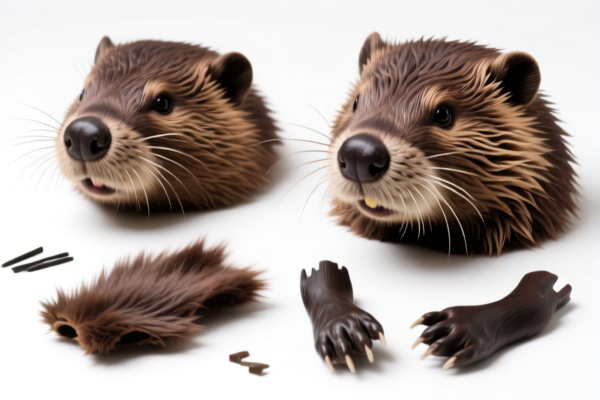
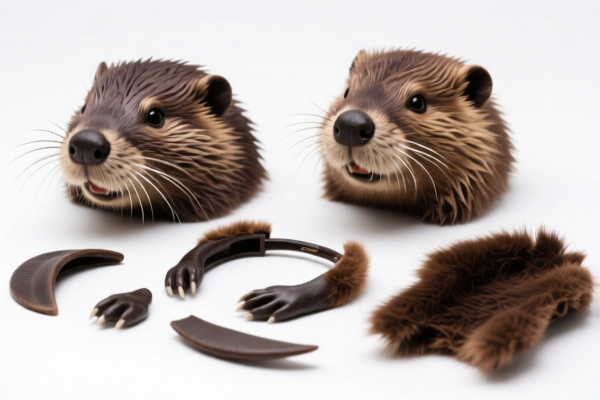
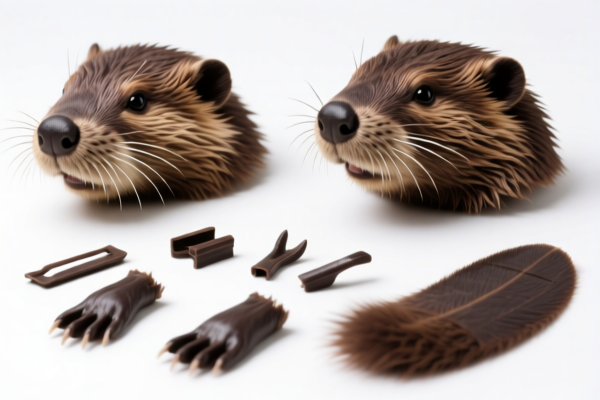
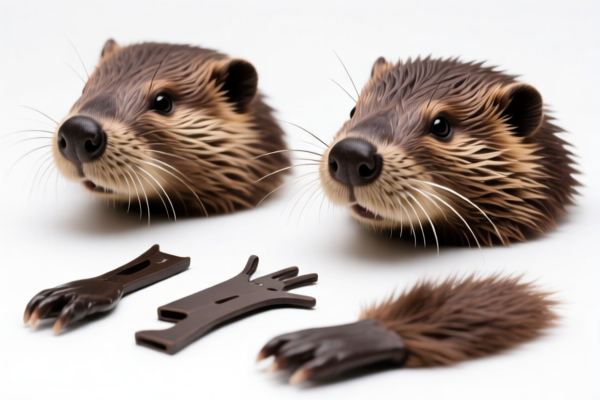
The term "Unassembled Beaver Fur Hat" in international trade typically refers to fur skins cut and shaped for hat-making but not yet sewn, lined, or assembled into a finished headwear product. In customs classification, the distinction lies between fur skins for hats (Ch. 41 or Ch. 43) and finished hats (Ch. 65).
Key Distinction Criteria: * "Unassembled" (未组装): Refers to fur skins (beaver) that have been tanned and cut/shaped into the form of a hat top (crown/base) but lack the final assembly (sewing of panels, attaching of sweatbands, linings, or trims). These are treated as parts of hats or fur skins. * Finished Hat: If the item includes the complete construction (sewn together, lined, with a brim if applicable), it may fall under Ch. 65 (Headgear), but fur hats are often still classified under Ch. 43 (Fur) depending on specific national interpretations. However, your provided data focuses on Ch. 41 (Leather/Fur Skins) and Ch. 43 (Fur Articles), indicating these are classified as fur materials/parts rather than finished hats.
⚠️ Critical Classification Point:
- If it is merely cut fur skin intended for hat making → HS 4103 or 4302.
- If it is a finished beaver hat → Usually HS 4303/4304 or 6505.
- Your Data Context: The provided HS codes (4302, 4205, 4103) indicate these are classified as Fur Skins/Parts or Other Leather Articles, NOT finished hats. This is a crucial detail for tax calculation.
📦 Part 2: HS Code Classification Details (Based on Provided Data)
| HS Code | Product Description | Category | Key Characteristics |
|---|---|---|---|
4302.20.30.00 |
Unassembled Beaver Fur Hat (Top/Skin) | Fur Skins, Notsembled | Beaver fur skins, cut for hats, not assembled. |
4302.20.60.00 |
Unassembled Beaver Fur Hat (Top/Skin) | Fur Skins, Notsembled | Similar to above, possibly different cut/quality grade. |
4205.00.60.00 |
Unassembled Beaver Fur Hat | Other Leather Articles | Classified as "Other articles of leather" (e.g., fur parts treated as leather goods). |
4205.00.80.00 |
Unassembled Beaver Fur Hat | Other Leather Articles | Broad category for other leather/fur articles not elsewhere specified. |
4103.90.11.30 |
Unassembled Beaver Fur Hat | Fur Skins (Ch. 41) | Classified under Chapter 41 (Leather), likely treated as "Other fur skins" or processed leather-like fur. |
4103.90.11.90 |
Unassembled Beaver Fur Hat | Fur Skins (Ch. 41) | Similar to above, other fur skins under Ch. 41. |
🔍 Note:
- Ch. 43 (HS 4302) is the standard for prepared fur skins.
- Ch. 41 (HS 4103) is for leather, but some jurisdictions may classify certain fur preparations here if they are heavily processed or if specific national rules apply.
- Ch. 42 (HS 4205) is for other leather articles, suggesting these "un assembled hats" are viewed as parts/accessories rather than raw skins.
💰 Part 3: 2026 Tariff Rate Breakdown (Including Surcharges)
✅ Applicable Country: United States (US)
✅ Origin: China (CN)
✅ Effective Date: 2025/2026 (Current Import Regulations)
🎯 1. 4302.20.30.00 & 4302.20.60.00 – Fur Skins, Unassembled
| Item | Detail |
|---|---|
| Base Duty Rate | 2.1% (for 4302.20.30) / 3.5% (for 4302.20.60) |
| Section 301 Surcharge | +25.0% (Trade War Tariff) |
| Section 122 Tariff | +10.0% (Specific surcharge on certain goods) |
| Total Effective Rate | 37.1% (for 4302.20.30) 38.5% (for 4302.20.60) |
| De Minimis Eligibility | ❌ No (High tariffs prevent de minimis clearance) |
| Legal Basis | USITC:4302.20.30.00 / 4302.20.60.00 + Section 301 + Section 122 |
📌 Explanation:
- These are the most common classifications for unassembled beaver fur tops.
- The 25% Section 301 tariff is the dominant cost driver.
- The 10% Section 122 tariff adds additional burden.
- Total cost impact: Over 37% of the CIF value.
🎯 2. 4205.00.60.00 & 4205.00.80.00 – Other Leather Articles (Fur Parts)
| Item | Detail |
|---|---|
| Base Duty Rate | 0.0% (Free under HTSUS for some leather articles) |
| Section 301 Surcharge | +25.0% |
| Section 122 Tariff | +10.0% |
| Total Effective Rate | 35.0% |
| De Minimis Eligibility | ❌ No |
| Legal Basis | USITC:4205.00.60.00 / 4205.00.80.00 + Section 301 + Section 122 |
📌 Explanation:
- If customs views the unassembled fur hat as an "article of leather" (e.g., a fur pelt prepared as a sheet rather than a skin), it may fall under Ch. 42.
- Base duty is 0%, but the 35% surcharge still applies.
- Slightly cheaper than Ch. 43 classifications due to 0% base rate.
🎯 3. 4103.90.11.30 & 4103.90.11.90 – Fur Skins (Ch. 41)
| Item | Detail |
|---|---|
| Base Duty Rate | 0.0% |
| Section 301 Surcharge | +7.5% |
| Section 122 Tariff | +10.0% |
| Total Effective Rate | 17.5% |
| De Minimis Eligibility | ❌ No (Likely restricted due to Section 301) |
| Legal Basis | USITC:4103.90.11.30 / 4103.90.11.90 + Section 301 + Section 122 |
📌 Explanation:
- Lowest tariff rate in the provided data (17.5%).
- Why so low? The Section 301 surcharge is only 7.5% instead of 25%. This suggests these HS codes may be in a different tariff schedule or have a specific exclusion/exemption for Section 301.
- Caution: Verify if this classification is accepted for beaver fur hats. Some customs brokers may challenge Ch. 41 for fur products, pushing them to Ch. 43 (higher tax).
- Best Option for Cost: If accepted, 17.5% is significantly better than 37-38.5%.
🛠️ Part 4: Customs Clearance Practical Advice
✅ 1. Document Checklist (Mandatory)
| Document | Required | Notes |
|---|---|---|
| Product Description | ✔️ | Must state "Unassembled" (e.g., "Beaver Fur Hat Top, Unassembled"). |
| Photos | ✔️ | Show the fur skins cut but not sewn. Prove it's not a finished hat. |
| Spec Sheet | ✔️ | Detail dimensions, fur type (Beaver), tanning method. |
| Commercial Invoice | ✔️ | Clearly state "Part of Hat, Not Finished". |
| Origin Certificate | ✔️ | If claiming preferential rates (though limited for US/China). |
✅ 2. Classification Strategy & Pitfalls
| Scenario | Recommended HS Code | Risk |
|---|---|---|
| Fur skins cut for hats, not sewn | 4302.20.30.00 / 4302.20.60.00 |
High Tax (37-38.5%). Standard for fur skins. |
| Fur skins treated as "leather articles" | 4205.00.60.00 |
Medium Tax (35%). May be rejected if deemed "skins". |
| Fur skins classified under Ch. 41 | 4103.90.11.30 / 4103.90.11.90 |
Low Tax (17.5%). Best cost, but high risk of audit if not properly documented as "leather-like" or if customs insists on Ch. 43. |
🔥 Key Advice:
- Do NOT classify finished hats here. If sewn, they may fall under HS 6505 or 4303, with different tax implications.
- Emphasize "Unassembled" in all documents.
- If using 4103 (17.5%), ensure your supplier can justify it as a processed skin under Ch. 41 rules.
✅ 3. Special Cases
| Situation | Recommendation |
|---|---|
| De Minimis (Section 321) | ❌ Not eligible due to high tariffs (Section 301 + 122). Must file formal entry. |
| Section 301 Exclusions | ❌ Unlikely for fur hats. Check latest USTR exclusions list. |
| Pre-Ruling | ✅ Strongly Recommended. Apply for an US CBP Binding Ruling to confirm if 4103 or 4302 is correct for your specific product. This avoids audits and penalties. |
🌍 Part 5: Global Market Comparison (2026)
| Country/Region | Recommended HS Code | Estimated Total Tax | Notes |
|---|---|---|---|
| 🇺🇸 USA | 4103.90.11.30 |
17.5% | Lowest cost if accepted. Otherwise 4302 (37-38.5%). |
| 🇨🇳 China | 4302.20.30.00 |
~20-30% | Varies by domestic policy. |
| 🇪🇺 EU | 4302.20.30.00 |
~10-12% | No Section 301/122 surcharges. |
| 🇬🇧 UK | 4302.20.30.00 |
~10-12% | Post-Brexit tariffs may differ. |
📌 Conclusion:
- The USA is the most expensive market due to Section 301 and 122 tariffs.
- Strategy: If exporting to the US, aim for4103.90.11.30(17.5%) if legally defensible. Otherwise, budget for 37-38.5%.
📌 Part 6: Common Errors & Avoidance Guide
❌ Error 1: Shipping finished hats and declaring them as "Unassembled".
👉 Consequence: Fraud charge, seizure, and fines. Customs may inspect and find sewing/stitching.
❌ Error 2: Using 4205 for raw fur skins without proper tanning/processing documentation.
👉 Consequence: Rejection of classification, forced to pay higher 4302 rates + penalties.
❌ Error 3: Ignoring Section 122 Tariff (10%).
👉 Consequence: Underpayment, leading to CBP audits and liens on your shipment.
✅ Correct Practice:
"Beaver Fur, Tanned, Cut into Hat Shapes, Unassembled, Not Sewn, Model: XYZ"
🎯 Part 7: Conclusion: Professional Compliance, Cost Optimization!
🎯 Remember:
🔹 "Unassembled = Lower Tax? Maybe. But Prove It."
🔹 "Ch. 41 (17.5%) vs. Ch. 43 (37%): The difference is huge!"
🔹 "Section 301 + 122 = High Cost. Plan Ahead."
📌 Pro Tip:
📞 Contact a Licensed Customs Broker to file for a CBP Binding Ruling before your first shipment. This locks in the correct HS code and protects you from future audits.
🚀 For US Imports: Budget for 17.5% (if Ch. 41) or 37.5% (if Ch. 43). No de minimis.
📣 Act Now:
📄 Ensure your Commercial Invoice clearly states "Unassembled".
📸 Provide Photos of the cut but unsewn fur.
🛡️ Pre-Ruling is your best defense against high tariffs.
✨ Professional Clearance, From Accurate Classification!
💼 Every Dollar Saved Starts with the Right HS Code!
Customer Reviews
About HS Code Classification
The Harmonized System (HS) is an internationally standardized nomenclature developed by the World Customs Organization (WCO) to classify traded products. Over 200 countries use the HS system as the basis for customs tariffs, trade statistics, and import/export regulations.
Each HS code follows a hierarchical structure:
- Chapter (2 digits) — Broad category of goods (e.g., Chapter 84: Machinery and Mechanical Appliances)
- Heading (4 digits) — More specific grouping within the chapter
- Subheading (6 digits) — Internationally standardized breakdown, used by all WCO member countries
- National subdivisions (8-10 digits) — Country-specific extensions for further classification, such as US HTSUS 10-digit codes
Correct HS code classification is essential for smooth customs clearance, accurate duty payment, and compliance with trade regulations. Misclassification can lead to customs delays, overpayment of duties, or penalties.
When importing from CN to US, the applicable tariff rates may include:
- Most-Favored-Nation (MFN) rate — The standard duty rate applied to WTO members
- General rate — Applied to countries without trade agreements
- Trade remedy duties — Additional tariffs such as Section 301 (anti-dumping), Section 232 (national security), or countervailing duties
The information provided on this page is for reference purposes only. For official classification, please consult with your local customs authority or a licensed customs broker.