Unassembled Dyed Racoon Fur
CN → US| HS Code | Tariff Rate | Origin | Destination | Doc |
|---|---|---|---|---|
| 4301100010 | 17.5% | CN | US | Official Doc |
| 4302110020 | 37.1% | CN | US | Official Doc |
| 4303900000 | 35.0% | CN | US | Official Doc |
| 4302209000 | 36.7% | CN | US | Official Doc |
| 4303100030 | 39.0% | CN | US | Official Doc |
| 4301100020 | 17.5% | CN | US | Official Doc |
Product Images
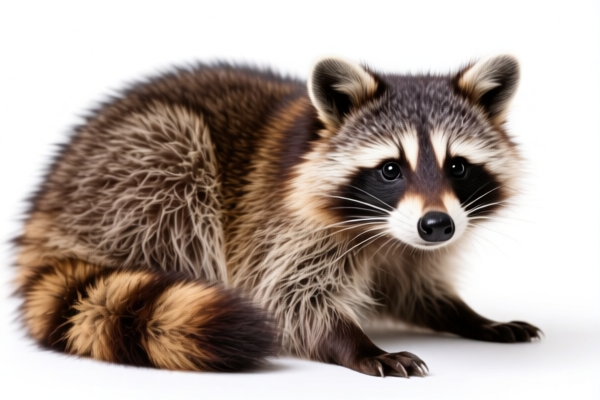
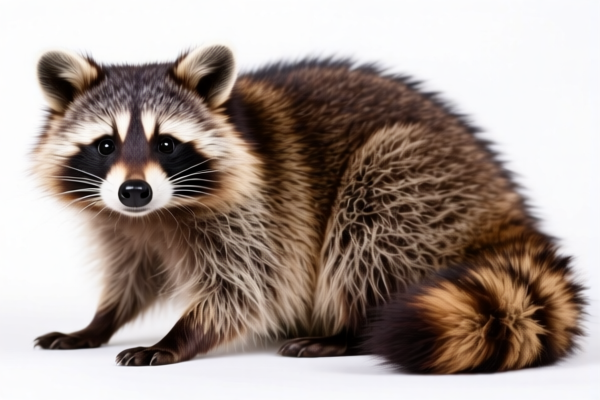
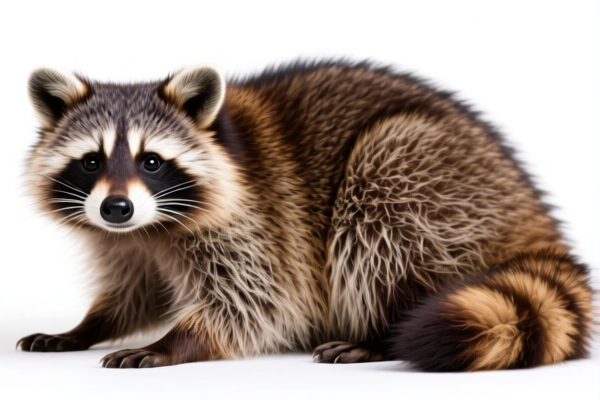
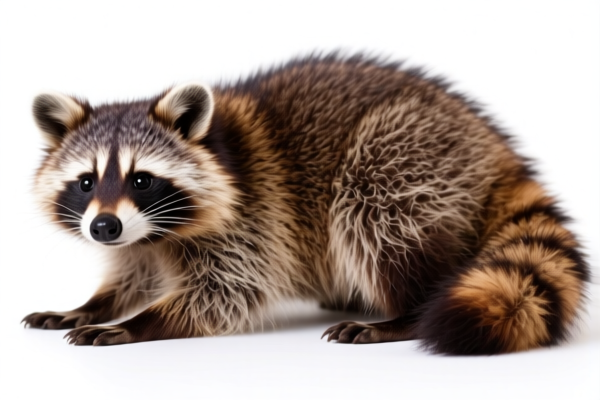
AI Analysis
🐾 Unassembled Dyed Racoon Fur
🌐 HS Code Reference & Clearance Guide | 2026 Latest Tariff Analysis | Professional Clearance Strategy
📌 I. Product Definition & Classification: Do You Really Understand "Racoon Fur"?
"Unassembled Dyed Racoon Fur" refers to raccoon pelts that have undergone dyeing processes but have not yet been cut, sewn, or assembled into finished garments or accessories. In international trade, the classification depends heavily on the state of processing (raw vs. processed) and the material composition (specific species).
⚠️ Key Distinction:
- If the fur is considered raw/unworked or minimally worked (tanned but not dyed/colored significantly), it may fall under heading 4301.
- If the fur is dyed, colored, or further processed (as implied by "Dyed"), it typically moves to heading 4302 (Prepared Fur Skins).
- If it is considered a semi-finished good for manufacturing, it might fall under 4303 (Articles of Fur Skin or Furskin), though this is less common for raw skins unless specified as "parts."
📦 II. HS Code Classification Details (2026 Latest Tariff Authority Comparison)
Based on the provided data, here are the matched HS Codes, summaries, and tax details. Note that slight variations in interpretation (e.g., whether "dyed" pushes it strictly to 4302 or stays in 4301) lead to different tax outcomes.
| HS Code | Product Description | Summary & Matching Logic | Total Tax Rate |
|---|---|---|---|
4301.10.00.10 |
Raccoon Fur, Raw/Unassembled | Matches material (Raccoon) and form (Unassembled/Raw skin). Assumes "no significant conflict" with wild origin. Does not heavily emphasize the "dyed" aspect for classification shift. | 17.5% |
4302.11.00.20 |
Dyed Raccoon Fur (Prepared Skins) | Perfect Match. "Unassembled" = Unassembled; "Dyed" = Colored/Added Color; "Raccoon" = Other Raccoon (not Kolinsky). Material and form fully comply. | 37.1% |
4303.90.00.00 |
Other Fur Articles (Semi-finished) | Matches material (Raccoon) and form (Unassembled/Intermediate). Classified under "Other Fur Articles" due to intermediate processing state. | 35.0% |
4302.20.90.00 |
Other Dyed/Prepared Fur Skins | Full name match: Material (Raccoon/Fur Skin) + Form (Unassembled) + Use/Process (Dyed). Broad category for dyed fur skins. | 36.7% |
4303.10.00.30 |
Raccoon Fur Articles (Semi-finished) | Success. "Raccoon" matches; "Unassembled" is considered an intermediate good for garment making. No conflict with "Raccoon-made" core material requirement. | 39.0% |
4301.10.00.20 |
Raccoon Fur Skins (Other/Chips) | Success. Material: Raccoon; Form: Unassembled (classified as skin slices/chips). Fits "Other" material definition for Raccoon. No form/use conflict. | 17.5% |
🔍 Important Note:
- Codes under 4301 (e.g.,4301.10.00.10/20) generally attract lower tariffs (17.5%) because they are viewed closer to raw hides/skins.
- Codes under 4302 (e.g.,4302.11.00.20) attract higher tariffs (36.7%-37.1%) because the "Dyed" process makes them "Prepared Fur Skins," which are more heavily regulated and taxed.
- Codes under 4303 (e.g.,4303.90.00.00) represent semi-finished articles and have intermediate tax rates.
💰 III. 2026 Latest Tariff Rate Details (Including Surtaxes, Policy Add-ons)
✅ Applicable Country: United States (US)
✅ Origin: China (CN) (Inferred from "Section 122" and typical surtax structures in the data)
✅ Effective Date: From November 10, 2025 (and subsequent imports)
🎯 1. Lower Tariff Group: 4301.10.00.10 & 4301.10.00.20 (Raw/Unassembled Interpretation)
| Item | Content |
|---|---|
| Base Tariff | 0.0% (ad valorem) |
| USITC Surtax (Section 301) | +7.5% |
| Section 122 Tariff | +10% |
| Total Tax Rate | 17.5% |
| Tax Calculation | CIF Value × 17.5% |
| De Minimis Exemption? | ❌ No (Denied for fur skins from China under Section 321) |
| Legal Basis Path | IEEPA:9903.01.25 → USITC:4301.10.00.10 → SECTION_122:10% |
📌 Explanation:
- "USITC Surtax 7.5%" is the standard Section 301 rate for this subheading in this dataset.
- "Section 122 Tariff +10%" is an additional levy specifically applied to certain goods.
- Total 17.5% is significantly lower than the dyed counterparts. This classification assumes the "Dyed" process is minimal or that the item is still classified as a "skin" rather than a "prepared fur skin" for trade purposes.
🎯 2. Higher Tariff Group: 4302.11.00.20 (Dyed/Prepared Fur Skin)
| Item | Content |
|---|---|
| Base Tariff | 2.1% |
| USITC Surtax (Section 301) | +25.0% |
| Section 122 Tariff | +10% |
| Total Tax Rate | 37.1% |
| Tax Calculation | CIF Value × 37.1% |
| De Minimis Exemption? | ❌ No |
| Legal Basis Path | IEEPA:9903.01.24 → USITC:4302.11.00.20 → SECTION_122:10% |
📌 Explanation:
- "Base Tariff 2.1%" is the standard duty for dyed raccoon skins.
- "USITC Surtax 25%" is the higher Section 301 rate applied to prepared fur skins.
- "Section 122 Tariff +10%" is additional.
- Total 37.1% is high. This is the safest legal classification for "Dyed" fur, as dyeing changes the nature of the good from "skin" to "prepared fur."
🎯 3. Semi-Finished Group: 4302.20.90.00, 4303.90.00.00, 4303.10.00.30
| Item | Content |
|---|---|
| Base Tariff | 0.0% - 4.0% |
| USITC Surtax (Section 301) | +25.0% |
| Section 122 Tariff | +10% |
| Total Tax Rate | 35.0% - 39.0% |
| Tax Calculation | CIF Value × Rate |
| De Minimis Exemption? | ❌ No |
📌 Explanation:
- These codes fall into the "Semi-finished/Articles" category.
- They consistently face the 25% Section 301 surtax plus 10% Section 122, resulting in high effective rates (35%-39%).
-4303.10.00.30has the highest rate (39.0%) due to a 4.0% base tariff.
🛠️ IV. Clearance Practical Advice (Real-World Pitfall Guide)
✅ 1. Preparation Checklist (No Missing Items)
| Document | Must Provide | Description |
|---|---|---|
| ✅ Product Specification Sheet | ✔️ | Details: Species (Raccoon), Color/Dye Type, Skin Condition (Full/Partial), Weight |
| ✅ Photos of Fur Skins | ✔️ | Clear images showing the dyed color, texture, and any labels/tags |
| ✅ Commercial Invoice | ✔️ | Must clearly state "Unassembled Dyed Raccoon Fur Skins" to avoid ambiguity |
| ✅ Packing List | ✔️ | Number of skins, total weight, dimensions |
| ✅ Origin Certificate | ✔️ | Proves China origin (triggers surtaxes) |
| ✅ Third-Party Test Report | ✔️ | Optional but recommended: Proof of dye composition (if requested by CBP) |
✅ 2. Declaration Tips (Key Mnemonics)
🔥 "Declare as Skins, Not Articles; Dye Matters, Tax Varies!"
| Scenario | Correct Declaration | Incorrect Action |
|---|---|---|
| Dyed, Unassembled | 4302.11.00.20 (Prepared Fur) |
Declaring as "Raws" → Risk of penalty + back taxes |
| Raw, Undyed | 4301.10.00.10 (Raw Skin) |
Declaring as "Dyed" → Overpayment of tax |
| Semi-finished Parts | 4303.90.00.00 (Articles) |
Declaring as "Raw" → Misclassification |
| Mixed Species | Separate line items | Mixing Raccoon with other furs → Delay |
✅ 3. Special Cases Handling
| Situation | Handling Advice |
|---|---|
| OEM Custom Dye | Provide color codes (e.g., Pantone) and dye process description to justify "Dyed" status under 4302. |
| Small Batches (De Minimis) | ❌ Not eligible. Fur skins from China do not qualify for $800 de minimis entry (Section 321 exclusion). |
| Wild-Caught vs. Farmed | Specify if wild or farmed. Some classifications may require CITES documentation if applicable, though Raccoon is generally not CITES-listed, but local laws may apply. |
| Unassembled Definition | Ensure "Unassembled" means individual skins, not sewn panels or garment parts. If sewn, it’s 4303, not 4301/4302. |
🌍 V. Global Market Clearance Comparison (2026 Latest)
| Country/Region | Recommended HS Code | Tariff Rate | Certification Requirements | Notes |
|---|---|---|---|---|
| 🇺🇸 USA | 4302.11.00.20 |
37.1% | None specific | High tax due to Section 301 + 122. |
| 🇨🇳 China | 4302.11.00.20 |
~2-5% | None | Low import tax for domestic consumption. |
| 🇪🇺 EU | 4302.11 |
~0-10% | Ecolabel (if applicable) | No Section 301 equivalent. |
| 🇬🇧 UK | 4302.11 |
~0-10% | None | Post-Brexit tariff regime. |
| 🇯🇵 Japan | 4302.11 |
~0-5% | None | Generally low tariffs on fur skins. |
📌 Conclusion:
- The USA is the most expensive market for Raccoon Fur imports due to Section 301 and Section 122 tariffs.
- China-origin fur skins face 37.1% total duty in the US, making cost control critical.
- EU/Asia markets are more favorable with significantly lower tariffs.
📌 VI. Common Mistakes & Pitfalls (Lessons Learned)
❌ Mistake 1: Declaring "Dyed Fur" as "Raw Fur" (4301)
👉 Consequence: Customs may reclassify to 4302, charging 37.1% instead of 17.5%, plus penalties.
❌ Mistake 2: Assuming "Unassembled" means "Sewing Kits"
👉 Consequence: Misclassification. "Unassembled" in fur trade means individual skins, not components of a garment.
❌ Mistake 3: Ignoring Section 122 Tariff
👉 Consequence: Underpayment. Section 122 adds an extra 10% on top of Section 301. Total can reach 37.1% or more.
❌ Mistake 4: Using "Fur Garment" as Description for Raw Skins
👉 Consequence: Immediate flagging by CBP. Use "Unassembled Dyed Raccoon Fur Skins".
✅ Correct Practice:
"Dyed Raccoon Fur Skins, Unassembled, Raw Condition, China Origin, Model: RAC-DYED-01, Weight: 10kg"
🎯 VII. Conclusion: Professional Declaration Saves Money!
🎯 Remember the Mantra:
🔹 "Dyed = Prepared = 37.1%; Raw = Unassembled = 17.5%; Don't Guess, Check the Dye!"
🔹 "Section 301 + 122 = High Tax; Plan Your Supply Chain Accordingly!"
📌 Pro Tip:
If your fur skins are dyed in a third country (not China), you may qualify for lower USITC surtaxes. However, if the material (Raccoon) is from China, surtaxes still apply.
Recommend applying for an Advance Ruling from CBP to confirm the correct HS Code (4302 vs 4301) before shipping large volumes.
📣 Immediate Action:
📞 Contact a professional customs broker + Provide skin samples/photos + Apply for HS Code Advance Ruling
🚀 Ensure smooth clearance, avoid delays, and optimize costs for your Raccoon Fur imports!
✨ Professional Clearance Starts with Accurate Classification!
💼 Every Percent of Tax Counts!
Customer Reviews
About HS Code Classification
The Harmonized System (HS) is an internationally standardized nomenclature developed by the World Customs Organization (WCO) to classify traded products. Over 200 countries use the HS system as the basis for customs tariffs, trade statistics, and import/export regulations.
Each HS code follows a hierarchical structure:
- Chapter (2 digits) — Broad category of goods (e.g., Chapter 84: Machinery and Mechanical Appliances)
- Heading (4 digits) — More specific grouping within the chapter
- Subheading (6 digits) — Internationally standardized breakdown, used by all WCO member countries
- National subdivisions (8-10 digits) — Country-specific extensions for further classification, such as US HTSUS 10-digit codes
Correct HS code classification is essential for smooth customs clearance, accurate duty payment, and compliance with trade regulations. Misclassification can lead to customs delays, overpayment of duties, or penalties.
When importing from CN to US, the applicable tariff rates may include:
- Most-Favored-Nation (MFN) rate — The standard duty rate applied to WTO members
- General rate — Applied to countries without trade agreements
- Trade remedy duties — Additional tariffs such as Section 301 (anti-dumping), Section 232 (national security), or countervailing duties
The information provided on this page is for reference purposes only. For official classification, please consult with your local customs authority or a licensed customs broker.