Unassembled Rabbit Fur
CN → US| HS Code | Tariff Rate | Origin | Destination | Doc |
|---|---|---|---|---|
| 4302195500 | 37.7% | CN | US | Official Doc |
| 4103901130 | 17.5% | CN | US | Official Doc |
| 4103901190 | 17.5% | CN | US | Official Doc |
| 4301800202 | 17.5% | CN | US | Official Doc |
| 4302196000 | 38.5% | CN | US | Official Doc |
| 4301900000 | 10.0% | CN | US | Official Doc |
Product Images

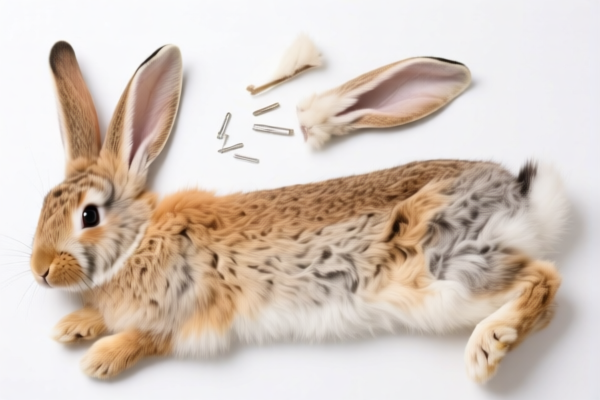
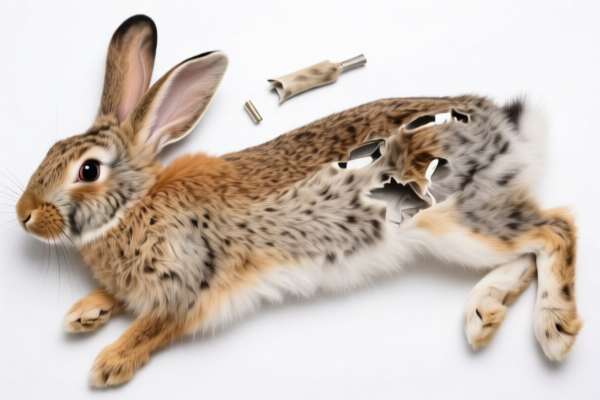
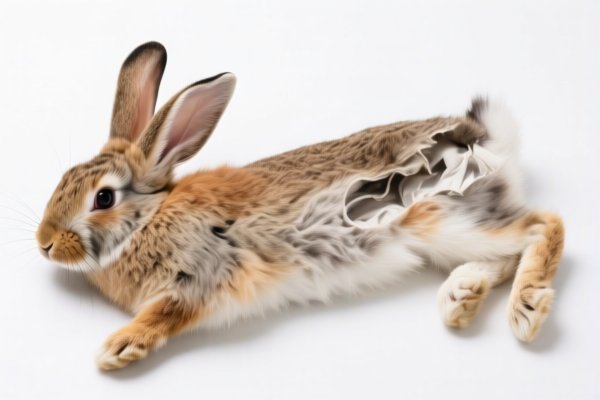
AI Analysis
🐇 Unassembled Rabbit Fur (毛皮原皮/未组装兔毛皮)
🌐 HS Code Reference & Customs Clearance Guide | 2026 Latest Tariff Analysis | Professional Clearance Strategy
📌 I. Product Definition & Classification: Do You Really Understand "Unassembled Rabbit Fur"?
Unassembled Rabbit Fur refers to raw hides or pelts of rabbits or hares that have not yet been assembled into garments or other finished products. In international trade, the classification depends heavily on the state of processing (whether it is raw skin/flesh, pre-tanned, or prepared) and the form (whole, cut, or fragmented).
Two Main Categories in Customs: 1. Fur Skins, Not Assembled (Heading 4302/4301): Processed specifically as fur (e.g., tanned, dressed, or kept in a natural state for fur use). 2. Raw Hides/Skins, Not Pre-tanned (Heading 4103): Considered general raw animal skins not specifically prepared for fur use.
⚠️ Key Distinction:
- If the skin is intended for fur garments/accessories and is processed/dressed → Usually falls under HS 4302 or 4301.
- If the skin is raw, unpre-tanned, and classified as general leather raw material → Falls under HS 4103.
- Form matters: Whole skins, fragments, or slices have different sub-classifications.
📦 II. HS Code Classification Details (2026 Latest Tariff Authority Comparison)
Based on the provided data, here are the valid HS Codes for Unassembled Rabbit Fur:
| HS Code | Product Description | Application Scenario | Tax Detail Summary |
|---|---|---|---|
4302.19.55.00 |
Rabbit fur, unassembled, consistent with whole rabbit/hare skin, unassembled form | Whole skins prepared for fur use | 37.7% (Base 2.7% + Sec 301 25% + 122 10%) |
4103.90.11.30 |
Rabbit fur, unassembled, classified as other raw hides, not pre-tanned | Raw, unpre-tanned skins (general leather category) | 17.5% (Base 0% + Sec 301 7.5% + 122 10%) |
4103.90.11.90 |
Rabbit fur, unassembled, classified as other unpre-tanned raw skins | Raw, unpre-tanned skins (general leather category) | 17.5% (Base 0% + Sec 301 7.5% + 122 10%) |
4301.80.02.02 |
Rabbit fur, unassembled, fits raw rabbit skin including fragments or slices | Raw skins, including cut pieces or fragments | 17.5% (Base 0% + Sec 301 7.5% + 122 10%) |
4302.19.60.00 |
Rabbit fur, unassembled, fur attribute fully matches unassembled form | Processed fur skins, unassembled, standard category | 38.5% (Base 3.5% + Sec 301 25% + 122 10%) |
4301.90.00.00 |
Rabbit fur, unassembled, classified as raw fur fragments or slices | Fragmented/sliced raw fur material | 10.0% (Base 0% + Sec 301 0% + 122 10%) |
🔍 Key Reminder:
- HS 4302 codes (e.g.,.55,.60) are for prepared fur skins and carry higher base tariffs (2.7%-3.5%) + Section 301 tariffs (25%).
- HS 4103 codes are for raw, unpre-tanned hides and have lower base tariffs (0%) and lower Section 301 tariffs (7.5%).
- HS 4301.90.00.00 is for fragments/slices and enjoys 0% Section 301, resulting in the lowest total tax.
💰 III. 2026 Latest Tariff Rate Breakdown (Including Additional Taxes & Policy Surcharges)
✅ Applicable Country: United States (US)
✅ Origin: China (CN)
✅ Effective Date: 2025/2026 Tariff Schedule
🎯 1. 4302.19.55.00 — Rabbit Fur, Whole Skin, Unassembled (Prepared)
| Item | Content |
|---|---|
| Base Tariff | 2.7% |
| Section 301 Tariff | +25.0% |
| Section 122 Tariff | +10.0% |
| Total Tariff | 37.7% |
| Tax Calculation | CIF Value × 37.7% |
| De Minimis Exemption | ❌ Not Applicable |
| Legal Basis | HTS:4302.19.55.00 → Section 301: 25% → Section 122: 10% |
📌 Explanation:
- This code applies to prepared rabbit skins (tanned/dressed) intended for fur products.
- Total 37.7% includes standard base, Section 301 (US-China trade war tariff), and Section 122 (reciprocal trade tariff).
🎯 2. 4103.90.11.30 & 4103.90.11.90 — Raw Rabbit Skins, Not Pre-Tanned
| Item | Content |
|---|---|
| Base Tariff | 0.0% |
| Section 301 Tariff | +7.5% |
| Section 122 Tariff | +10.0% |
| Total Tariff | 17.5% |
| Tax Calculation | CIF Value × 17.5% |
| De Minimis Exemption | ❌ Not Applicable |
| Legal Basis | HTS:4103.90.11.xx → Section 301: 7.5% → Section 122: 10% |
📌 Explanation:
- These codes apply to raw, unpre-tanned rabbit skins classified as general hides.
- Total 17.5% is significantly lower than prepared fur due to lower base and Section 301 rates.
🎯 3. 4301.80.02.02 — Raw Rabbit Skin with Fragments/Slices
| Item | Content |
|---|---|
| Base Tariff | 0.0% |
| Section 301 Tariff | +7.5% |
| Section 122 Tariff | +10.0% |
| Total Tariff | 17.5% |
| Tax Calculation | CIF Value × 17.5% |
| De Minimis Exemption | ❌ Not Applicable |
| Legal Basis | HTS:4301.80.02.02 → Section 301: 7.5% → Section 122: 10% |
📌 Explanation:
- Applies to raw skins including fragments or slices.
- Same tax rate as raw hides (4103), but classified under fur headings due to product type.
🎯 4. 4302.19.60.00 — Rabbit Fur, Unassembled, Standard Prepared
| Item | Content |
|---|---|
| Base Tariff | 3.5% |
| Section 301 Tariff | +25.0% |
| Section 122 Tariff | +10.0% |
| Total Tariff | 38.5% |
| Tax Calculation | CIF Value × 38.5% |
| De Minimis Exemption | ❌ Not Applicable |
| Legal Basis | HTS:4302.19.60.00 → Section 301: 25% → Section 122: 10% |
📌 Explanation:
- Highest tax rate among prepared furs.
- Used when the fur is fully prepared and does not fit other specific sub-categories.
🎯 5. 4301.90.00.00 — Raw Fur Fragments or Slices
| Item | Content |
|---|---|
| Base Tariff | 0.0% |
| Section 301 Tariff | 0.0% |
| Section 122 Tariff | +10.0% |
| Total Tariff | 10.0% |
| Tax Calculation | CIF Value × 10.0% |
| De Minimis Exemption | ❌ Not Applicable |
| Legal Basis | HTS:4301.90.00.00 → Section 301: 0% → Section 122: 10% |
📌 Explanation:
- Lowest tax rate! Applies to fragmented or sliced raw fur.
- No Section 301 tariff applies to this specific sub-category, making it the most cost-effective for fragmented materials.
🛠️ IV. Customs Clearance Practical Advice (Real-World Pitfall Guide)
✅ 1. Required Documentation Checklist (All Required)
| Document | Must Provide | Notes |
|---|---|---|
| ✅ Product Specification | ✔️ | Detail: Rabbit species, size, skin type (whole/fragment), processing state (raw/prepared) |
| ✅ Photos of Goods | ✔️ | Clear images showing texture, size, and any cuts/fragments |
| ✅ Commercial Invoice | ✔️ | Must clearly state "Unassembled Rabbit Fur" and HS Code |
| ✅ Packing List | ✔️ | Specify weight, number of skins, and packaging method |
| ✅ Origin Certificate | ✔️ | Essential for determining Section 301 applicability |
| ✅ Third-Party Inspection Report | ✔️ | If required by buyer, include quality/condition report |
✅ 2. Declaration Tips (Key Mantras)
🔥 “Raw vs. Prepared, Whole vs. Slice, Declare Accurate, Save Tax!”
| Scenario | Correct Declaration | Wrong Action |
|---|---|---|
| Whole, Prepared Fur Skins | 4302.19.55.00 or 4302.19.60.00 |
Declare as raw skin → Penalty for misclassification |
| Raw, Unpre-Tanned Skins | 4103.90.11.30 or 4103.90.11.90 |
Declare as prepared fur → Higher tax (37.7% vs 17.5%) |
| Sliced/Fragemented Raw Fur | 4301.90.00.00 |
Declare as whole skin → Higher tax (10% vs 37.7%) |
| Mixed (Whole + Fragments) | Separate lines or declare as fragments if majority | Mixed declaration → Risk of audit & additional duty |
✅ 3. Special Cases Handling
| Situation | Handling Advice |
|---|---|
| OEM Custom Orders | Provide design specs to justify "prepared" status if applicable |
| Raw Skins with Residual Flesh | Ensure it’s clearly "raw" to avoid being classified as "prepared" (higher tax) |
| Fragmented Skins | Clearly describe as "fragments" or "slices" to qualify for 0% Section 301 under 4301.90.00.00 |
| CITES Compliance | Ensure rabbit species is not endangered; provide CITES permit if required |
🌍 V. Global Market Comparison (2026 Latest)
| Country/Region | Recommended HS Code | Tariff | Certification | Notes |
|---|---|---|---|---|
| 🇺🇸 USA | 4302.19.55.00 / 4301.90.00.00 |
10%–38.5% | No special certs | High Section 301 impact |
| 🇨🇳 China | 4302.19.55.00 |
5%–10% | N/A | Lower base tariffs |
| 🇪🇺 EU | 4302.19.00 |
0%–12% | REACH | No Section 301/122 |
| 🇬🇧 UK | 4302.19.00 |
0%–12% | N/A | Post-Brexit tariff |
| 🇯🇵 Japan | 4302.19.00 |
0%–8% | N/A | Low tariffs for fur |
📌 Conclusion:
- USA has the highest effective tariff due to Section 301 (7.5%–25%) and Section 122 (10%).
- Fragmented raw fur (4301.90.00.00) is the most tax-efficient route into the US (10% total).
- Prepared whole skins face the highest burden (37.7%–38.5%).
📌 VI. Common Mistakes & Pitfall Guide (Lessons Learned)
❌ Mistake 1: Declaring whole prepared skins as raw skins
👉 Consequence: Customs audit, potential fines, and forced reclassification to higher tax.
❌ Mistake 2: Declaring fragmented fur as whole skins
👉 Consequence: Pay 37.7% instead of 10% → Massive cost increase.
❌ Mistake 3: Not specifying "Unassembled" in the description
👉 Consequence: Customs may classify as finished goods (e.g., gloves, coats) → Different tariff & restrictions.
❌ Mistake 4: Ignoring CITES regulations
👉 Consequence: Seizure if the rabbit species is protected.
✅ Correct Practice:
"Unassembled Rabbit Fur, Raw, Sliced, HS 4301.90.00.00, Origin China, 10% Duty Applicable"
🎯 VII. Conclusion: Professional Declaration, Save Time, Reduce Costs!
🎯 Remember the Mantra:
🔹 "Raw is cheap, Prepared is dear, Fragments win the game, Declare accurately, Avoid the flame!"
🔹 "HS Code decides fate, Tax difference is huge, One wrong step, Pay double!"
📌 Tips:
- If your fur is not from China, you may avoid Section 301 tariffs.
- Always verify CITES status for rabbit species before import.
- Consider using 4301.90.00.00 for fragmented materials to maximize savings.
📣 Immediate Action:
📞 Contact professional customs broker + Provide product photos + Apply for HS Code pre-ruling
🚀 Ensure smooth clearance, reduce costs, and boost profits!
✨ Professional Clearance Starts with Accurate Classification!
💼 Every dollar saved is a dollar earned!
Customer Reviews
About HS Code Classification
The Harmonized System (HS) is an internationally standardized nomenclature developed by the World Customs Organization (WCO) to classify traded products. Over 200 countries use the HS system as the basis for customs tariffs, trade statistics, and import/export regulations.
Each HS code follows a hierarchical structure:
- Chapter (2 digits) — Broad category of goods (e.g., Chapter 84: Machinery and Mechanical Appliances)
- Heading (4 digits) — More specific grouping within the chapter
- Subheading (6 digits) — Internationally standardized breakdown, used by all WCO member countries
- National subdivisions (8-10 digits) — Country-specific extensions for further classification, such as US HTSUS 10-digit codes
Correct HS code classification is essential for smooth customs clearance, accurate duty payment, and compliance with trade regulations. Misclassification can lead to customs delays, overpayment of duties, or penalties.
When importing from CN to US, the applicable tariff rates may include:
- Most-Favored-Nation (MFN) rate — The standard duty rate applied to WTO members
- General rate — Applied to countries without trade agreements
- Trade remedy duties — Additional tariffs such as Section 301 (anti-dumping), Section 232 (national security), or countervailing duties
The information provided on this page is for reference purposes only. For official classification, please consult with your local customs authority or a licensed customs broker.