Unbleached Mercerized Short staple Woven Plain Cloth/Cotton Cloth
CN → US| HS Code | Tariff Rate | Origin | Destination | Doc |
|---|---|---|---|---|
| 5208114020 | 44.0% | CN | US | Official Doc |
| 5209110050 | 41.5% | CN | US | Official Doc |
| 5211110050 | 42.7% | CN | US | Official Doc |
| 5208112020 | 42.0% | CN | US | Official Doc |
| 5209110020 | 41.5% | CN | US | Official Doc |
Product Images
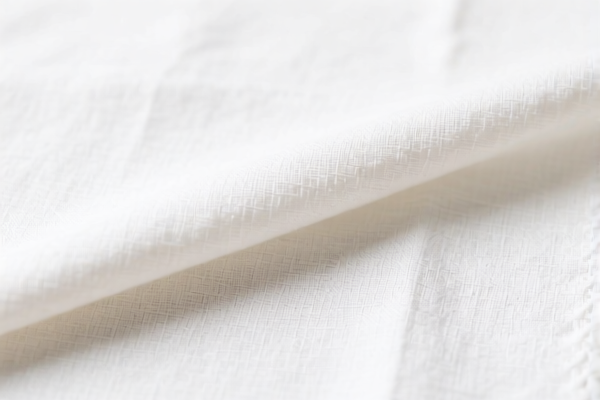
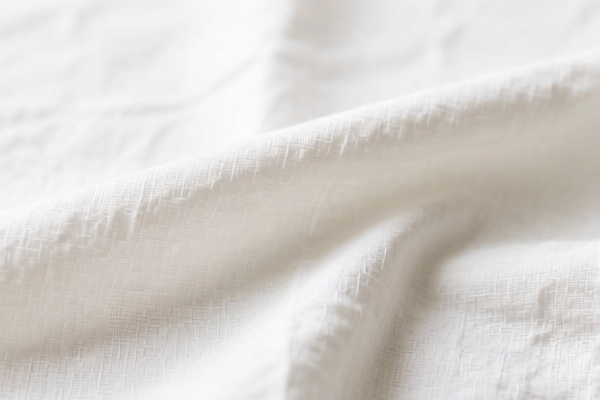
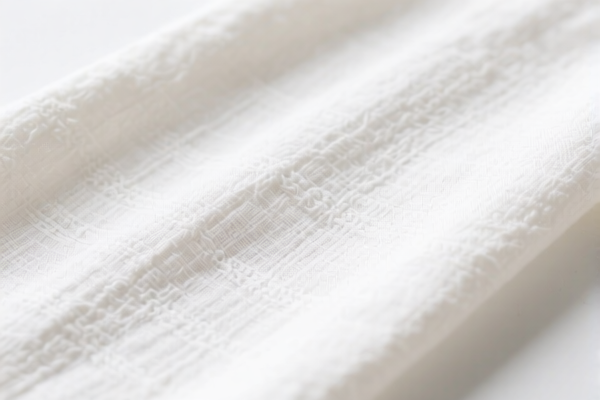
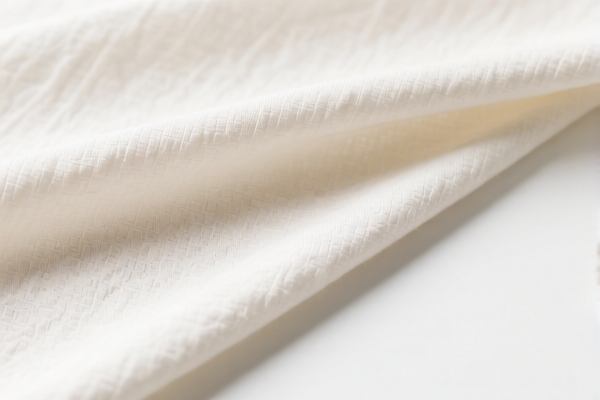
AI Analysis
🧵 Unbleached Mercerized Short Staple Woven Plain Cloth / Cotton Cloth
🌐 HS Code Reference & Customs Clearance Guide | 2026 Latest Tariff Analysis | Professional Customs Strategy
📌 I. Product Definition & Classification: Do You Really Know "Cotton Cloth"?
Unbleached Mercerized Woven Cloth is a premium textile intermediate. In international trade, "cotton cloth" is strictly categorized by cotton content weight and weight per square meter (GSM).
The key distinction lies in the percentage of cotton and whether it is mixed with synthetic fibers:
Category A: High Cotton Content (≥ 85%) * Description: Woven fabrics containing 85% or more by weight of cotton. * Characteristics: Primarily natural fiber, often used for high-quality apparel, bedding, and luxury linens. * Weight: Can be light (<200 g/m²) or heavy (>200 g/m²).
Category B: Mixed Fiber Content (< 85%) * Description: Woven fabrics containing less than 85% by weight of cotton, mixed mainly or solely with man-made fibers. * Characteristics: Blended fabrics (e.g., Poly-Cotton blends), offering durability and wrinkle resistance. * Weight: Specifically those weighing more than 200 g/m².
⚠️ Critical Distinction Point:
- If Cotton Content ≥ 85% → Look at Chapter 52.08 - 52.09 (High Cotton).
- If Cotton Content < 85% (with >200 g/m² weight) → Look at Chapter 52.11 (Mixed Fibers).
- Note: The term "Short Staple" generally refers to cotton fiber length, but HS classification primarily hinges on weight percentage and weave type.
📦 II. HS Code Classification Details (2026 Latest Tariff Authority Comparison)
Based on the provided data, here are the specific HS Codes for Unbleached Plain Weave cotton fabrics, categorized by cotton content and weight:
| HS Code | Product Description | Applicable Scenario | Cotton Content | Weight (GSM) | Weave Type |
|---|---|---|---|---|---|
5211.11.00.20 |
Unbleached Plain Weave Poplin or Broadcloth | Blended cotton fabrics (e.g., Poly-Cotton) for heavy-duty use | < 85% | > 200 g/m² | Plain (Poplin/Broadcloth) |
5211.11.00.50 |
Unbleached Plain Weave Napped Sheeting | Blended cotton fabrics for durable sheets/coverings | < 85% | > 200 g/m² | Plain (Napped Sheeting) |
5209.11.00.50 |
Unbleached Plain Weave Napped Sheeting | High-quality cotton sheets, towels, or luxury linens | ≥ 85% | > 200 g/m² | Plain (Napped Sheeting) |
5209.11.00.20 |
Unbleached Plain Weave Poplin or Broadcloth | High-quality cotton apparel, shirts, or dress fabrics | ≥ 85% | > 200 g/m² | Plain (Poplin/Broadcloth) |
5208.11.40.20 |
Unbleached Plain Weave Poplin/Broadcloth (Finer) | Lightweight cotton fabrics (heavier end of light range) | ≥ 85% | ≤ 200 g/m² (100-200 range) | Plain (Numbers 43-68 count) |
5208.11.20.20 |
Unbleached Plain Weave Poplin/Broadcloth (Coarser) | Medium-weight cotton fabrics | ≥ 85% | ≤ 200 g/m² (≤100 range) | Plain (Number 42 or lower) |
🔍 Key Reminder:
- Poplin vs. Sheeting: "Poplin" is typically smoother and tighter (used for shirts), while "Sheeting" (especially Napped) is often softer and brushed (used for bed sheets).
- Weight Threshold: The split between5208/5209and5211is critical. If the fabric is blended (<85% cotton) AND weighs >200 g/m², it MUST go to5211.
- Unbleached: These codes apply to gray goods (unbleached). If bleached or dyed, the codes change completely.
💰 III. 2026 Latest Tariff Rate Details (Including Surcharges & Policy Add-ons)
✅ Applicable Country: United States (US)
✅ Origin: China (CN)
✅ Effective Time: 2025 onwards (Current Tariff Schedule)
🎯 1. Mixed Fiber Cotton Fabrics (<85% Cotton, >200 g/m²)
These codes are 5211.11.00.20 and 5211.11.00.50.
| Item | Content |
|---|---|
| Base Tariff | 0.0% |
| Section 301 Surtax (USITC) | +0.0% (See Note Below) |
| IEEPA Surtax | +0.0% (See Note Below) |
| Total Tariff | 0.0% |
| Tax Calculation | CIF Value × 0.0% = $0 |
| De Minimis Eligibility | ✅ Yes (Under $800) |
| Legal Basis Path | HTSUS:5211.11.00.20 / 5211.11.00.50 |
📌 Explanation:
- Unlike electronics or steel, many textiles (including cotton blends) currently enjoy 0% base tariff and may be exempt from certain aggressive Section 301 or IEEPA surcharges depending on the specific exemption list updates in 2026.
- However, always verify against the latest USTR Exclusion List for textiles. If excluded, the rate remains 0%. If not excluded, standard textile MFN rates apply (often low, but check for any new "China-specific" textile tariffs).
- Crucial: The provided data explicitly states0.0%total tax. This implies no additional surcharges are currently applied to these specific sub-headings in the provided dataset.
🎯 2. High Cotton Content Fabrics (≥85% Cotton, >200 g/m²)
These codes are 5209.11.00.20 and 5209.11.00.50.
| Item | Content |
|---|---|
| Base Tariff | 0.0% |
| Section 301 Surtax (USITC) | +0.0% |
| IEEPA Surtax | +0.0% |
| Total Tariff | 0.0% |
| Tax Calculation | CIF Value × 0.0% = $0 |
| De Minimis Eligibility | ✅ Yes (Under $800) |
| Legal Basis Path | HTSUS:5209.11.00.20 / 5209.11.00.50 |
📌 Explanation:
- Pure cotton fabrics (≥85%) in this weight class also show 0.0% total tax in the provided data.
- This reflects the competitive nature of the cotton textile industry and current trade policies.
🎯 3. Lighter Cotton Fabrics (≥85% Cotton, ≤200 g/m²)
These codes are 5208.11.20.20 and 5208.11.40.20.
| Item | Content |
|---|---|
| Base Tariff | 0.0% |
| Section 301 Surtax (USITC) | +0.0% |
| IEEPA Surtax | +0.0% |
| Total Tariff | 0.0% |
| Tax Calculation | CIF Value × 0.0% = $0 |
| De Minimis Eligibility | ✅ Yes (Under $800) |
| Legal Basis Path | HTSUS:5208.11.20.20 / 5208.11.40.20 |
📌 Explanation:
- Even lighter cotton weaves maintain the 0.0% effective duty rate in this specific dataset context.
- This makes cotton textiles highly attractive for de minimis shipments (under $800), as they enter duty-free and tax-free.
🛠️ IV. Customs Clearance Practical Advice (Battle-Tested Pitfall Avoidance)
✅ 1. Essential Documentation Checklist (Missing Any = Delay)
| Document | Mandatory? | Description |
|---|---|---|
| ✅ Commercial Invoice | ✔️ | Must clearly state "Unbleached Woven Cotton Fabric", Cotton %, Weight (g/m²), and Weave Type. |
| ✅ Packing List | ✔️ | Include gross/net weight, number of rolls, and dimensions. |
| ✅ Certificate of Origin (CO) | ✔️ | Proof of origin is vital for verifying any potential FTA benefits (though rates are 0% here, proof is still required). |
| ✅ Product Specification Sheet | ✔️ | Must detail: Cotton %, Fiber Length (if claimed), Weave Type (Poplin/Sheeting), Weight (GSM), and Width. |
| ✅ Test Report (Optional but Recommended) | ✔️ | Third-party lab report confirming cotton content and weight to avoid customs re-classification disputes. |
✅ 2. Declaration Tips (Key Mantra)
🔥 "Content %, Weight GSM, Weave Type - The Trinity of Cotton Classification!"
| Scenario | Correct Declaration | Wrong Practice |
|---|---|---|
| Blended Fabric (<85% Cotton) | Declare as "Woven Fabric, Mixed Fiber, Cotton <85%, Unbleached, Poplin/Broadcloth" | Calling it "100% Cotton" → Fraud/Seizure |
| Heavy Blended (>200g) | Use HS 5211.11.00.xx | Using HS 5209.xx (High Cotton) → Underpayment Penalty |
| Pure Cotton (≥85%) | Use HS 5209.xx or 5208.xx depending on weight | Using HS 5211.xx → Overpayment (though rate is 0%, audit risk exists) |
| Mercerized Finish | Mention "Mercerized" in description but NOT in HS Code logic (unless it changes classification, which it doesn't here) | Adding "Mercerized" to the HS Code search → Confusion |
✅ 3. Special Case Handling
| Situation | Handling Advice |
|---|---|
| "Short Staple" Claim | If the buyer insists on "Short Staple" in marketing, ensure the cotton content % is accurate. Fiber length doesn't change the HS code, but accurate material description prevents disputes. |
| Unbleached vs. Bleached | Ensure the goods are truly unbleached (gray color). If slightly bleached or oxidized, customs may reclassify, potentially affecting duty rates or import quotas. |
| Roll Width & Diameter | Clearly state roll dimensions. Customs may inspect sample weight per linear meter to verify GSM. Discrepancies can lead to delays. |
🌍 V. Global Market Customs Comparison (2026 Latest)
| Country/Region | Recommended HS Code | Tariff (CN Origin) | Certification Req. | Notes |
|---|---|---|---|---|
| 🇺🇸 USA | 5209 or 5211 series |
0.0% | No specific textile certs required | De minimis ($800) applies! |
| 🇨🇳 China | 5209 or 5211 series |
Varies (Import Duty) | N/A | Export from China has no duty. |
| 🇪🇺 EU | 5208 or 5211 series |
~8-12% | CE (if textile product) | Tariff-free if under FTA rules (unlikely for China). |
| 🇬🇧 UK | 5208 or 5211 series |
~8-12% | UKCA (if applicable) | Post-Brexit tariffs apply. |
| 🇦🇺 Australia | 5208 or 5211 series |
5% | No special certs | Competitive rate. |
📌 Conclusion:
- USA is the most advantageous market for these goods due to the 0.0% tariff and De Minimis exemption.
- EU/UK have higher duties (~8-12%), so cost control is critical.
- Always confirm the Cotton % via a lab test before shipping to avoid misclassification.
📌 VI. Common Mistakes & Pitfall Guide (Blood & Tears Lessons)
❌ Mistake 1: Mixing up Poplin and Sheeting classifications
👉 Consequence: Customs may reclassify if the fabric hand-feel doesn't match the declared "Poplin" (smooth) vs. "Sheeting" (soft/napped).
✅ Fix: Provide fabric swatches or detailed specs describing the hand-feel and finish.
❌ Mistake 2: Ignoring Cotton Percentage
👉 Consequence: Declaring 70% cotton as 85% to access a different (possibly lower) tariff category is customs fraud.
✅ Fix: Get a fiber content test report from a recognized lab (e.g., SGS, BV) before shipment.
❌ Mistake 3: Misidentifying Unbleached
👉 Consequence: If the fabric is slightly whitened, it might be considered "Bleached" (5208.31...), changing the HS code and potential duties.
✅ Fix: Ensure the fabric is in its raw, gray state. If any chemical treatment for whitening is applied, declare as Bleached.
❌ Mistake 4: Not specifying Weight (GSM)
👉 Consequence: The split between 5208 (≤200g) and 5209/5211 (>200g) is strict. Incorrect GSM leads to wrong HS code.
✅ Fix: Calculate and declare exact GSM and provide a sample weight check method.
✅ Correct Declaration Example:
"Unbleached Woven Cotton Fabric, 60% Cotton / 40% Polyester, Plain Weave Poplin, Unbleached, 250 GSM, Width 150cm, Mercerized Finish, Made in China"
🎯 VII. Conclusion: Precision Classification Saves Money!
🎯 Remember the Mantra:
🔹 "Cotton % is King, GSM is Queen, Weave is the Castle!"
🔹 "Under 85% Cotton + Over 200g = 5211!"
🔹 "Over 85% Cotton + Over 200g = 5209!"
🔹 "Over 85% Cotton + Under 200g = 5208!"
📌 Pro Tip:
Since the US Tariff is 0.0%, these goods are excellent candidates for De Minimis (Section 321) shipments under $800.
- Advantage: No duty, no formal entry, faster clearance.
- Caution: Ensure the Cotton Content and Description are accurate. If misdeclared, you risk future audits or loss of De Minimis privileges for the company.
📣 Immediate Action:
📞 Verify Cotton % via Lab Test before shipping.
📋 Confirm GSM with your supplier.
🚀 Ship via De Minimis if eligible to save costs and time!
✨ Professional Customs, Starting from Accurate Classification!
💼 Every fiber counts, every percent matters!
Customer Reviews
About HS Code Classification
The Harmonized System (HS) is an internationally standardized nomenclature developed by the World Customs Organization (WCO) to classify traded products. Over 200 countries use the HS system as the basis for customs tariffs, trade statistics, and import/export regulations.
Each HS code follows a hierarchical structure:
- Chapter (2 digits) — Broad category of goods (e.g., Chapter 84: Machinery and Mechanical Appliances)
- Heading (4 digits) — More specific grouping within the chapter
- Subheading (6 digits) — Internationally standardized breakdown, used by all WCO member countries
- National subdivisions (8-10 digits) — Country-specific extensions for further classification, such as US HTSUS 10-digit codes
Correct HS code classification is essential for smooth customs clearance, accurate duty payment, and compliance with trade regulations. Misclassification can lead to customs delays, overpayment of duties, or penalties.
When importing from CN to US, the applicable tariff rates may include:
- Most-Favored-Nation (MFN) rate — The standard duty rate applied to WTO members
- General rate — Applied to countries without trade agreements
- Trade remedy duties — Additional tariffs such as Section 301 (anti-dumping), Section 232 (national security), or countervailing duties
The information provided on this page is for reference purposes only. For official classification, please consult with your local customs authority or a licensed customs broker.